
What Are the Formal Shoes Rule? Essential Guidelines for Dressing Right
Choosing the right formal shoes can make a big difference in your appearance and confidence. The key rules of formal shoes include simplicity in design, quality materials, and the right fit.
Understanding these rules will help you select shoes that match different occasions, from business meetings to weddings.
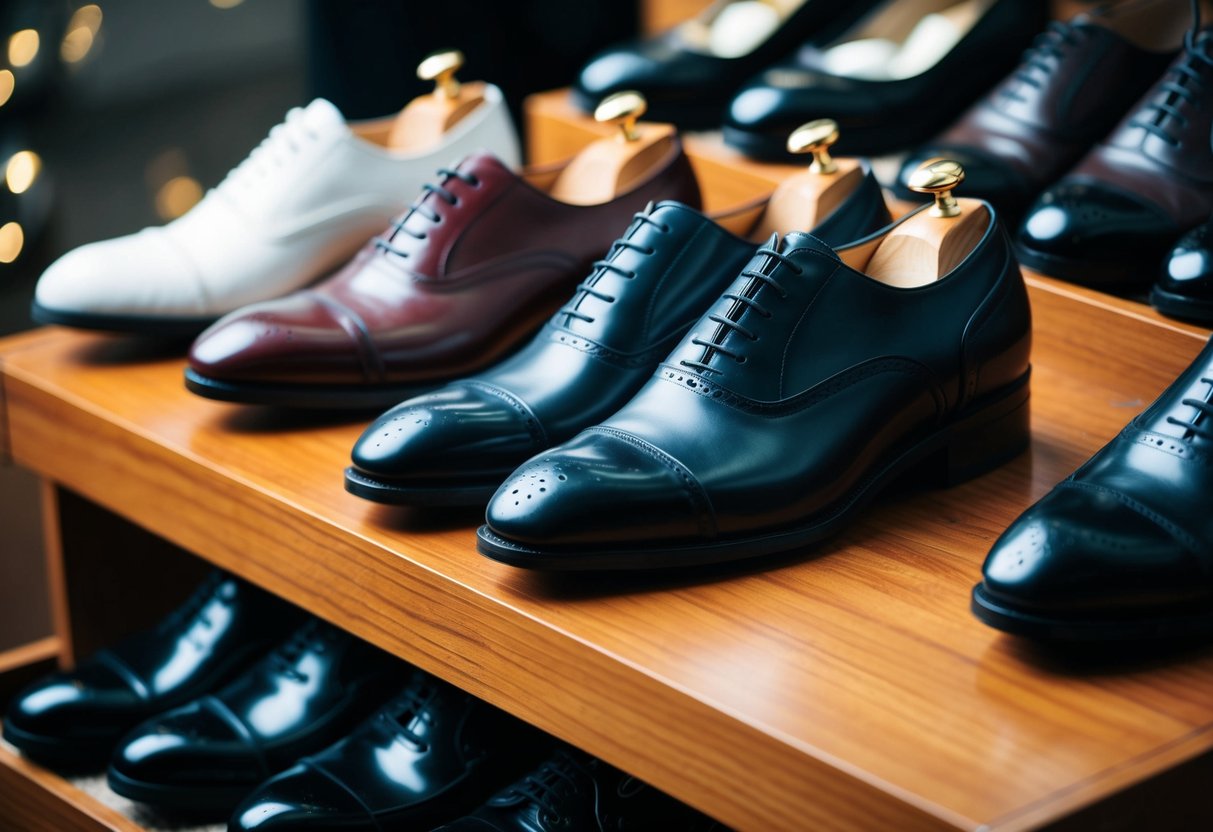
In the world of formal footwear, black shoes often lead the way due to their versatility and classic appeal. You’ll find some styles are more formal than others, with Oxfords typically standing out as the top choice.
By familiarizing yourself with what makes a shoe formal, you can build a wardrobe that is both stylish and appropriate.
Whether you’re dressing for an interview or a fancy dinner, knowing the formal shoes rule is essential. Selecting the right pair can elevate any outfit and ensure you’re always dressed to impress.
Understanding Formal Shoes
Formal shoes play a crucial role in both style and occasion. They can range from classic dress shoes to more relaxed business casual options, each serving different purposes.
Knowing the history and the definitions of shoe formality can help you choose the right pair for any event.
Historical Evolution
The journey of formal shoes goes back to the early 19th century. At this time, shoes began to shift from simple designs to more intricate styles during the Industrial Revolution. Mass production made it possible to create elegant dress shoes that were accessible to many.
Dress shoes, like Oxfords and Derbies, became staples for formal occasions. Their designs often symbolize sophistication. Over time, styles evolved to include various materials and colors while still maintaining that formal appeal. Understanding this history helps you appreciate the craftsmanship behind your shoes today.
Defining Shoe Formality
Shoe formality is determined by several key factors, such as material, design, and occasion. Generally, leather shoes are considered more formal than those made from fabric.
Here are some tips to keep in mind:
- Materials: Leather is the gold standard, while suede or synthetic options are less formal.
- Design: Shoes with fewer embellishments, such as classic Oxfords, are more formal than those with patterns.
- Soles: Rubber soles are suitable for casual settings, while leather soles elevate the formality.
By understanding these factors, you can confidently choose the right shoes for business casual or formal events. The right pair can enhance your overall look and make a lasting impression.
Types of Formal Shoes
When selecting formal shoes, you will come across several styles, each with its unique characteristics. Knowing these types helps you choose the right pair for any occasion, ensuring that you look sharp and feel comfortable.
Oxfords and Derbys
Oxfords are classic formal shoes known for their closed lacing system. This design gives them a sleek appearance, making them a go-to option for formal events. You can find Oxfords in various materials, including leather and suede. They are often available in different colors, with black being the most traditional choice.
Derbys, also called Bluchers, feature an open lacing system. This makes them a bit more casual than Oxfords while still looking smart. Derbys can also come with broguing, which adds decorative perforations to the shoe’s design. A pair of brown dress shoes in this style can offer a modern twist to your outfit.
Loafers and Monkstraps
Loafers are slip-on shoes that combine comfort with style. You can choose from several types, including penny loafers and tassel loafers. Their easy-to-wear design makes them perfect for semi-formal occasions. Make sure to opt for leather for a polished look.
Monkstraps are unique shoes featuring a buckle instead of laces. This distinctive style makes them stand out while still falling under the formal category. A double monkstrap shoe offers a more sophisticated touch, perfect for occasions where you want to make an impression.
Boots and Alternative Styles
Chelsea boots are a popular choice in the formal category. They are ankle-high and made with elastic sides, providing a snug fit. These boots can easily transition from formal events to more casual outings, making them versatile for your wardrobe.
Alternative styles like brogue boots provide a rugged yet stylish option. The decorative perforations on brogue boots add character while still being appropriate for formal settings.
Selecting the Right Shoes
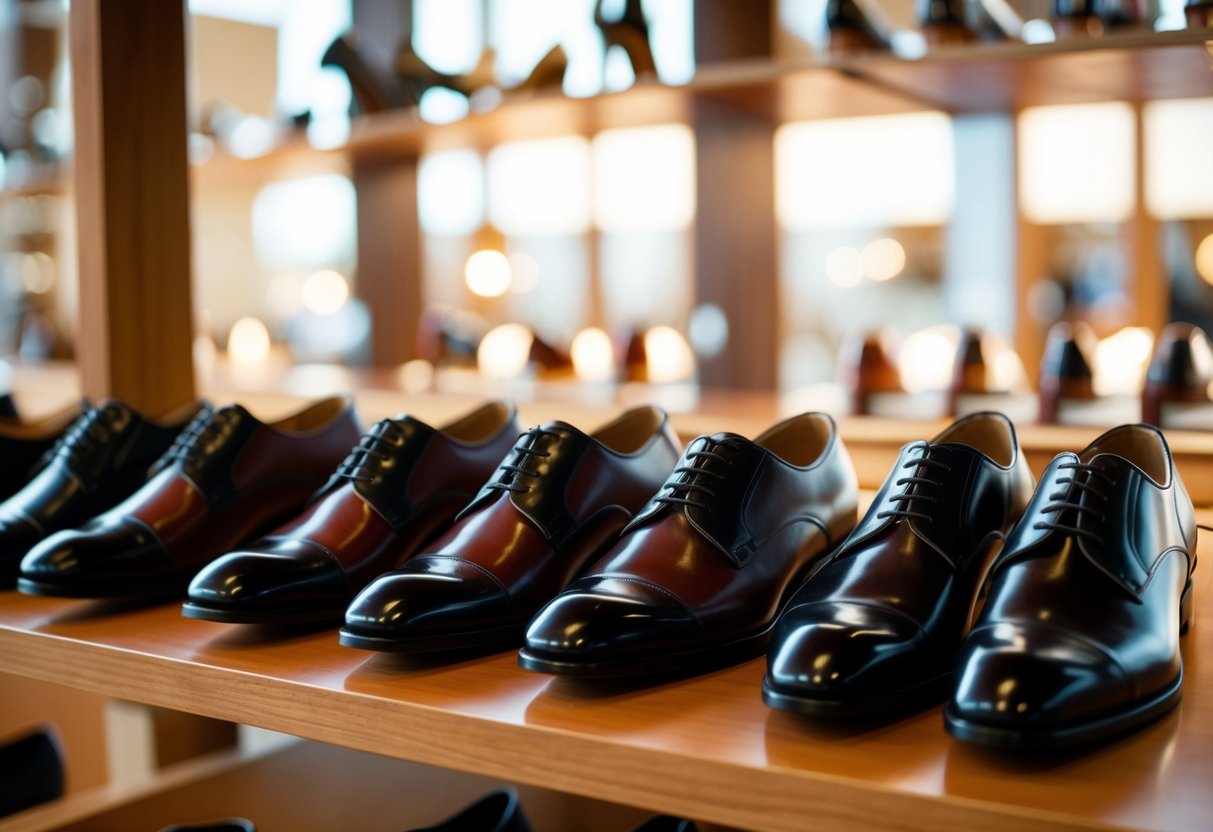
Choosing the right formal shoes can enhance your appearance and boost your confidence. Consider the occasion, the outfit you’ll be wearing, and the colors that suit your style when making your selection.
By Occasion
The occasion is key in selecting your formal shoes. For business meetings, opt for classic styles like black leather oxfords or derbies. These provide a polished look that commands respect.
For more formal events like black-tie affairs, go for patent leather shoes. They add a touch of elegance and shine. If you are attending a wedding, brown shoes can be a great alternative, especially if the event has a more relaxed atmosphere.
Always think about the formality of the event. Your shoe choice should align with the overall vibe to make a good impression.
By Outfit
Your outfit plays a big role in shoe selection, too. If you’re wearing a dark suit, black shoes are a safe and stylish choice. Pairing a navy suit with brown shoes can also be successful, offering a nice contrast.
When wearing lighter suits, consider light-colored shoes to keep the look balanced. Avoid sneakers or overly casual options. If your outfit includes trousers, loafers can strike a good balance between formal and comfortable.
Always ensure that your shoes complement the fabrics and colors of your clothing to look well put together.
By Color
Color is another important factor in choosing formal shoes. Black shoes are versatile and suitable for almost every event, making them a staple in your closet. They work well with dark suits and black-tie ensembles.
Brown shoes can add warmth and character. They are perfect for business meetings if paired with the right outfit, like a light-colored suit.
When choosing colors, make sure they match your outfit without clashing. Consider adding shoes with subtle textures or patterns, like broguing, to elevate your look further while staying appropriate.
Shoe Care and Maintenance
Taking care of your formal shoes is key to keeping them looking great and lasting longer. Proper cleaning and the right storage methods will help maintain their shape and appearance. Using suitable accessories can also enhance their durability.
Cleaning and Storage
Start by cleaning your shoes regularly. For leather shoes, use a soft horsehair brush to remove dust and dirt. This helps to keep the leather in top condition.
A warm sponge can prepare the leather before applying a conditioner.
When storing your shoes, choose a cool and dry place. Use shoe trees to maintain their shape and prevent creasing. Avoid overcrowding, as this can lead to pressure on the leather.
If your shoes have leather soles, be cautious with water to prevent damage. For rubber soles, make sure to wipe away any mud or grime after use.
Shoe Accessories
The right accessories can extend the life of your shoes. Consider investing in high-quality shoelaces that match your shoes. They not only complete the look but also contribute to proper shoe construction and fit.
A good saddle soap or leather conditioner is essential for maintaining moisture in the leather. This prevents it from drying out and cracking. Additionally, protective sprays can shield your shoes from water and stains.
Make sure to learn proper lacing techniques. This ensures your shoes fit snugly and comfortably, preventing unnecessary wear on the materials. With the right care and accessories, your formal shoes will remain stylish and functional for many occasions.