
What Are the Four Styles of Officiating? A Friendly Guide to Understanding Referee Approaches
When you watch a game, have you ever thought about how officials decide to call the plays? The four styles of officiating—Rule Book, Preventive, Laissez-Faire, and Advantage/Disadvantage—help shape how games are played and how players interact on the field. Each style has its own approach, impacting everything from the flow of the game to how players respect the rules.
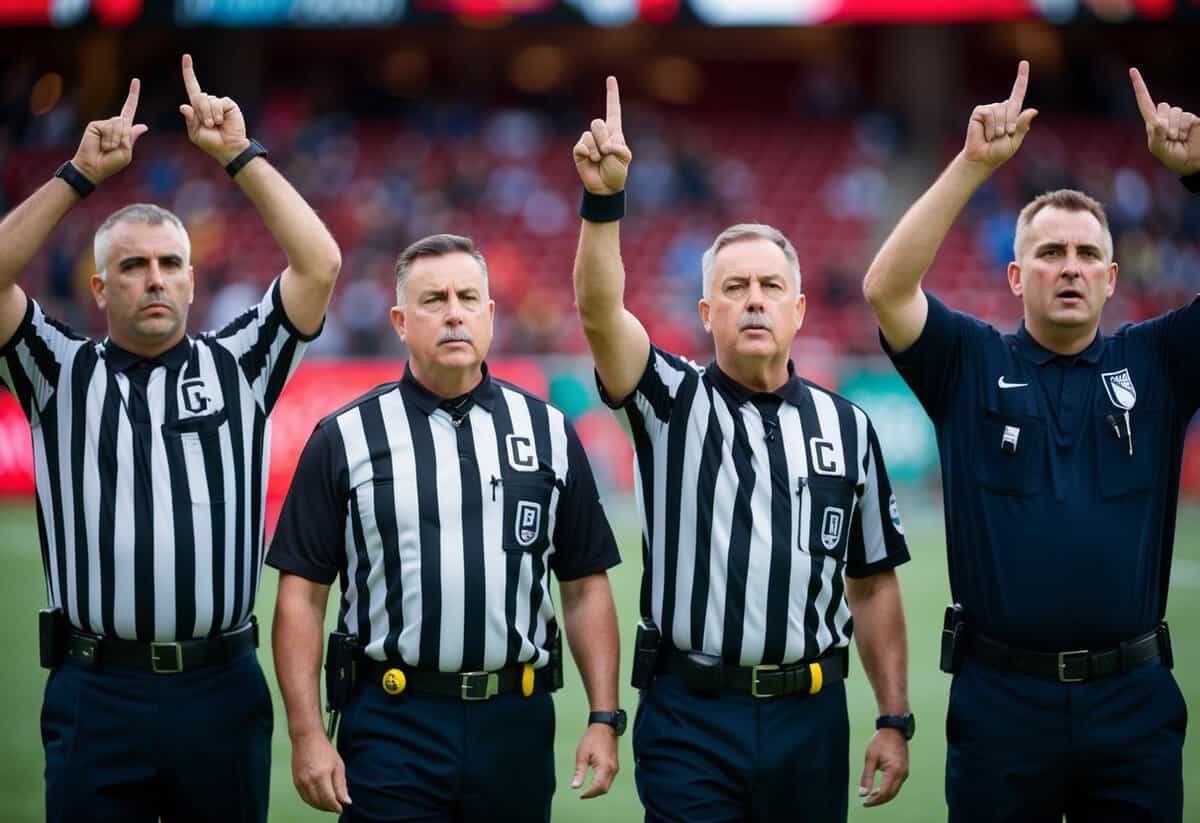
Understanding these officiating styles can enhance your appreciation of sports. Whether you’re a player, coach, or fan, the way officials manage a game plays a vital role in keeping it fair and enjoyable. As we explore each style, you’ll discover how different approaches can lead to various experiences in the game.
Get ready to dive into the world of sports officiating and learn how each style influences not just the game, but the athletes and everyone involved. You’ll gain insights that might just change how you view sports in general.
Understanding Officiating in Sports
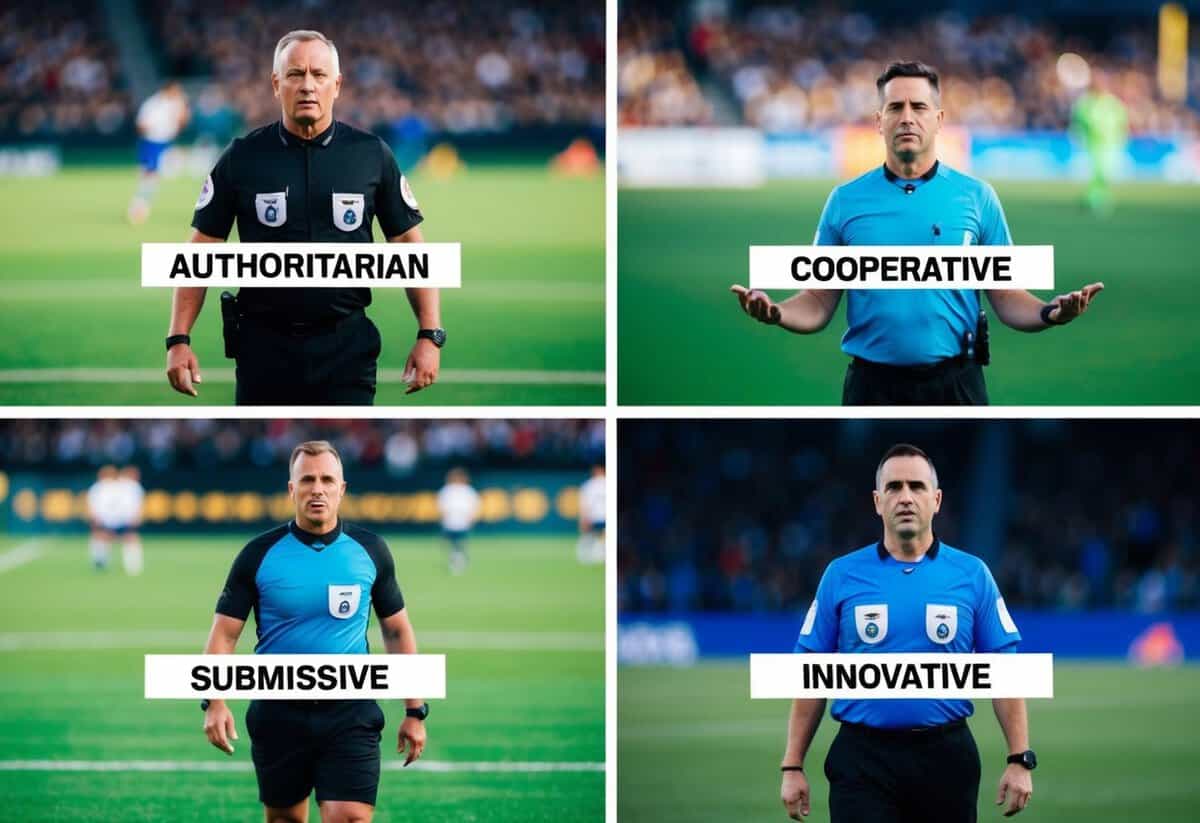
Officiating plays a crucial role in maintaining fairness and enforcing the rules during competitions. This section covers the specific duties of officials and how their actions influence sportsmanship and fair play.
Role and Responsibilities of an Official
As an official, you have significant responsibilities. Your main job is to enforce the rules of the game, ensuring that all players follow them. This requires a thorough knowledge of the game and understanding human nature to make fair decisions.
You are responsible for observing gameplay and identifying infractions. This can include calling fouls, penalties, or violations. Your ability to stay impartial is essential for maintaining the integrity of the sport.
In addition to calling plays, you also help maintain a safe environment. You ensure that players are protected from harm while playing. Your role goes beyond just being a rule enforcer; you are also a leader who sets examples of sportsmanship.
The Impact of Officiating on Sportsmanship and Fair Play
Your decisions as an official directly affect sportsmanship and fair play among athletes. By being consistent and fair, you promote respect between players. This fosters a positive atmosphere, encouraging athletes to compete honorably.
Good officiating encourages players to accept mistakes. When you handle calls with integrity, it reinforces the idea that the game is about fair competition. This can help reduce tensions and conflicts during intense moments in a match.
Furthermore, your conduct can influence how players behave on and off the field. By demonstrating fairness, you inspire athletes to adopt similar values. This can lead to a more respectful sporting culture, benefiting everyone involved.
Styles of Officiating Explained
When it comes to officiating sports, understanding the different styles is essential. Each style has its unique approach and can affect how you manage a game. Here’s a detailed look at the four main styles of officiating.
Rule Book Style
In the Rule Book Style, you focus on strict adherence to the official rules of the game. This style requires a deep understanding of the rulebook and the ability to apply those rules consistently. You make decisions based on the rules without much room for interpretation or flexibility.
This style is vital for maintaining fairness, as players know what to expect. It demands motivation and courage, especially when calling fouls or infractions. You aim for consistency, which helps build trust among players and coaches. This approach can sometimes lead to tensions if players feel the rules are being enforced too rigidly.
Preventive Style
The Preventive Style emphasizes proactive measures to avoid issues before they arise. As an official, you look for potential problems and address them before they escalate. This might mean reminding players about sportsmanship or stating expectations at the start of the game.
Using this style helps create a positive environment, encouraging fair play among participants. You employ decision-making skills to judge situations effectively. Being assertive and clear in your communication is essential for this style. It allows you to enforce rules while building rapport with players and coaches.
Advantage or Disadvantage Style
With the Advantage or Disadvantage Style, you focus on the game’s flow and context. Instead of calling every minor infraction, you consider whether a call gives one team an unfair advantage. This style requires keen observation and sound judgment.
You need to make quick decisions, which demands decisiveness. Players appreciate this approach, as it promotes an enjoyable and competitive atmosphere. Balancing the need for fairness with the spirit of the game is crucial here. This style is effective when fostering a sense of sportsmanship and camaraderie.
Laissez-Faire Style
The Laissez-Faire Style lets the game unfold without too much interference. You adopt a hands-off approach, allowing players to regulate themselves. This style can work well in less competitive contexts where players adhere to informal agreements.
While this style encourages independence, it also requires you to step in when serious issues arise. You must be able to gauge when the equilibrium is disturbed. This style provides a unique challenge for maintaining fairness while trusting players. Keeping your decision-making skills sharp is essential to balance control and freedom during the game.
The Skill Set for Effective Officiating
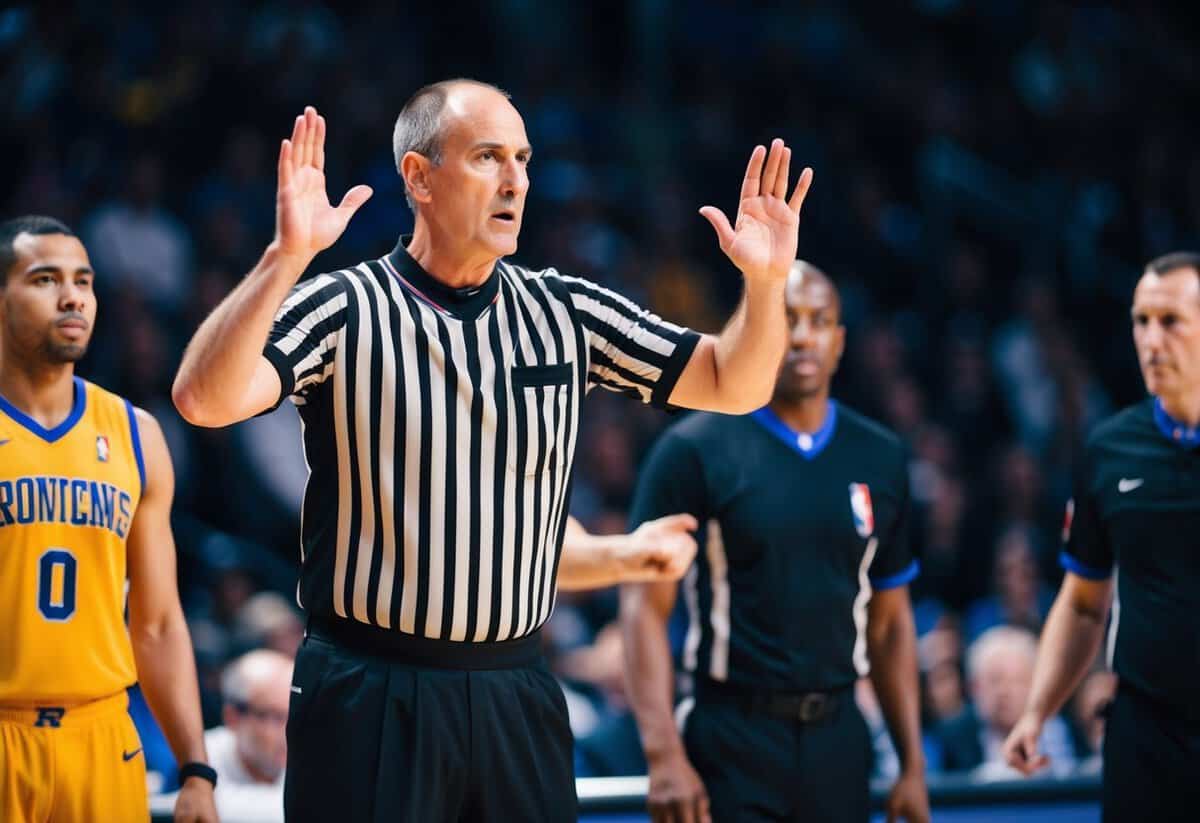
Effective officiating requires a unique set of skills. You must combine knowledge of the game with strong communication. You also need personal characteristics that promote fairness and authority. Here’s what you should focus on to become an effective official.
Mastering the Rules and Decision Making
Understanding the rules of the game is the foundation of your role. You should have a thorough knowledge of each rule, as well as how to apply them during various situations. This mastery helps you make quick and accurate decisions.
Your decision-making process must be clear and confident. Players, coaches, and fans look to you for guidance. By staying calm and composed, you can control situations effectively. Remember, being decisive builds trust in your authority and enhances your reputation as a competent official.
Communication and Conflict Management
Strong communication skills are essential in officiating. You must clearly explain your decisions to players and coaches. Use body language to reinforce your message, showing confidence and authority. An open posture and steady eye contact can also help convey your commands effectively.
When conflicts arise, manage them with humility and patience. Listen to concerns without being defensive. Address issues calmly, and don’t hesitate to use your authority if necessary. Effective conflict management keeps the game fair and enjoyable for everyone involved.
Personal Characteristics of a Competent Official
Your personal characteristics significantly impact your effectiveness on the field. Humility is key; it allows you to learn from mistakes and maintain good relationships with players and coaches. Consistency in your calls will help establish trust and respect.
Additionally, hustle is important. Being active and present during the game demonstrates your commitment. Players respect officials who show they care about the game. Ultimately, developing these traits can enhance your effectiveness and create a positive game environment.
Maintaining Safety and Fairness in Officiating
In officiating, safety and fairness are crucial components. You need to ensure that athletes play in a safe environment while maintaining a fair game. This balance is key to fostering respect and sportsmanship among players.
Ensuring Athlete Safety Through Vigilant Officiating
As a referee or umpire, your main job is to keep athletes safe. This means staying alert and recognizing situations that could lead to injuries.
Key safety measures include:
- Enforcing rules that prevent dangerous plays.
- Issuing penalties for technical violations that could harm athletes.
- Being aware of players’ physical and emotional status, especially during intense moments.
When you maintain a watchful eye, you create a safer space for everyone involved. Your focus on safety can significantly reduce the risk of injuries while promoting a positive playing atmosphere.
Balancing Fairness and Control in the Game
Fair play is essential in sports, and you play a vital role in ensuring it. You help maintain control over the game by enforcing the rules impartially.
Important aspects of fairness include:
- Ensuring consistent application of rules for all players.
- Communicating decisions clearly to avoid misunderstandings.
- Building a rapport with players while holding them accountable.
When athletes see you prioritizing fairness, they are more likely to respect the game and each other. Striking this balance helps everyone focus on performance rather than disputes.