
What Are the Girls on the Front of Ships Called? Explore the Meaning Behind Figureheads
When you look at the front of a ship, you might notice an interesting figure. The girls on the front of ships are typically called figureheads. These wooden carvings have a long history in maritime tradition. They are often designed to reflect the ship’s name or purpose.
They serve not only as decorations but also as a way to personify the vessel, giving it a unique identity.
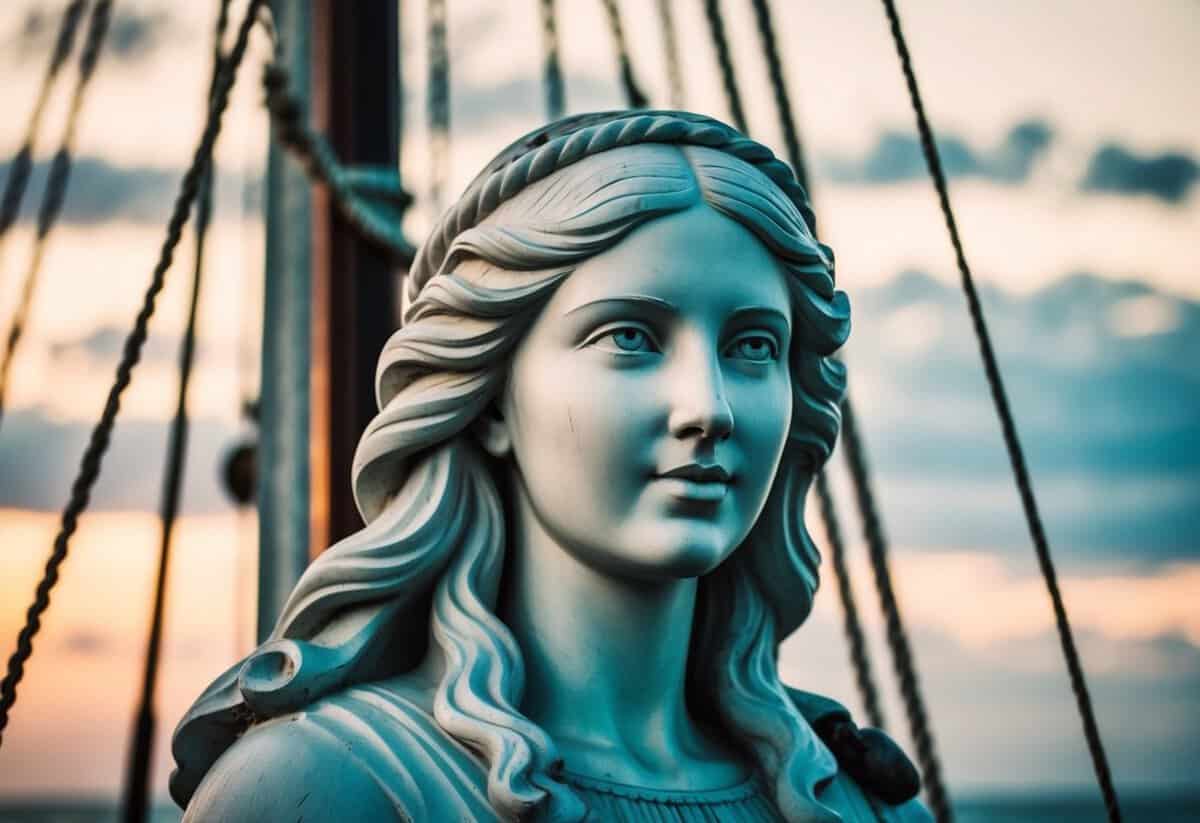
Figureheads have been used for centuries, symbolizing protection and good fortune for sailors. In many cultures, these representations were believed to ward off dangers and bring favorable winds.
As you explore the world of maritime history, you’ll find that these carvings tell fascinating stories about the ships and those who sailed them.
Today, figureheads are seen as a relic of the past, yet they remain a captivating part of nautical lore. Understanding their significance can deepen your appreciation for ships and the traditions that have shaped seafaring culture over the years.
The Art of Figureheads
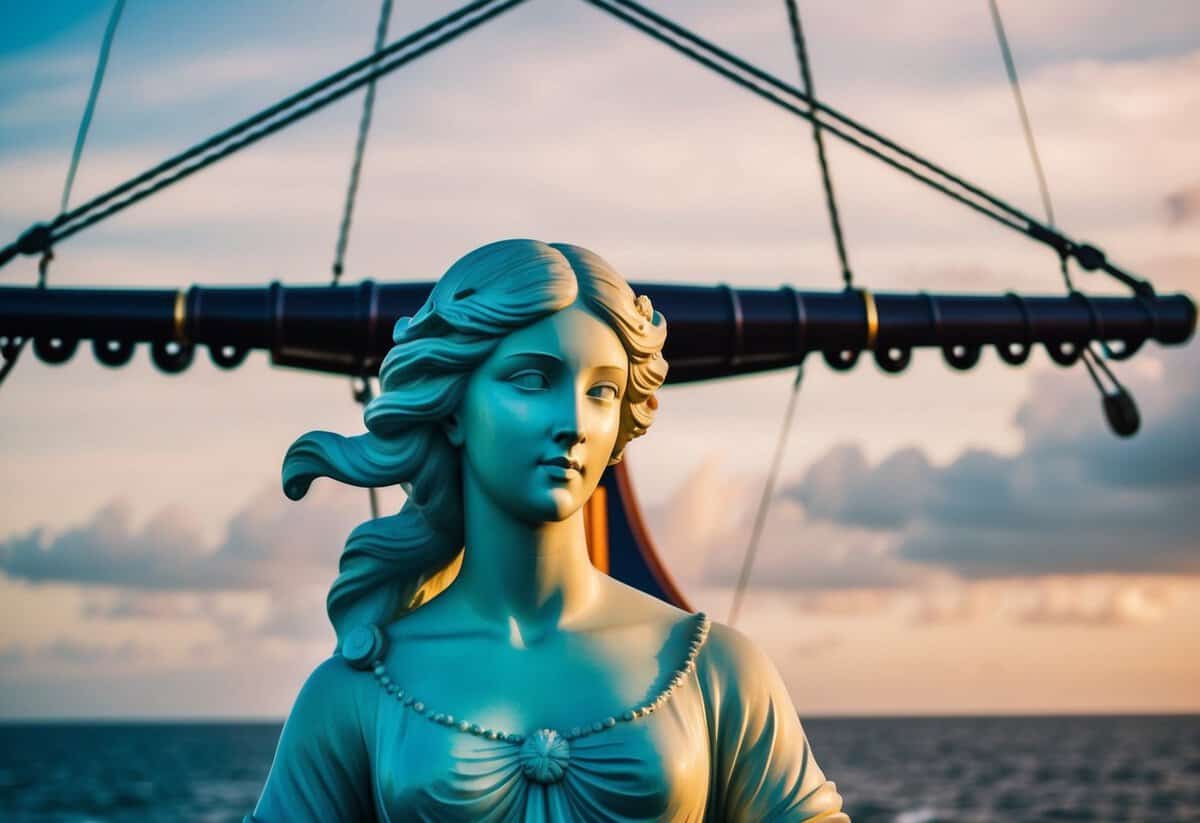
Figureheads, often found on the front of ships, are more than just decorations. They play a significant role in maritime history, serving as symbols of protection and power. You’ll discover the fascinating origins of these creations and the meanings behind their designs.
Historical Significance and Origins
Figureheads date back to ancient times. Egyptians used carvings to honor gods and protect their vessels. Romans followed suit, often featuring fierce creatures or deities.
The tradition evolved during the Age of Sail, when nations like Britain favored female figureheads. These often represented goddesses, such as Athena or Britannia. A famous example is the Cutty Sark, which features a beautiful figurehead that captures sailors’ hopes and dreams.
This artistic practice blended maritime lore with craftsmanship. Sailors believed these carvings held protective power, guiding them safely through storms and rough seas.
Design and Symbolism
The designs of figureheads vary widely. You might see mermaids, dragons, or mythological figures. Each choice has deep meaning. For instance, mermaids symbolize allure and protection, while dragons reflect strength and courage.
Often, figureheads were adorned with vibrant colors and intricate details. They were crafted to reflect the ship’s name or purpose, adding a personal touch.
Female figures were especially popular, embodying the spirit of the ship. Each figurehead was treated with respect, seen as a guardian during voyages. By connecting you to maritime tradition, these symbols help you appreciate the rich history of sailing ships.
Linguistic and Cultural Perspectives
Maritime language is rich with tradition, particularly in how it relates to ships and gender. This section explores how female pronouns are used in maritime terminology and the significance behind naming ceremonies in nautical culture.
Gendered Language in Maritime Terminology
In maritime culture, ships are often referred to using female pronouns such as “she” and “her.” This tradition goes back centuries and reflects a deep connection between sailors and their vessels.
Many believe this personification stems from history, where ships were seen as protectors and companions at sea. In romance languages, the Latin word for ship, navis, is feminine, influencing how ships are viewed.
The use of gendered terms adds a personal touch to maritime language. Calling a ship “she” embodies affection and respect for the vessel, suggesting it possesses a spirit or life of its own. This practice highlights the power dynamics in maritime tradition and the way sailors relate to the challenges of the sea.
Naming Ceremonies and Superstitions
Naming ceremonies are significant in the maritime world. These events often involve rituals intended to bring good fortune to the ship and its crew. Traditionally, a ship’s name holds power and is believed to protect it during voyages.
Superstitions are common in these ceremonies. For example, breaking a bottle of champagne on the hull is thought to bless the vessel. In Greek mythology, the Sirens were female figures associated with the sea, further intertwining femininity with maritime culture.
Sailors often believe that naming a ship carries weight, and some refuse to change a vessel’s name due to fears that it could bring bad luck. This shows how deeply rooted these beliefs are, reflecting the ongoing relationship between ships and the sea.
Modern Maritime Practice
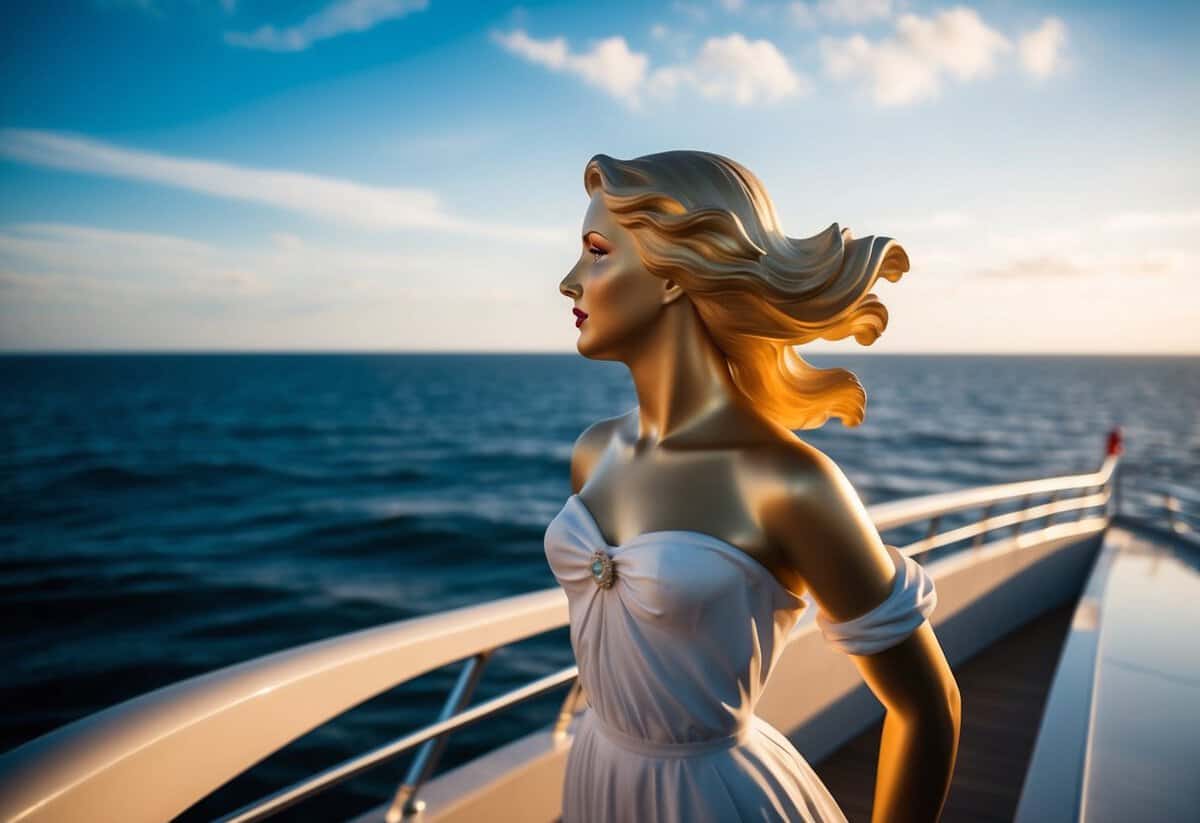
As you explore how ships are seen today, you’ll notice the evolution of traditions surrounding figureheads. These practices reflect maritime history and continue to shape the language used in modern shipping.
Transition Through Ages
Ship figureheads have a long history, often personifying the vessel with female or mythical representations. In ancient times, these figures protected sailors and were thought to guide ships safely home.
As ships evolved from wooden sailing vessels like the tea clipper to modern steel cruisers, the tradition of using figureheads began to fade. Despite this, many luxury ships like the Queen Mary showcase these historical designs, linking the past to the present. This connection revives maritime terminology that refers to ships as “she,” which often sparks debate among maritime enthusiasts and historians.
Figureheads in Contemporary Vessels
In contemporary maritime practice, commercial vessels are less likely to have figureheads. However, some ships still embrace this tradition as a nod to their rich history.
For instance, the Bismarck featured a striking figurehead that signified power and resilience.
Modern cruise ships may not have traditional figureheads, but their names and designs often evoke a sense of personification. This reflects the long-standing bond between sailors and their ships.
Lloyd’s Register oversees ship safety standards. They acknowledge the historical significance of figureheads while prioritizing modern safety and efficiency.
The practice of personifying ships continues to stir interest and conversation within the maritime community.