
What Are the Groom’s Parents Responsible for Traditionally? Understanding Their Role in Wedding Planning
When planning a wedding, it can be helpful for you to know the traditional roles in your families. The groom’s parents have specific responsibilities that can ease the financial burden and help bring joy to the celebration. Traditionally, the groom’s family is expected to cover costs like the rehearsal dinner, honeymoon, and sometimes even the alcohol at the reception.
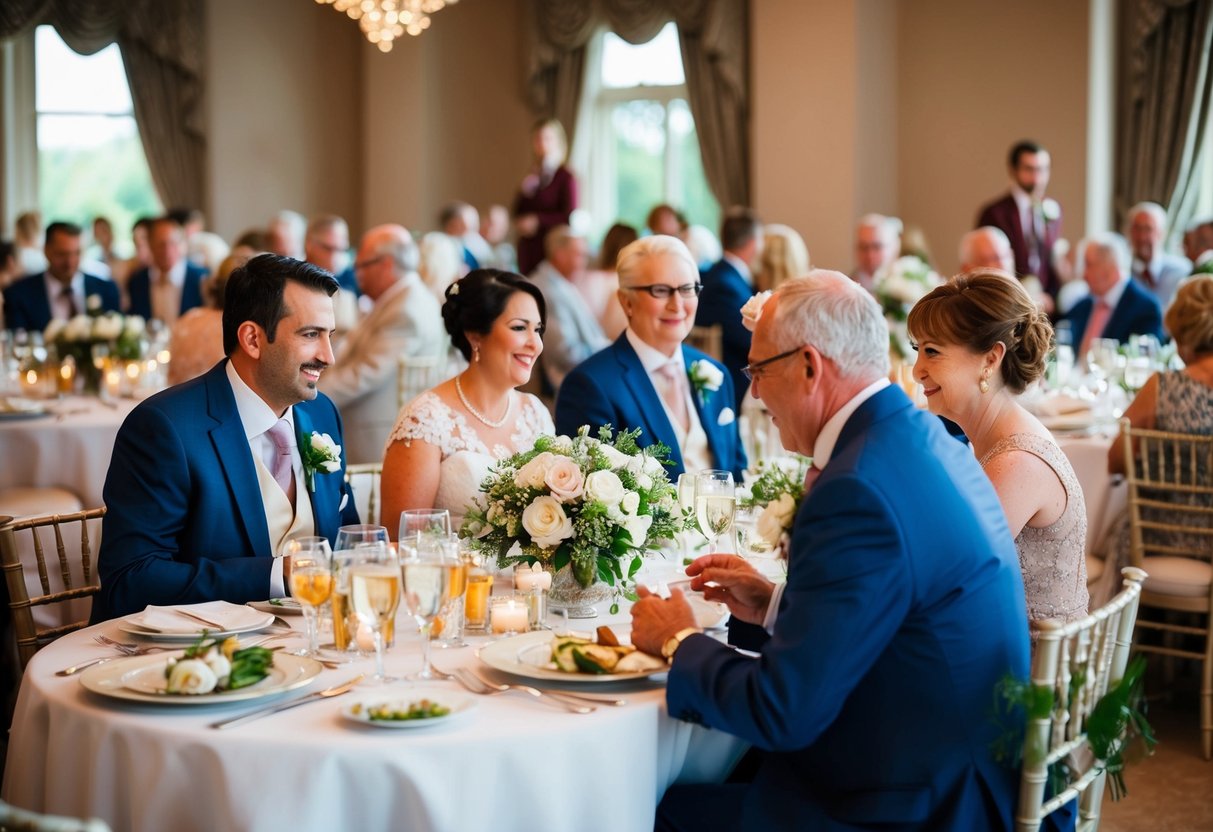
Understanding what the groom’s parents are responsible for can make discussions about wedding plans much smoother. By knowing their roles, you can communicate openly and ensure everyone is on the same page. This knowledge also helps set expectations, so there are no surprises as the big day approaches.
As you explore these traditional responsibilities, consider how they might fit in with your own plans. Being aware of these customs can help you create a memorable day while honoring family traditions.
Roles and Responsibilities Of the Groom’s Parents

The groom’s parents play a key role in the wedding planning process. They often handle both financial contributions and important tasks to support the couple as they prepare for their big day.
Financial Contributions and Wedding Expenses
Traditionally, the groom’s parents have specific financial responsibilities related to the wedding. They generally cover costs for the rehearsal dinner, which is an intimate gathering the night before the wedding.
They may also help with wedding-related expenses such as the bridal party gifts and possibly the transportation for family members. In some cases, they might contribute to the wedding rings. Understanding who pays for what can reduce confusion and align expectations.
Make sure to discuss these details early to ensure a smooth planning process.
Wedding Planning and Pre-Wedding Events
In addition to financial duties, the groom’s parents often take an active role in planning pre-wedding events. This includes hosting the rehearsal dinner, which is an opportunity for both families to meet and bond.
They might also help organize the engagement party if that’s part of your family traditions. Planning these events is a great way for both families to come together and celebrate the couple. It sets the tone for the wedding and fosters connections among guests.
Make sure to involve them in discussions about the guest list and logistics, as their input can be valuable.
Attire and Presentation On the Wedding Day
On the wedding day, the groom’s parents have responsibilities related to their attire and presentation. Traditionally, they dress in a way that matches the formality of the wedding.
It’s important for them to coordinate with the couple about what to wear. This can include choosing colors or styles that harmonize with the wedding’s theme.
Their appearance is often a reflection of family values and supports the overall aesthetic of the event. Encourage them to feel confident and comfortable in their outfits, as their role is as important as any other in making the day special.
Specific Contributions to the Wedding
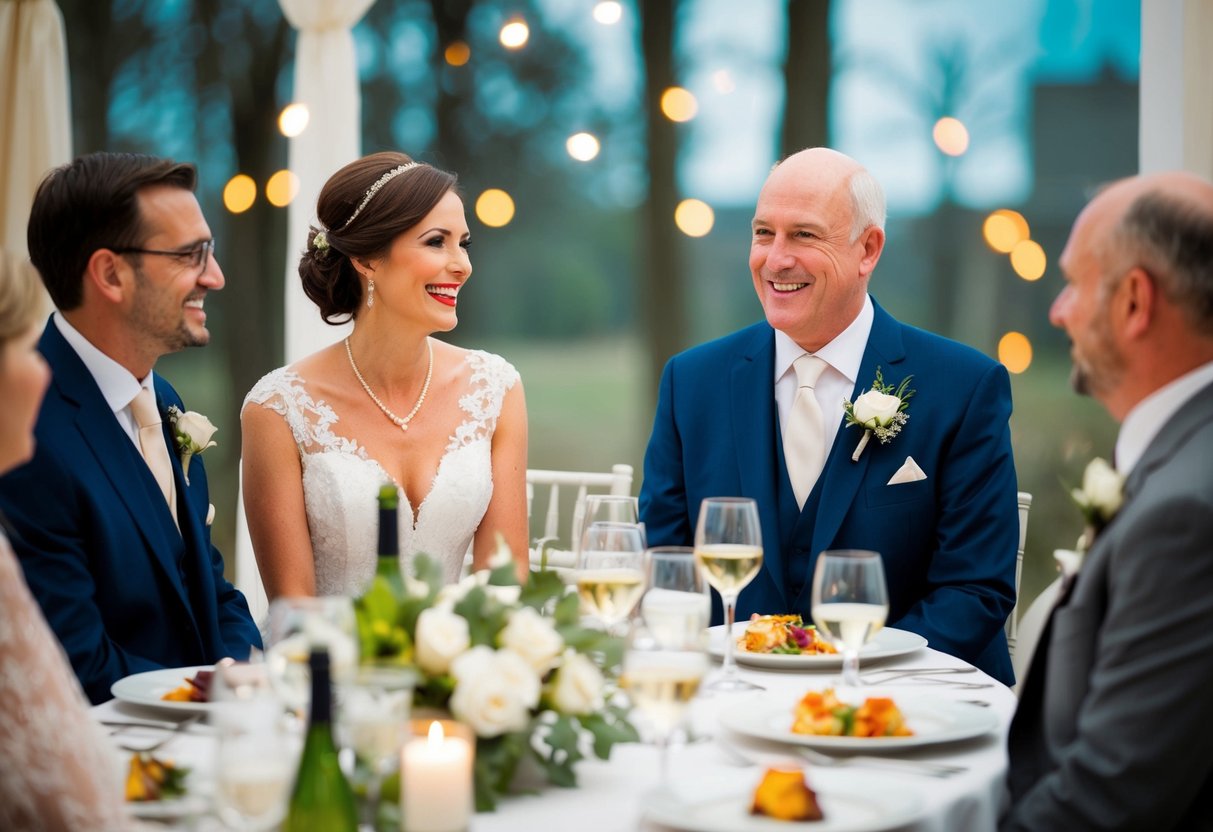
The groom’s parents have several important roles in planning the wedding. From hosting events to managing details, their contributions can help set the tone for the celebration.
Hosting Rehearsal Dinner and Welcome Party
One of the main responsibilities of the groom’s parents is hosting the rehearsal dinner. This dinner usually takes place the night before the wedding. It offers an opportunity for the couple’s families and friends to get to know each other better before the big day.
In addition to the rehearsal dinner, you might also host a welcome party. This is a great way to greet out-of-town guests and make them feel included. It often features casual food and drinks, allowing everyone to relax and enjoy some time together.
Wedding Gifts and Heirlooms
Groom’s parents often contribute by selecting meaningful wedding gifts. These gifts can include anything from cash to special items that hold sentimental value. Family heirlooms, such as jewelry or keepsakes, are also popular choices. Such gifts can symbolize the joining of two families and carry significant meaning.
A thoughtful gesture can be providing a family heirloom that may be passed down to future generations. This adds a special touch to the wedding day and honors family traditions.
Managing the Guest List and Reception Details
Your parents may assist in managing the guest list. This task involves making sure everyone is invited and accounted for. It can be particularly helpful to keep track of RSVPs and dietary restrictions.
Additionally, they may contribute to details of the reception, such as arranging entertainment and deciding on the alcohol selection. Providing the bar with a range of options can enhance the celebration. They may also help in choosing music or entertainment that fits the couple’s style.
These contributions play a vital role in shaping the wedding experience for everyone involved.
Ceremony Participation and Etiquette
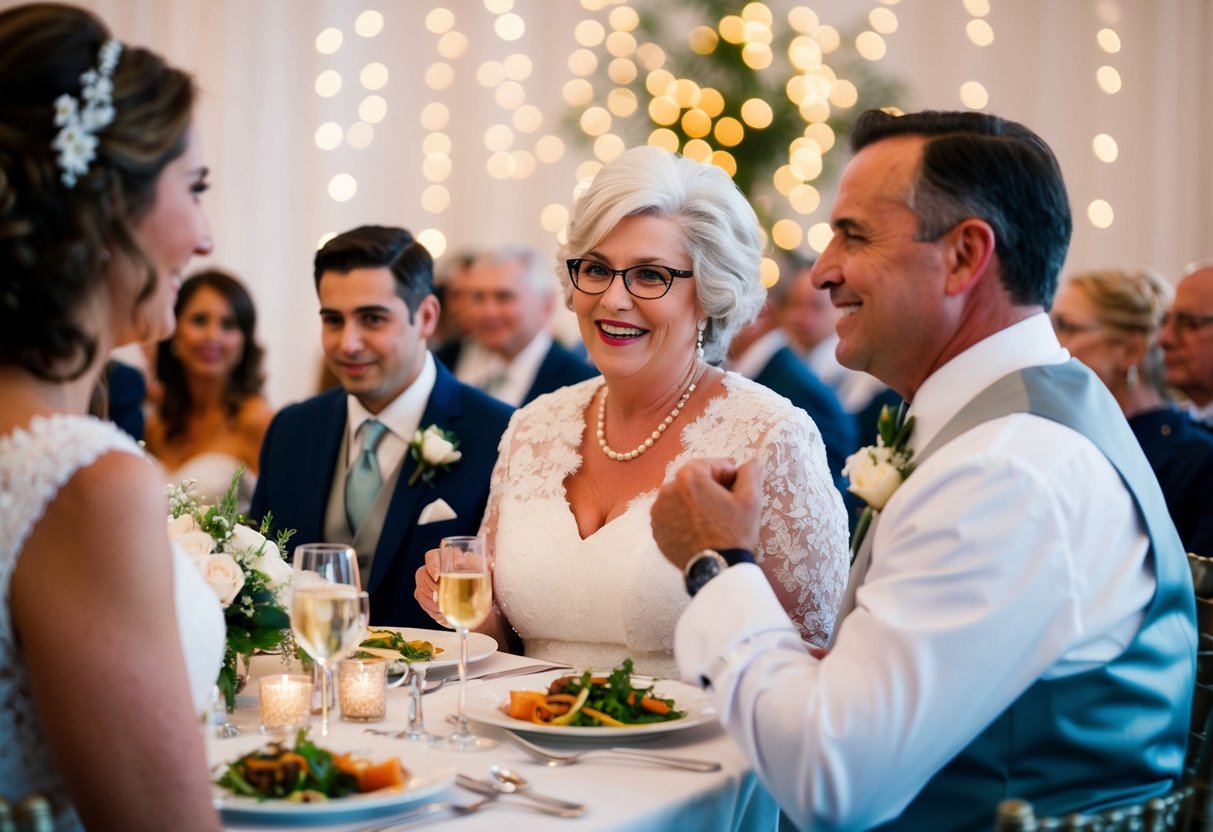
During the wedding ceremony, the parents of the groom have important roles that help set the tone for the day. They also take part in several traditions that enhance the experience for everyone involved.
Roles During the Ceremony
As the father of the groom, you usually have a special part to play. You might escort your son to the front, showing your support. If you’re the mother of the groom, you often walk down the aisle, which marks your presence at this significant event.
Your responsibilities sometimes include handling details like the marriage license and the officiant’s fee. It’s a good idea to discuss who pays for what with your partner’s parents early on. Consider contributing to both ceremony and reception preparations.
You may also participate in the processional, walking down the aisle just before the bride. This is a moment filled with pride, symbolizing your support for the couple.
Post-Ceremony Traditions
After the ceremony, families often gather for a receiving line. This tradition allows you to greet guests and thank them for coming. As the parents of the groom, you play a vital role in making everyone feel welcome.
Some couples also host a small reception immediately following the ceremony. You can help ensure everything runs smoothly. This includes greeting guests and helping with seating arrangements.
Being engaged in these moments helps honor your son’s new marriage and strengthens family bonds. Your active participation reflects your love and support for the newlyweds on their special day.