
What Are the Laws for Elopement in the UK? A Guide to Legal Considerations and Requirements
If you’re considering an elopement in the UK, you’re not alone. Many couples choose to celebrate their love in a more intimate setting, often with just a few close friends or family. In the UK, you can legally elope as long as you meet certain requirements. For example, you need to be over 18 and have the ceremony at an Approved Premises or a Registry Office.

Planning to elope can feel exciting and daunting at the same time. Knowing the laws surrounding elopement will help you navigate the legal side of your intimate wedding. You can find beautiful venues and make your special day truly unique while following the necessary guidelines.
As you think about your elopement plans, understanding these laws will ensure a smooth and memorable celebration. From the legal requirements to choosing the perfect location, you can make your dream elopement in the UK a reality.
Understanding Elopement

Elopement has become a popular choice for many couples seeking a more personal way to celebrate their love. This section will help you understand what elopement really means, why couples opt for it, and how it differs from a traditional wedding.
Defining Elopement
Elopement generally refers to a private wedding ceremony where just a few people, often only the couple and possibly a witness, are present. Unlike larger weddings, elopements are typically spontaneous and may not follow traditional planning rituals. Many define eloping as tying the knot without the fuss that often accompanies bigger ceremonies. You can choose a beautiful location, whether it’s a scenic park or a beach at sunset, making it uniquely yours.
Reasons Couples Choose to Elope
There are many reasons why couples decide to elope. One major reason is intimacy. Celebrating with a small group helps create a personal and meaningful experience. Costs also play a role; elopements generally require less spending than traditional weddings. Some couples might feel overwhelmed by the pressure of planning a large event and prefer the simplicity of an elopement. Additionally, the desire for a romantic getaway adds to the appeal. You may wish to escape to a dream location and combine your wedding with a honeymoon.
Elopement vs. Traditional Wedding
Elopements stand in contrast to traditional weddings in several ways. A traditional wedding often involves a significant guest list, elaborate décor, and extensive planning. In contrast, eloping focuses on your love and commitment without the complexities of larger events. For many, this translates to less stress and more enjoyment on their special day.
Your celebration can take place in stunning locations, like a mountain top or a cozy beach. Traditional weddings may also follow cultural norms and rituals, while elopements allow freedom to personalize your ceremony. Ultimately, choosing between elopement and a traditional wedding depends on what feels right for you.
Legal Essentials for UK Elopements
When planning an elopement in the UK, understanding the legal requirements is essential. You need to be aware of the marriage laws, necessary documents, the process at the registry office, and the role of witnesses. Here’s what you need to know to ensure your elopement goes smoothly.
Marriage Laws and Requirements
In the UK, you must comply with specific marriage laws to legally marry. First, you need to be at least 16 years old in England and Wales, and 18 in Scotland and Northern Ireland. It’s important to understand that you cannot get married if you are closely related to your partner.
Both parties must give notice of marriage at your local registry office. This notice should be done at least 28 days before your ceremony. It will involve a short interview, and you may need to provide proof of your identity and address. You must ensure that your ceremony is conducted in a place that is legally recognized for marriages.
Documents and Identification
Before your elopement, make sure you have the proper documents. You will need a valid passport or a birth certificate to prove your identity. If either of you has been married before, you should provide the decree absolute or death certificate of your previous spouse.
Make it a point to check the specific requirements with your local registry office, as they can vary. Some registries may ask for additional documents, such as proof of your address, so it’s better to be prepared well in advance. Remember, having the right paperwork is crucial to avoid any last-minute hiccups on your special day.
Registry Office and Notice Period
To marry legally, you need to book a date with the registry office in your area. This is where you will give your notice. The notice must be displayed publicly, allowing any objections to be raised. The notice period is typically 28 days, so plan accordingly.
During your visit, you and your partner will be asked questions about your relationship to confirm the details are correct. Most registry offices can accommodate small ceremonies, making them perfect for an elopement. It’s a good idea to check if your chosen date fits your timeline for having everything in order.
Witnesses and Celebrants
In the UK, you must have at least two witnesses present at your ceremony. These witnesses need to be over 18 and should be able to understand what the ceremony involves. You can invite friends or family members to fulfill this role.
Choosing a celebrant can personalize your elopement further. A humanist celebrant offers a flexible non-religious ceremony, while a religious celebrant can help if you want a faith-based service. It’s essential to discuss your wishes and ensure they can meet your needs before the big day.
Planning Your Elopement in the UK
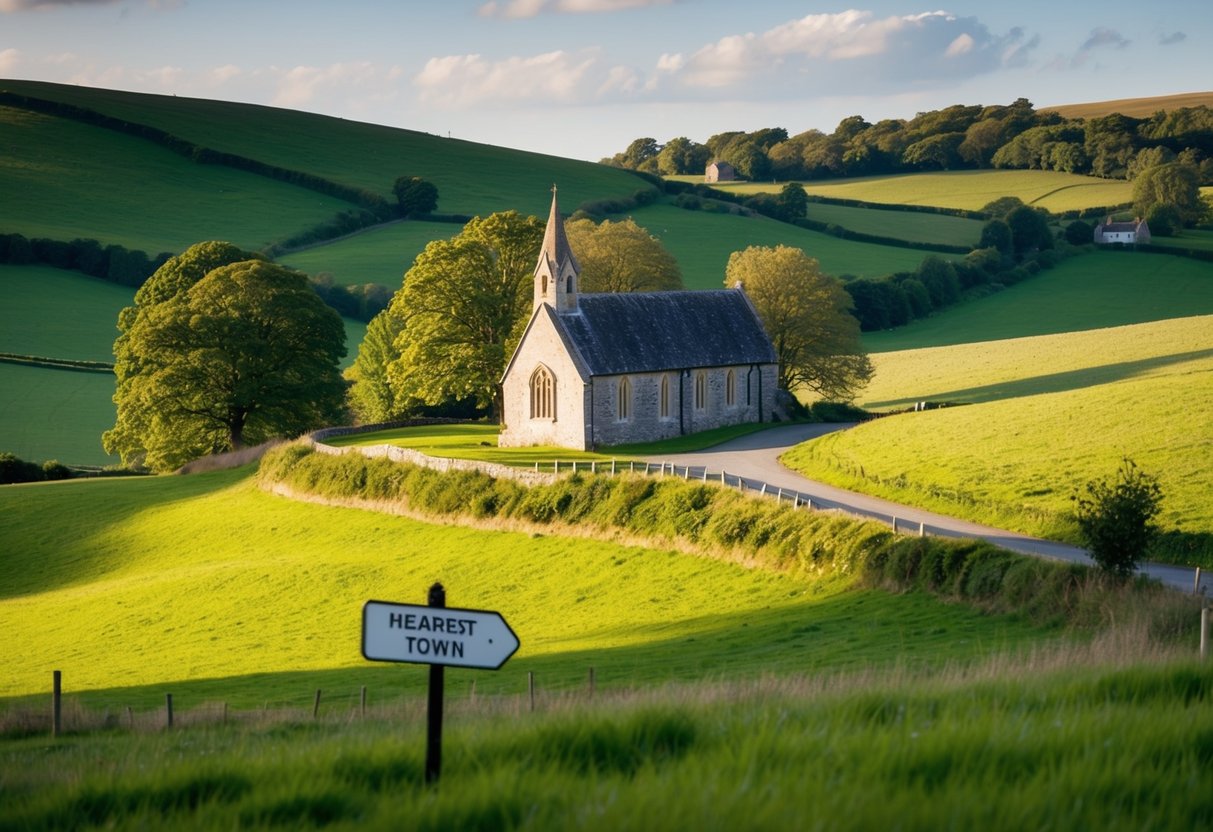
When planning your elopement in the UK, consider important factors like location, personalization, and symbolic elements. Taking the time to think about each will help create a meaningful experience for your special day.
Choosing the Perfect Location
Selecting the right venue is crucial for your elopement. The UK boasts stunning locations like the picturesque Isle of Skye, the romantic landscapes of Cornwall, and historic sites in Gretna Green. Each spot offers its own charm.
Think about whether you prefer a serene beach in Cornwall or a dramatic mountain backdrop on the Isle of Skye. If you’re considering a destination elopement, Gibraltar also presents unique options.
Research your chosen location’s legal requirements for elopement. Ensure you understand what is needed to have a recognized ceremony.
Personalizing Your Elopement Package
Personalization makes your elopement unique. Consider what elements will reflect your relationship. Work with local vendors who offer elopement packages tailored to small ceremonies.
These packages can include essentials like photography, floristry, and even officiants familiar with local laws.
You might want to add extras like a picnic spread or a small cake to celebrate. Choose elements that speak to you, creating a day that feels authentic and special.
Incorporating Symbolic Elements
Incorporating symbolic elements can make your elopement even more meaningful. Think about rituals that resonate with you, like a handfasting ceremony or writing your own vows.
You may also want to include personal items, like family heirlooms or your favorite flowers. These touches add depth and significance to the ceremony.
Don’t forget to consider how you will capture the moment. Whether through a video or beautiful photos, documenting your day is important to cherish these memories for years to come.
Post-Elopement Considerations
After you elope, there are key steps to take to manage your new status. You’ll need to announce your elopement, navigate family dynamics, and consider your honeymoon options. Each of these can significantly impact your experience, so it’s good to approach them thoughtfully.
Announcing Your Elopement
Once you’ve tied the knot, it’s time to share your exciting news with family and friends. Think about how you want to announce your elopement. You might choose a heartfelt message, a social media post, or even a creative video.
Be prepared for a mix of reactions. Some may be thrilled, while others might feel hurt or surprised. Make sure you find the right way to express your feelings. You could share photos from your elopement ceremony or highlight the special aspects of your intimate ceremony. This helps others understand your decision better.
Dealing with Family and Social Dynamics
Family dynamics can be complex, especially after an elopement. You might face questions or even disappointment. Planning a time to talk with your family can ease tension.
Set aside time to explain your choice. Share why you eloped and how happy you are. This conversation can help heal any rifts. Remember, good communication is key. Show that you value their feelings and are open to discussing it.
If you have a close friend or family member who supported your elopement, consider involving them in the discussions. They can help bridge any gaps and provide support as you navigate family politics.
Elopement and Honeymoon Destinations
Choosing a honeymoon destination after eloping can be exciting. You already had a private ceremony, so it’s time to think about somewhere special for your honeymoon.
Popular choices include romantic spots like Santorini or Cyprus, where you can enjoy stunning views and great weather. Las Vegas is also a fantastic option for its vibrant nightlife and unique attractions.
Make sure to book in advance, especially during peak seasons. You should also consider hiring an elopement photographer to capture your honeymoon memories. Creating new memories together in a beautiful setting can strengthen your bond after your elopement.