
What Are the Legal Wedding Vows in the UK? Understanding the Basics
When planning your wedding, understanding the legal requirements can feel overwhelming. In the UK, wedding vows are an essential part of the ceremony. The legal wedding vows you must say include a formal declaration and contracting vows. You can choose from options provided by your registrar. Knowing this will help you feel more prepared as you personalize your special day.
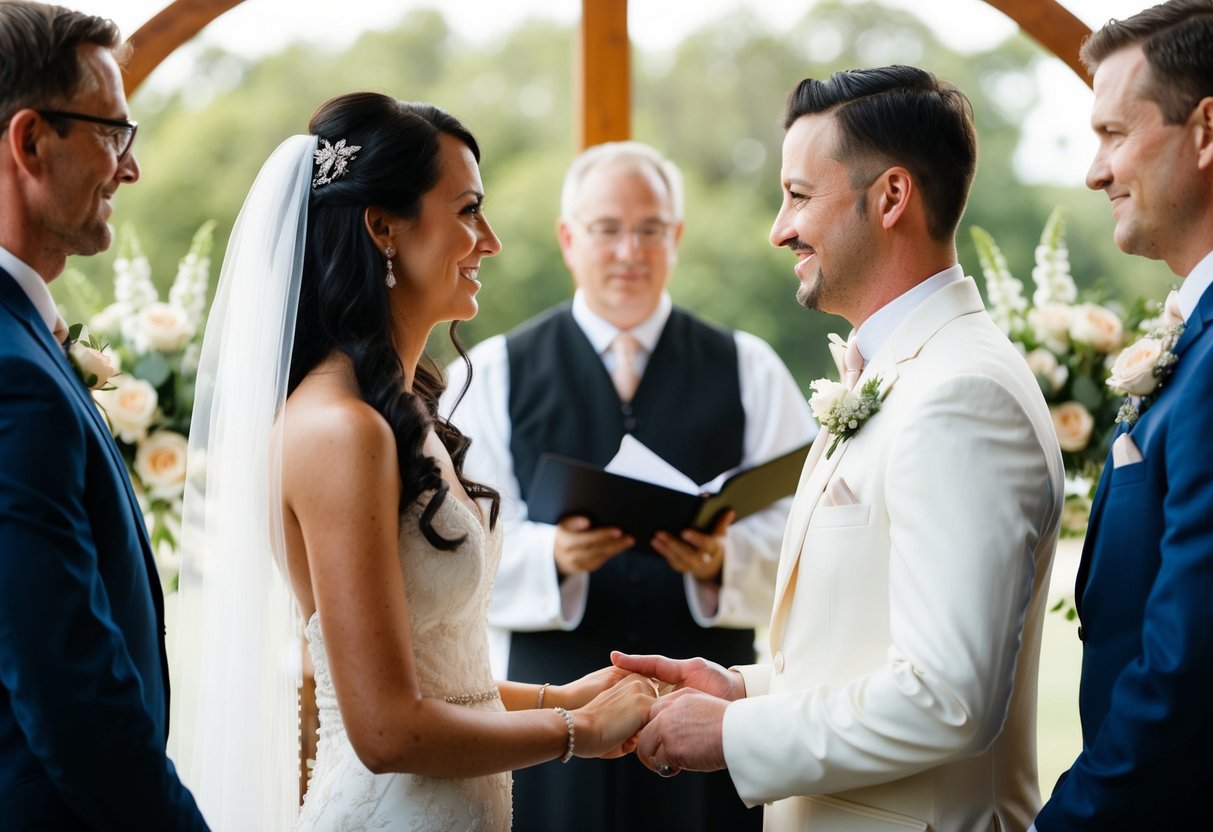
It’s important to remember that while certain words are mandatory, you have the freedom to include short, personal promises. These can add a personal touch to your ceremony, making it uniquely yours. Some couples find it meaningful to express their emotions through custom vows alongside the legal requirements.
As you navigate this exciting journey, getting familiar with the legal vows and guidelines can make all the difference. This way, you’ll ensure your ceremony is both compliant and reflective of your love story.
Understanding Legal Marriage Requirements in the UK

In the UK, legal marriage involves specific requirements and processes that must be followed. Understanding the role of the registrar, as well as the differences between civil partnerships and civil marriages, is essential for a smooth ceremony.
The Role of the Registrar
The registrar is a key part of any legal marriage in the UK. They are responsible for ensuring that the ceremony meets all legal requirements. Before your wedding, you need to give notice at your local register office. This lets the registrar know your intention to marry and checks for any lawful impediments that might prevent your marriage.
During the ceremony, the registrar will lead you through the legal declaration and the contracting vows. This part must be done in a specific way to comply with the law. You can also include personal vows, provided they do not have religious elements. Always consult your registrar for guidance on what is acceptable.
Civil Partnership vs Civil Marriage
Civil partnerships and civil marriages both offer legal recognition of your relationship, but they have some differences. A civil marriage is a traditional wedding ceremony, while a civil partnership is typically more modern and may lack some ceremonial elements.
In a civil marriage, you say a legal declaration and vows, which are required for the marriage to be recognized. In contrast, civil partnerships may include some personal touches, but they are bound by different legal requirements. The choice between the two depends on your preferences and beliefs. Both options provide legal rights and responsibilities, so consider what fits best for your relationship.
The Marriage Ceremony Structure
In a wedding ceremony, specific steps help formalize the union between you and your partner. Understanding these key elements will prepare you for what to expect on your special day.
Declaration and Contracting Words
The ceremony starts with the declaration and contracting words. Here, you will repeat essential phrases that make your marriage official. You must state your full names and confirm your intention to marry.
For example, you might say, “I declare that I know not of any lawful impediment why I, [Your Name], may not be joined in matrimony to [Partner’s Name].” This declaration is vital to the legal part of your wedding.
Next, you’ll exchange contracting words, which are promises to support and love each other. These could either be traditional wedding vows or personalized. Remember, these words must comply with legal requirements to ensure your marriage is recognized.
Exchanging Rings and Personalising Your Ceremony
After declaring your vows, the time comes for exchanging rings. This exchange symbolizes your commitment. Typically, you place the ring on your partner’s finger while saying a few meaningful words.
You have the freedom to add personal touches to your ceremony. This can include writing your own vows or incorporating readings that are significant to you. Personalizing your ceremony makes it truly yours.
Additionally, consider saying a few words about the significance of the rings. This adds depth to the moment and involves your guests in your love story. Remember to check with your registrar beforehand about what can be included to stay within legal guidelines.
Choosing Your Wedding Vows
When planning your wedding, choosing your vows is an important step. You can opt for standard legal vows or write your own personalized vows. Additionally, you can include readings, hymns, or prayers to make the ceremony even more special.
Standard Legal Vows Versus Personalized Vows
In the UK, couples have the option to use standard legal vows during their ceremony. These vows are straightforward and ensure that your marriage is legally recognized. You might hear traditional phrasing like, “I call upon these persons, here present, to witness that I (your full name) do take thee (partner’s full name) to be my lawful wedded wife/husband.”
On the flip side, you can also choose to write your own personal vows. This allows you to express your love and commitment in a way that feels genuine to you. Just remember to ensure that any personal vows complement the legal requirements, so your marriage remains valid. Many couples find that combining both standard and personal vows adds a meaningful touch to their ceremony.
Incorporating Readings, Hymns, and Prayers
You might want to include readings, hymns, or prayers in your wedding ceremony. These elements can add depth and emotion to your vows. Popular options include excerpts from literature, poetry, or even religious texts.
If you’re incorporating religious elements, consider hymns that resonate with your beliefs. This can create a spiritual atmosphere that reflects your values.
Additionally, many couples find that including a personal prayer or a meaningful reading makes the ceremony feel more intimate. Make sure to discuss these options with your officiant to ensure they fit within your ceremony’s structure. These additions can help create a heartfelt atmosphere that you and your guests will cherish.
Venues and Witnesses: Finalizing the Legalities
Finding the right venue and understanding the role of witnesses are important steps in ensuring your wedding is legally binding. Both aspects require careful attention to meet legal requirements, so let’s explore what you need to know.
Approved Venues and Religious Ceremonies
In the UK, you can choose from approved venues for your wedding. These can include hotels, community halls, and even some outdoor locations. Each venue must be licensed for marriage ceremonies.
If you prefer a religious ceremony, your chosen place of worship must also be registered for marriages. This gives you a meaningful backdrop for exchanging vows.
To book your preferred venue, contact the superintendent registrar in your area. They can help you with the necessary paperwork. Always check that the venue meets legal requirements and can accommodate witnesses.
Marriage Register and Marriage Certificate Essentials
After the ceremony, the marriage must be officially recorded in the marriage register. This is a legal document where all the details of your marriage are noted, including the names and addresses of the couple and witnesses.
You need at least two witnesses present during your ceremony to sign this register. Their signatures are crucial for making your marriage legally valid.
Once everything is recorded, you can apply for your marriage certificate. This document serves as proof of your marriage. It is often needed for name changes or when applying for spousal visas. Ensure you request it soon after your wedding to keep your documents in order.