
What Are the Legal Wedding Vows in the UK? Understanding Your Nuptial Commitments
When planning your wedding in the UK, you need to understand the legal wedding vows required for your ceremony. The legal wedding vows consist of a declaration and contracting vows that you must say during either a civil ceremony or a religious ceremony. Knowing the specifics can help you prepare and make your special day go smoothly.
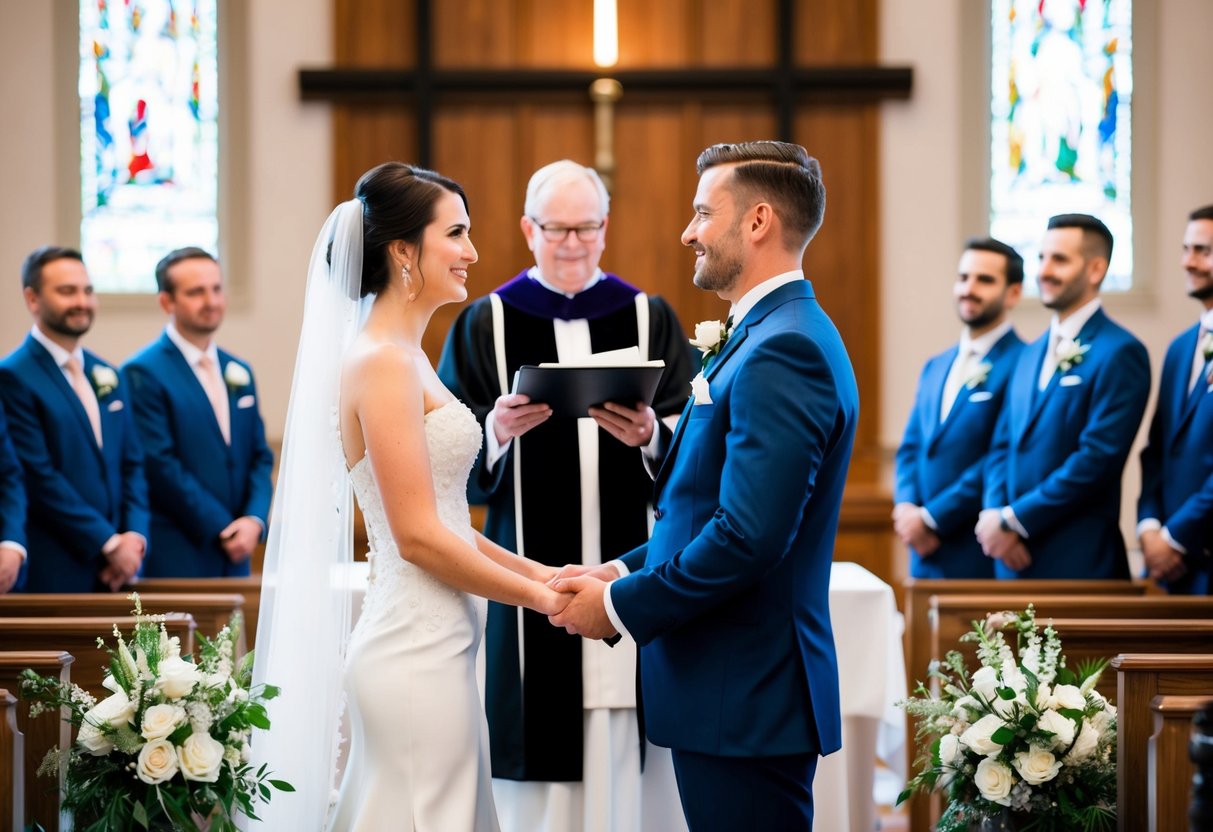
During a civil marriage or civil partnership, you will need to include these legal words to ensure your union is recognized by law. You can personalize your ceremony with additional vows and promises, but the legal component must be consistent for both partners.
If you are getting married in a religious setting, there may be particular requirements and variations based on the faith you choose. Understanding these vows will help you feel confident and informed as you embark on this exciting journey together.
Overview of UK Wedding Vows
In the UK, wedding vows carry significant legal and emotional weight. Understanding the different types of vows helps you navigate your wedding ceremony, whether it is civil or religious. Each type has unique requirements and symbols of commitment.
Legal Significance of Vows in Marriage
In a civil marriage, the vows you make are legally binding. These vows include a declaration and contracting words establishing your marriage. You need to say the correct phrases to be considered legally married.
For example, the declaration might include a statement like, “I do” in response to the registrar’s question about taking your partner as your lawful wedded spouse. The contracting vows outline your promises to each other. These legal wedding vows ensure you have a formal commitment recognized by the law.
Difference Between Civil and Religious Wedding Vows
Civil marriage vows focus on legal requirements. In contrast, religious wedding vows often blend spiritual and legal elements. In a civil ceremony, you must follow a standard set of vows that both partners repeat. This includes specific phrases you cannot change.
Religious wedding ceremonies allow for more personalization. You can incorporate traditional wedding vows while focusing on your beliefs. Some couples use religious vows that may include phrases emphasizing love and faith. Even with personal touches, the legal components remain necessary to ensure your marriage is recognized.
Legal Components of a Wedding Ceremony in the UK
In the UK, a wedding ceremony includes specific legal elements that are crucial for it to be recognized. Understanding these components will help you navigate your plans with confidence.
Contracting Words and Contracting Vows
During your wedding ceremony, you will need to exchange contracting words and contracting vows. These are essential elements that establish your legal commitment.
The contracting words usually include phrases like “I do” or similar statements that affirm your intention to marry. The registrar will guide you through this part.
You may also personalize your vows, but they must not have religious connotations. Check with your registrar ahead of time to ensure your wording is acceptable.
Legal Declaration and Lawful Impediment
The legal declaration is a statement you make to affirm there is no lawful impediment to your marriage. This means that you are both free to marry, which is a key requirement.
You will typically state that there is no reason preventing you from entering into this union, such as existing marriages or civil partnerships.
This step is vital, as it protects everyone involved and ensures that both parties enter the marriage willingly and legally.
Marriage Certificate and Marriage Register
After your ceremony, the marriage certificate is an important document you will receive. This certificate serves as legal proof of your marriage.
The registrar will complete a marriage register, which officially records your marriage details. It includes personal information such as names, dates, and signatures of witnesses.
Make sure all the information is correct before signing. You’ll need this certificate for various legal purposes in the future, like changing your name or applying for a spouse visa.
Customizing Your Wedding Ceremony
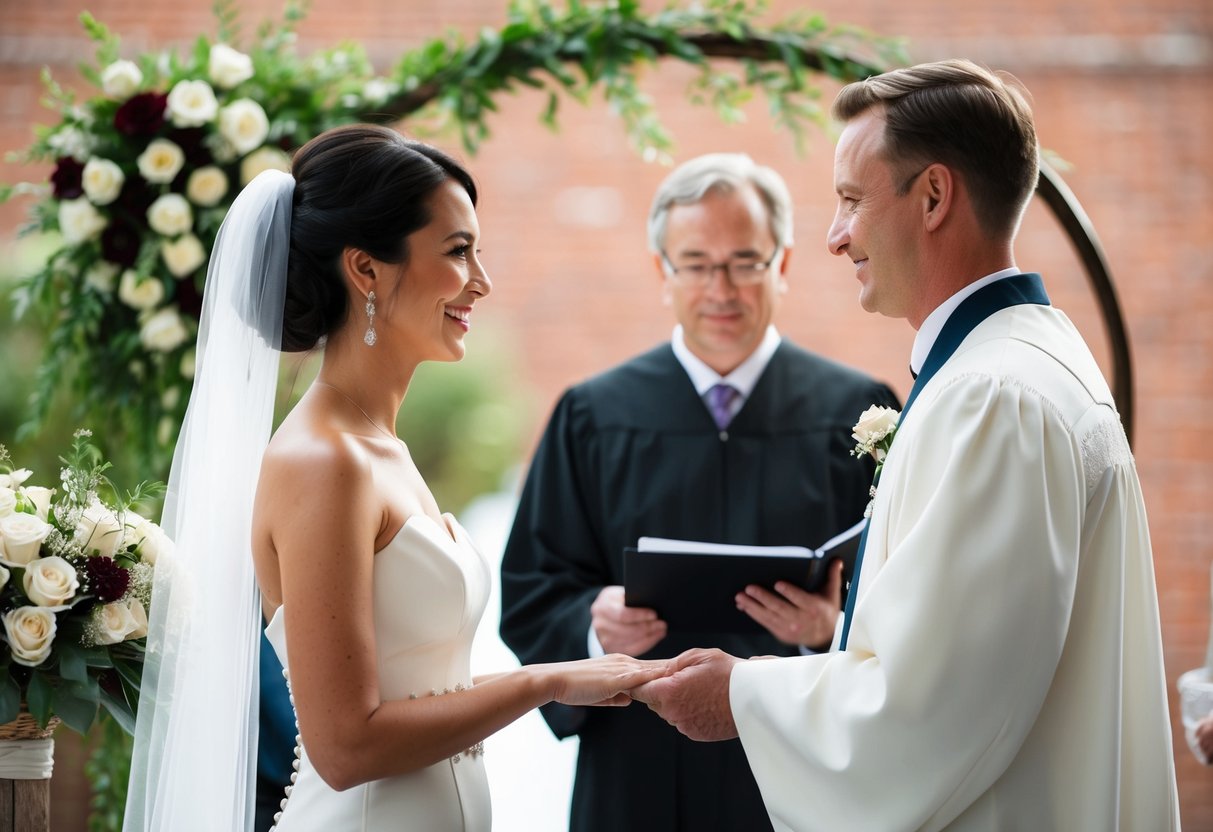
Your wedding ceremony is a special occasion that reflects your love and values. By personalizing your vows and incorporating meaningful readings or hymns, you can create a memorable experience that truly represents you as a couple.
Writing Your Own Vows
Writing your own vows can make your ceremony unique and heartfelt. Start by thinking about your relationship and what it means to you.
You can choose to share specific memories, express your love, or make promises for the future.
Aim to keep your vows around 1-2 minutes long when spoken. This will allow you the right balance of length and emotion.
It’s a good idea to write a draft and then practice saying it out loud. Make sure it flows well and captures your feelings.
If you want to include personal vows, discuss this with your officiant to ensure they fit within the legal framework of your ceremony.
Incorporating Readings, Hymns, and Prayers
Adding readings, hymns, or prayers can enhance the emotional depth of your ceremony.
You can choose passages from literature, poetry, or even personal letters that resonate with you.
Consider including selections that celebrate love or commitment. These can be read by family members or friends, adding a personal touch.
For those who enjoy music, incorporating special hymns can also deepen the experience. Choose songs that are meaningful to you both.
Finally, if you wish to include prayers, be mindful of the beliefs and comfort levels of your guests.
This can create a warm and inclusive atmosphere, making your ceremony even more special.
The Procedure for Marriage in the UK
Getting married in the UK involves several important steps. You need to give notice at your local register office, choose an approved venue, and understand the role of witnesses and the superintendent registrar. Here’s what you need to know.
Giving Notice at the Local Register Office
Before you can officially marry, you need to give notice. This is a formal declaration of your intent to marry or enter a civil partnership.
You must visit your local register office to do this. It’s best to book an appointment ahead of time.
You’ll both need to provide specific documents. These may include proof of identity and immigration status.
You must give notice at least 29 days before your ceremony. This period allows the registrar to check that there are no legal objections to your marriage.
Choosing an Approved Venue or Register Office
Next, you must choose a venue for your ceremony. This can be a registered building, such as a church, or a civil venue like a stately home.
If you prefer, you can hold your ceremony at a local register office.
Make sure your chosen venue is approved for marriages. You may need to check if it is registered for same-sex marriages if that applies to you.
Once you have selected a venue, confirm your booking.
Also, make sure it meets any necessary legal requirements.
Role of Witnesses and Superintendent Registrar
During your ceremony, you’ll need at least two witnesses. They must be over 16 years old and can be friends or family.
The witnesses will sign the marriage register, confirming they saw you exchange vows.
The superintendent registrar plays a vital role in the ceremony, especially in the legal aspects. They are responsible for ensuring that all legal requirements are met.
The superintendent registrar will guide you and the registrar during the ceremony, making sure everything runs smoothly.