
What Are the Minimum Wedding Vows in the UK? A Simple Guide for Couples
When planning your wedding, you need to understand the minimum wedding vows required in the UK. In a civil wedding ceremony, you must say a legal declaration and a set of contracting vows. You can choose the contracting vows from specific options provided by the registrar. This is crucial for ensuring your marriage or civil partnership is legally binding.
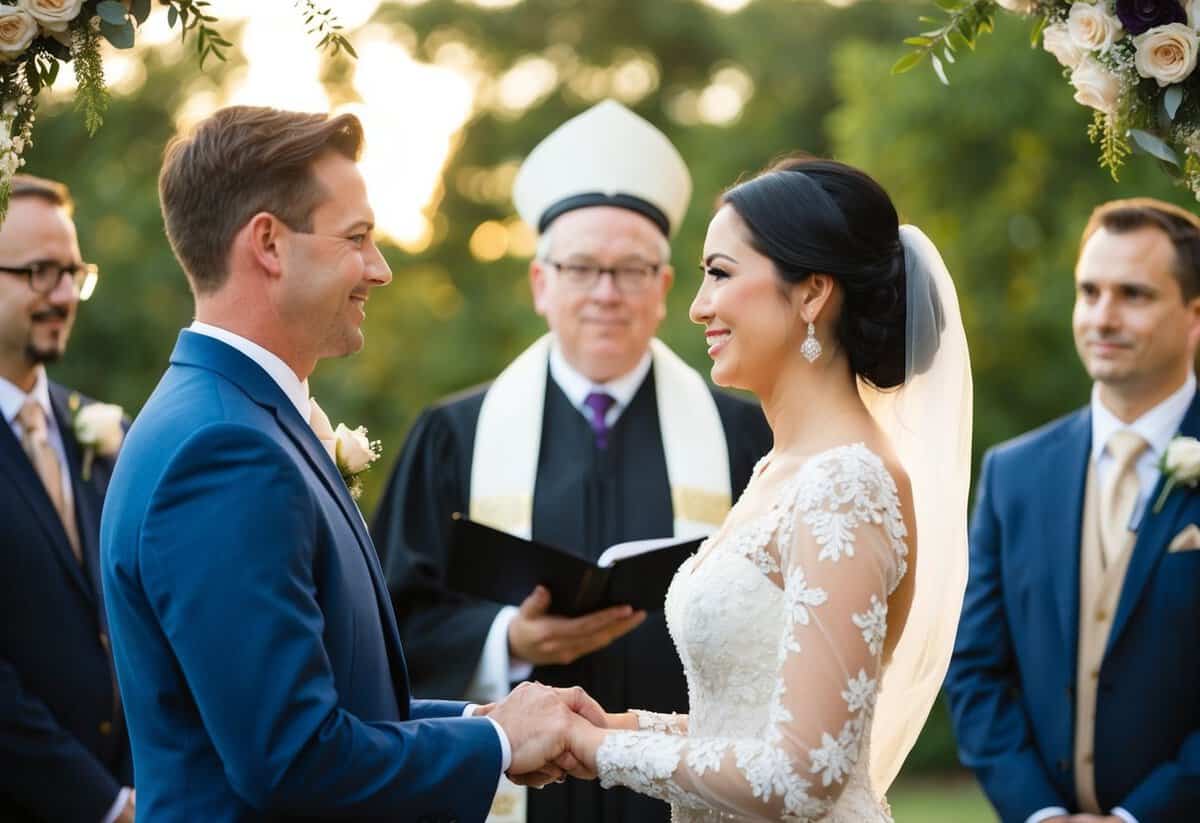
Whether you’re having a traditional religious wedding ceremony or a more modern civil ceremony, the vows you choose play a significant role in expressing your commitment to each other. For example, in both settings, the vows signal your sincere promise to love and support one another throughout your lives.
If you’re unsure about what vows to include, there are many resources available to help you personalize your ceremony while meeting legal requirements. Understanding these basic elements will help you create a meaningful and memorable marriage ceremony that reflects your unique bond.
Legal Foundations of Wedding Vows in the UK
When planning your wedding, understanding the legal requirements for vows is important. In the UK, certain phrases and participants are essential to make your marriage official. Below are the key elements you need to know.
Essential Legal Phrasing
In a marriage ceremony, you must include specific legal declarations and contracting words. This is the minimum requirement for your vows to be recognized legally.
You have options, but at least one of these phrases must be included:
- “I do solemnly declare that I know not of any lawful impediment why I, [name], may not be joined in matrimony to [name].”
- “I accept you as my lawful wedded husband/wife.”
These statements serve as a legal statement and form the basis of your marriage contract. Other personal vows can be added, but they must not replace the legal wording.
Registrar and Witnesses
For your marriage to be legally binding, a registrar must conduct the ceremony. This person is responsible for ensuring everything complies with the law. During the ceremony, you will declare your vows in front of the registrar.
Additionally, you need at least two witnesses present. They must be over the age of 16 and can be friends or family. Their role is to sign the marriage schedule, which finalizes your contract.
Make sure your chosen witnesses understand their responsibilities, as their presence is essential for the validity of the ceremony.
Differences in Civil and Religious Ceremonies
Civil and religious ceremonies have different requirements for vows. A civil ceremony typically includes legal wording without religious content, focusing solely on the legal aspects of marriage.
In contrast, religious ceremonies may allow for more traditional vows. You can choose to include spiritual blessings or additional promises alongside the legal components.
Ensure you discuss any specific needs with your officiant to meet both legal and personal expectations. Whether civil or religious, the core legal phrases must still be declared for your marriage to be official.
Traditional Versus Personalized Vows
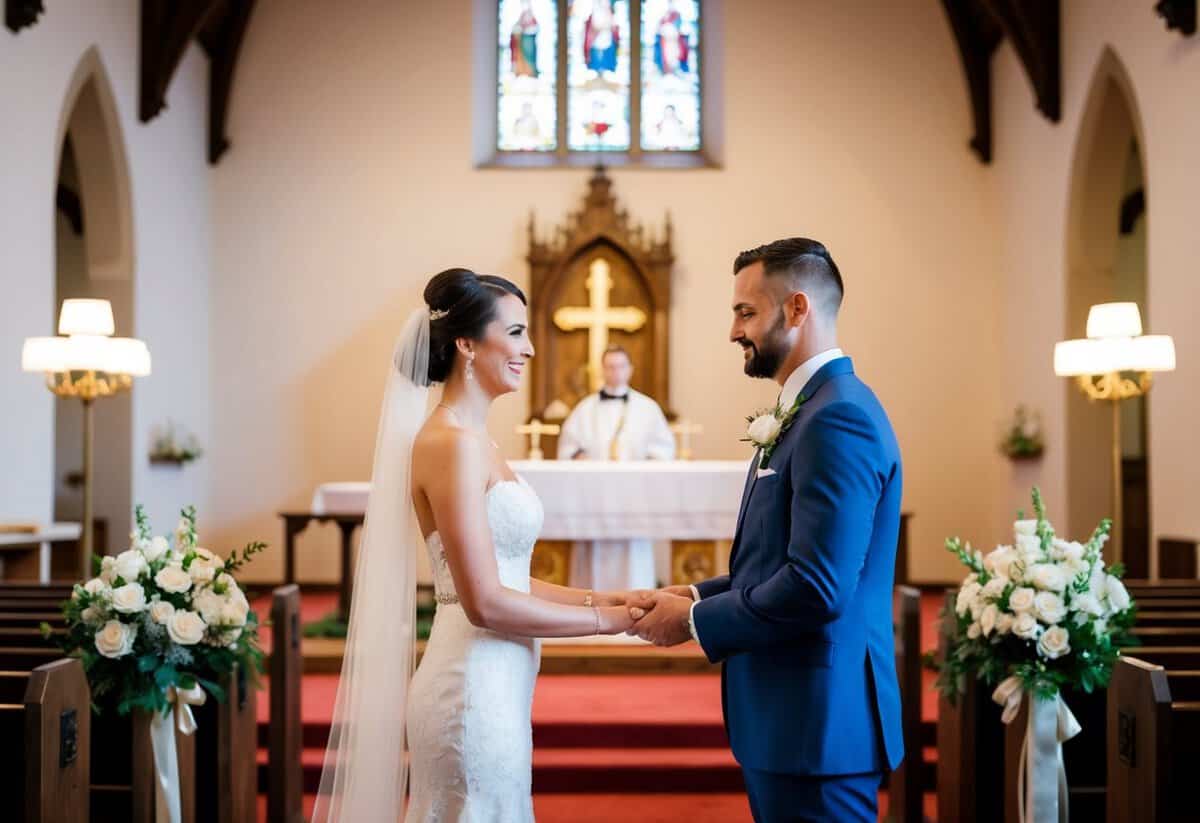
When planning your wedding, you’ll need to decide between traditional and personalized vows. Each option represents different ways to express your love and commitment on this special day.
Common Traditional Phrases
Traditional wedding vows often include classic phrases that have stood the test of time. Common elements include promises like “in sickness and in health,” “love and cherish,” and “till death us do part.”
These vows are grounded in religious or cultural beliefs and bring a sense of continuity. For example, a Catholic wedding might follow specific prayers and language. If you prefer a non-denominational ceremony, you might still choose to incorporate traditional phrases that resonate with your values.
Using these common phrases can provide a sense of comfort, reminding you of the historical significance of marriage.
Crafting Personalized Vows
Writing your own vows allows you to express your feelings in a unique way. Start by reflecting on your relationship, including memorable moments and shared experiences.
Consider including personal promises that better reflect your journey together. You might want to include promises like supporting each other’s dreams or making time for each other amidst life’s chaos.
Make your vows sincere and heartfelt. You can even incorporate lines from love poems that resonate with both of you. Remember, the goal is to make your vows a true reflection of your connection.
Incorporating Unique Beliefs and Values
When crafting personalized vows, think about how to include your unique beliefs and values. This can make your ceremony feel more meaningful. For instance, if you share a passion for adventure, mention how you will support each other in exploring the world together.
You can also incorporate elements from your cultural backgrounds or personal interests. Maybe you have a tradition in your family that you want to include or quotes that hold special meaning for you.
By weaving in these unique aspects, you create vows that are deeply personal and authentic, celebrating your individuality as a couple.
The Ceremony Experience
The ceremony marks a significant moment in your wedding day. It involves the exchange of vows, the significance of wedding rings, and the inclusion of meaningful readings or elements that can personalize your experience.
Vows Exchange Process
During the vows exchange, you and your partner will affirm your commitment to each other. This is often the most emotional part of the ceremony. You must say the legal declaration and then choose your marriage vows.
You have options here—some prefer traditional marriage vows, while others might want to create personal vows that reflect your relationship. This is a chance to share your love in your own words. Remember, the phrase “I do” is essential; it signifies your acceptance of the vows you’ve chosen.
Wedding Rings and Symbolism
The wedding ring exchange is rich in symbolism. Rings represent eternal love and commitment. You can choose to use simple bands or more elaborate designs, depending on your preference.
As you slip the ring onto each other’s finger, it’s common to say a few words about what the ring symbolizes for you. This gesture is a powerful moment that conveys your promise to support and cherish each other. Make sure to select rings that you both love, as they will serve as a lasting reminder of your vows.
Readings and Additional Elements
Readings during the ceremony can add a personal touch. Many couples choose poems, quotes, or passages that resonate with them. This can make the ceremony feel more unique and special.
You can also include additional elements, such as music or family rituals, to further personalize the experience. Discuss these options with your officiant to ensure they fit within your ceremony’s framework. Choose elements that reflect your journey together. This will create a memorable ceremony that you and your guests will cherish.