
What Are the Most Common Wedding Vows? A Guide to Traditional Promises
When planning your wedding ceremony, one important aspect to consider is your wedding vows. The most common wedding vows express a promise of love, commitment, and partnership for life. These vows often include heartfelt statements that reflect your dedication to each other, creating a meaningful moment during the ceremony.
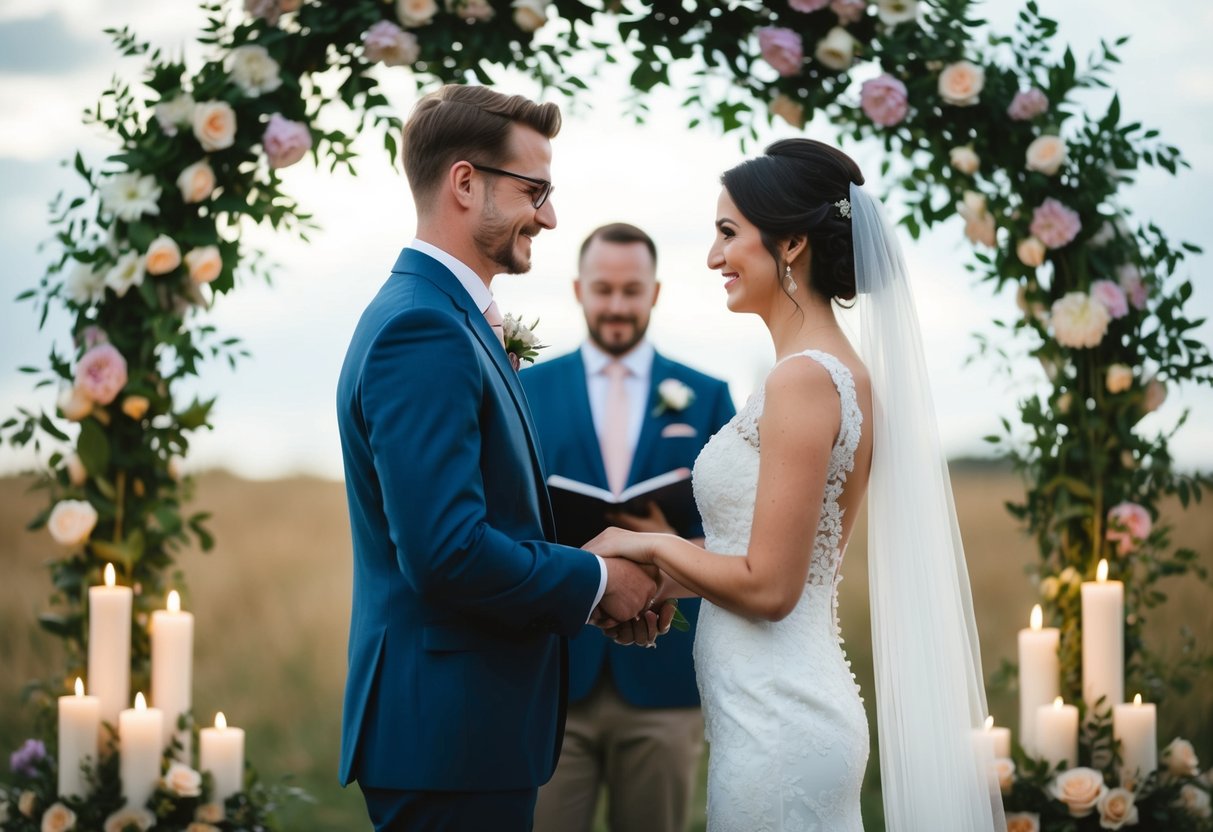
Traditionally, couples may opt for well-known vows, such as those that symbolize fidelity and support through life’s challenges. Many couples choose to personalize their vows, adding specific promises that resonate with their relationship. Whether you prefer classic wording or something more unique, your marriage vows set the tone for your future together.
As you prepare for this special day, think about what commitment means to you both. Reflecting on your values can help you craft vows that truly represent your bond and intentions for the marriage ahead.
With the right words, you can create a lasting memory that deepens your connection during the wedding ceremony and beyond.
Historical and Traditional Foundations
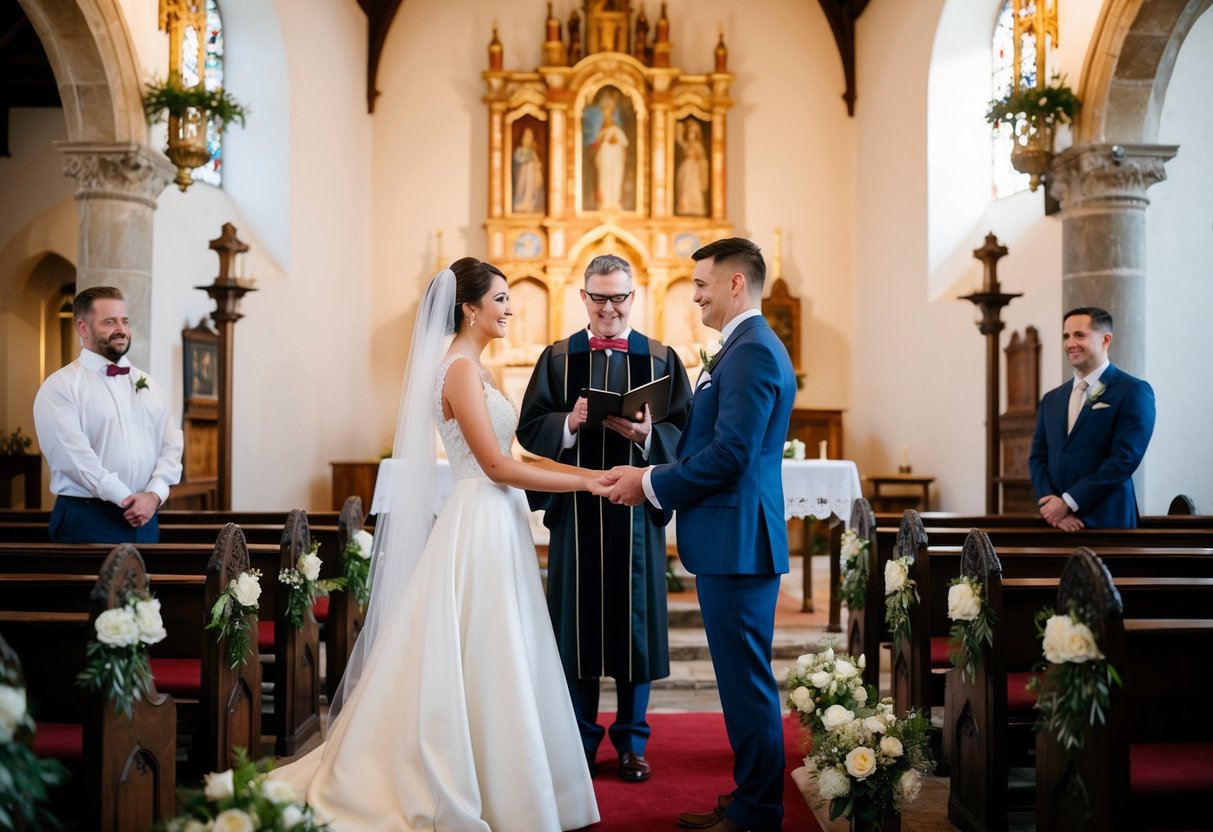
Wedding vows have deep roots in history and tradition, reflecting the values and beliefs of different cultures. You’ll find that these vows vary in meaning and form based on religious and cultural contexts.
Origins of Wedding Vows
The concept of wedding vows dates back centuries. Traditionally, vows were solemn promises made during a ceremony, symbolizing commitment. The earliest known forms of wedding vows can be traced to medieval Christian ceremonies. For example, Catholic wedding vows often include phrases such as “for better or for worse” and “’til death do us part.”
These binding commitments reflect a couple’s intention to stand by each other through life’s challenges. As time progressed, different faiths began to establish their versions. Many Christian wedding vows now choose to omit older phrases, focusing on love and support.
Traditional Vows Across Cultures
Different cultures have unique wedding vows that reflect their beliefs. For instance, Jewish wedding vows typically include the phrase “Behold, you are consecrated to me,” signifying a sacred bond.
In Hindu weddings, the couple makes promises known as the Saptadi, or Seven Steps, where they commit to supporting each other spiritually and emotionally. Buddhist wedding vows often emphasize loving-kindness and compassion for one another.
In some traditions, the handfasting ceremony involves tying the couple’s hands together, symbolizing their union. Each vow carries significant meaning and varies in expression, while still embodying the essence of lifelong commitment.
Contemporary Approaches to Vows
Many couples today are taking a fresh look at wedding vows. They often want vows that reflect their unique love stories and beliefs. Personalizing vows can make the ceremony feel more meaningful. Additionally, interfaith and non-religious expressions are becoming common, allowing all couples to celebrate their commitment in a way that feels right to them.
Personalizing Your Vows
Personalized wedding vows let you express your love and commitment in your own words. You can share your journey as a couple, including the challenges and joys you’ve faced together.
Consider including details that showcase your relationship, like inside jokes, nicknames, or memorable moments. This makes your vows truly one-of-a-kind.
Many couples also choose to mix traditional elements with personal touches. For example, you might start with classic phrases and then add your unique spin. Writing your own vows gives you the freedom to shape your message, making your promises even more heartfelt.
Interfaith and Non-Religious Expressions
Interfaith wedding vows are designed to honor diverse beliefs while bringing two people together. They allow you to acknowledge each partner’s traditions without favoring one over the other. This can strengthen your bond and create a special moment during the ceremony.
Non-denominational wedding vows focus on love and commitment, disregarding specific religious texts. Many couples love this approach since it highlights their connection without religious constraints.
When creating these vows, you can express your hopes for the future. Discuss how you plan to support each other and grow together. This sense of mutual respect and admiration can make your vows powerful and memorable.
The Language of Commitment
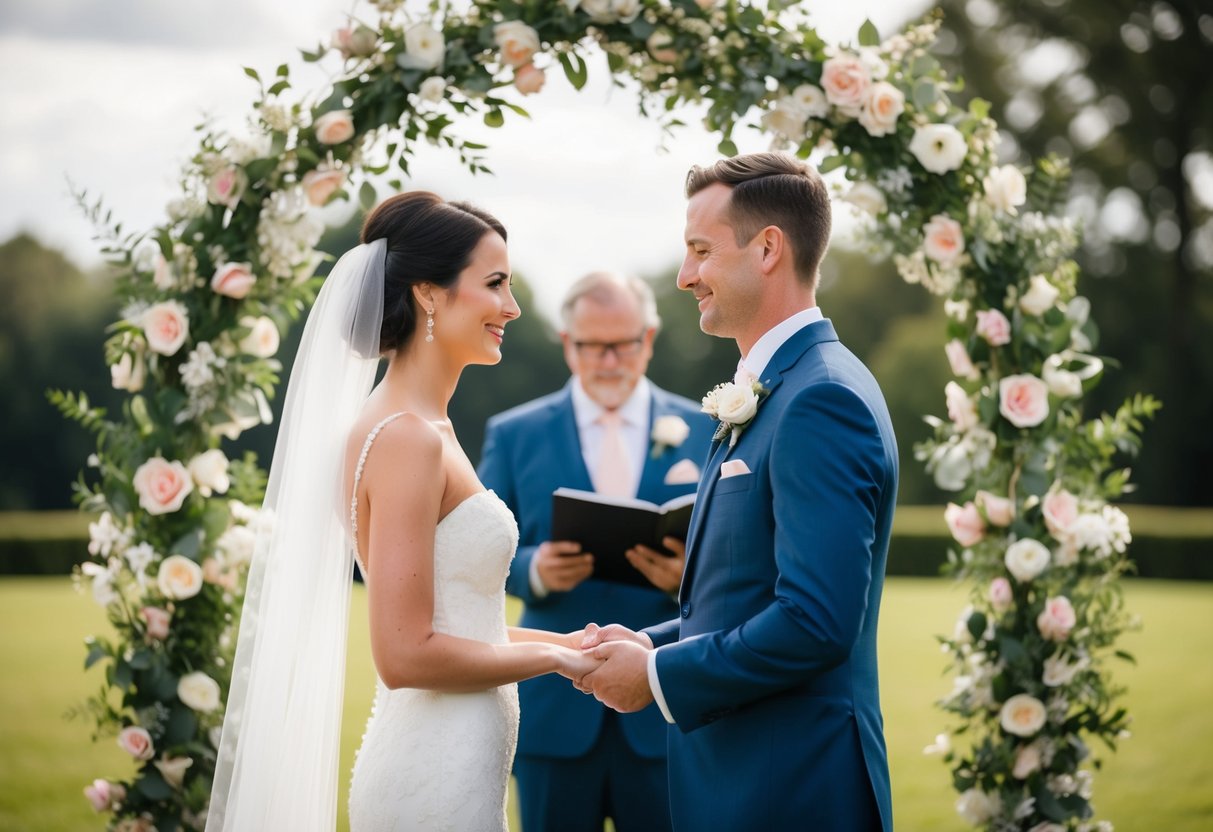
Wedding vows are much more than just words. They carry deep meaning and reflect the promises you make to your partner. These promises emphasize love, support, and loyalty as fundamental elements of your relationship.
Key Themes in Vows
Common wedding vows often include phrases that highlight key values. You might hear “to love and cherish,” which means you promise to prioritize your partner’s well-being. Another common phrase is “forsaking all others.” This shows your commitment to exclusivity and fidelity in your relationship.
You might also encounter “to love and honor.” This reflects respect and admiration as essential parts of your bond. The phrase “until death parts us” underscores the seriousness of your commitment. By including honesty and sincerity in your vows, you ensure that your partnership is built on trust. Simple and short wedding vows can still carry this deep meaning, making them perfect for any couple.
Symbolic Gestures and Rituals
Wedding vows often include meaningful gestures and rituals. One common practice is the exchange of rings. This symbolizes your commitment as a partnership that is unbreakable.
You might also participate in rituals like lighting a unity candle. This act demonstrates the merging of two lives into one.
Another popular ritual is the pouring of sand. This shows how your lives will intertwine.
Your vows represent fidelity and a promise to support each other. They allow you to express your hopes for a loving future together.
These gestures enhance the importance of your vows, making the commitment even more special.