
What Are the Most Realistic Fake Flowers Made Of? Discover the Best Materials for Lifelong Blooming Beauty
When decorating your home, choosing the right flowers can make a big difference. You might wonder what materials make the most realistic fake flowers. The most lifelike artificial flowers are made from high-quality materials like silk, polyester, and foam, which closely mimic real blooms. These materials allow for intricate details and vibrant colors, making your faux flowers look almost indistinguishable from the real thing.
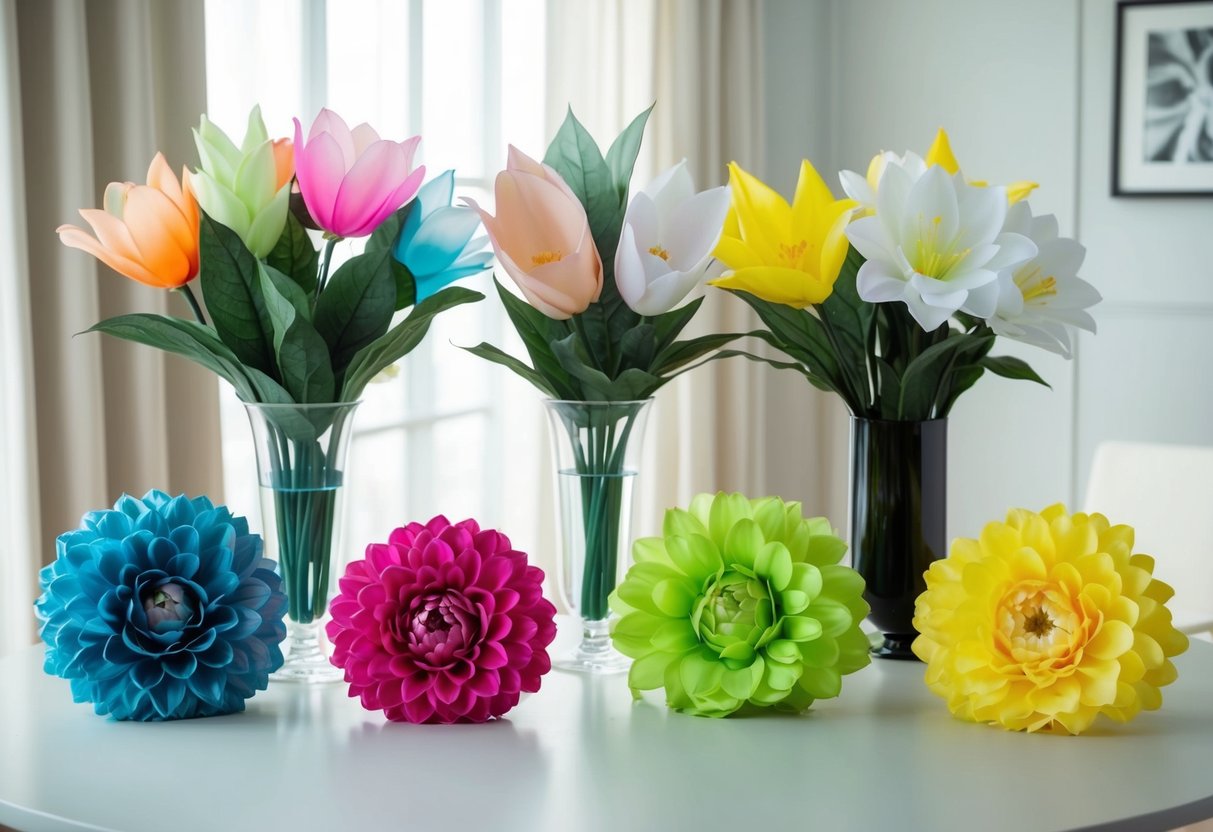
Silk flowers have long been popular, known for their elegance and delicate appearance. They offer a classic look and can work well in various settings.
On the other hand, polyester flowers bring a lifelike touch due to their durability and ability to replicate fine textures. Foam flowers are also becoming trendy, as they provide great detail and flexibility in creating natural arrangements.
Whether you’re looking to brighten your space without the upkeep of real plants or want to create stunning arrangements for special occasions, knowing what your fake flowers are made of can help you make the best choices. With your newfound knowledge, you’re ready to explore the beauty and benefits of these modern floral options!
Materials and Fabrication
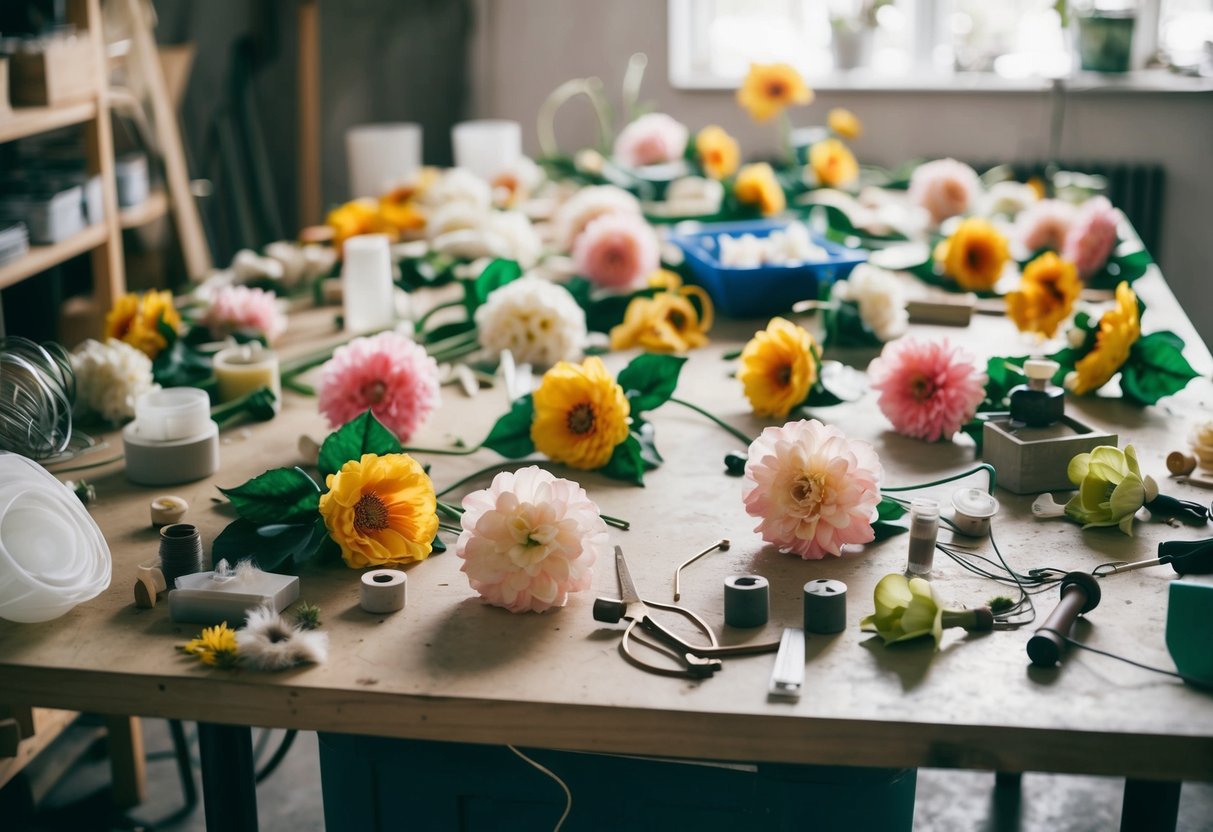
When choosing realistic fake flowers, the materials and fabrication techniques play a crucial role. Various options provide different looks, textures, and durability. Here are some key materials used in crafting faux florals that can help you make an informed choice.
Silk and Other Fabrics
Silk flowers are often the go-to choice for those seeking realism. Their texture and sheen mimic real petals effectively, creating a luxurious appearance. Many silk flowers are crafted from high-quality silk or blends of synthetic fabrics.
Cotton and linen are also popular choices for fabric flowers. These materials can provide a softer, delicate feel. They are ideal for creating arrangements that add a touch of elegance to your space.
You might find flowers made from chiffon or organza, which offer a lighter, more ethereal quality. Each fabric type offers unique benefits, making it essential to consider your aesthetic preferences when choosing.
Synthetic and Plastic Blends
Synthetic materials, particularly latex and plastic, are widely used in artificial flowers. These materials are incredibly durable and resistant to fading, ensuring that your arrangements look fresh for longer. Plastic flowers can hold intricate shapes, making them ideal for realistic designs.
Many faux florals combine different materials to enhance realism. For instance, some may feature plastic petals with soft textile elements. This blend delivers both the look and feel of fresh blooms while maintaining longevity.
Additionally, foam is used in some cases. It is lightweight and can replicate the delicate appearance of real flower stems. When exploring your options for artificial flower stems, consider these material variations for the best results.
Realistic Touches and Details
To enhance the authentic look of faux florals, manufacturers often incorporate realistic touches. This can include detailed veining on petals, natural coloration, and even simulated droplets of water.
Some high-quality artificial flowers feature a mix of materials for added realism. These may have silk for petals, plastic for stems, and even weighted bases to mimic the look of real flowers in a vase.
When selecting fake flowers, inspect them closely. Look for craftsmanship quality in the details, as these make a significant difference in the overall impression. The better the detail, the more lifelike your arrangements will appear.
Types of Faux Floristry
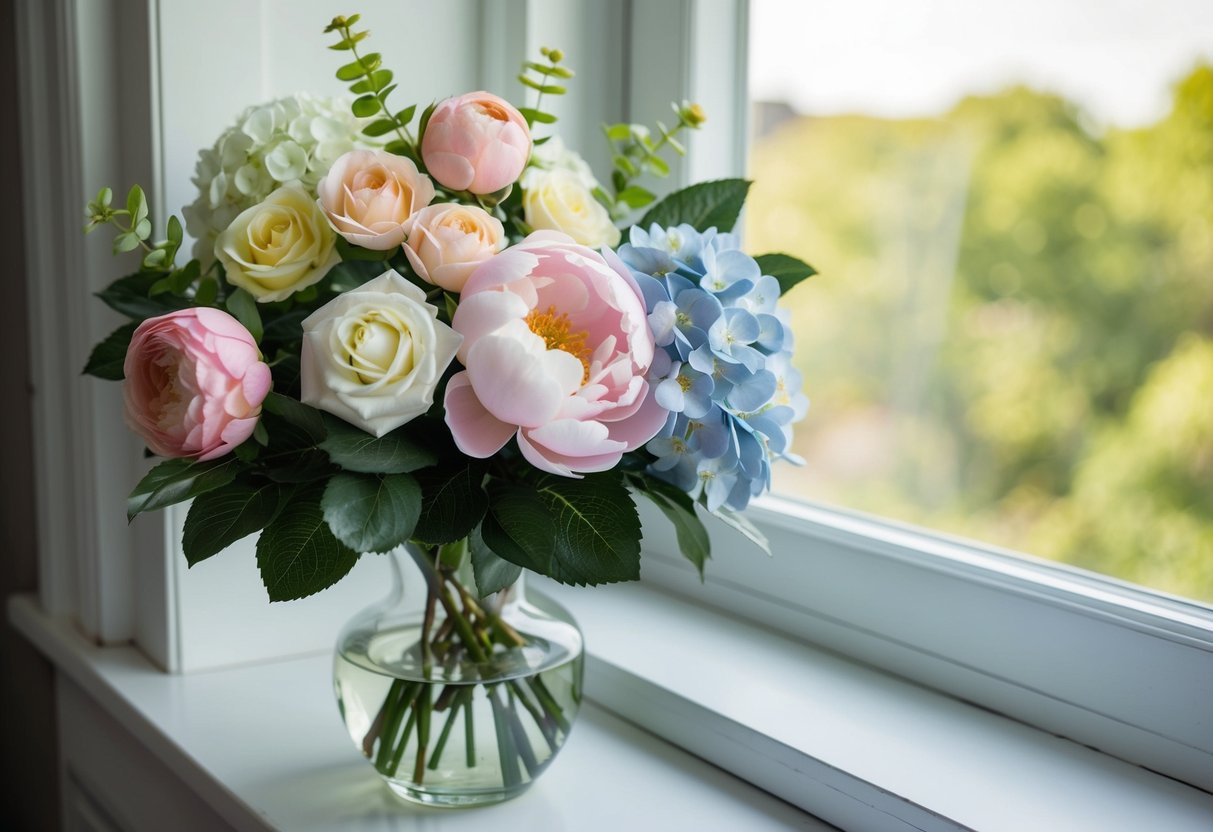
Faux floristry includes various styles of artificial flowers that can bring beauty into your home. From individual stems to elaborate arrangements, understanding the types can help you choose the right decor for your space.
Single Stems and Bouquets
Single stems are a versatile choice for home decor. You can place them in small vases or use them as focal points on shelves. Many people like to mix and match different types, such as artificial lavender with other flowers. This allows you to create a unique arrangement that suits your style.
Bouquets can be either pre-made or customized. They often combine several flower types for a fuller look. When choosing a bouquet, look for ones made from silk or high-quality polyester for a more realistic feel. The right bouquet can brighten up any room and add a touch of elegance.
Flower Arrangements and Garlands
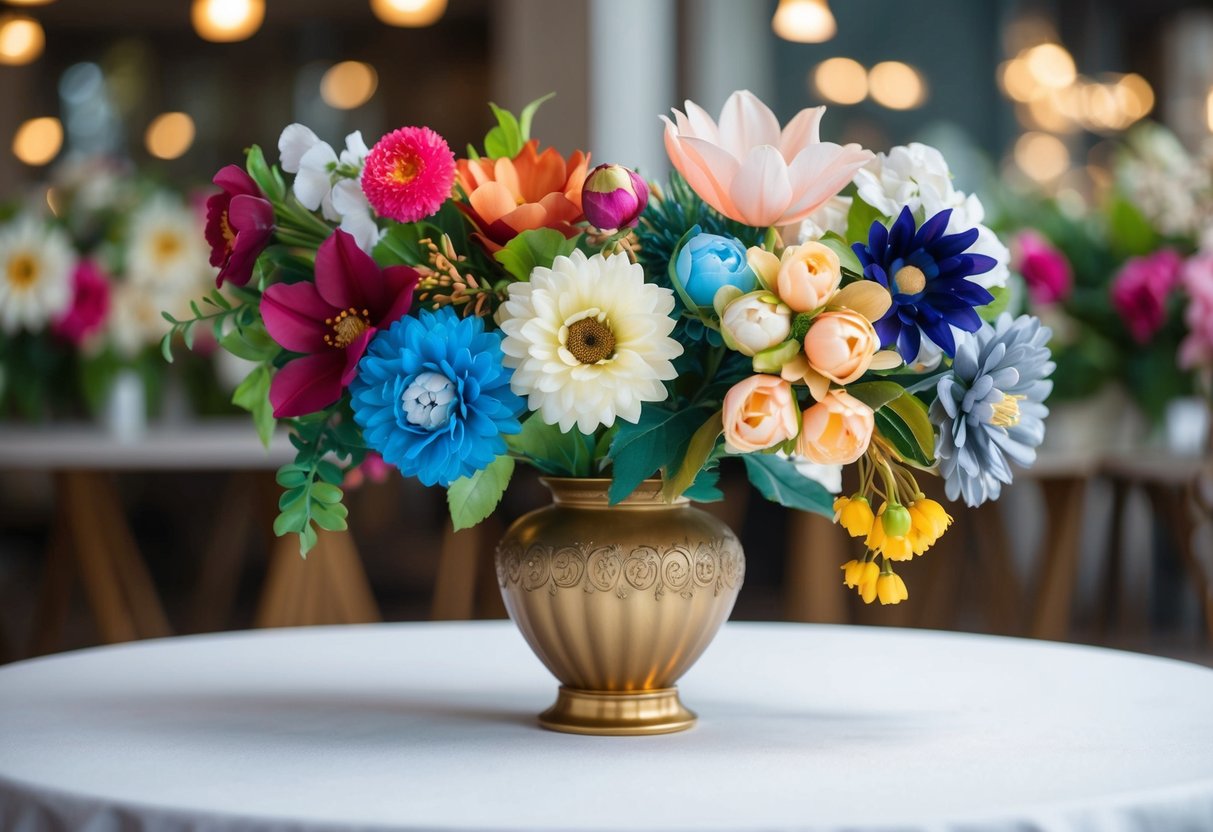
Flower arrangements, like centerpieces, add character to any setting. These can range from simple to intricate designs. A well-made arrangement catches the eye, especially when using a variety of colors and textures. Consider using various materials, such as foam and silk, to achieve the most lifelike appearance.
Garlands are another exciting option. They work well for decorating tables, mantels, and doorways. A garland featuring artificial flowers can create a beautiful, flowing look. Mixing flowers and greenery can enhance visual appeal, making your space feel fresh and inviting.
Specialized Faux Flowers
Specialized faux flowers are designed to mimic specific types of real blooms. For example, real touch florals offer a soft feel that closely resembles natural petals. Many people appreciate these options for their high-quality materials, often made from latex or polyurethane blends.
You can find specialized flowers in various styles, from elegant roses to bright sunflowers. This variety allows you to choose flowers that match any theme. Using realistic fake flowers can create stunning backdrops or add finishing touches to any room or event decor.
Decorating with Artificial Flowers
Artificial flowers can bring beauty and style to your spaces without the hassle of maintenance. They are versatile, allowing you to create stunning arrangements both indoors and outdoors. You can choose from different materials like silk or polyester to fit your decor needs.
Accenting Home Interiors
When decorating indoors, artificial flowers can add color and life to any room. Arrange them in vases, or create eye-catching centerpieces for your dining table. Consider using varying heights and types of flowers to add visual interest.
- Mix textures: Combine silk flowers with other decorative elements like candles for a cozy feel.
- Seasonal changes: Swap out arrangements according to the seasons; bright yellows and whites in spring, deeper hues in fall.
Placing flower arrangements on shelves or mantels can also enhance your home decor. Choose high-quality, realistic flowers to make sure they look authentic. This way, your guests will hardly notice they aren’t real!
Outdoor and Garden Spaces
For outdoor settings, you need flowers that can withstand the weather. Look for artificial plants labeled as UV protected to prevent fading in the sun. Perfect for patios or gardens, these durable options add charm.
- Planters and hanging baskets: Use flowers to brighten up planters or create hanging arrangements.
- Low maintenance: Enjoy the beauty of flowers without worrying about watering or wilting.
Using artificial flowers outdoors lets you enjoy beautiful scenery year-round. You can customize arrangements with different colors and styles to match your taste. Plus, they won’t attract pests like real flowers, making your outdoor space more enjoyable.
Care and Maintenance
Taking good care of your fake flowers helps keep them looking beautiful for a long time. By following simple cleaning methods and proper storage tips, you can ensure your faux floral arrangements remain vibrant and dust-free.
Cleaning and Dusting
Regular cleaning is essential to maintain the look of your best artificial flowers.
Start by gently dusting them using a soft cloth or a feather duster. Avoid harsh materials that could scratch the petals.
For deeper cleaning, you can use a damp cloth. Lightly wipe the petals and leaves, but be cautious with delicate materials like silk. You may also use a soft brush to remove dirt from hard-to-reach areas.
If your faux flowers are particularly dirty, you might want to soak them in a mixture of water and mild soap for a few minutes before rinsing thoroughly. Always let them air dry completely before placing them back in your arrangements.
Storage and Handling
Proper storage is key when you’re not using your faux flowers. Store them in a cool, dry place away from direct sunlight to prevent fading. Also, avoid stacking them on top of each other to maintain their shape.
If you have wire cutters, you can trim any excess stems to fit your storage space. Then, you can wrap the flowers in tissue paper or place them in breathable containers to protect them from dust.
Whenever you handle your floral arrangements, make sure to do so gently. This will help prevent any bending or breaking of the stems or petals. With these tips, your faux flowers can stay looking fresh and lovely for many seasons.