
What Are the Odds of a 65 Year Old Woman Getting Married? Exploring Chances and Opportunities
Many people wonder about the chances of finding love later in life. At least 59% of adults aged 60 and older have been married at least once. This shows that the possibility of finding companionship is very real, even if it may feel challenging at times.
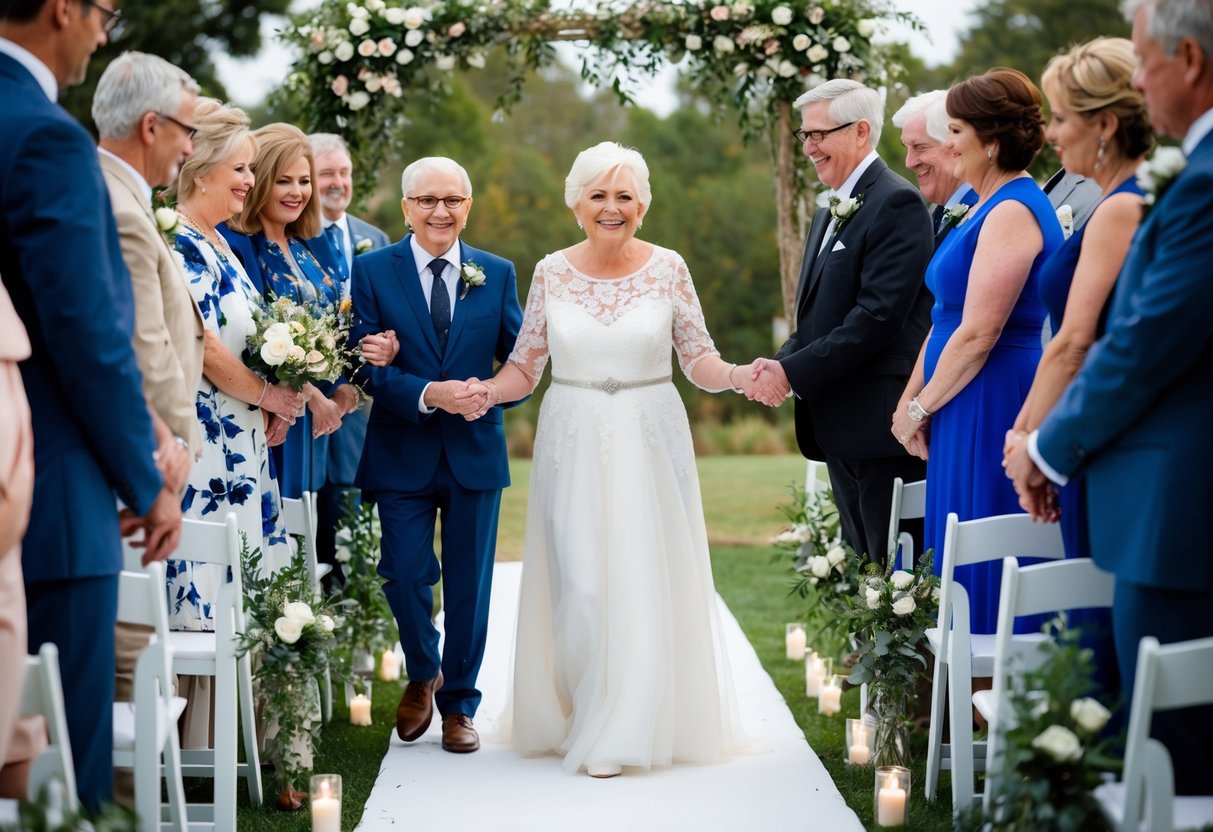
As life progresses, relationships often change, and past experiences can lead to deeper connections. You bring a wealth of knowledge and maturity that can enrich a new partnership. It’s never too late to seek love; in fact, many find themselves more ready than ever to embrace a new relationship.
Whether you are considering a second marriage or just want to explore the dating scene, understanding these odds can help you feel more confident. The possibilities are bright, and love can be just around the corner.
Understanding the Statistics

When considering the chances of a 65-year-old woman getting married, it’s important to look at recent marriage trends and the divorce rates among older adults. These factors can greatly influence the odds of finding a new partner.
Marriage Trends Among Baby Boomers
You may be surprised to learn that marriage trends among Baby Boomers differ from previous generations. Many people born between 1946 and 1964 are delaying marriage or choosing to remain single. According to the U.S. Census Bureau, about 58% of women aged 65 to 74 are married.
This number varies significantly based on factors like education, economic status, and previous relationships. Divorce rates have also increased, with many Baby Boomers entering second or third marriages. In fact, older adults often view remarriage as a true partnership later in life, focusing on companionship rather than traditional roles.
Divorce Rate and Remarriage Metrics
The divorce rate plays a significant role in the decision to remarry. Research shows that around 40% of marriages in the U.S. end in divorce. For older adults, the numbers can be eye-opening. While studies indicate second marriages have a higher chance of failing (67% divorce rate), many still seek to marry again.
Understanding these metrics can help you navigate your own thoughts on love and companionship. While the statistics may seem daunting, they can also offer hope. Many older adults find fulfilling relationships and find success in remarriage, proving that love can flourish at any age.
Factors Affecting Marriage in Later Life

As you consider marriage after 65, several key factors come into play. Social dynamics, financial security, and experiences from previous marriages can significantly influence your journey towards companionship.
Social Aspects of Dating After 60
Dating after 60 can be a vibrant experience. Many people in this age group are exploring new social opportunities. You might find dating to be more relaxed compared to earlier years, as you are likely more confident and clear about what you want.
Key considerations include:
- Social circles: Meeting new people can happen through community events or mutual friends.
- Dating services: Online platforms tailored to seniors are becoming popular. They offer a range of potential partners who share similar values and interests.
- Shared interests: Many couples find that common hobbies help build connections. Consider groups or classes that match your interests, making social interaction easier.
The Role of Financial Security
Financial security plays a big role in deciding to marry later in life. Your pension benefits, social security benefits, and retirement savings may impact your relationship decisions.
Factors to consider:
- Combining finances: Discuss how merging your finances can affect both partners. You can explore joint accounts or how to maintain individual accounts as you unite your lives.
- Retirement benefits: Investigate how your marriage affects your retirement benefits. Sometimes, marrying can enhance your financial situation through spousal benefits.
- Financial independence: Maintaining independence can provide peace of mind. Ensure you understand your finances before taking the next step in a relationship.
The Impact of Previous Marriages
Your past relationships shape your outlook on future marriages. If you are divorced or widowed, your experiences will play a role in how you approach new partnerships.
Things to think about:
- Emotional readiness: Reflect on your feelings about your previous marriage(s). Could they influence your willingness to commit again?
- Expectations: Clear communication with your new partner about your past can help foster trust and understanding.
- Blending families: If children or previous spouses are involved, consider how to navigate those relationships when entering a new marriage.
Navigating New Relationships
Entering the dating scene at 65 can feel daunting. Relationships may change over time, with many considering different arrangements now, like cohabitation. Understanding your emotional state and compatibility with a partner is also key to developing new connections.
The Rise of Cohabitation Over Marriage
More seniors are choosing cohabitation instead of traditional marriage. This option offers flexibility and companionship without the legal ties of marriage.
Benefits include:
- Less pressure: You can enjoy each other’s company without the immediate expectations of marriage.
- Financial considerations: Cohabiting can help ease financial burdens, allowing you to share expenses without merging assets.
Many couples find comfort in cohabitation. It lets them focus on building a life together while keeping the option of marriage open. This way, if the relationship matures, you can discuss marriage when the time feels right.
Emotional Readiness and Compatibility
As you meet new people, consider your emotional readiness. Feeling comfortable with yourself is important before starting a relationship. Reflect on your past experiences and what you want moving forward.
Compatibility involves shared interests and values, which can enhance your connection. Ask yourself:
- Do you both enjoy similar activities?
- Are your views on important topics aligned?
Open communication lays the foundation for a strong bond. Discuss your feelings and expectations with your partner. This honest dialogue helps both of you navigate your new relationship confidently.