
What Are the Opening Words of an Officiant? A Guide to Beginning Your Ceremony
When you’re planning a wedding ceremony, one of the key moments to consider is the opening words of the officiant. These initial statements set the tone for the entire ceremony and help welcome guests into the celebration. You’ll want these words to create a warm atmosphere, making everyone feel included and excited for the vows that are about to take place.
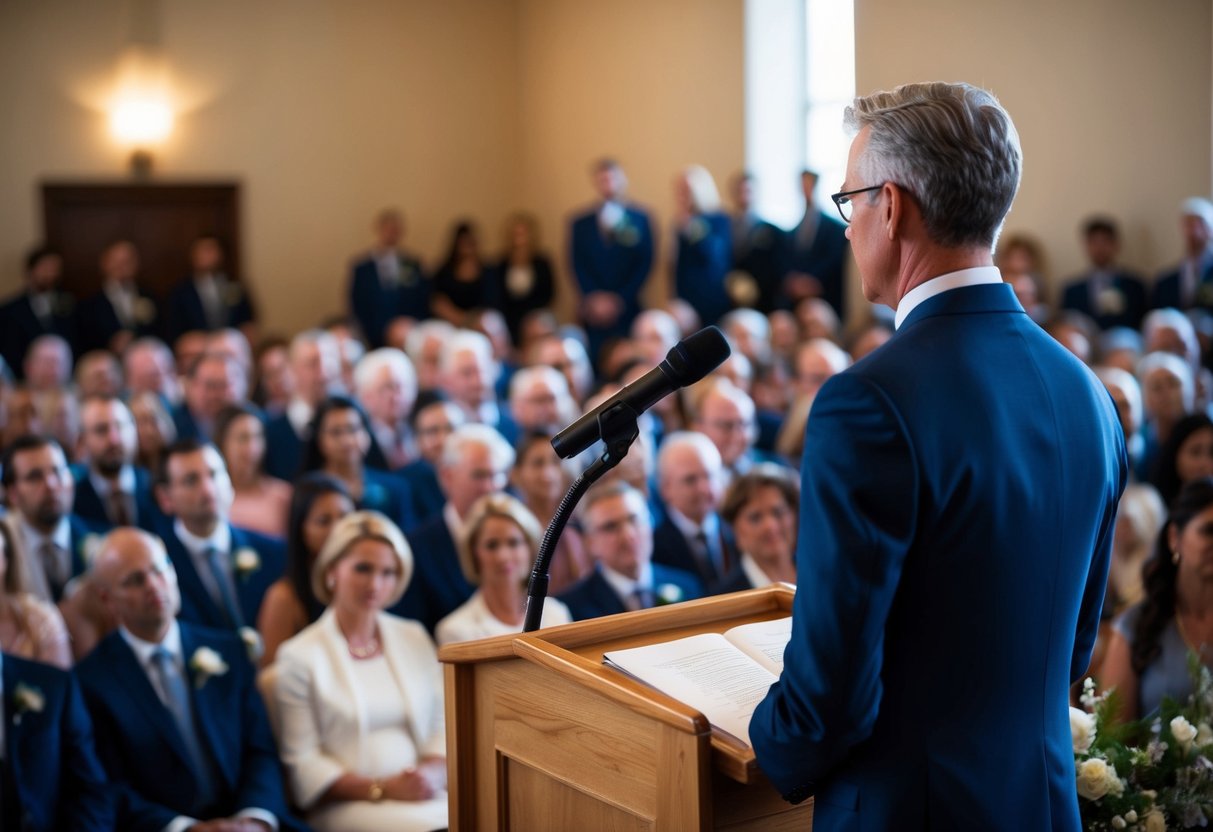
The officiant plays a crucial role in guiding the ceremony. Their opening words often include a welcome message, a brief introduction of the couple, and sometimes a reminder for guests to silence their phones. It’s these heartfelt remarks that not only engage your loved ones but also reflect the love shared between you and your partner.
Exploring various options for the officiant’s opening words can help you find the perfect fit for your special day. By choosing the right phrases, you can ensure that your wedding ceremony starts on a joyful and meaningful note.
Roles and Responsibilities of the Officiant
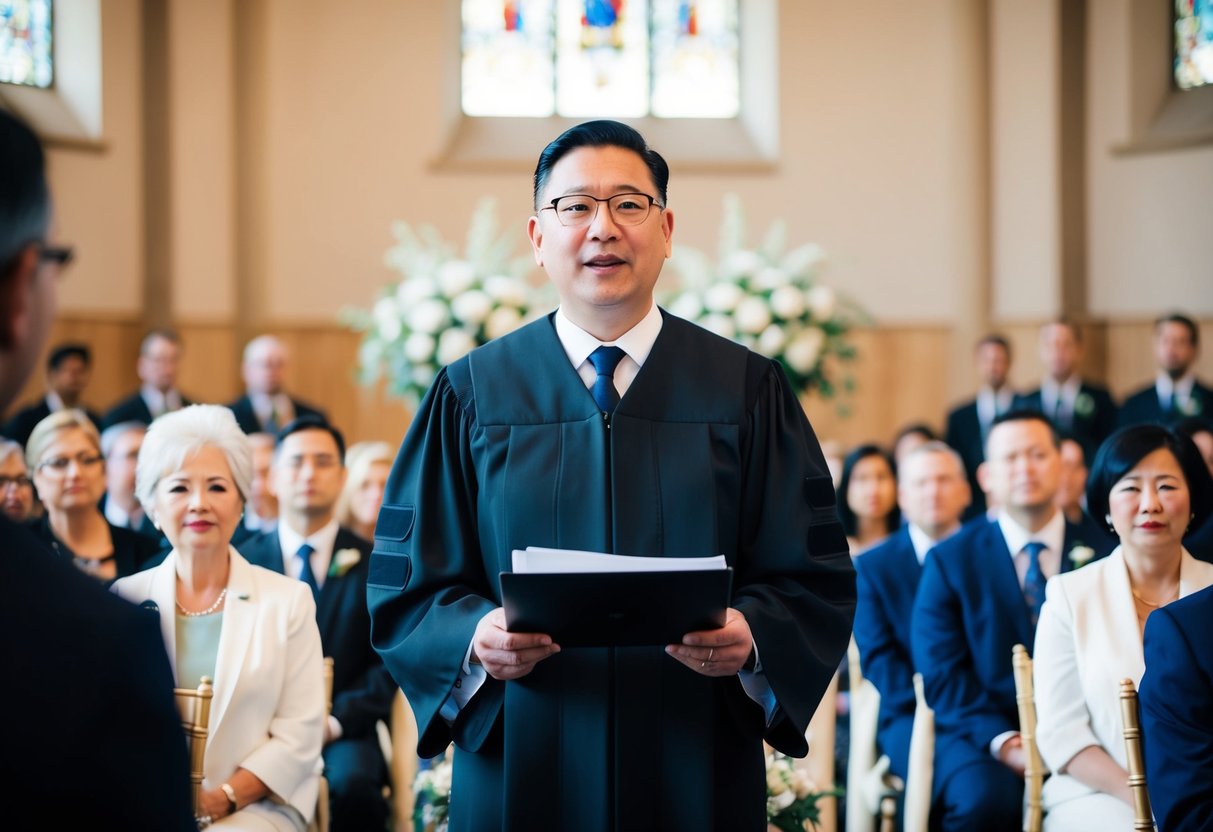
As a wedding officiant, you have several important roles and responsibilities. This includes getting ordained legally, preparing thoroughly for the ceremony, and conducting the event in a meaningful way. Each step is crucial for ensuring that the wedding runs smoothly and resonates with the couple and their guests.
Getting Ordained and Legal Considerations
To be an officiant, you first need to get ordained. This process can vary by state or country. You can choose to complete this online or through a religious organization.
Make sure to check local laws regarding marriage officiants. Some areas require specific credentials, while others might have fewer regulations.
It’s essential to ensure that you complete any necessary paperwork, such as obtaining a marriage license from the couple before the ceremony. This protects both you and the couple, ensuring the marriage is legally recognized.
Preparing for the Ceremony
Preparation is key to any successful wedding ceremony. You’ll want to meet with the couple to discuss their wishes and understand their love story. This meeting helps you create a personalized wedding ceremony script that reflects their values and feelings.
During your discussions, also cover important aspects like the declaration of intent. This is a significant part of the ceremony where the couple expresses their commitment to each other.
Make a checklist of what you need for the day of the ceremony. Items might include the signed marriage license, your script, and any specific readings or rituals the couple wants to include.
Conducting the Ceremony
When it comes time for the big day, being confident and composed is crucial. Start by welcoming the guests, setting a warm and inviting tone.
Use the wedding ceremony script you prepared, but be flexible. If the couple wants to modify any sections, accommodate their requests to make their day special.
Lead the couple through the declaration of intent, ensuring everyone hears their vows. Your role is to help create an atmosphere of love and joy, making the event memorable for everyone involved.
Remember, your presence and words can help shape the experience for the couple and their guests, so approach the ceremony with care and enthusiasm.
Structure of the Wedding Ceremony
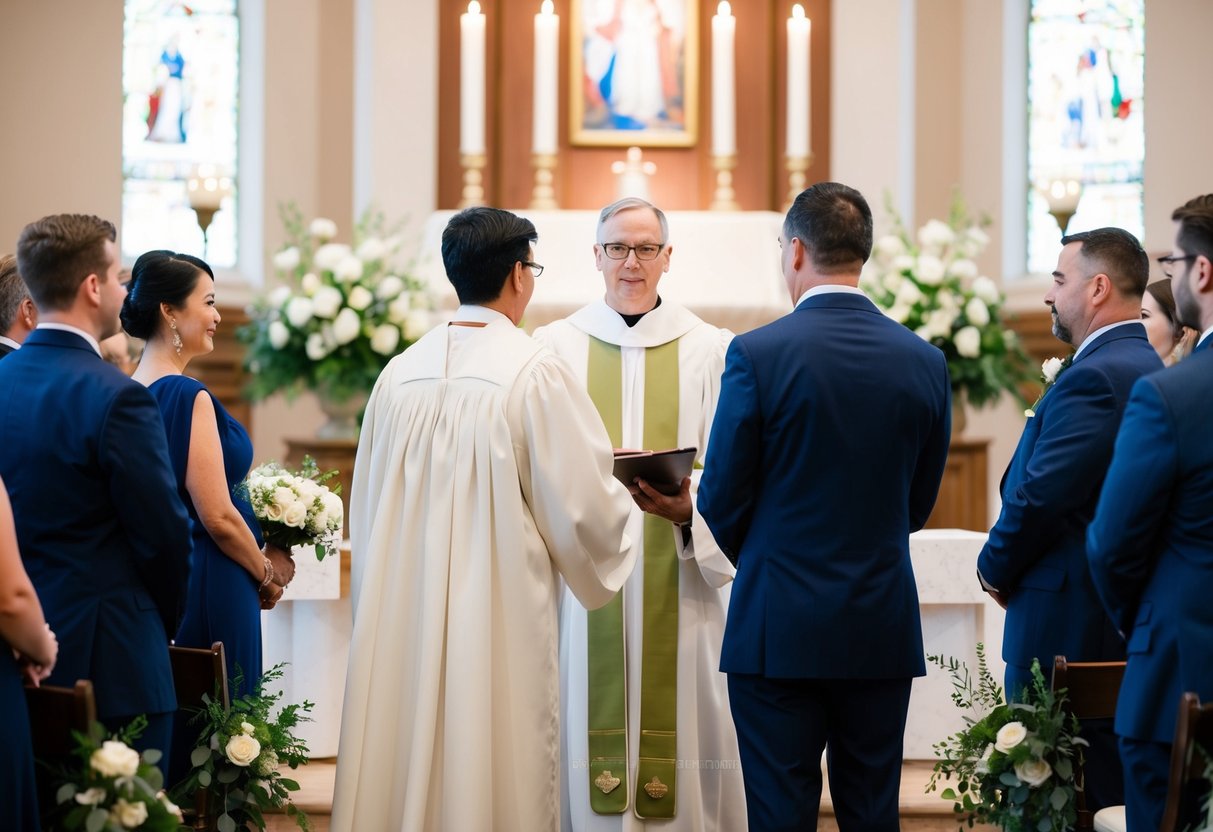
The structure of a wedding ceremony typically follows a series of important steps. Each part has its own significance and helps to create a meaningful experience for you and your guests. Understanding this flow can enhance your planning and participation in the ceremony.
The Processional
The processional marks the beginning of the wedding ceremony. This is when the wedding party enters, setting the stage for the event.
You may choose to have music playing as guests take their seats. Then, the officiant and wedding party enter, usually followed by you and your partner.
Traditionally, the bride enters last, accompanied by a parent or guardian. This moment is often emotional and symbolizes a transition into a new chapter in life.
The Welcoming and Invocation
After everyone is seated, the officiant welcomes the guests. This is an important time to express gratitude for their presence.
The officiant may share a few words about love and marriage, creating a warm, inviting atmosphere.
Following this, the invocation is presented. This serves as a blessing or introduction. It sets the tone for the ceremony and invites everyone to reflect on the couple’s love.
Readings and Traditions
This part of the ceremony often includes readings or traditions. You can choose passages from literature, poetry, or religious texts that resonate with you.
Some couples include family or friends to read these pieces. It adds a personal touch and involves loved ones in the ceremony.
If you want to incorporate meaningful traditions, consider symbolic acts like a unity candle ceremony. This ritual represents the coming together of two families and the couple’s commitment to one another.
Vows and Ring Exchange
The exchange of vows is one of the most significant moments. Here, you declare your love and commitment to each other.
You might choose traditional vows or write your own. Make sure your words reflect your true feelings.
Following the vows, you exchange rings, which symbolizes your commitment. The rings are a visual representation of your love and unity.
During this time, the officiant may say a few words about the significance of the rings, further enhancing the moment.
The Unity Ritual
A unity ritual often follows the vows and ring exchange. This symbolizes the joining of two lives and families.
Common options include a unity candle ceremony, where you both light a candle from a single flame. Another idea is mixing different colors of sand in a single vessel. Each option holds meaning, so choose one that resonates with you.
This ritual is a beautiful addition to your ceremony, signifying your commitment and togetherness.
The Pronouncement and Recessional
At the end of the ceremony, the officiant pronounces you married. This is often accompanied by cheers from your guests.
This moment is filled with joy and celebration as you share your first kiss as a married couple.
The recessional follows, where you and your wedding party exit the ceremony. Music usually plays during this time, adding to the festive atmosphere.
This marks the end of the ceremony and the beginning of your celebration together, as newlyweds.
Crafting the Perfect Opening Words
Creating memorable opening words for a wedding ceremony is essential. These words welcome guests and set the stage for the couple’s unique love story and commitment. Here’s how to craft an introduction that resonates with everyone present.
Elements of a Captivating Introduction
Start with a warm welcome that makes each guest feel included. You can say something like, “Welcome everyone, and thank you for joining us today.”
This simple greeting creates a friendly atmosphere.
Next, share a brief statement about the significance of the day. Highlight the couple’s journey and commitment to marriage. Use phrases that reflect their personalities and values, such as “Today, we celebrate the love that brings us all together.”
This approach helps to ground the ceremony in love and connection.
Incorporating the Couple’s Love Story
Every couple has a unique love story that deserves to be shared. Begin by mentioning how the couple met or a special moment in their journey.
For example, “Jess and Alex met on a rainy day, and their adventure began.”
This personal touch makes the ceremony feel intimate.
You can also include anecdotes that illustrate their bond and commitment. These stories not only engage guests but also remind the couple of their shared history.
Consider using humor or heartfelt moments to make the story relatable. This connection adds depth to the officiant’s words.
Setting the Tone for the Ceremony
The opening words should set a tone that matches the ceremony’s mood. If the couple prefers a lighthearted atmosphere, use playful language. Phrases like, “Today is all about love, laughter, and happily ever after!” can work well.
For a more formal tone, choose words that convey reverence. A statement such as, “We gather here to honor the deep commitment between these two souls” can fit perfectly.
Select words that reflect the couple’s style, whether it’s casual or formal. This consistency helps everyone feel the appropriate sense of warmth and celebration as the ceremony unfolds.
Different Ceremony Types and Their Openings
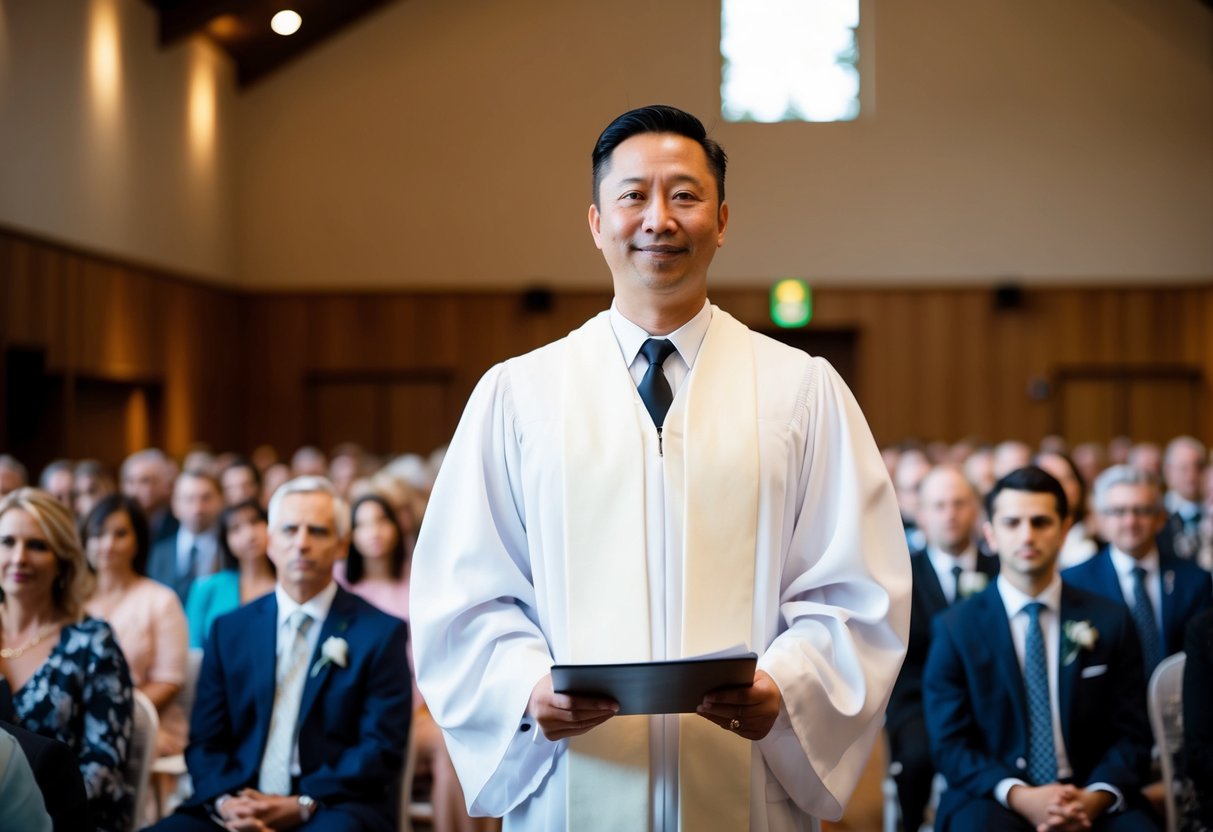
Weddings come in many forms, each with its unique opening words that set the tone for the celebration. Knowing the different styles can help you choose the right introduction for your special day, highlighting your values and relationship.
Traditional Religious Ceremonies
In a traditional religious ceremony, the officiant often begins with a formal greeting. You might hear phrases like, “We are gathered here in the presence of God and these witnesses.” This opening emphasizes the sacred nature of the union.
The officiant usually follows with a short prayer or blessing. This moment encourages guests to reflect and engage with the ceremony’s spiritual aspect. The focus here is on the couple’s commitment and the importance of community support. Sharing meaningful scripture or religious teachings also adds depth to the opening.
Modern Non-Religious Ceremonies
For modern non-religious ceremonies, the officiant’s opening may be more relaxed and personal. You might hear something like, “Welcome everyone! Today, we celebrate the love between [Partner A] and [Partner B].”
This type of introduction often highlights the couple’s story, showcasing how they met and what makes their bond special. You can expect a mix of humor and heartfelt emotions, making it a warm, engaging experience for guests. Adding personal touches in the opening can truly reflect your unique journey together.
Custom and Themed Weddings
Custom and themed weddings offer a lot of creative freedom. The officiant’s opening words can be tailored specifically to fit your vision. For example, if you’re having a whimsical themed wedding, the greeting might playfully set the scene: “Welcome, dreamers and adventurers, to this magical union!”
These openings often reflect your interests and personalities, making the ceremony feel uniquely yours. Using elements from your theme, like quotes from favorite books or movies, can also create a memorable atmosphere. Focusing on what your wedding symbolizes ensures your guests will feel included in your special celebration.
Intimate Elopements and Small Ceremonies
In intimate elopements or small ceremonies, the officiant’s opening can be simple and genuine. A warm “Welcome, family and friends,” followed by a personal story about the couple, can create a cozy feeling.
Here, you can take time to express your love and commitment in a more private setting. The emphasis is on heartfelt emotions rather than formalities. This style allows for flexibility, making it easier to craft a unique atmosphere that resonates with you both and your closest loved ones.