
What Are the Stages of Ordination? A Friendly Guide to the Process
When exploring the journey of ordination, you’ll find it divided into several important stages. These stages typically include the call to discernment, the preparation through education and community involvement, and the ceremonies of ordination itself.
The process usually covers three main levels: deacons, priests, and bishops, each with distinct roles and responsibilities in the church.
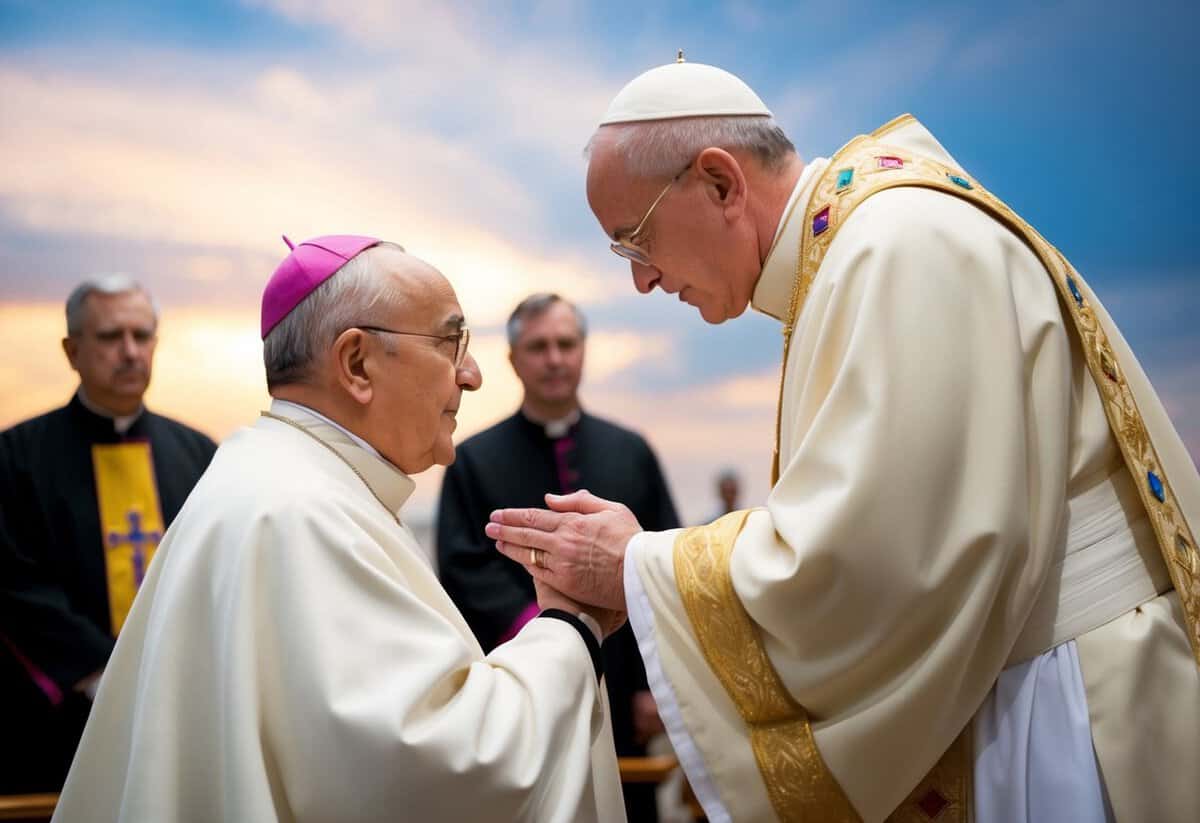
As you delve into the stages, you’ll discover how each level builds upon the previous one. Starting as a deacon, you engage in service and support church activities, which prepares you for the next step to becoming a priest. This role allows for more sacramental duties and leadership within the community.
Ultimately, becoming a bishop represents a culmination of spiritual growth, where you guide the church and oversee the clergy.
Understanding these stages can deepen your appreciation of the commitment and process behind ordination. Whether you’re considering your own path or simply curious about the church structure, recognizing these steps provides valuable insights into the spiritual journey involved.
Understanding Ordination
Ordination is an important process in many religious traditions, particularly within Christianity. It involves several stages that lead to someone being recognized as part of the clergy. Here, you will learn about the meaning of ordination, its connection to sacraments and holy orders, and the various roles involved in this process.
The Meaning of Ordination
Ordination is the formal process by which a person is officially recognized to serve in a spiritual leadership role, such as a priest or minister. This process often includes a period of discernment where individuals feel called to ministry.
During ordination, candidates undergo an ordination ceremony which typically consists of various rituals like prayers, readings, and the laying on of hands. This act symbolizes the transfer of spiritual authority.
In Christian denominations, a priesthood or clergy is established to lead congregations and administer sacraments. Ordination indicates that an individual is entrusted with these responsibilities and has completed the required training or education.
Sacraments and Holy Orders
The sacrament of holy orders is crucial in understanding ordination. It signifies a spiritual empowerment for those entering the clergy. In most Christian traditions, holy orders have three levels: deacon, priest, and bishop.
Each level has distinct responsibilities. For instance, deacons often assist priests, while bishops oversee multiple churches and perform confirmations. The Catechism describes this sacrament as one that reflects Christ’s calling to serve others.
In many churches, the ordination process includes preparation stages, which might involve theological studies and practical experiences. This foundation helps ensure that you are well-equipped for your duties.
Roles Within Ordination
Ordination not only involves the candidate but also the community and church leaders. Various roles play a part in the ordination process. These can include mentors, church elders, and congregational members.
Mentors guide candidates in their spiritual journey, offering support and advice. Church leaders conduct the ordination ceremony, ensuring that everything aligns with Church teachings and traditions.
Congregational members often play a role too, as their support and affirmation are key in the process. They can be part of the congregation’s voting decision on the candidate’s readiness. Each role emphasizes the communal aspect of ordination, where the church recognizes and endorses new clergy.
The Path to Ordination
The journey to ordination is a structured process that involves several important stages. Each stage is designed to support your spiritual growth and readiness for ministry. It is essential for you to understand the key steps and requirements that lead to becoming ordained.
The Call to Ministry
Your path to ordination starts with a personal calling. This call may come from your own reflections or through conversations with others in your faith community. It’s a crucial moment that invites you to discern your purpose in ministry.
You might feel prompted to serve as a priest, deacon, or member of a religious order. This desire often deepens through prayer, worship, and discussions with clergy or mentors. It’s important to seek guidance and assess your abilities and passions.
Having a clear sense of God’s call helps you commit to this life-changing journey. Your ability to recognize and embrace this call sets the foundation for the entire ordination process.
Education and Spiritual Formation
Education plays a vital role in your development as a candidate for ordination. Most candidates pursue formal training, often at a seminary or theological school. Programs typically last three years and focus on topics like scripture, theology, and pastoral care.
In addition to academic learning, spiritual formation is essential. Engaging in personal prayer, reflection, and spiritual practices nurtures your relationship with God. Participating in retreats and community service enhances your understanding of ministry.
You may also be involved in service activities within your parish. This hands-on experience helps you apply what you learn in the classroom to real-life situations.
Steps in the Candidacy
Candidacy is a formal stage of the ordination process. After successfully completing initial discernment, you officially declare your intention to pursue ordination. This stage includes an application and review by the Commission on Ministry.
During candidacy, you will join a supportive community that nurtures your growth. You may have to complete a medical and psychological examination. Background checks are also common to ensure your readiness for ministry.
In addition to practical steps, you must commit to certain vows, including obedience to the church and strengthening your spiritual life. Engaging in further study and pastoral training prepares you for the next stages of the process.
Examination and Approval
As you near the final stages of ordination, you will undergo examinations. These assess your theological knowledge and readiness for ministry. You may present your understanding of faith, church teachings, and pastoral care in interviews.
Once you successfully complete the examinations, your application moves to the diocesan bishop for approval. If accepted, you will participate in the rite of ordination, marking your official entry into ministry.
This final step is a significant moment filled with joy and commitment. You publicly promise to serve the church and its members faithfully. Your journey culminates in becoming an ordained minister, ready to lead and guide others in their faith.
The Ordination Ceremony
The ordination ceremony marks a significant milestone in the life of a candidate. It is rich with rituals, prayers, and symbols that connect the individual to the larger Church community and their new role.
The Liturgical Structure
The ceremony typically takes place during a Mass, which is a crucial part of the liturgy. It begins with a procession where the bishop and other clergy enter the church. You will notice the presentation of the candidate to the bishop, highlighting their readiness.
Next, there is an examination of the candidate, where they affirm their commitment to serving God and the Church. This is followed by the homily, in which the bishop shares insights about the responsibilities that come with ordination. These initial steps set the tone for the sacred rituals that follow.
Rites and Symbols of Ordination
Rites performed during the ordination are filled with deep meaning. A key moment is the prostration, where the candidate lies flat on the ground. This act symbolizes humility and the need for divine assistance.
Another important rite is the laying on of hands. The bishop places his hands on the candidate’s head, invoking the Holy Spirit. Following this, the anointing of hands with sacred chrism takes place. This anointing represents strength and holiness as they prepare for their new duties.
Vows and Consecration
Central to the ordination is the making of promise. The candidate must pledge a promise of obedience to their bishop and a commitment to celibacy, if applicable. This vow signifies acceptance of a life dedicated to ministry.
After these promises, the prayer of consecration is said. This prayer calls upon the Holy Spirit to bless the new deacon, priest, or bishop. It marks their transition into a role responsible for guiding and serving the faithful.
Investiture and the Eucharist
Following the consecration, the bishop presents the new cleric with a stole and chasuble. These vestments symbolize their new role in leading the Eucharist.
The ceremony continues with the presentation of the gifts during the Liturgy of the Eucharist. The newly ordained minister prepares the paten and chalice, which hold the bread and wine that will become the body and blood of Christ. The Mass culminates with the kiss of peace, signifying unity in the community as the new cleric steps into their mission.