
What Are the Standard Wedding Vows in the UK? A Friendly Guide for Couples
Understanding the standard wedding vows can make your ceremony feel even more special. Many couples wonder what these vows entail and how they differ based on their chosen ceremony.
The standard wedding vows in the UK are typically those used in religious ceremonies, like those of the Church of England or the Catholic Church, which hold deep meaning and tradition.
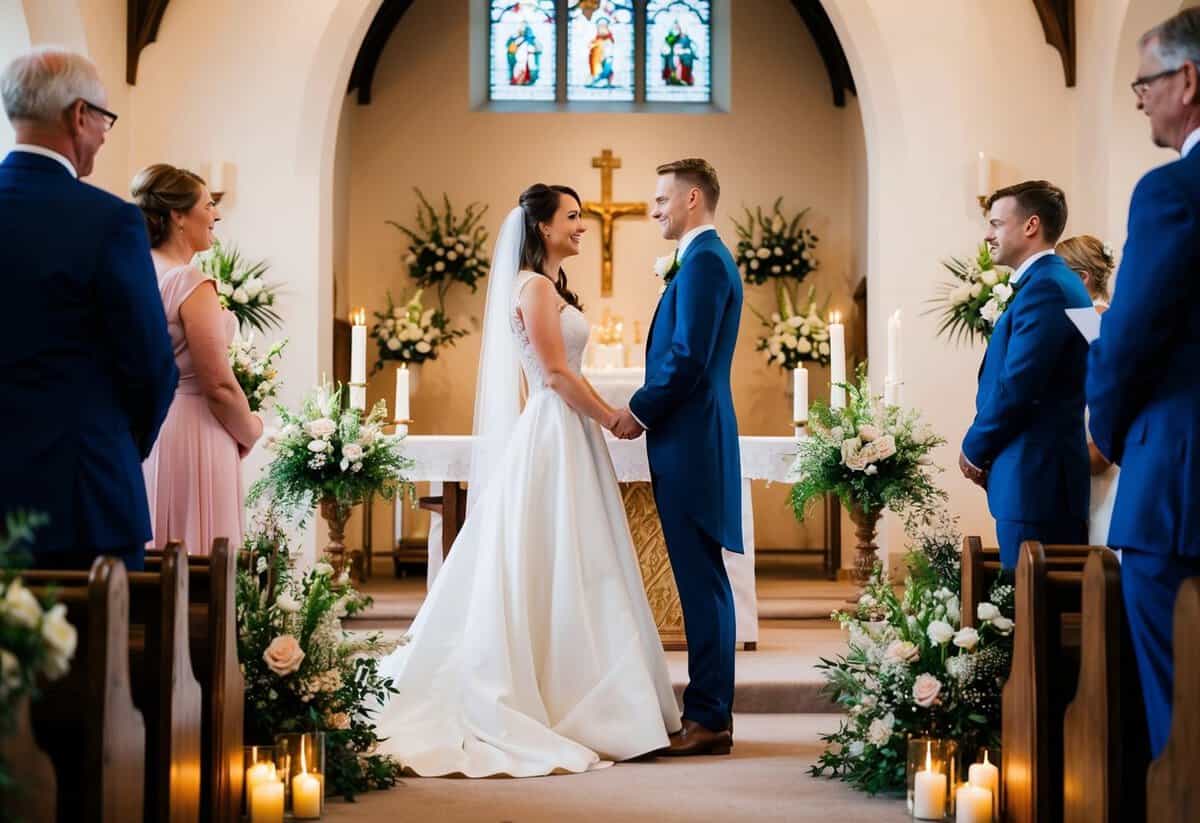
As you plan your special day, it’s useful to know that the words spoken during your vows symbolize your promise to each other. Each denomination may have slight variations, but the core message remains the same: a commitment to love and cherish one another through all of life’s moments. From traditional vows to personalized options, there’s plenty to choose from to make your ceremony unique.
Exploring your options can not only help you find the right words but also inspire deeper connections with your partner as you declare your love. Whether you opt for classic phrases or create something entirely your own, knowing the standard wedding vows can guide you in shaping a meaningful moment that you and your guests will remember forever.
History and Origin of UK Wedding Vows
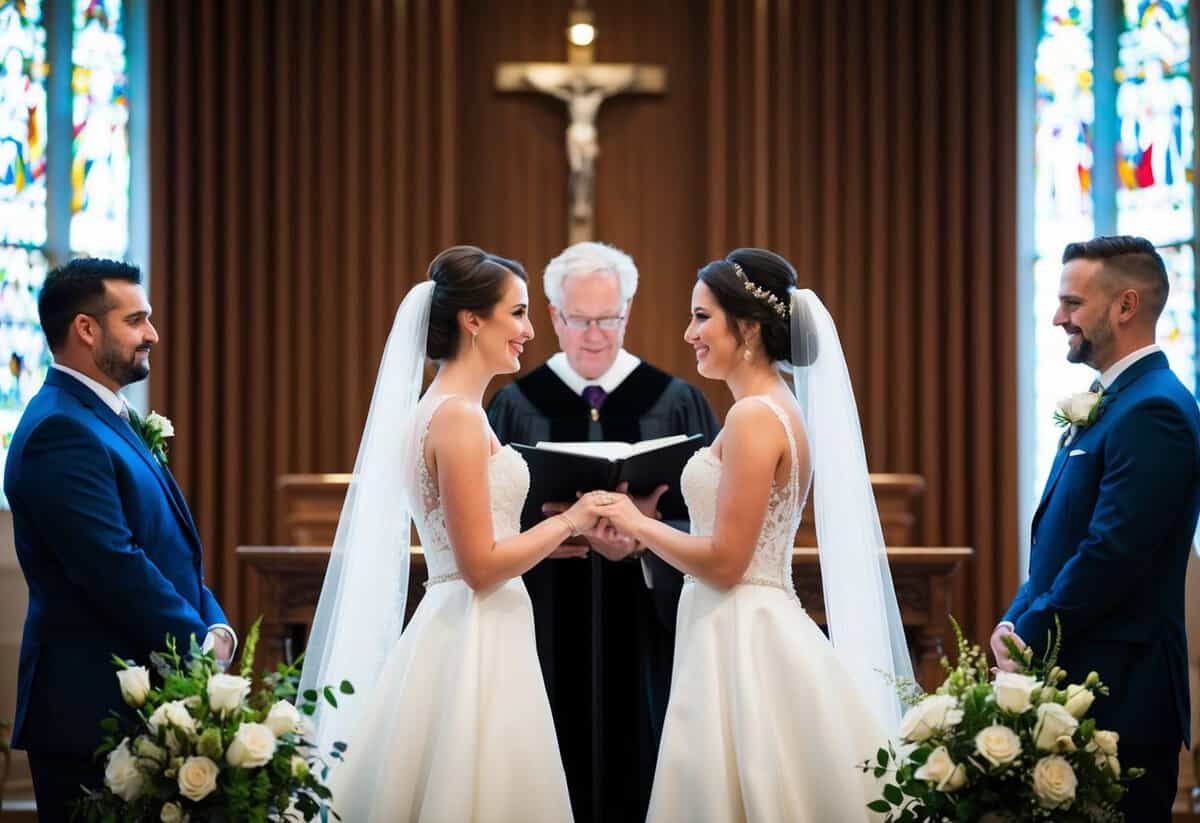
UK wedding vows have a rich history rooted in tradition. The vows you encounter today often trace back to ancient practices that have evolved over the centuries. Understanding their origins will give you a deeper appreciation for their meaning and significance.
Roots in the Book of Common Prayer
The modern wedding vows in the UK can be linked to the Book of Common Prayer, first published in 1549. This book was developed by Thomas Cranmer and provided a standard text for various church services, including marriage.
The marriage ceremony outlined in this book introduced vows that became widely accepted in England. For example, it included the famous lines where one partner pledges to take the other as a lawfully wedded spouse. These vows represented a formal commitment before God and the community, emphasizing the sacredness of marriage.
Evolution from the Sarum Rite
The Sarum Rite, an older church tradition from the medieval period, influenced the Book of Common Prayer significantly. This rite included various manuals used in church services across England, particularly in the dioceses of Salisbury and York. The compilers of the Book of Common Prayer adapted elements from this older rite, making changes that reflected the needs of that time while keeping the essential meaning.
As you explore these origins, you see how traditions can shape modern practices, preserving values while adapting to new contexts.
Components of Traditional UK Wedding Vows
Traditional UK wedding vows have several key components that emphasize commitment and legal obligations. These components are essential for expressing love, promises to one another, and the solemnity of the occasion.
Contracting Words and Legal Declarations
The contracting words are the foundation of wedding vows. They typically include phrases that indicate commitment, such as “I take you to be my lawfully wedded wife/husband.” This declaration is essential for the legal aspect of the marriage.
In the UK, these words often signal the start of a contractual relationship. This means both partners agree to uphold the commitments made. Using clear and specific language ensures that both parties understand the seriousness of their promises.
Additionally, traditional words like “till death do us part” reflect the lifelong nature of this commitment. By stating these vows, you’re publicly declaring your intention to enter into a legal and loving partnership.
Exchanging of Rings
The exchange of wedding rings is a significant moment in the ceremony. Rings serve as a physical symbol of your love and commitment. When you place a ring on your partner’s finger, you often accompany this with a spoken vow.
These words reinforce the meaning of the ring. Phrases like “with this ring, I thee wed” clearly express your intention to commit to one another fully.
The circle of the ring represents eternity. It shows that your love is continuous, with no end. Many couples treasure this moment as it marks the binding of their promises.
Promises and Commitments
Promising commitment to each other is at the heart of traditional wedding vows. You may promise to love, cherish, and support your partner through various life stages: good times and bad, health and sickness.
Common phrases include “for better for worse” and “in sickness and in health.” These words reflect readiness to stand by one another regardless of circumstances.
Your wedding vows are a public declaration of the personal promises you make. They often convey deep emotions and serious intentions. This aspect is what many couples find most meaningful during their ceremony.
Contemporary and Civil Ceremony Vows
When planning a wedding, choosing the right vows is essential, especially for contemporary and civil ceremonies. These vows offer you the chance to express your commitment in a way that feels genuine and meaningful.
Civil Marriage and Partnership Ceremonies
In the UK, civil marriages and civil partnership ceremonies are non-religious. They are performed by a registrar or an authorized officiant.
During a civil ceremony, you must include a legal declaration and specific vows. The vows you choose should affirm your commitment to each other. You can select standard vows or personalize them to reflect your relationship.
Some key components include promises of love and support, as well as a commitment to stand by each other through life’s challenges. Importantly, ensure that your vows contain no religious elements, as civil ceremonies are secular.
Writing Your Own Vows
Writing your own vows can make your ceremony even more special. Personalizing your vows allows you to share your feelings and promises in your own words.
Start by thinking about what your partner means to you. Reflect on your journey together and the future you envision. Aim for sincerity and keep your language clear.
Typically, you might want to include specific promises, such as supporting each other’s dreams or being there in tough times. Don’t hesitate to add a touch of humor or a personal anecdote. Just remember to keep it heartfelt and concise.
Writing your vows is a wonderful opportunity to make your civil ceremony truly one-of-a-kind.
Religious and Cultural Variations of Vows
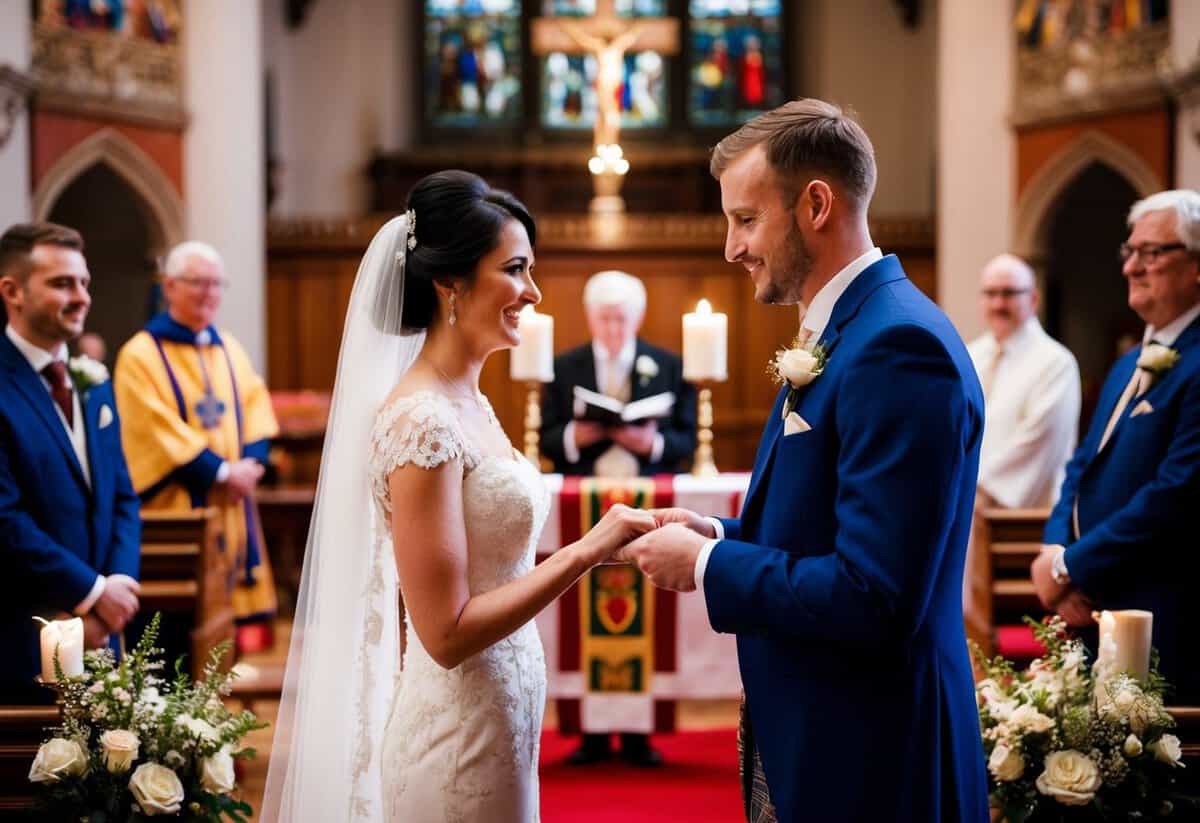
When it comes to wedding vows in the UK, there are significant differences based on religious and cultural traditions. Understanding these variations can help you choose the right vows for your special day.
Catholic and Anglican Traditions
In Catholic and Anglican ceremonies, religious vows play a vital role. Typically, you express your commitment to each other with clear and heartfelt phrases.
For example, a common Catholic vow includes, “I, [Name], take you, [Partner’s Name], to be my lawful wedded wife/husband.” You might also hear commitments to love, honor, and cherish each other throughout your lives.
These vows often involve a priest’s blessing and may include a few hymns or prayers. Reflection on spiritual values is also common, making these vows feel even more special.
Adaptations in Different Faiths
Various faiths adapt their wedding vows to reflect their beliefs. In a Muslim ceremony, the couple might narrate their intentions and promises before God. In these vows, they emphasize the importance of family and community.
Similarly, Hindu weddings often include vows taken around a sacred fire, called “Saptapadi.” Here, you could promise to support each other for seven lifetimes.
These variations highlight how personal and meaningful wedding vows can be. Pay attention to the rituals that resonate with you and your partner’s backgrounds. It’s a wonderful way to honor your traditions while celebrating your love.