
What Are the Standard Wedding Vows in the UK? A Guide for Couples
When planning your wedding ceremony, you need to understand the vows you will exchange. In the UK, couples often use vows that include a promise to love, honor, and cherish. These vows are an important part of the ceremony and are meant to reflect your commitment to one another.
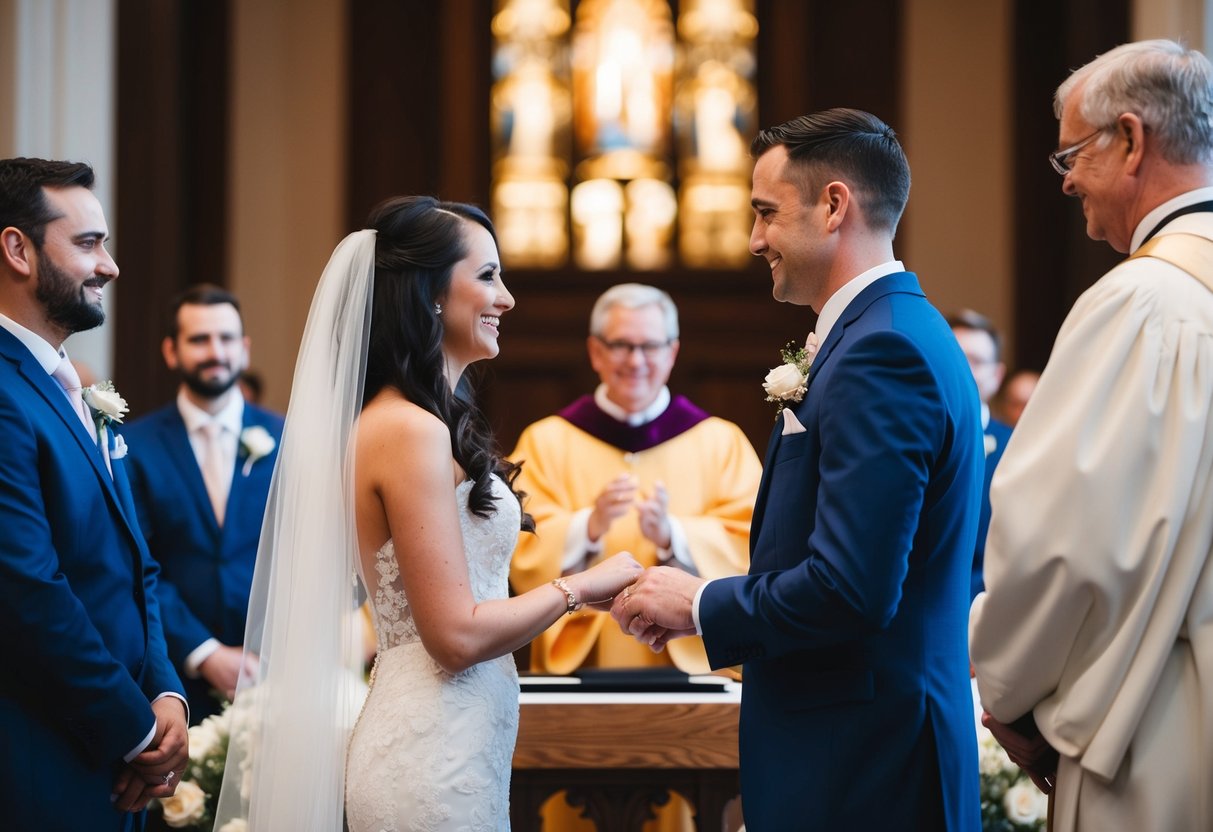
Different types of ceremonies may have various vows, especially in religious settings. For example, the Church of England often uses traditional vows that emphasize love and fidelity. Whether you choose classic or modern words, your ceremony vows will set the tone for your marriage and create lasting memories for you and your guests.
As you prepare for your big day, exploring these vows can help you feel more connected to the significance of your wedding ceremony. Knowing what to expect will make the entire experience feel more meaningful and personal.
Historical Context of UK Wedding Vows
The history of wedding vows in the UK is rich and varied. These vows have changed over time, shaped by culture, religion, and social movements. Understanding their origins gives insight into what is said during modern ceremonies.
Origins of Traditional Vows
Traditional wedding vows in the UK date back to the medieval period. During this time, vows were often simple, focusing on the couple’s commitment to each other.
Marriage was viewed as a sacred bond, blessed by the church. Vows included promises of love and fidelity, emphasizing the spiritual and social responsibilities of marriage.
Over time, these early vows evolved, leading to more structured forms used in ceremonies today. Such changes reflect shifting values and the growing importance of individual choice in marriage.
The Book of Common Prayer and Its Influence
The Book of Common Prayer, published in 1549, played a crucial role in standardizing wedding vows. Created by Thomas Cranmer, it provided a consistent structure for religious ceremonies.
This book offered couples a choice of vows that combined traditional elements with clearer language. Many of the vows contained in the Book have remained in use, reflecting a commitment founded on faith.
The Book’s influence continues to be seen in Anglo-Catholic and Anglican ceremonies today. The structure encourages couples to express their promises in meaningful ways.
Sarum Rite and its Legacy in Modern Ceremonies
The Sarum Rite, associated with the Church of Salisbury, is one of the earliest forms of church service in England. It included marriage vows that became widely accepted, setting a standard for many parishes.
When the Book of Common Prayer was developed, it largely followed the Sarum Rite. Though adapted over the years, the core elements of these traditional marriage vows still echo in modern ceremonies.
Many couples today may choose to follow these historical practices while also personalizing their vows. This blend of tradition and individuality enriches the wedding experience for many.
Contemporary Wedding Vows in the UK
Contemporary wedding vows in the UK blend tradition with personal expression. You can choose modern language, write your own vows, or adapt traditional ones to fit your style and faith.
Civil Ceremony Requirements
In a civil ceremony, you must make a legal declaration to marry. This usually includes stating your intent to become partners. The ceremony can take place in various approved venues like registry offices or private locations.
You’ll need to provide important documents, such as proof of identity and residence. It’s essential to choose wording that meets legal requirements while also reflecting your feelings. Couples often select vows from the “Common Worship” resource, allowing for some customization.
Religious Wedding Vow Variations
For those choosing religious vows, options can vary widely. In a church, you may use standard religious vows from the Church of England or the Catholic Church. These vows are sacred promises made in the presence of God.
If you prefer, you can also adapt these vows. Some couples choose to mix traditional phrases with personal elements. For example, you might say, “I promise to love you as my faith teaches” to align your vows with your beliefs.
Writing Your Own Vows
Writing your own vows is a wonderful way to express your unique love story. While you can include personal promises, make sure they reflect your genuine feelings.
Consider starting with traditional themes like loyalty, love, and support. You might say, “I promise to stand by you through any challenge.” Keep your vows concise and sincere, generally around one to two minutes long. Sharing these heartfelt words can make your ceremony truly memorable, making the moment special for you and your guests.
Key Elements of Wedding Vows
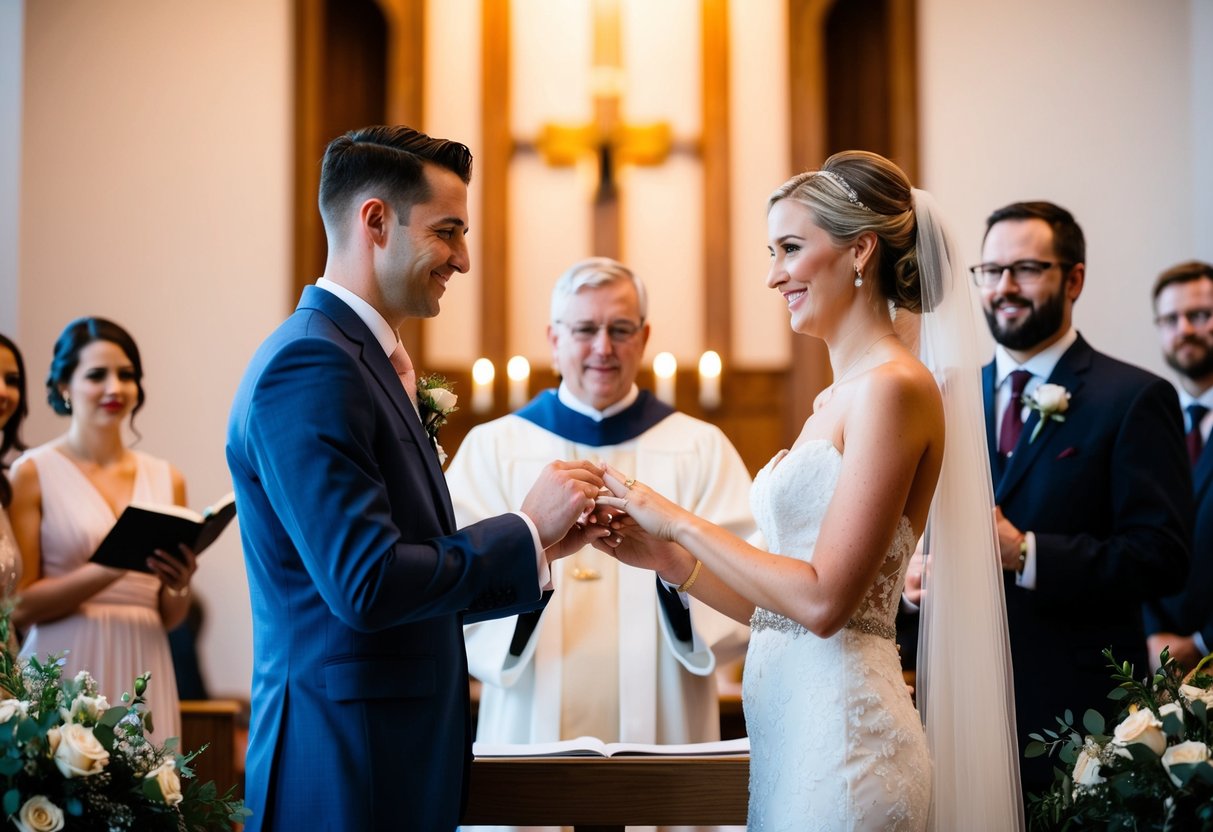
Wedding vows are a heartfelt part of the ceremony, expressing love and promises. They include specific phrases and actions that tie the couple together in marriage. Let’s explore the important elements in detail.
Contracting Words
When you speak the contracting words during your ceremony, you make a formal commitment. Traditional vows often include phrases like “I take thee” and “for better or for worse.”
These words are essential because they signify your intent to enter into a lifelong partnership. You promise to love, support, and cherish your partner. Various denominations may have slight variations in their vows, but the core message remains the same.
It’s also common to hear “till death do us part,” underscoring the seriousness of your pledge. These vows are not just words; they create a binding contract of love and respect between you and your partner.
Exchanging Rings
Exchanging rings is a significant tradition in wedding ceremonies. The act of placing a ring on each other’s fingers represents the commitment you are making.
The ring is often seen as a symbol of eternal love, with no beginning or end. As you say your vows, you may hold the ring and declare your intention to love and care for your partner.
In some traditions, this exchange takes place right after the contracting vows. The physical act of giving and receiving the ring reinforces your promises. It can be a powerful moment, marking your new journey together.
Commitment to Each Other
Your commitment to each other is at the heart of the vows you take. This is where you express your dedication to support and be there for one another.
Your vows might include promises to stand by each other during tough times and to celebrate together in joyful moments. This commitment shows that you are both ready to face life’s challenges as a team.
By stating these intentions publicly, you not only affirm your love for each other but also invite your friends and family to witness this life-altering moment. It’s a promise that goes beyond words, aiming to shape your shared future.
Planning Your Ceremony
When planning your ceremony, focus on personal touches that reflect your style and values. Key elements to consider include your vows, readings, music, and the venue. Each of these aspects can help create a memorable experience for you and your guests.
Choosing Your Vows and Readings
Selecting the right vows is essential for expressing your commitment. In the UK, you may choose standard vows or personalize your own. Consider what resonates with you: traditional vows often emphasize love, fidelity, and support.
Incorporating readings can add depth to your ceremony. You might choose passages from literature, poetry, or religious texts. You can even ask a family member or friend to read to make it more special.
Make sure any chosen vow or reading reflects both of your personalities and beliefs.
Incorporating Music and Hymns
Music sets the tone for your wedding. Decide if you want classical music or contemporary songs. You can choose to have a live band, a string quartet, or a DJ. Think about special songs that mean something to both of you.
If you are having a religious ceremony, consider including hymns that hold significance for your families. Discuss with your officiant on what hymns are appropriate for the service. Whether it’s during the processional or the signing of the register, music enhances the emotional feel of your marriage service.
Selecting a Venue
The right venue is crucial for your ceremony. You might choose a charming church, a beautiful garden, or a unique spot like a historic home such as Pynes House. Each venue has its own charm and ambiance.
Think about how the space matches your vision. A civil ceremony can be held at a registry office, while a civil partnership ceremony can take place at various licensed venues.
Make sure to visit potential places to gauge their suitability for your personal style and guest size.