
What Are the Three Seating Arrangements? A Guide to Choosing the Right Setup for Your Event
When planning a classroom or event, the seating arrangement can greatly influence student learning and engagement. The three main types of seating arrangements are traditional rows, clusters, and circle seating. Each arrangement has its own strengths and can create a different atmosphere for learning and interaction.
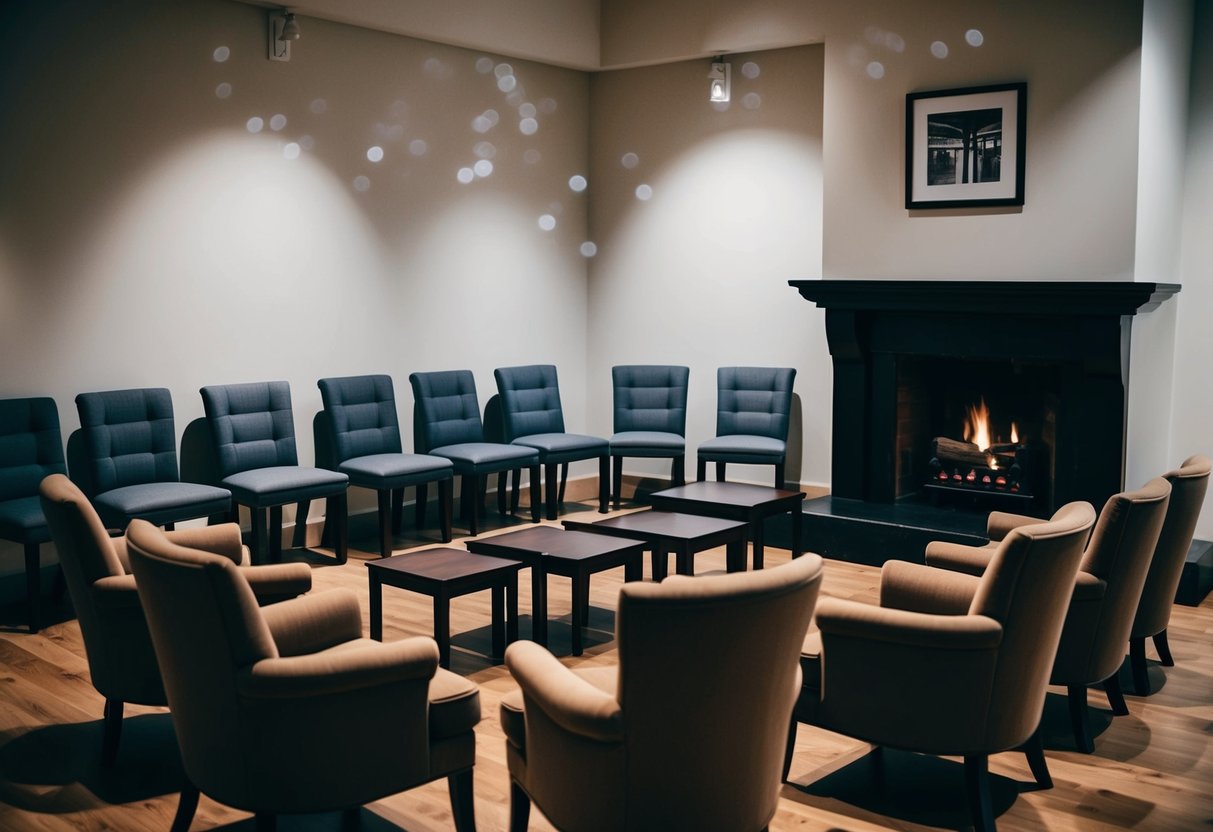
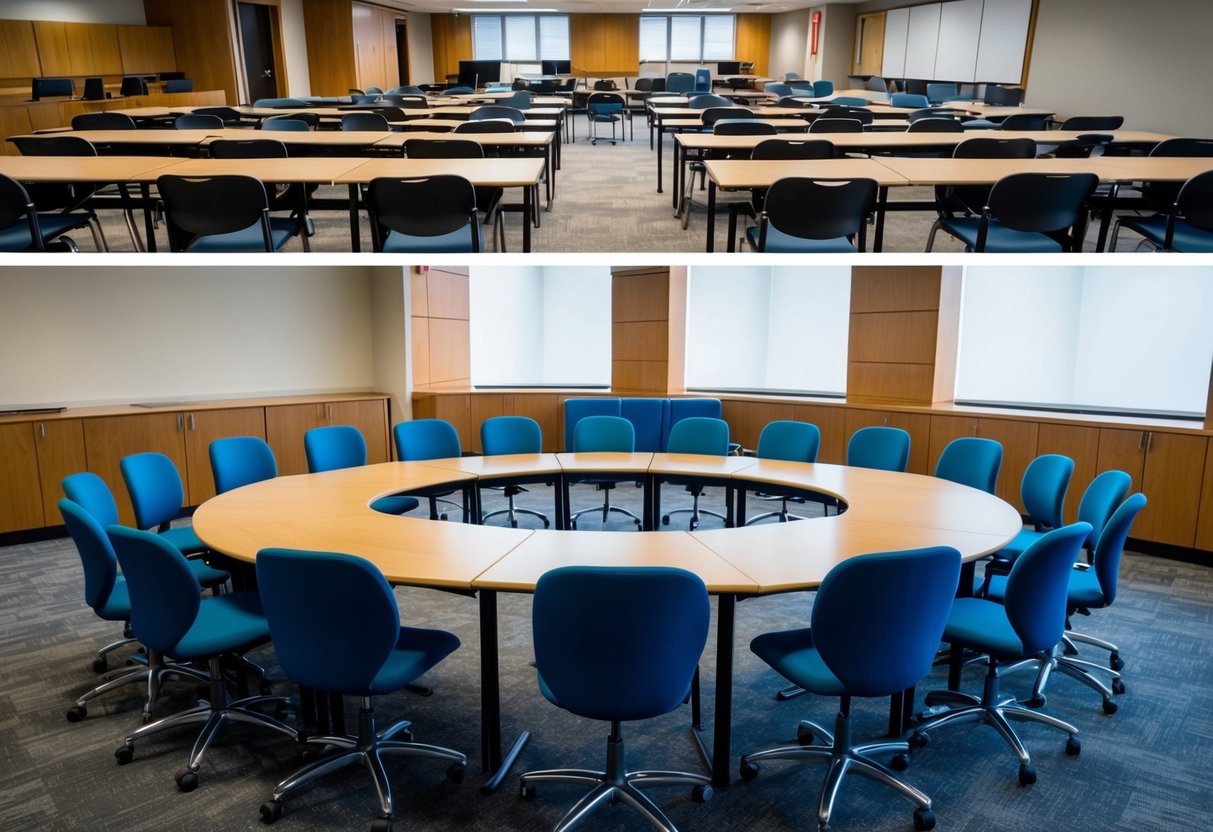
In traditional rows, students face the front, minimizing distractions and keeping attention on the teacher. This setup is great for lectures and direct instruction.
Clusters allow for collaboration, encouraging student interaction and group work, perfect for projects or discussions.
Circle seating promotes open conversation and inclusivity, making it ideal for group activities and workshops.
Choosing the right seating arrangement can enhance classroom management and foster effective learning. Whether you aim for focused discussions or collaborative projects, the arrangement you select will impact how students engage with each other and the material.
Types of Seating Arrangements
Choosing the right seating arrangement can enhance interaction and engagement during your event. Here are three common types you might consider: traditional rows and columns, group work settings, and U-shape or horseshoe arrangements.
Traditional Rows and Columns
This seating arrangement is often used in classrooms and lecture halls. In this layout, chairs or desks are placed in neat rows facing the front.
Advantages:
- Focused Attention: All participants can easily see the speaker.
- Easy Management: Simple to organize for large groups.
Disadvantages:
- Limited Interaction: This setup makes it tough for attendees to engage with each other.
- Fixed Perspective: Attendees only have a view of the front, which can feel restricting.
This layout is perfect for lectures or presentations where listening is the main focus.
Groups and Group Work
When collaboration is key, consider using a group work seating arrangement. This layout involves clustering chairs or desks together.
Advantages:
- Enhanced Communication: Participants can easily talk to one another.
- Collaborative Learning: Great for brainstorming sessions and activities.
Disadvantages:
- Noise Level: Group discussions can create background noise.
- Space Distribution: Requires more room, which may not be available in smaller venues.
This arrangement works well for workshops or seminars where interaction is encouraged.
U-Shape and Horseshoe Arrangements
The U-shape or horseshoe seating arrangement brings everyone into a semi-open configuration. With tables forming a U-shape, everyone faces each other while also keeping the speaker in view.
Advantages:
- Engaged Discussion: Everyone can see and communicate easily.
- Facilitated Presentations: Great for workshops where interaction between the presenter and participants is needed.
Disadvantages:
- Space Consideration: It requires enough space to set up comfortably.
- Limitations for Large Groups: Best suited for smaller groups to maintain effective communication.
This arrangement is ideal for meetings, training sessions, or discussions where engagement is crucial.
Influence on Classroom Dynamics

The way you arrange seats in a classroom can greatly affect how students interact, learn, and perform. This affects their engagement levels and overall classroom dynamics.
Engagement and Active Learning
When students are seated in a way that encourages interaction, they tend to be more engaged in their learning. For example, group seating arrangements allow for discussions and teamwork. This setup fosters active learning as students share ideas and support each other.
In contrast, traditional row seating may limit participation. Students might feel isolated and less inclined to speak up.
To boost engagement, consider using flexible seating that lets you change arrangements based on the activity. Engaged students are more likely to retain information and complete their work successfully.
Classroom Layout and Student Performance
The layout of your classroom can influence student performance. Studies show that different seating arrangements can impact how well students understand and apply concepts.
For instance, U-shaped arrangements promote better visibility and communication, leading to improved classroom dynamics.
In contrast, a structured row arrangement may enhance focus for some students, especially those who benefit from less distraction. This shows that you can tailor layouts to meet diverse needs.
The right seating can turn a simple lesson into an interactive experience, improving both learning outcomes and classroom atmosphere.
Considerations for Classroom Design
When designing a classroom, you should focus on creating an environment that meets student needs and encourages effective learning. Key factors include flexible seating options and smart space utilization.
Flexible Seating and Student Needs
Flexibility in seating arrangements allows students to choose where they work best. Options like bean bags, standing desks, or traditional chairs can cater to different learning styles. This variety helps create a comfortable space where students feel at ease.
The choice of seating also influences collaboration. Arranging seats in clusters or pods encourages group work and discussion. When students are comfortable, they are more likely to stay focused on tasks.
Additionally, accommodating specific needs, such as mobility challenges, is crucial. Ensure pathways are clear and that tables or desks are adjustable. Thoughtful seating promotes engagement and supports diverse learning requirements.
Maximizing Space for Effective Learning
Efficient use of space can create an engaging learning atmosphere. Consider open layouts and movable furniture to allow quick changes during lessons.
This adaptability helps maintain student attention and can foster interactive learning.
Use wall space effectively by adding whiteboards or bulletin boards. This creates areas for displaying student work or facilitating group activities.
Designate zones for quiet work, group collaboration, and hands-on projects.
Balance your layout to minimize distractions. Place materials and supplies within easy reach to prevent interruptions.
A well-organized classroom encourages students to stay on task and enhances their overall learning experience.