
What Are the Traditional Wedding Rules? A Guide to Classic Wedding Etiquette
When planning your wedding, you might wonder about the traditional wedding rules that have stood the test of time. These rules offer guidance on how to navigate your special day while honoring customs that many couples cherish. From choosing your wedding party to who walks down the aisle first, these traditions can help you create a memorable day.
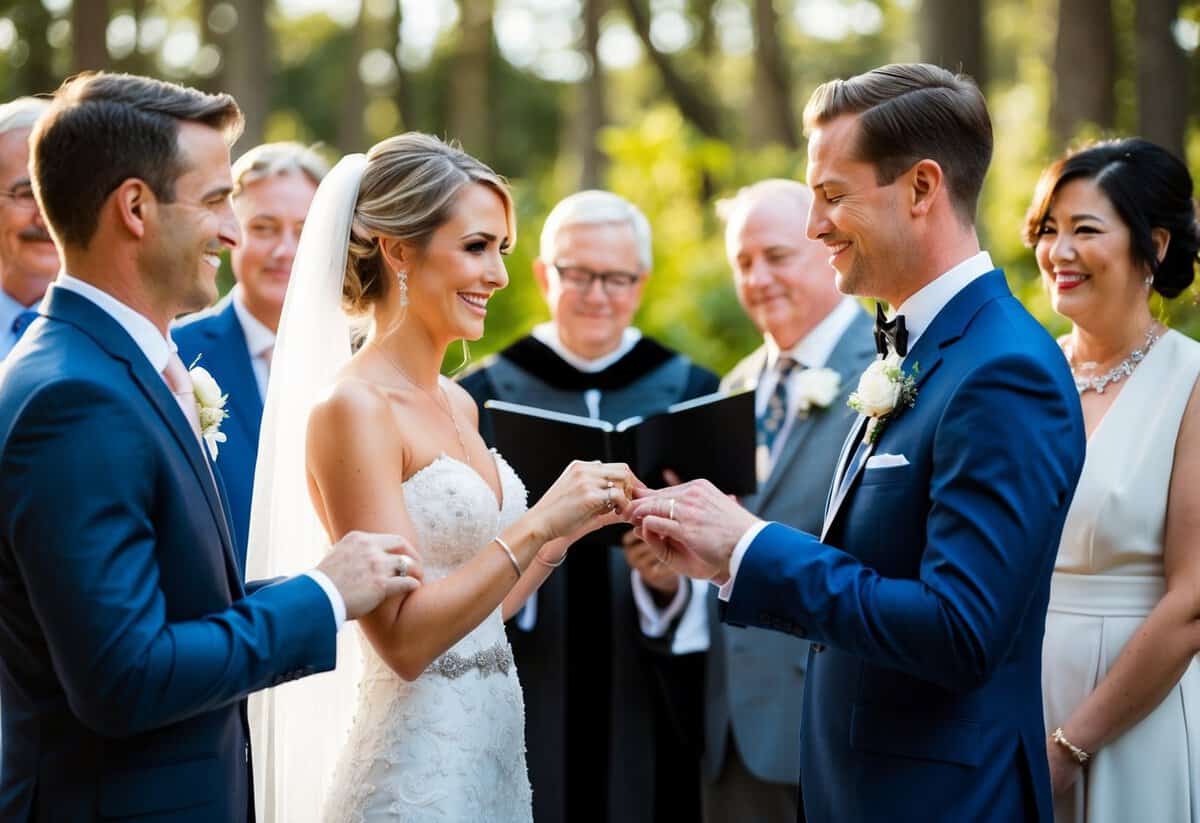
Understanding these customs can also ease the stress of planning. Whether you’re curious about the role of bridesmaids or the importance of a rehearsal dinner, knowing what is typically expected can help you make informed decisions. Remember, while tradition can provide a framework, it’s your day to celebrate in a way that feels right for you.
As you dive into these traditional wedding rules, you may find that some resonate with you while others might not fit your vision. This blend of tradition and personal touch is what makes your wedding uniquely yours, allowing you to honor the past while creating new memories for the future.
Pre-Wedding Preparations
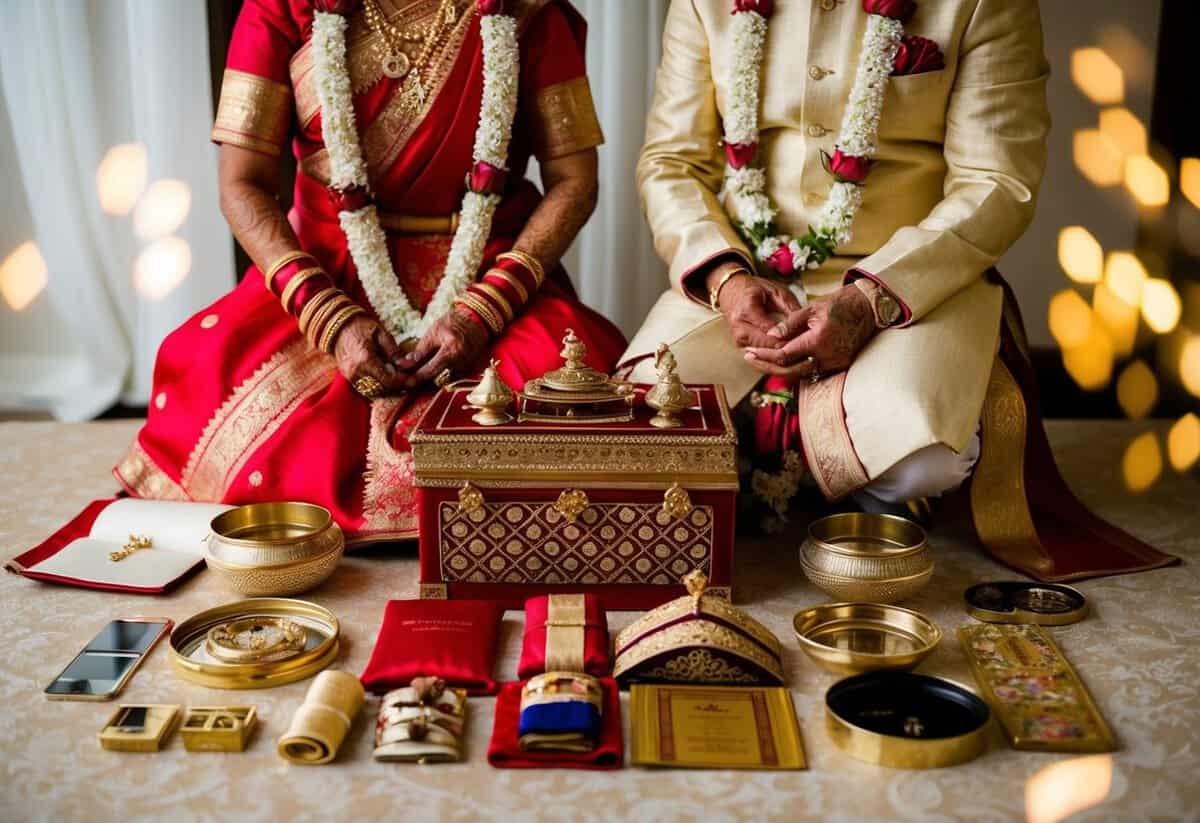
Pre-wedding preparations are essential steps that help set the tone for your wedding. From sharing joyful news about your engagement to organizing your guest list and creating a wedding registry, each task plays a crucial role in planning your special day.
Engagement and Announcements
Once you’ve decided to tie the knot, it’s time to share your exciting news! You can make your announcement through a phone call, a social media post, or even a fun engagement party.
Consider sending out formal engagement announcements to close family and friends. These can be simple cards that let everyone know about your upcoming wedding. Remember, this moment is about celebrating your love, so enjoy it!
Guest List and Invitations
Creating your guest list is one of the first steps in wedding planning. Start by listing everyone you want to invite. Remember to consider family, friends, and coworkers.
Once you have your guest list, it’s time to focus on invitations. Choose a design that reflects your wedding theme. Make sure to include essential details like the date, time, and location. Send them out well in advance to give guests ample time to prepare. Remember, RSVPs will help you finalize your seating arrangements!
Wedding Registry
A wedding registry is a fantastic way for you to receive gifts that you truly want or need. Start by selecting items that fit your lifestyle and household needs, such as kitchen gadgets, home decor, or experiences.
You can set up your registry at various stores, both online and in-person. Share your registry details with your guests, so they know where to shop. It’s a smart way to ensure you get things that will enhance your new life together. Plus, it makes gifting easy for your guests!
Ceremony Essentials
When planning your wedding ceremony, several traditional elements are key to creating a memorable event. From the vows exchanged to the attire worn, each part contributes to the significance of your special day.
Wedding Vows and Rituals
Wedding vows are the heart of any ceremony. They express your love and commitment in your own words or through traditional promises. You might choose to write your vows for a personal touch, or opt for classic phrases like “to have and to hold.”
Rituals also enhance the ceremony. Common traditions include the unity candle, where you light a candle together to symbolize your union. Another option is the sand ceremony, which involves blending sand from two separate containers into one, representing your lives coming together.
Dress Code and Attire
The dress code sets the tone for your wedding ceremony. Traditionally, brides wear white or ivory gowns symbolizing purity. Bridesmaids often choose dresses that complement the bride’s gown, ensuring a cohesive look.
As for the men, the groom usually wears a suit or tuxedo. The best man typically matches the groom in appearance. The father of the bride may wear a similar formal outfit to honor his role as a supporter and leader during the ceremonies.
Make sure everyone’s attire is discussed ahead of time. This ensures a unified and polished appearance for you and your wedding party.
Roles and Responsibilities
Understanding the roles of those involved in the ceremony is vital. The bride and groom take center stage, but your wedding party’s support is equally important.
The best man holds the rings and offers a toast at the reception. Bridesmaids help the bride with her dress and may assist with planning tasks. The father of the bride often escorts his daughter down the aisle and gives a welcoming speech.
Clarifying these roles can reduce confusion. It allows everyone to know what to expect on your big day, helping the ceremony run smoothly.
Wedding Reception Traditions
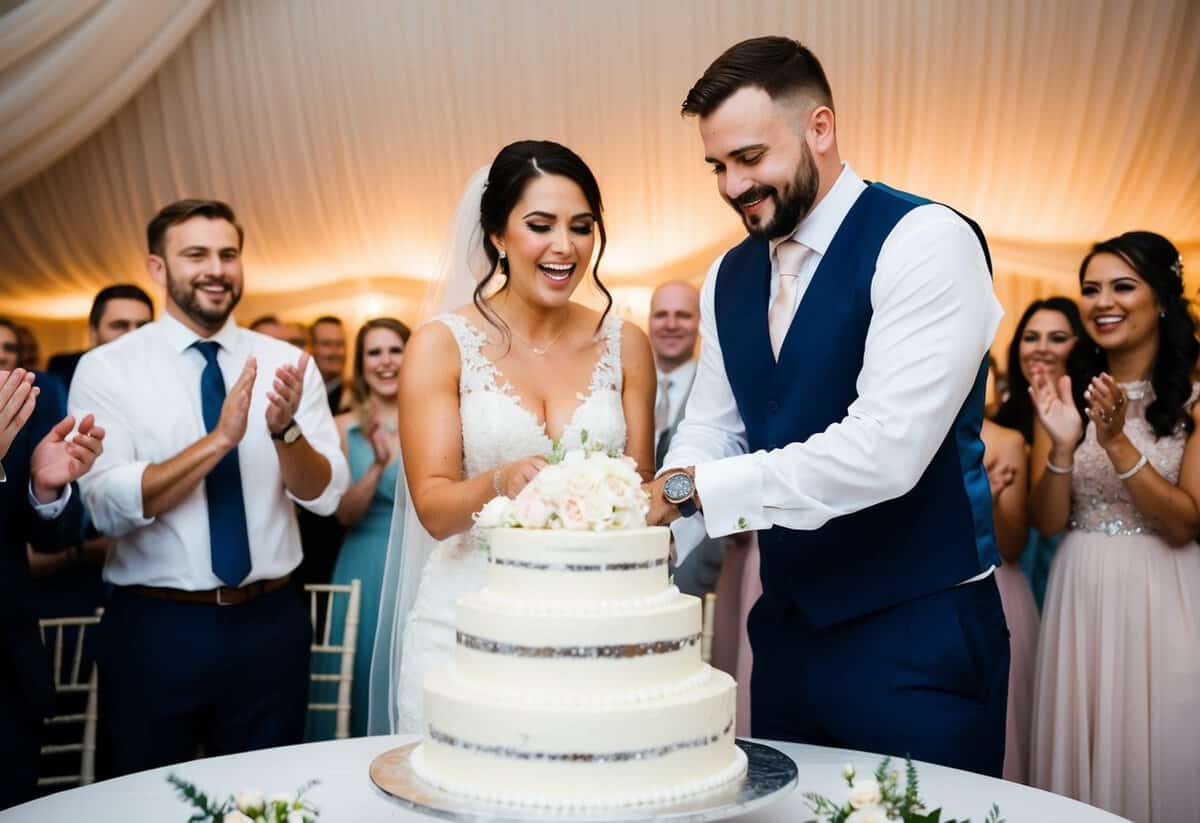
Wedding receptions are a time for celebration, gathering loved ones, and enjoying key traditions. Understanding these customs can help you create the perfect atmosphere and memories for your big day.
Seating and Dining Etiquette
Seating arrangements are important for comfort and enjoyment. You might consider a mix of tables for families, friends, and the wedding party.
Tips for Seating:
- Plan tables with a blend of personalities.
- Keep close family members together for support.
Dining etiquette often includes a formal meal with courses. Traditional receptions may follow a sit-down dinner style, which encourages conversation.
Food Choices:
- Consider dietary restrictions.
- Offer a range of dishes for variety.
During dinner, toasts and speeches are common. This is a chance for loved ones to share stories and support the couple.
Wedding Cake and Celebrations
The wedding cake is a highlight of the reception. It symbolizes abundance and happiness. Cutting the cake is often an event where you and your partner share a moment together.
Cake Traditions:
- The couple usually cuts the cake together.
- Feeding each other a piece is a fun custom.
Don’t forget to consider the design and flavors. Your cake should represent your style, whether classic or unique.
Ideas for Cake:
- Try different flavors for guests.
- Consider a small cake for the couple with a larger sheet cake for guests.
Celebrations may also include additional desserts or treats, making the event more festive.
Dances and Bouquet Toss
Dancing is a central feature of wedding receptions. The couple often shares the first dance, followed by dances with family members. This creates an emotional atmosphere and connects everyone.
Dance Highlights:
- Plan special dances for parents and the wedding party.
- Choose meaningful songs to enhance the moment.
The bouquet toss is another fun tradition. You, as the bride, throw your bouquet to the unmarried guests. This is meant to symbolize good luck and future happiness.
Bouquet Toss Tips:
- Gather your single friends for the event.
- Make it a lively and enjoyable moment for all.
Post-Wedding Etiquette
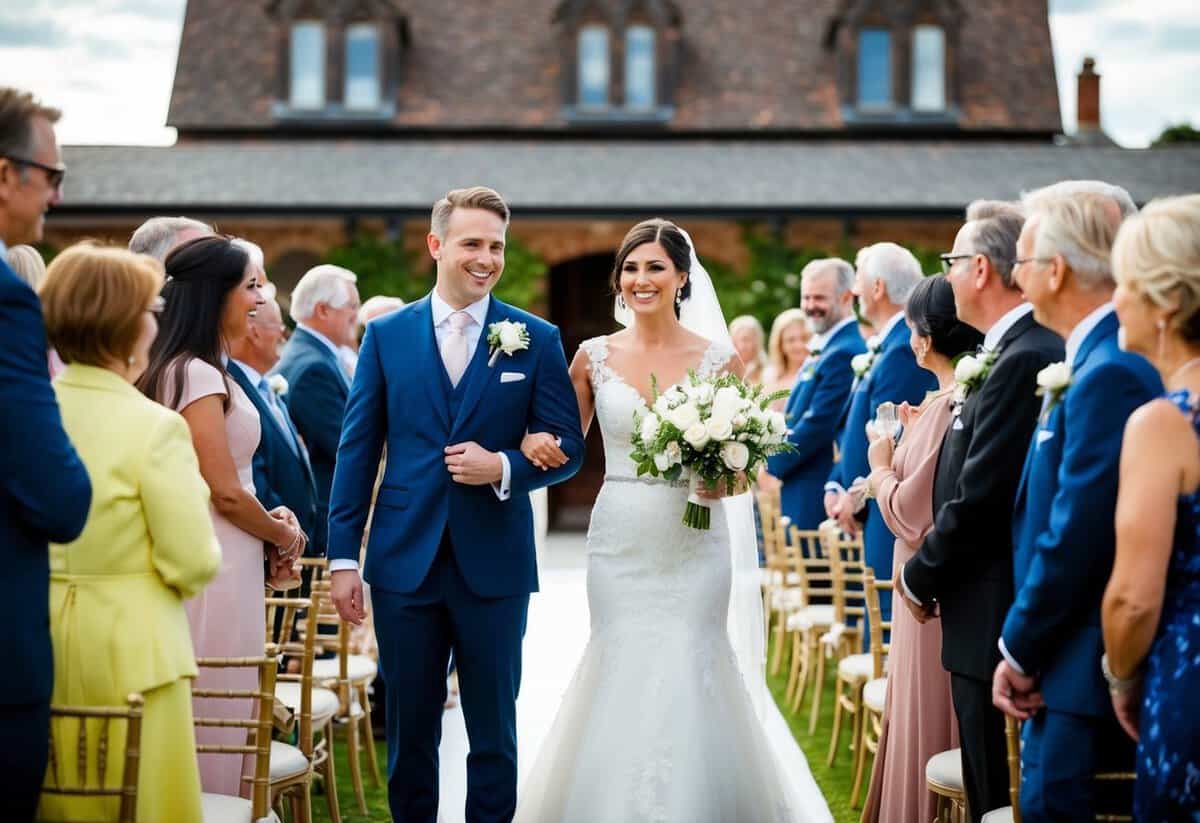
After your wedding, there are a few important tasks to remember that show your appreciation to others.
Thank You Cards
Start writing thank you cards as soon as possible. Aim to send them within three months of your wedding. This courtesy lets your guests know you value their presence and gifts.
Wedding Gifts
When you receive gifts, note what each person gave you. Use this list to personalize your thank-you messages. This attention to detail makes your gratitude feel more genuine.
Thank-You Notes
For gifts with personal touches, your note should reflect that. A simple statement about how you’ll use the gift can be very meaningful. For example, “Thank you for the beautiful vase! It will look perfect on our dining table.”
Gratitude to Vendors
Don’t forget your vendors! A thank-you note or a quick email can go a long way. If they provided excellent service, consider leaving a positive review online.
Timing is Key
Remember that promptness matters. The sooner you send out your thank-you cards and notes, the better.