
What Are the UK Wedding Vows? Understanding Traditions and Meaning
Wedding vows are a key part of your big day, symbolizing your love and commitment to one another. In the UK, traditional wedding vows often include phrases like “I, [Name], take you, [Partner’s Name], to be my lawfully wedded wife/husband.” These vows reflect the essence of marriage as a new beginning, focusing on promises made from the heart.
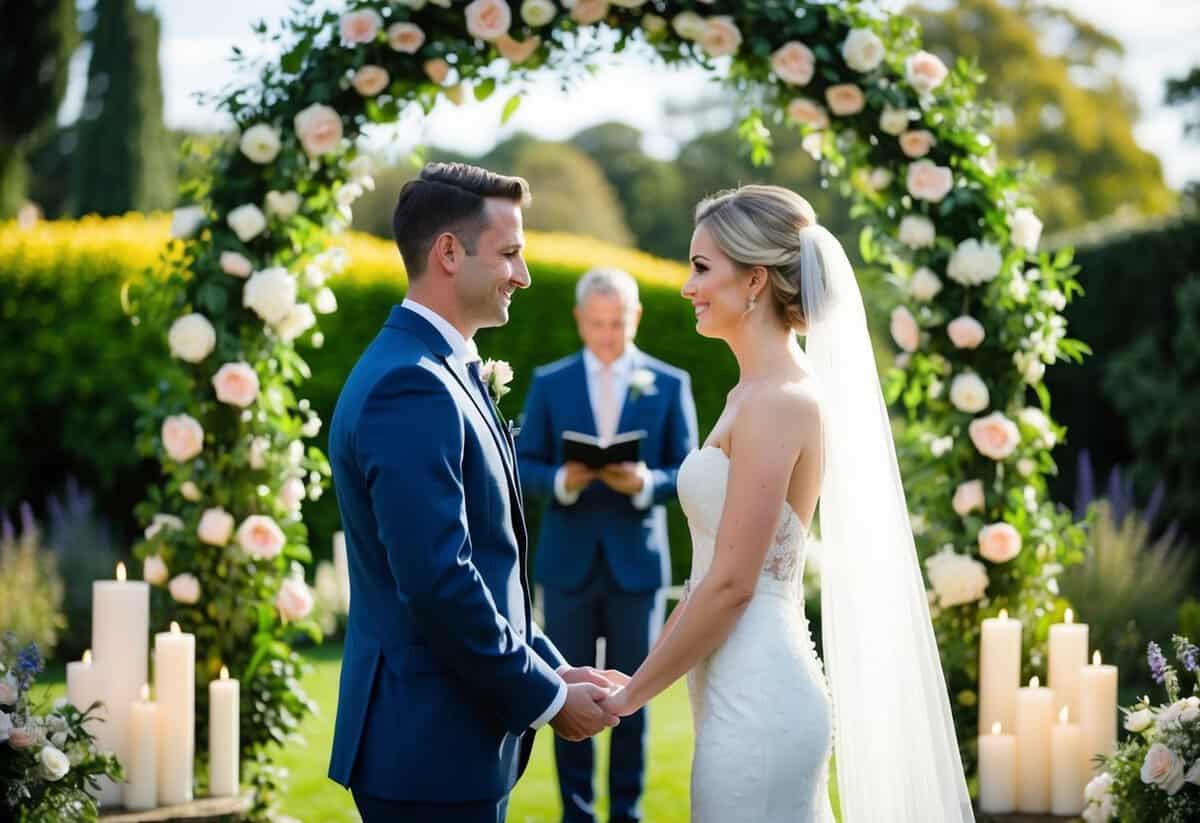
As you plan your wedding, consider how your vows can express your feelings and intentions. Whether you choose classic vows or write your own, this moment is all about declaring your love and commitment. It’s a cherished part of your ceremony that makes the day truly special.
Understanding the significance of these vows can help you create a meaningful experience during your wedding. Embrace this opportunity to share your heartfelt promises, marking the start of your exciting journey together.
History of UK Wedding Vows
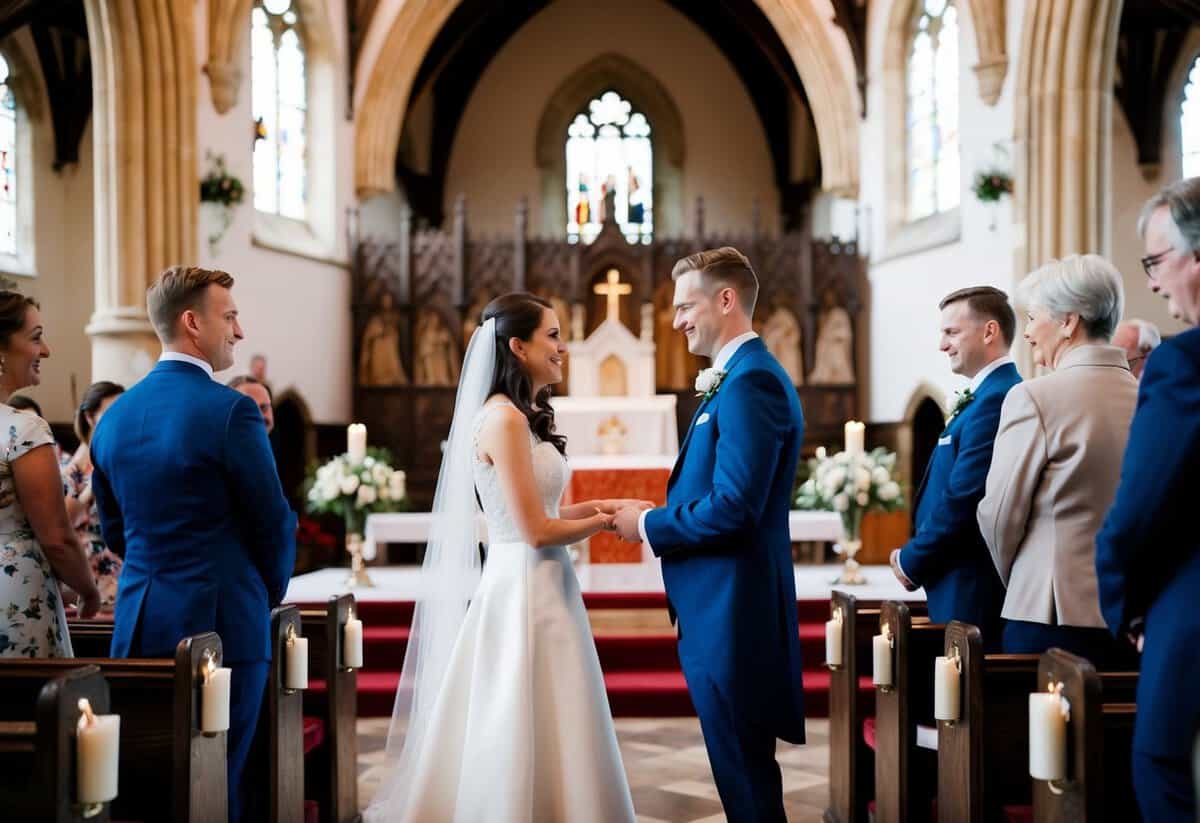
UK wedding vows have a rich background that ties deeply into religious traditions and influential texts. Understanding their history helps you appreciate the meaning behind the vows exchanged during your wedding ceremony.
Origins in Religious Traditions
Traditional wedding vows have roots in various religious practices. Both the Church of England and the Catholic Church have shaped these vows over centuries.
In many cases, vows reflect commitments made before God, emphasizing love, fidelity, and support. Phrases like “for better or worse” are commonly included, expressing the solemn nature of the promise.
Religious wedding vows vary slightly between denominations. For instance, Catholic wedding vows often include specific language regarding the sacrament of marriage. This highlights the spiritual significance behind the vows.
These traditional marriage vows remain popular today, reminding couples of their commitment to one another in the eyes of faith.
Book of Common Prayer and Its Influence
The Book of Common Prayer, first published in 1549, played a significant role in shaping UK wedding vows. It provided standardized texts for ceremonies, including marriage services.
The Church of England used this book to ensure the vows had a consistent and formal structure. Couples often choose vows from this text during their ceremonies.
One famous phrase from the Book of Common Prayer is “for richer, for poorer.” This encapsulates the essence of partnership through life’s highs and lows. Some couples may opt for contemporary language for a more modern feel.
The influence of this book is still seen today, as many aim to honor tradition while making their vows personal.
Components of Traditional UK Wedding Vows
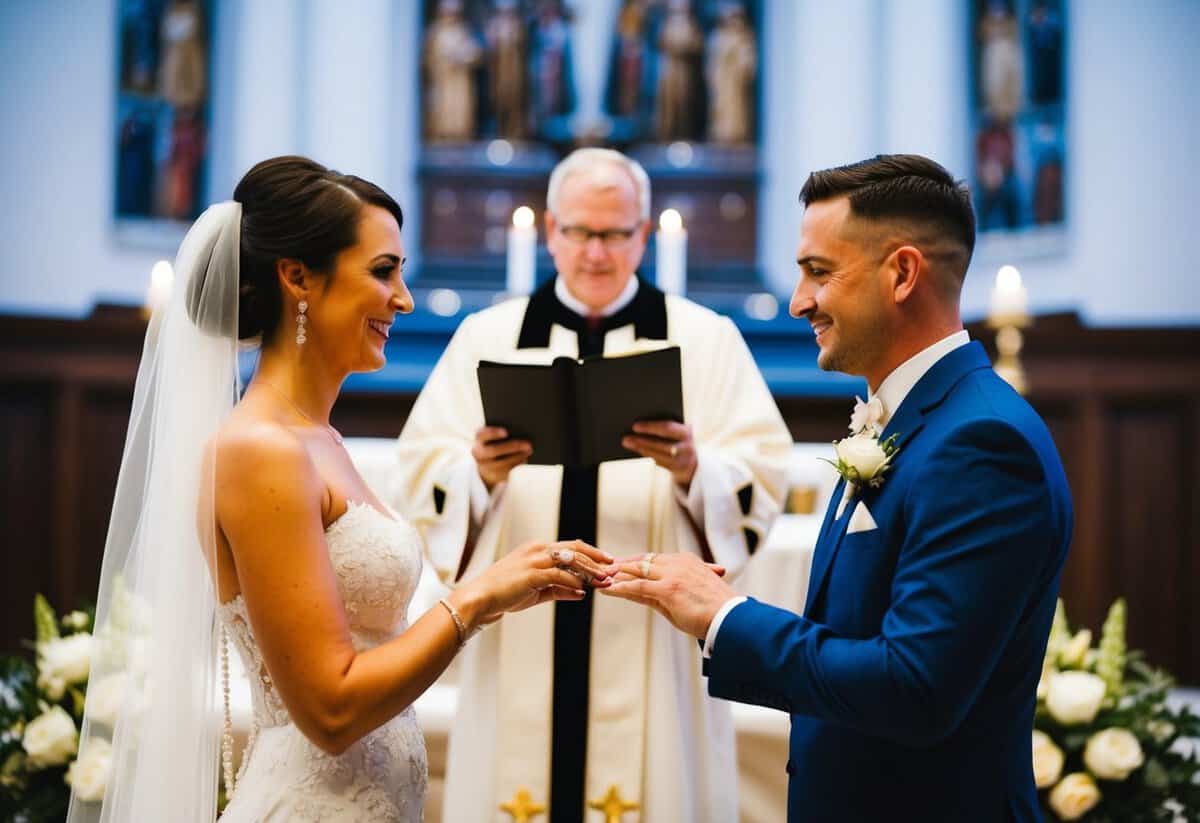
Traditional UK wedding vows have specific components that express commitment and love. These elements often include contracting words, the exchange of rings, and legal declarations. Each piece plays a vital role in the ceremony, symbolizing the bond you share with your partner.
Contracting Words and Promises
The core of your wedding vows consists of contracting words that formally unite you and your partner. These phrases typically include “I do,” followed by promises that outline your commitment. Common promises include to love, honor, and cherish each other throughout your lives.
A typical vow might state, “I, [Name], take you, [Partner’s Name], to be my lawfully wedded wife/husband.” This statement marks the legal and emotional connection you create on your wedding day. Phrases like “till death us do part” emphasize the seriousness of the promises you make to each other.
Exchange of Rings
The exchange of rings is a significant part of wedding vows. The ring symbolizes your love and commitment, serving as a physical reminder of your promises. When presenting the ring, you might say something like, “With this ring, I thee wed.” This moment signifies the beginning of your shared life together.
Traditionally, wedding rings are circular, representing eternity and endless love. This ritual often involves both partners placing a ring on each other’s fingers to solidify their commitment. It’s a touching moment that strengthens the bond you share.
Legal Declarations
Legal declarations are essential to wedding vows in the UK. They ensure that your marriage is recognized under law. You’ll often need to declare your free will to marry and confirm that you’re not already in a legal union.
The phrases used in this part of the ceremony confirm your understanding of the marriage’s legal requirements. Words like, “I declare that I know not of any lawful impediment why I, [Name], may not be joined in matrimony to [Partner’s Name],” affirm your commitment in a legally binding way.
Modern Adaptations and Variations
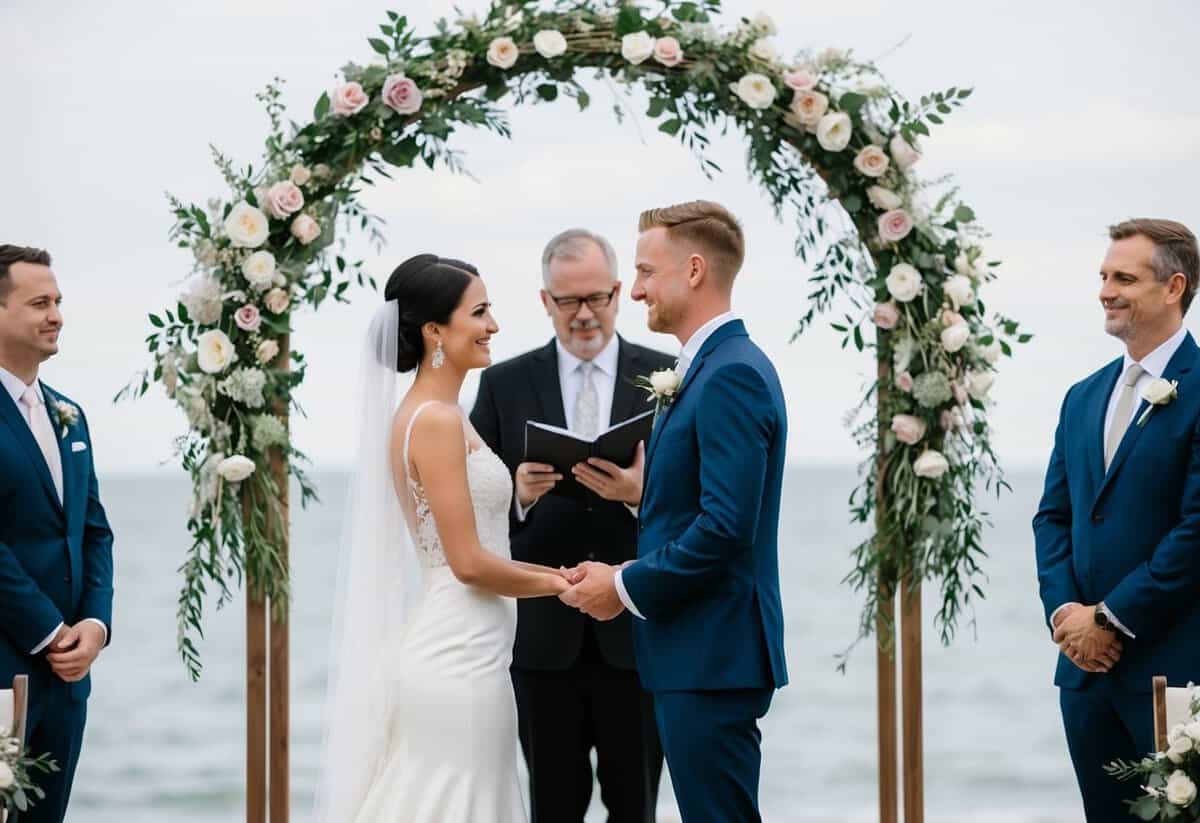
Weddings today often blend tradition with personal expression. Many couples choose to write their own vows, while others adapt traditional promises to reflect modern values. Here’s how these adaptations play out in today’s ceremonies.
Personalized Vows and Writing Your Own
Writing your own vows is a special way to express your feelings on your wedding day. You can include phrases like “I promise to support you” or “I vow to be honest with you.” Personalizing your vows allows you to reflect your unique partnership.
Consider mentioning shared values, hopes, and even challenges you’ve faced together. This personal touch can deepen your connection. You might also include elements of your culture or family traditions, making your vows even more meaningful.
Inclusion of Modern Values and Promises
Modern vows often include values that matter to you as a couple. Many people focus on themes like understanding, friendship, and partnership. When you say, “I promise to support you,” it emphasizes the importance of being there for one another.
You might also include promises that reflect equal partnership in your civil ceremony or civil partnership. Adapted vows can address future challenges together, reinforcing a commitment to navigate life as a team. Such inclusivity can resonate with guests, making the ceremony feel more relevant and heartfelt.
Planning the Vow Exchange Ceremony
Your vow exchange is one of the most meaningful moments of your wedding. Thoughts about the right words and how to integrate them into the ceremony can enhance the experience. Here are some tips to guide you in planning this special part of your marriage service.
Choosing the Right Words for the Moment
When choosing your vows, think about the message you want to convey. Consider including elements of joy, adventure, and a commitment to travel through life together. You can opt for traditional vows, like those found in a Church of England ceremony or a Catholic ceremony, which often reflect deep emotional and spiritual commitments.
Alternatively, you can write your own vows. This allows you to make them more personal and poetic. Speak from the heart, and don’t be afraid to include moments of laughter. Simple phrases that express your love and commitment make a big impact.
Integrating Vows into the Ceremony
Integrating your vows into the marriage ceremony requires some planning. The exchange of vows usually follows the legal declarations. During this time, you might want to invite your officiant to share something meaningful about your relationship.
Consider adding a moment of divine assistance by incorporating readings or blessings that resonate with you. These can be included before or after the vows to make the moment even more special.
Creating a beautiful setting can enhance the atmosphere, whether it’s formal or more relaxed.
Remember, this moment is about you both. Make it a reflection of your unique journey together as a couple.