
What Are the Words You Say When You Get Married? A Guide to Your Wedding Vows
When you stand at the altar, the words you say mark the beginning of a beautiful journey filled with love and joy. The traditional vows often include promises to support each other through good times and bad and to love one another as long as you both shall live. These heartfelt statements are the foundation of your new life together and reflect the commitment you are making.
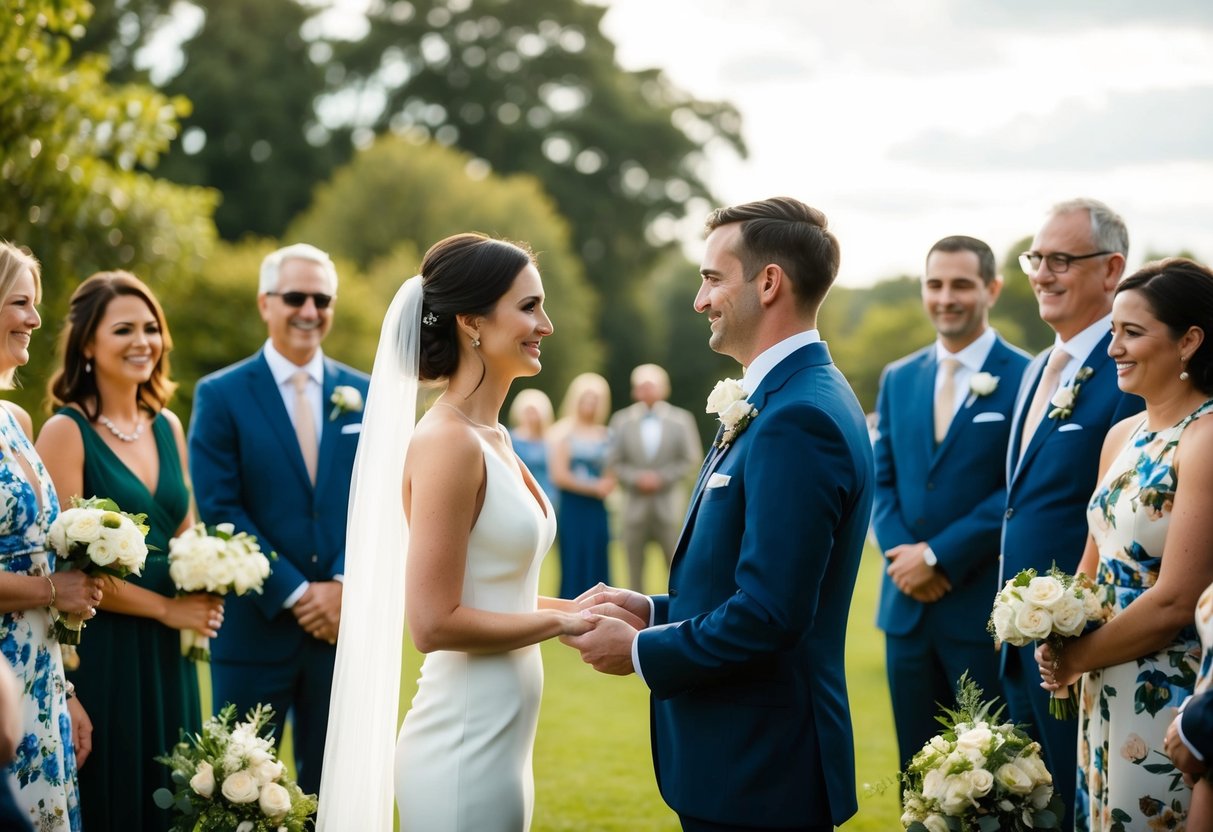
As you prepare for your wedding, you may wonder what exactly to say during this special moment. Many couples choose to use classic phrases, while others personalize their vows to express their unique relationship. Whatever you decide, these words capture your feelings and intentions as you embark on this exciting adventure.
Getting married is about more than just the ceremony; it’s about the love and promise you share. Each vow creates a bond that will grow and evolve as you navigate life together. Embrace this moment and cherish the words you choose; they will echo in your hearts forever.
The Significance of Marriage Vows
Marriage vows are more than just words; they represent deep commitments between two people. They express love, intentions, and hopes for a lifetime together. Understanding these vows can help you appreciate their importance in your love story.
Understanding Wedding Vows
Wedding vows are the promises you make during your ceremony. They often include phrases like “to have and to hold” and “for better or worse.” These words signify your commitment to support each other through every situation life brings.
By making these vows, you are stating your devotion to your partner and your desire for a lifelong journey together. It’s essential to recognize that what you say becomes a foundation for your marriage.
Traditional Versus Modern Vows
Traditional wedding vows have stood the test of time and often emphasize loyalty and dedication. Many incorporate phrases about obeying one another, though this aspect is sometimes omitted in modern ceremonies.
Modern vows allow couples to personalize their promises, reflecting their unique relationship. This can include specific examples of what love means to you. Whether keeping tradition or crafting your vows, what matters most is the sincerity behind your words.
Writing Personal Vows
Writing personal vows can be a beautiful way to express your love. Start by reflecting on your love story. Think about key moments that define your relationship.
Consider including elements of your hopes for the future, such as building a lifetime of happiness together. You can be creative and honest in your writing. Use words that feel right for you.
Sharing personal vows can make the ceremony feel more connected and meaningful. It’s a chance to speak from the heart and let your partner know how much they mean to you.
Expressions of Good Wishes and Congratulations
When someone you know gets married, expressing your good wishes can make the day even more special. There are many ways to convey your happiness and support, whether through formal messages, casual greetings, religious blessings, or heartfelt notes for family and coworkers.
Formal Wedding Wishes
Formal wedding wishes are perfect for couples who appreciate a traditional touch. These messages often convey deep respect and best wishes for a happy married life.
Examples include:
- “Congratulations on your wedding. May your life together be filled with love and happiness.”
- “Wishing you both a joyous wedding day and a fulfilled life together.”
A formal message shows you care about their new union and wish them well as they embark on this new journey. It’s a thoughtful way to express heartfelt congratulations on their marriage.
Casual Wedding Greetings
Casual wedding greetings allow for a lighter, more playful approach. These messages might include humor and warmth, making them great for friends or younger couples.
Consider these options:
- “Congrats on tying the knot! Here’s to love and laughter in your new life.”
- “Happy wedding day! Enjoy this amazing adventure together.”
Casual greetings can make the couple smile while still conveying your best wishes. They highlight the joy of the occasion and show your excitement for their future together.
Religious Wedding Blessings
For those who share a faith, religious wedding blessings can add depth to your good wishes. These messages often reflect spiritual beliefs and well wishes for the couple.
Examples might include:
- “May God bless your marriage with love and happiness.”
- “Wishing you a lifetime of love—blessed by faith.”
Including a religious element in your message can be very comforting. It shows that you wish for their love to grow and be guided by their beliefs, enhancing their special day with divine support.
Messages for Family and Coworkers
When addressing family members or coworkers, tailor your messages to suit the relationship. Family messages may feel more personal, while those for coworkers can be friendly yet professional.
For family, think of:
- “Congratulations on your wedding! I’m so happy for you both. Love you!”
For coworkers, you might say:
- “Best wishes on your wedding day! Enjoy your celebration and the years ahead.”
These specific messages help solidify your relationship with the couple. They show your support and care for their new life together, whether through familial love or workplace camaraderie.
The Wedding Ceremony Essentials
A wedding ceremony is a beautiful moment that marks the beginning of your new journey together. Knowing what to expect can help you feel more comfortable and prepared. Here are the key elements to consider.
Order of Events
The order of events in a wedding ceremony is designed to create a meaningful experience. Here’s a typical sequence you might follow:
- Processional: Family and friends take their seats, and the wedding party walks down the aisle.
- Welcome: The officiant greets guests and introduces the ceremony.
- Readings: You may include poems or readings that reflect your love.
- Vows: This is a critical moment when you express your promises to each other.
- Ring Exchange: You place rings on each other’s fingers to symbolize your commitment.
- Pronouncement: The officiant declares you married, often with a phrase like “You may kiss the bride!”
- Recessional: You walk back down the aisle as a married couple.
Cultural and Religious Customs
Many weddings incorporate cultural or religious customs that bless your nuptials. These elements vary greatly:
- Blessings: In some traditions, families offer blessings during the ceremony. This shows their love and support.
- Unity Ceremonies: Lighting a unity candle or mixing sands can symbolize your coming together as a couple.
- Traditional Readings: Many cultures have specific texts or vows passed down through generations.
- Family Participation: Involve relatives in meaningful rituals, like offering advice or saying prayers.
Discuss with your partner and family to decide on customs that reflect your background and beliefs.
Key Participants in the Ceremony
Every wedding ceremony features key participants who play important roles. Here’s who you might include:
- Officiant: This person leads the ceremony, ensuring everything flows smoothly. They could be a religious figure or a civil officiant.
- Wedding Party: Friends and family might stand by your side, supporting you during the ceremony.
- Parents: Often, they play a significant role, either walking you down the aisle or offering blessings.
- Guests: Your family and friends are there to witness your vows and celebrate your love.
Each person contributes to making your wedding a cherished moment.
Life After the Wedding
As you step into this new phase, your life together begins to unfold. Embrace your journey and focus on building a foundation of love, happiness, and beautiful memories.
Starting the Journey Together
Your journey together as a married couple is filled with excitement and challenges. You’ll discover more about each other daily. Create shared goals, whether it’s planning trips or starting a family. Open communication is essential.
Discuss your dreams and support each other’s ambitions. From choosing decor for a new home to deciding on financial plans, every choice matters. Celebrate each step you take as a couple. Small moments can lead to a deeper connection.
Building a Life of Love and Happiness
Building a life full of love and happiness requires effort and commitment. Make time for date nights and fun activities to keep the spark alive. Appreciate each other and express gratitude for little things.
Create routines that foster friendship and warmth. Share chores, celebrate successes, and comfort each other during tough times. This teamwork adds to your prosperity and strengthens your bond. Wishing you a lifetime of love and happiness means actively nurturing your relationship.
Creating Beautiful Memories
At the heart of your married life is creating beautiful memories. Capture special moments together, whether through photos or keepsakes.
Plan meaningful experiences that reflect your unique bond. Travel to new places or revisit favorite spots.
Host gatherings with family and friends to enhance your joy. These shared experiences create lasting stories that bring you closer.
Always hold on to the laughter and love you create together.
Focusing on these aspects will help you build a rich life filled with love and friendship.