
What Changes Occur in the Female Body After Marriage? Understanding the Transition and Adaptations
After marriage, many women notice various changes in their bodies that can be surprising. Hormonal shifts can affect your menstrual cycle, weight, and even your skin. These changes are part of adapting to a new life and can include anything from irregular periods to changes in how you feel physically and emotionally.
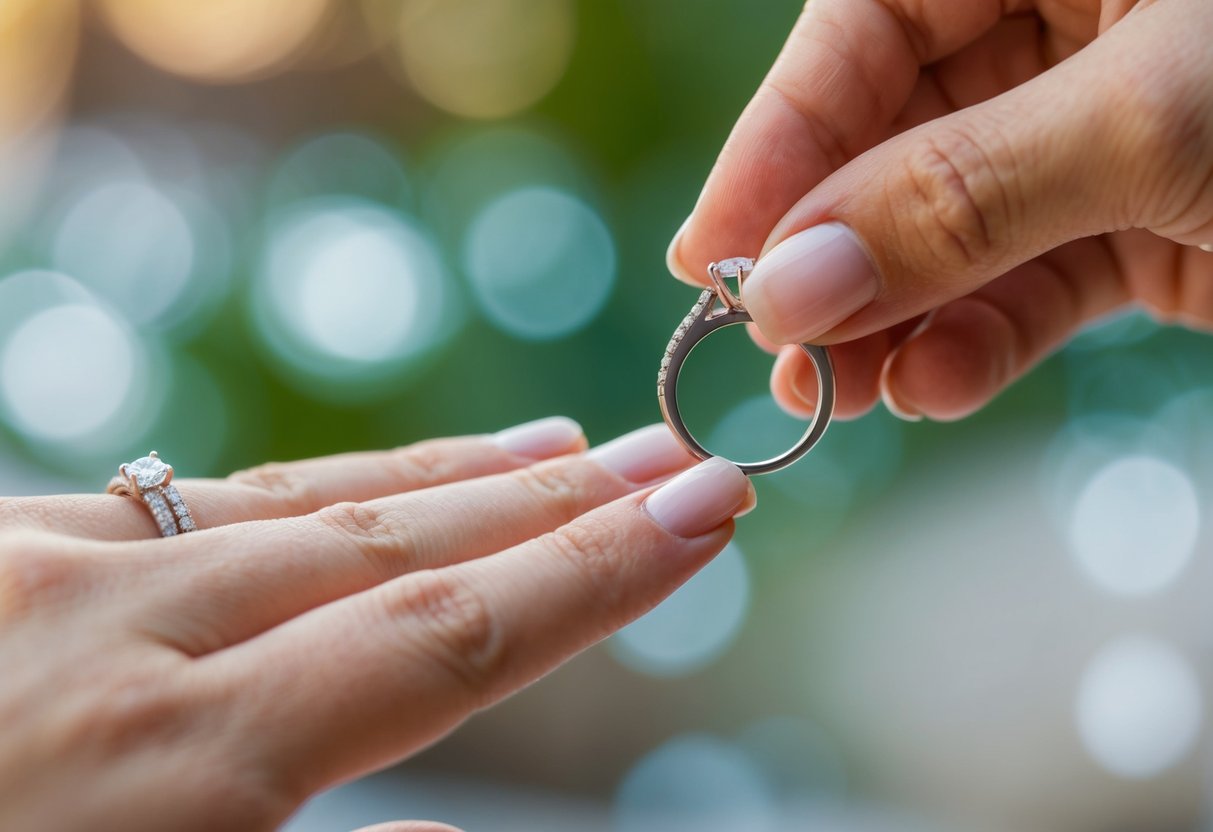
Moving into this new phase of life often leads to lifestyle changes as well. You might notice alterations in your eating habits or exercise routine, which can also contribute to weight changes. Understanding how marriage affects your body can help you navigate this transition with confidence and care.
Many women also experience emotional changes during this time. With the excitement of a new partnership come adjustments in self-esteem and overall mental health. Recognizing these shifts can empower you to embrace your new journey while taking care of your well-being.
Physical and Hormonal Changes
After marriage, your body may experience various physical and hormonal changes. These shifts can affect everything from your hormonal balance to your appearance. It’s essential to understand how these changes happen and what they mean for you.
Impact on Hormonal Balance
Marriage can lead to significant changes in your hormonal levels. After tying the knot, your body often produces more oxytocin, sometimes called the “love hormone.” This hormone can strengthen emotional bonds and increase feelings of happiness.
You might also notice shifts in progesterone and estrogen levels. These changes can affect your menstrual cycle, potentially leading to irregular periods or changes in bleeding patterns. Increased levels of endorphins and serotonin can provide a sense of well-being, but hormonal imbalances may also result in mood swings or other emotional changes.
Body Composition and Appearance
Physical changes in your body can also occur. Many women report a change in breast size after marriage, often accompanied by increased levels of estrogen. This can lead to growth in breast tissue, providing a fuller appearance.
You might also notice changes in your hip size or body composition. These changes can happen due to lifestyle adjustments after marriage, including changes in diet and exercise habits. Weight gain can become more common, driven by both physical and emotional factors. Understanding these changes can help you adjust and embrace your new self.
Emotional and Mental Well-Being

In marriage, many emotional and mental changes can arise. You may encounter shifts in stress levels, mental health, and how you feel about your relationship. Understanding these aspects can help you navigate this new phase of life more smoothly.
Mental Health Considerations
After marriage, mental health can be affected in various ways. It’s common to experience stress and anxiety as you adjust to new relationship dynamics. You might find that balancing your needs with your partner’s can lead to feelings of pressure. This can be especially true when managing household responsibilities or family expectations.
Personality changes may also emerge. Some may feel more secure and confident, while others may struggle with self-doubt. Open communication with your partner can ease these feelings and strengthen your bond. Seeking support from friends or professionals can also help if you notice signs of anxiety or persistent stress.
The Role of Happy Hormones
Marriage can influence your hormone levels, which play a key role in your emotional well-being. The closeness and affection you share with your partner often lead to increased production of “happy hormones” like oxytocin and dopamine. These hormones contribute to feelings of happiness, love, and overall satisfaction in your relationship.
However, fluctuations in these hormones can occur. Stress might impact their levels, affecting your mood and emotional state. Maintaining a supportive and loving environment can help manage stress and promote the release of these hormones. Engaging in activities that you both enjoy can strengthen your connection and improve your mental health.
Changes in Lifestyle and Identity
Marriage brings many changes, especially in how you see yourself and the way you live. Your personal and social identity can shift, affecting your daily habits and values. You might also notice adjustments in your health and self-care routines as new responsibilities take shape.
Personal and Social Identity Shifts
After marriage, you may experience a change in your personal identity. You might adapt to being a daughter-in-law and make room for new family dynamics.
Your name could change, which impacts how you identify yourself. You may need to update your social security card, and the legal aspects can feel significant.
As you navigate this new role, you’ll also experience shared intimacy with your partner. This deepens your emotional connection while allowing for personal growth. Connecting with new friends and family also shapes your social circle.
Health and Self-Care Adjustments
Your health routines may shift after marriage. You might start focusing on preventative healthcare more, such as regular check-ups. This change is important for maintaining your overall well-being.
Your eating habits might also change, as you start considering meals that fit both yours and your partner’s preferences. This could lead to weight gain if you find yourself enjoying those carried-over holiday feasts.
Additionally, your intimate care routines may evolve. You may invest in new products, such as panty liners that suit your lifestyle better. Remember, regular exercise is essential. You can create a shared routine that promotes fitness, leading to a longer life expectancy. These adjustments help you embrace your new life while keeping your health a priority.
Intimacy and Reproductive Health
After marriage, many women notice changes in their intimacy and reproductive health. These changes can relate to sexual health, pregnancy, and fertility. Here’s what you might experience.
Sexual Health Post-Marriage
After getting married, some women notice shifts in their sexual health. This can include increased secretions and changes in vaginal discharge. These physical changes can enhance intimacy, making experiences feel different or more fulfilling.
You may also experience new sensations or increased sensitivity. Some women might deal with cramps during or after intimacy, especially if hormonal changes occur. Tracking these changes can help you communicate openly with your partner and your doctor if needed.
Body changes, such as breast size, may also affect your sexual confidence. Embracing these transformations is important. Understanding how your body responds can lead to a more satisfying intimate life.
Pregnancy and Fertility
Marriage often brings thoughts of starting a family. If you are trying for a baby, you need to know about your body’s changes. Your menstrual cycle can become irregular due to stress or lifestyle adjustments.
Fertility can also vary between women. If you encounter difficulties, don’t hesitate to seek guidance from a healthcare professional. They can provide advice tailored to your situation.
During pregnancy, your body will go through significant changes. These include breast enlargement and increased blood flow. This might enhance intimacy but can also bring discomfort. Keeping an open dialogue with your partner can help manage these shifts as you both adapt to this exciting phase.