
What Color Backdrop Is Best for Portrait Photography? Tips for Choosing the Perfect Hue
Choosing the right backdrop color is essential for creating stunning portrait photography. Neutral colors like gray, white, or black often work best because they allow your subject to stand out without distraction. These colors are versatile and can fit various moods and themes in your photos.
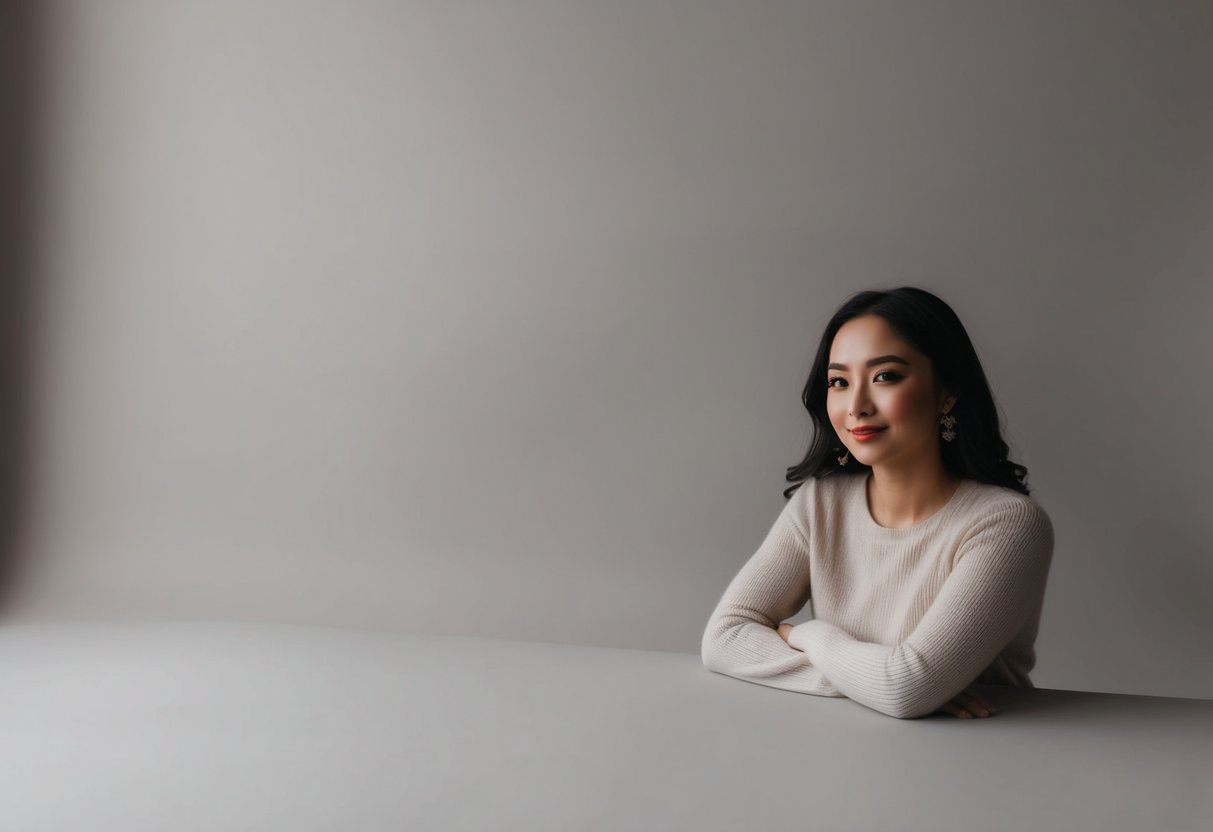
Another option is to consider colors that complement your subject’s skin tone and clothing. Soft pastels and muted earthy tones can enhance the overall image while providing a harmonious look. This thoughtful approach to backdrop color can help elevate your portraits, making them more engaging and visually appealing.
When you select a backdrop, remember that the color can influence the lighting and mood of your photos. By taking the time to choose the right shade, you can significantly improve the impact of your portrait photography.
Choosing the Right Color Backdrop

When it comes to portrait photography, the backdrop color can greatly influence the final image. By selecting the right color, you can enhance your subject’s features and convey the desired mood.
Consider factors like skin tone and the overall purpose of the photo.
The Impact of Color on Portraits
Color plays a crucial role in how your subject is perceived. For instance, neutral colors such as black, white, and gray serve as great backdrops because they do not distract from the subject. They can highlight skin tones effectively, ensuring that people stand out.
In contrast, vibrant colors like red, green, or blue can also be used effectively. They can inject energy and excitement into your photos. However, be careful with vibrant colors, as they might clash with certain skin tones, making your subject look washed out.
Neutral Versus Vibrant Colors
Neutral colors are often the safest choice for portraits, especially for formal settings. A white backdrop can create a clean look, while a black backdrop adds drama and depth. Gray is versatile and works well with many skin tones.
On the other hand, vibrant colors can add personality to lifestyle portraits. For example, a red background could evoke passion, while a blue backdrop might impart calmness. You can also use color combinations to create visual interest, just be sure to match them with your subject’s clothing and skin tone to maintain harmony.
Color Psychology in Portrait Photography
Colors affect emotions and perceptions, known as color psychology. For example, yellow can convey happiness and warmth, making it suitable for friendly portraits. Purple often signifies creativity and can add a unique flair to your shots.
Consider how different colors resonate with the viewer. A green backdrop might evoke feelings of tranquility, which can enhance portraits of relaxed subjects. Always think about your subject’s personality and the message you want to convey when selecting your backdrop color.
Backdrop Choices for Different Types of Portraits

Choosing the right backdrop for your portrait photography can greatly impact the overall look and feel of your images. Different types of portraits benefit from specific backdrop choices that enhance the subject and convey the desired mood.
Headshots and Professional Portraits
For headshots and professional portraits, a clean and simple backdrop is best. You can use seamless paper in neutral colors like white, black, or grey. These colors keep the focus on your subject and their expressions.
Textured backdrops, such as soft beige or light grey, can add subtle interest without being distracting. Avoid busy patterns that take attention away from the person.
Using a muslin backdrop can also give your headshots an elegant touch. Soft textures with muted tones create a polished, professional look ideal for corporate settings.
Creative Portraits and Artistic Expression
When aiming for creative portraits, you can play with colors and textures to reflect your subject’s personality. Bold and bright color backdrops can create an exciting vibe, making the portrait stand out.
Incorporating elements like lace curtains can introduce a romantic or whimsical feel. Pair these with unique props that complement your subject’s interests or passions.
Experimenting with lighting on different backdrops can also help create mood. For instance, a dark backdrop paired with warm lighting can evoke love and intimacy.
Environmental Portraits and Natural Settings
For environmental portraits, your backdrop should connect the subject with their surroundings. Using a natural background like a park or garden sets a relaxed tone. This highlights your subject in a way that feels authentic and relatable.
To enhance this connection, think about using colors that blend with nature, like greens and browns. These colors help to create harmony between the subject and the environment.
If shooting in a studio, consider studio backdrops that mimic natural scenes. A backdrop filled with nature scenes or textured surfaces can give a fresh, organic feel to your portraits.
Lighting and Backdrop Interplay

The relationship between lighting and backdrop color is crucial for portrait photography. Proper manipulation of lighting can enhance the backdrop, creating a more appealing photo.
It’s important to consider how different lighting effects can impact the saturation and brightness of both the subject and the background.
Manipulating Lighting for Optimal Backdrop Rendering
To achieve the best results, adjust your lighting based on your backdrop color. If you have a darker backdrop, consider using brighter lights to create contrast. This makes your subject stand out more.
Using softer lighting can help reduce harsh shadows and enhance a subtle bokeh effect, making your background beautifully blurred. Experiment with different angles to see how light changes the appearance of colors. You might find that a slight adjustment in brightness can change the mood of your portrait significantly.
Also, remember that the backdrop’s texture plays a role. A textured backdrop may require more light to highlight its features. Be sure to test different lighting setups to see what works best for your chosen color backdrop.
Harmony Between Subject and Background
For a successful portrait, your subject’s color palette should harmonize with the backdrop. Choose colors that complement each other, ensuring the subject doesn’t blend into the background.
Make sure to use proper lighting because it can enhance the saturation of the background while ensuring that your subject remains the focal point. When the colors are in harmony, the portrait will feel more cohesive.
Additionally, consider how blurred backgrounds help in creating depth. A well-lit subject against a softly blurred background can add an appealing contrast. This draws the viewer’s eye to your subject, creating a stronger emotional impact. Always strive for a balance where both the subject and backdrop enhance each other, rather than compete for attention.