
What Color Combinations Look Best in a Flower Bouquet? Discover Stunning Pairings for Every Occasion!
Creating a stunning flower bouquet is all about selecting the right colors. Combinations like vibrant oranges with soft pinks or deep purples with bright yellows create beautiful contrasts and harmonize perfectly. These choices can elevate your floral design, making them more eye-catching and appealing.
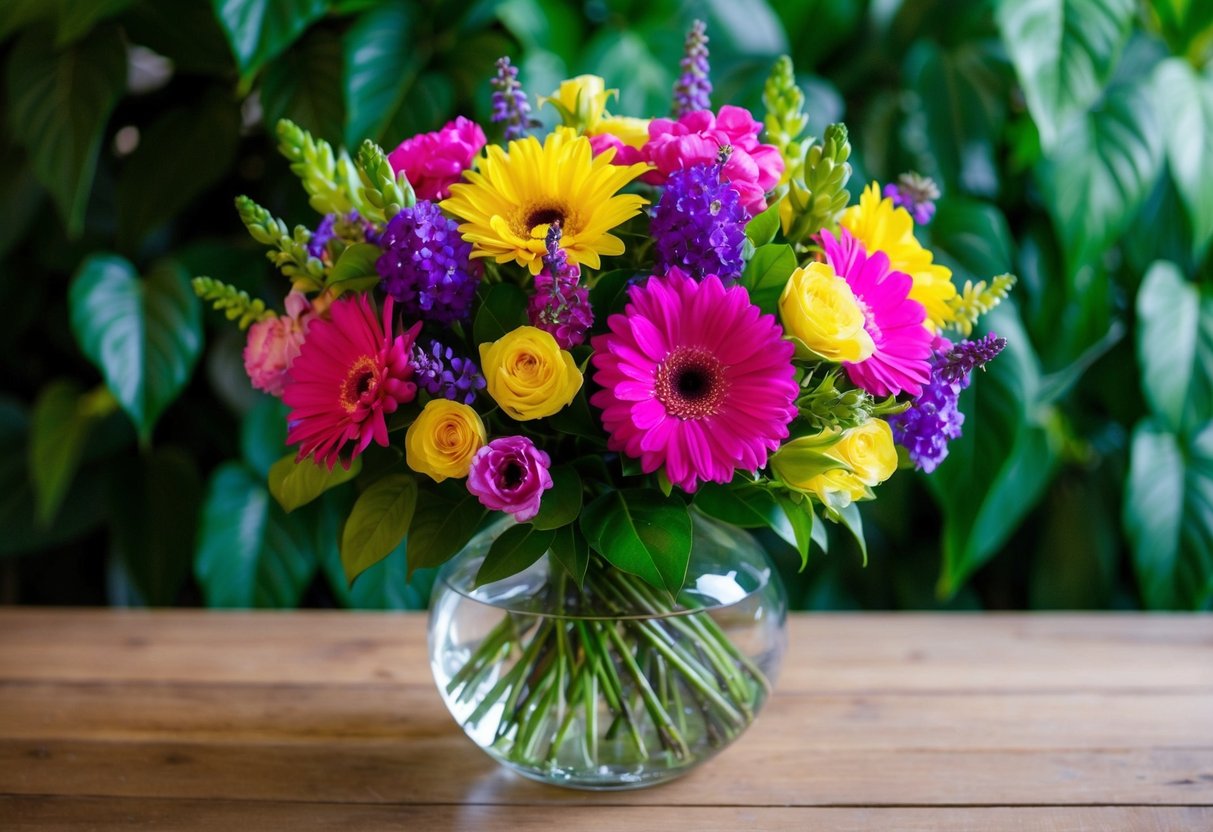
When pondering bouquet colors, consider how different shades can affect mood and ambiance. For example, soft pastels can bring a sense of calm, while bold hues add energy and excitement to any space.
Exploring various flower combinations and their effects can help you decide which color palette suits your occasion best.
Ultimately, whether you are preparing for a wedding, a birthday, or just a lovely home display, being mindful of harmonious color palettes can make all the difference. Mixing and matching can be fun, allowing you to express your style through a perfectly crafted arrangement.
The Basics of Color Theory in Floral Design
Understanding color theory is essential for creating beautiful flower arrangements. By learning how colors work together, you can choose combinations that enhance the beauty of your bouquets. This section will explore the color wheel, the types of colors, and various color harmony schemes.
Understanding the Color Wheel
The color wheel is a useful tool in floral design. It visually represents colors and their relationships. The wheel is divided into three main categories: primary, secondary, and tertiary colors.
- Primary colors (red, blue, and yellow) are the building blocks of all colors.
- Secondary colors (green, orange, and purple) are made by mixing primary colors.
- Tertiary colors are created by mixing a primary color with a secondary color.
By understanding the color wheel, you can make informed decisions when selecting flowers.
Primary, Secondary, and Tertiary Colors
When creating your flower bouquets, using different color types can yield stunning results. Here’s a quick overview:
- Primary Colors: These colors are vivid and striking on their own. Using them can create bold arrangements.
- Secondary Colors: These provide a nice balance when paired with primary colors. For example, pairing yellow with purple can brighten the arrangement.
- Tertiary Colors: These offer more complexity and richness. Mixing green with a small amount of blue can create a unique shade that adds depth.
Mixing these colors thoughtfully can lead to vibrant and eye-catching designs.
Color Harmony: Complementary, Analogous, and Triadic Schemes
Color harmony is about finding balance and unity in your arrangements. Let’s look at three popular color schemes:
-
Complementary Colors: These are colors directly opposite each other on the color wheel, like red and green. They create high contrast and attract attention.
-
Analogous Color Scheme: This scheme includes colors that are next to each other on the wheel, such as yellow, yellow-orange, and orange. These colors blend beautifully and create a calming effect.
-
Triadic Color Schemes: This approach uses three evenly spaced colors around the wheel, such as red, blue, and yellow. This combination is vibrant and offers a balanced design that adds energy.
By applying these schemes, you can create flower arrangements that are not only beautiful but also engaging.
Selecting the Perfect Flowers and Colors for Your Bouquet
Choosing the right flowers and colors is essential for creating a stunning bouquet. You want to match the occasion, consider color schemes, and incorporate seasonal trends for the best effect.
Choosing Flowers by Occasion
When selecting flowers, consider the occasion. For weddings, white roses or lilies create elegance. A birthday bouquet can feature bright colors like yellow daisies and orange tulips to convey joy. For anniversaries, soft pastel shades such as pink peonies and lavender can express love and tenderness.
Make a list of the occasion’s themes or meanings. This can guide your flower choices. For example, use reds and pinks for romantic events, while vibrant colors work well for celebrations. Remember, the right flowers enhance the mood and create lasting impressions.
Monochromatic vs. Multicolored Arrangements
Deciding between a monochromatic or multicolored arrangement can affect the overall look of your bouquet. A monochromatic arrangement focuses on varying shades of one color, such as deep to light pinks. This approach creates a sophisticated and cohesive look.
On the other hand, multicolored arrangements offer diversity and vibrancy. Mixing different colors like purples, yellows, and greens can create an eye-catching effect. For example, a bouquet with bright sunflowers and soft lavender can make a statement.
Think about what style speaks to you. Choosing the right scheme helps convey the intended emotions of your floral arrangement.
Incorporating Seasonal Color Trends
Seasonal colors play a significant role in selecting your flowers. Spring often brings pastel shades, such as light blues and pinks, which are perfect for fresh and lively bouquets. Summer shines with bright and bold colors like vibrant reds and yellows.
In fall, deep oranges and rich burgundies create warm, inviting arrangements. Winter can bring evergreen and white flowers for a snowy feel.
Stay updated on color trends for the season. This ensures your bouquet remains in style and captures the essence of that time of year. Embrace seasonal changes to inspire unique flower color combinations in your floral arrangements.
Creating Visual Interest with Color Contrasts
Using color contrasts can make your flower bouquets stand out beautifully. By mixing warm and cool tones and incorporating complementary colors, you can create a stunning visual effect. A thoughtful color palette can enhance the overall appeal of your arrangement.
Balancing Warm and Cool Tones
When putting together a bouquet, balancing warm and cool tones provides depth. Warm tones such as vibrant reds, oranges, and yellows can create a feeling of energy and joy. Pairing these with cool tones like blue and purple flowers adds a calming effect.
For instance, try combining yellow flowers with purple flowers. The contrast draws attention while creating harmony. Alternatively, a blend of red with shades of green can evoke vibrant life, reminiscent of fresh spring gardens.
Mixing these tones carefully will help your bouquet maintain a natural look while still being striking.
The Impact of Complementary and Split-Complementary Colors
Utilizing complementary colors can create a pop in your arrangement. Complementary colors sit opposite each other on the color wheel. For instance, red and green is a classic pairing that evokes a festive feel.
You can also explore split-complementary color schemes. This involves taking one color and using the two colors adjacent to its complement. For example, if you choose red, you can pair it with blue-green and yellow-green. This method adds vibrancy without overwhelming the eye.
Combining orange and blue can also yield beautiful results. These colors enhance each other, making your bouquet visually engaging.
Accentuating with Vibrant Hues and Pastels
Adding pops of vibrant hues can elevate your design. Flowers in bold colors, such as vibrant reds or pink flowers, catch the eye immediately. These can be balanced with softer pastels for a more subtle approach.
Consider pairing white roses with a mix of colorful flowers like yellow and purple. This helps make each color shine. Pastels paired with bold colors create an interesting juxtaposition that feels fresh and lively.
Mixing bright red-violet flowers with soft blue-purple blooms can enhance your bouquet’s appeal. The variations create visual intrigue and invite closer inspection, perfect for any occasion.