
What Color Did Brides Wear Before White? A Look at Historical Wedding Traditions
Before the trend of wearing a white wedding dress began, brides chose a variety of colors for their special day. Brides often wore red, blue, pink, or other vibrant hues that carried personal or cultural significance. Each color represented different meanings, such as red for love and blue for purity.
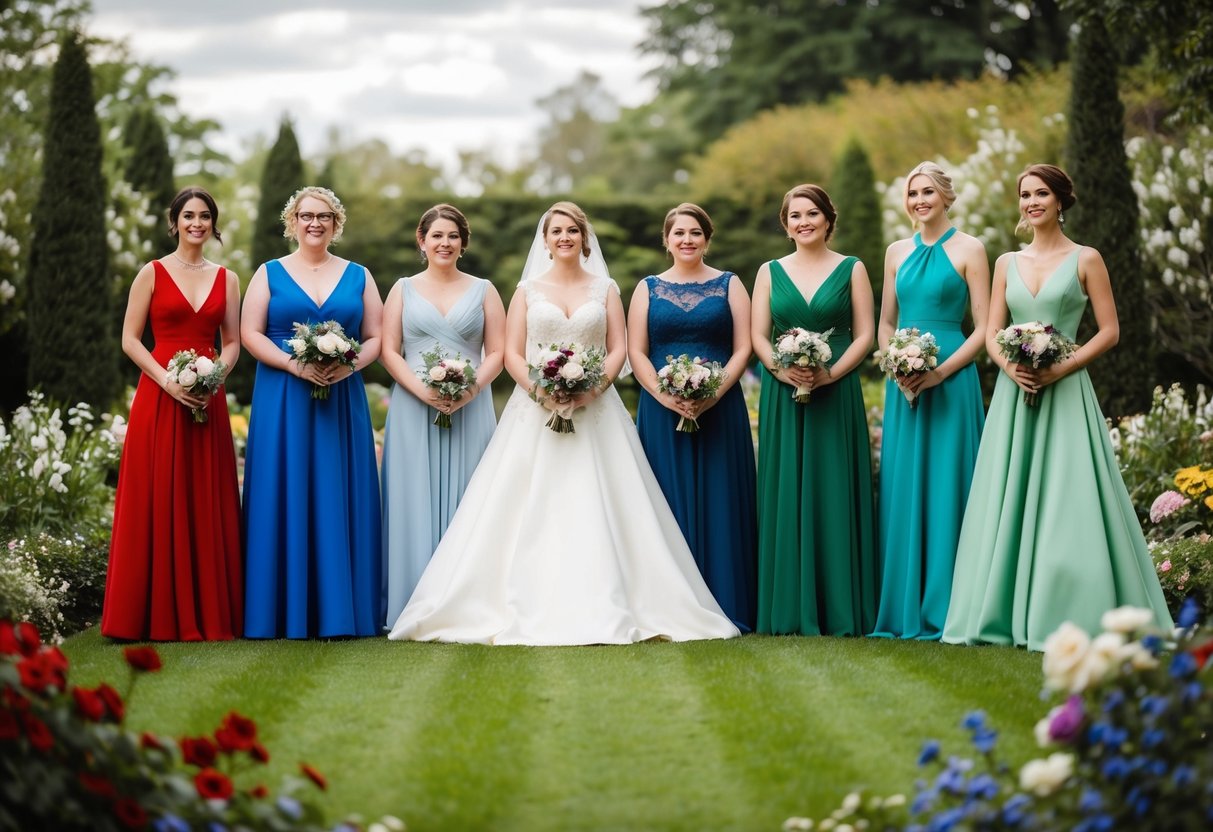
The shift to white dresses started with Queen Victoria in the 19th century, which marked a huge change in wedding traditions. This choice influenced many and created the association we have today with white symbolizing innocence and new beginnings.
Exploring the different colors brides wore can offer you a fascinating glimpse into history and traditions that shaped modern wedding attire. You might be surprised at how these choices reflected more than just personal style; they often told a story about the bride and her values.
Historical Colors and Customs of Bridal Attire
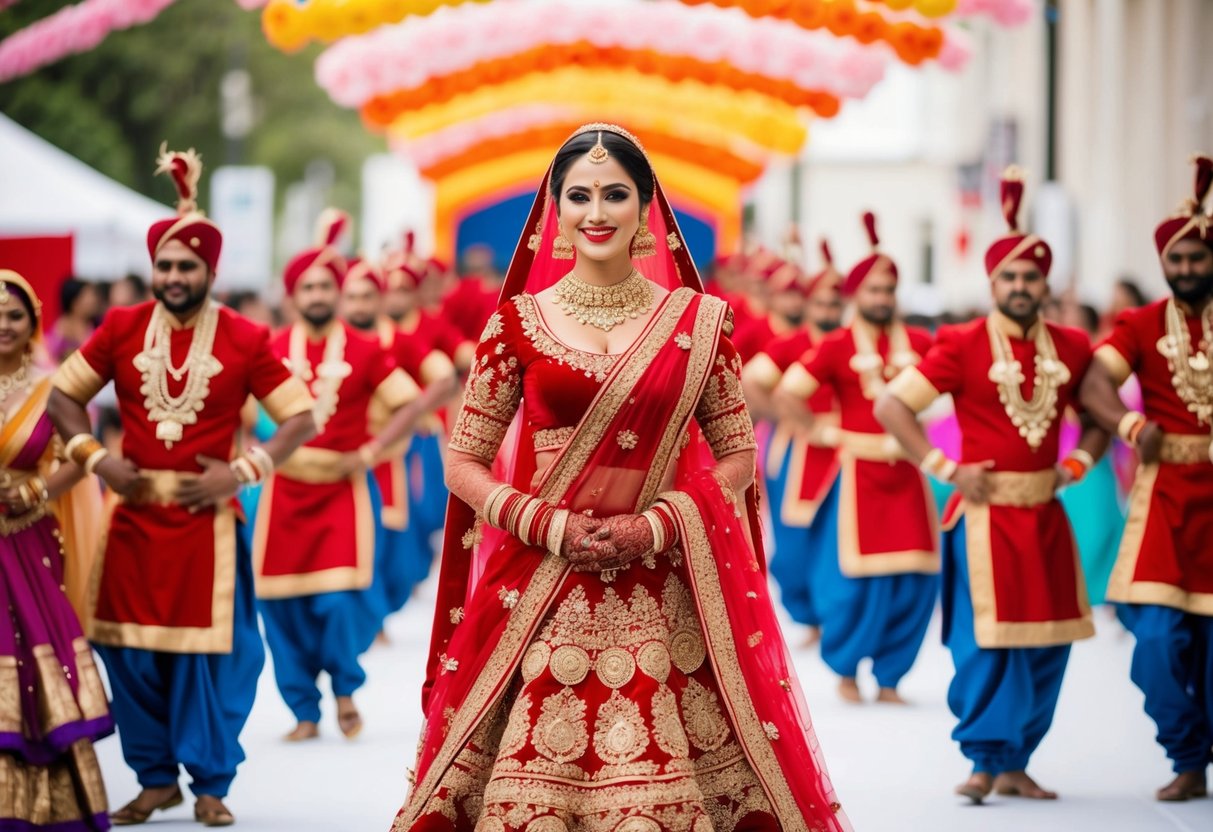
Bridal attire has a rich history filled with diverse colors and customs. You might be surprised to learn how the wedding dress colors reflected cultural traditions and personal choices long before the white dress became popular.
Pre-Victorian Wedding Dress Choices
Before Queen Victoria popularized the white wedding dress in 1840, brides wore a range of vibrant colors. Common options included red, blue, green, and even yellow. These colors often depended on regional customs and personal tastes.
Brides chose their best dress for the occasion, not necessarily one meant for weddings. Many wore family heirlooms or extravagant outfits that reflected their wealth and social status. This approach highlighted the tradition of showcasing personal and family history through attire, making each bridal look unique.
Cultural Significance of Color in Bridal Fashion
The colors in bridal dresses carry deep cultural meanings. For example, red symbolizes luck and prosperity in many Asian cultures, making it a popular choice for weddings. In Western cultures, blue was often associated with fidelity, leading many brides to select blue gowns.
Colors also reflected local customs and beliefs. In some cultures, brides wore green for fertility, while in others, purple symbolized nobility. The choice of color was more than aesthetic; it was a way to express values, hopes, and blessings for the couple’s future together.
Influence of Queen Victoria and the White Wedding Dress
Queen Victoria‘s choice to wear a white wedding dress made a significant impact on bridal fashion. This decision reflected social values of the time and helped shape popular beliefs about marriage. Your perspective on wedding attire is likely influenced by these historical trends.
Queen Victoria’s Wedding and Public Impact
Queen Victoria married Prince Albert on February 10, 1840. She chose a white wedding gown made from heavy silk satin, featuring delicate Honiton lace. This was quite different from the colorful dresses brides wore before her.
Her choice was not solely about showcasing wealth or purity. It was also about style and a new beginning in her life. The public quickly took notice of this elegant dress, leading to widespread admiration and imitation.
White Wedding Dresses as a Symbol of Purity and Virginity
After Queen Victoria’s wedding, white wedding dresses became linked to ideas of purity and virginity. Many brides started adopting white to symbolize their innocence as they entered marriage.
While purity was important, financial status also played a role. Wearing white meant that families could afford to keep the dress clean. The color itself became a cultural standard, influencing how weddings were celebrated.
Popularization of the White Wedding Dress Trend
The trend of white wedding dresses spread quickly after Queen Victoria’s marriage. Brides across many cultures began wearing white, seeking to emulate the royal look.
This shift changed the entire landscape of bridal fashion. Before this trend, brides wore various colors, including red, blue, and black depending on cultural customs. Now, white became the dominant choice, forever altering wedding traditions.
You can see this influence reflected in the many styles of white wedding dresses available today.
Evolution of Wedding Gowns Through Time
Wedding gowns have changed a lot over the years, influenced by culture, economy, and fashion trends. From colorful dresses to the modern white gown, each era has its unique style and significance. Here’s a closer look at these shifts in bridal fashion.
Shifts in Bridal Fashion Trends Over Centuries
Before white became the standard, brides wore various colors that reflected their culture. In many regions, red and blue were popular choices. For instance, in some cultures, red symbolized luck and prosperity, making it a favored option.
During the 17th century, brides wore their best dresses, regardless of color. These gowns were often made from luxurious fabrics like silk and satin, adorned with lace and embroidery.
As time went on and fashion evolved, the styles underwent significant changes, especially after the Victorian era. Queen Victoria wore a white lace gown in 1840, influencing the shift toward white. This gown wasn’t just a dress; it became a trend that marked a new era in bridal fashion.
Significant Wedding Dresses in History
Certain wedding gowns have left a lasting mark in history. For example, Prince Charles and Lady Diana’s lavish wedding in 1981 featured a dramatic gown with flowing silk and lace, captivating many.
Celebrity weddings often set trends. For instance, the simple yet elegant gown worn by Kate Middleton in 2011 combined tradition with modernity. Its blend of lace and tulle showcased the timeless appeal of bridal fashion.
These iconic dresses not only symbolize love but also influence what future brides choose.
Impact of Economic and Social Changes on Wedding Attire
Economic factors have greatly shaped bridal fashion. The Great Depression, for example, caused many brides to be resourceful. Instead of lavish gowns, they often opted for simpler designs or even reused family dresses.
After the depression, as economies improved, wedding dresses became more elaborate again. Fabrics like chiffon and satin gained popularity, making gowns more luxurious.
Social changes also played a role. As women began to dress more casually, wedding attire adapted to include shorter hemlines and more relaxed styles. Today, you’ll see a mix of traditional and modern styles that reflect individual choices and cultural backgrounds. This diversity makes every wedding special in its own right.
Modern Interpretations and Choices in Wedding Dress Color
Today, many brides choose colors that reflect their unique style and personality, moving beyond traditional white. This shift includes new fabrics and options that embrace cultural significance and personal stories. Let’s explore these modern interpretations and choices.
Contemporary Trends in Wedding Dress Colors and Fabrics
The wedding dress landscape has transformed with a wide array of colors and fabrics. While white remains popular, colors like blue and black are gaining attention. Some brides opt for vivid hues like red, which symbolizes love and passion.
Fabrics also play a vital role in this evolution. Lace, chiffon, and satin remain favorites, but new materials like tulle and organza offer fresh looks. You can now find bridal gowns that blend traditional styles with modern design elements, making your choice truly yours.
Inclusion of Cultural and Personal Significance
Many brides incorporate cultural significance into their wedding attire. For instance, in some cultures, red is a traditional wedding color, representing happiness and prosperity.
You can also draw inspiration from personal stories. A gown in your grandmother’s favorite color could honor family traditions. This inclusion allows your wedding dress to reflect not just your personality but also your heritage and life story, making it even more special.
Choices Beyond White: Embracing Individuality
Choosing a wedding dress in a color other than white can make a bold statement of individuality. Princess Diana famously wore a stunning blue gown for her engagement announcement, marking a shift in bridal fashion.
Today, you can embrace this trend by selecting shades that speak to you. You can choose pastel pinks, earthy tones, or even jewel tones. This freedom means your dress can match the overall theme of your wedding, whether it’s whimsical, elegant, or modern.
By making these choices, you showcase your unique style and create a lasting memory that reflects who you are.