
What Color Dress Not to Wear at a Wedding? Essential Tips to Avoid Fashion Faux Pas
When planning your outfit for a wedding, it’s important to consider what colors to avoid. You should definitely steer clear of wearing white, as this color is traditionally reserved for the bride. Wearing similar shades like off-white, cream, or beige can also seem disrespectful.
It’s all about letting the couple shine on their special day.
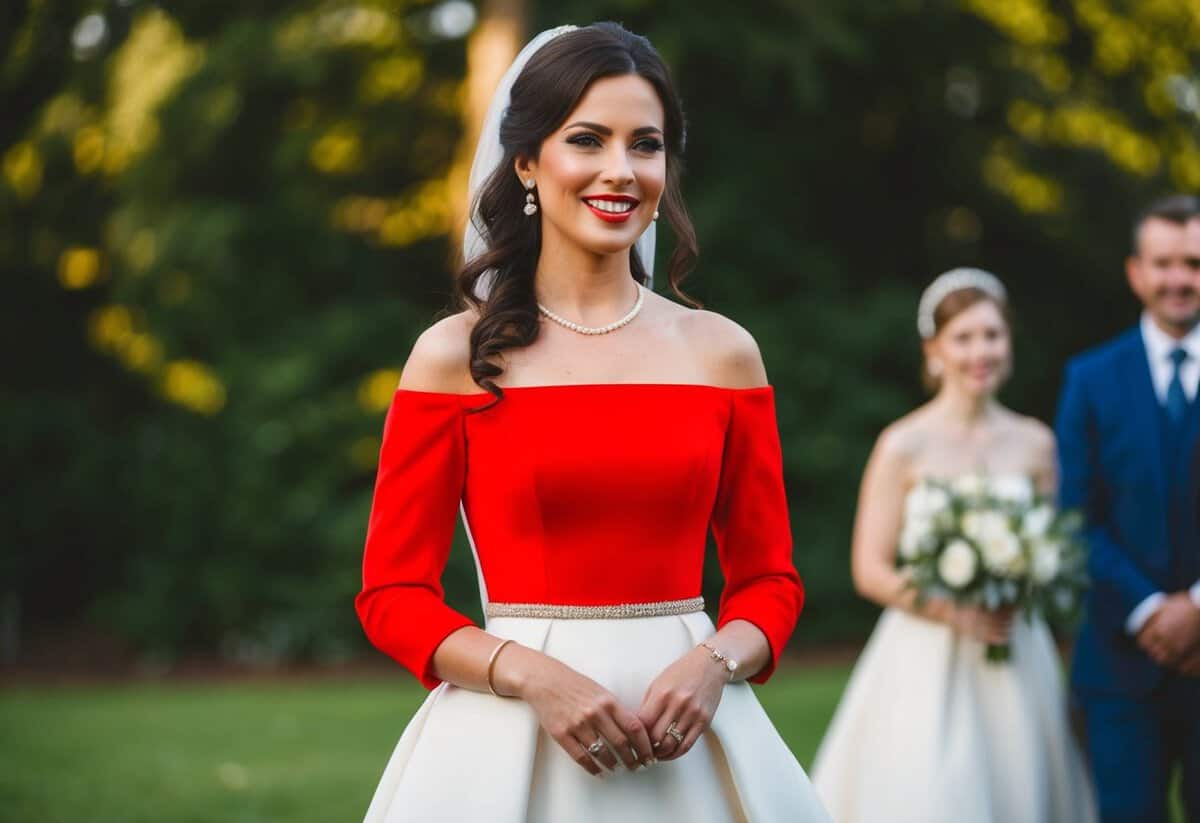
Additionally, it’s a good idea to check what colors the bridesmaids are wearing. If you wear the same color, you might look like part of the wedding party rather than a guest. Avoiding these colors will help you feel confident and appropriately dressed as you celebrate the couple.
Lastly, keep in mind that some colors, like red, can draw attention in a way that may not be intended. Stick to softer shades or unique patterns to ensure you look stylish while letting the newlyweds take the spotlight.
Understanding Wedding Attire Etiquette
When attending a wedding, knowing what to wear is key. The right attire shows respect for the couple’s big day and helps you avoid common fashion faux pas.
Let’s explore the basic dress codes and cultural considerations that can guide your outfit choices.
Wedding Dress Code Basics
Each wedding has its own dress code, which sets the tone for what guests should wear. Common wedding dress codes include:
- Formal: Typically requires a tuxedo for men and an elegant gown for women.
- Semi-Formal: Men can wear a suit, while women may choose a cocktail dress.
- Casual: This allows for more relaxed attire like sundresses or nice slacks.
Always check the invitation for any specified dress code. If the couple hasn’t mentioned anything, it’s best to avoid extremes.
By choosing an appropriate outfit, you honor wedding attire etiquette while ensuring you fit in with the celebration.
Cultural Considerations in Wedding Attire
Cultural traditions can significantly influence what you should wear to a wedding. In some Eastern cultures, red is reserved for brides, making it a choice to avoid. Meanwhile, black might be seen as a mourning color in certain communities, even though it’s accepted in others.
Understanding these nuances shows respect for the couple’s background. It’s wise to research the couple’s culture or ask if you’re unsure. This knowledge helps you make better choices and avoid unintentional disrespect while you celebrate the couple’s love.
Colors to Avoid as a Wedding Guest
When choosing what to wear to a wedding, it’s important to be mindful of certain colors. Some hues can be seen as disrespectful or out of place. Here are key colors and patterns to avoid.
The Significance of Avoiding White
The most important rule for wedding guests is to never wear white. This color is traditionally reserved for the bride. Wearing anything close to white, such as ivory, champagne, or light shades, can distract from the bride’s special moment.
It’s best to steer clear of tones like silver or gold too, especially if they appear light. This will help you remain respectful of the ceremony and not upstage the couple.
Other Problematic Colors and Patterns
You should also consider avoiding black at a wedding. While it can be elegant, some view it as inappropriate since it’s often associated with mourning. Neon colors, too, create too much attention and can overshadow the newlyweds.
Patterns that are too busy or vibrant may be seen as distracting. Instead, opt for soft jewel tones or neutral tones that blend well with the wedding’s atmosphere. Avoid denim unless the invitation states it’s a casual affair.
Selecting Appropriate Wedding Guest Dresses
Choosing the right dress for a wedding is vital to ensure you look tasteful and respectful. Your outfit should complement the occasion while avoiding any colors that may be reserved for special roles or could clash with the couple’s theme.
Choosing the Right Color
When selecting a dress, it’s important to avoid colors like white or ivory, which are traditionally reserved for the bride. These shades can signal that you’re trying to compete with her special day.
Additionally, muted floral prints that include white can also give off a bridal vibe.
Consider other popular wedding colors, too. If you know the couple’s wedding colors, try to avoid those shades. You want to make sure you stand out without taking the spotlight.
Opt for bold colors like deep red or navy blue, or soft pastels like blush or lavender. These choices can help you look stunning while being appropriately stylish.
Seasonal Color Choices and Weather Considerations
The season can greatly influence your dress color choice. In spring and summer, lighter colors like yellow, mint green, and light blue can be flattering. Meanwhile, fall weddings work well with rich colors like burgundy or burnt orange. On the other hand, winter weddings could call for deeper hues or jewel tones like emerald or sapphire.
Don’t forget to consider the weather when picking your outfit. In warm weather, light and breathable fabrics and colors will keep you comfortable. Meanwhile, colder months need layers and darker colors that fit the mood. Also, check if there’s a dress code for the wedding to help guide your color palette choices.