
What Color Dress Not to Wear at a Wedding? Tips to Avoid Fashion Faux Pas
You want to look fabulous at a wedding, but choosing the wrong color dress can lead to some awkward moments. Avoid wearing white or any shades similar to white, like cream and beige, to ensure you don’t overshadow the bride. It’s also best to stay clear of the bridesmaids’ colors, as you don’t want to look like part of the wedding party unless you are actually a bridesmaid.

Weddings can have a variety of dress codes, but knowing what colors to avoid is just as important as picking the right outfit. Understanding the couple’s preferences and traditions can help you navigate your wardrobe choices with ease.
It’s all about celebrating their special day while also showcasing your own style!
Understanding Wedding Attire Etiquette
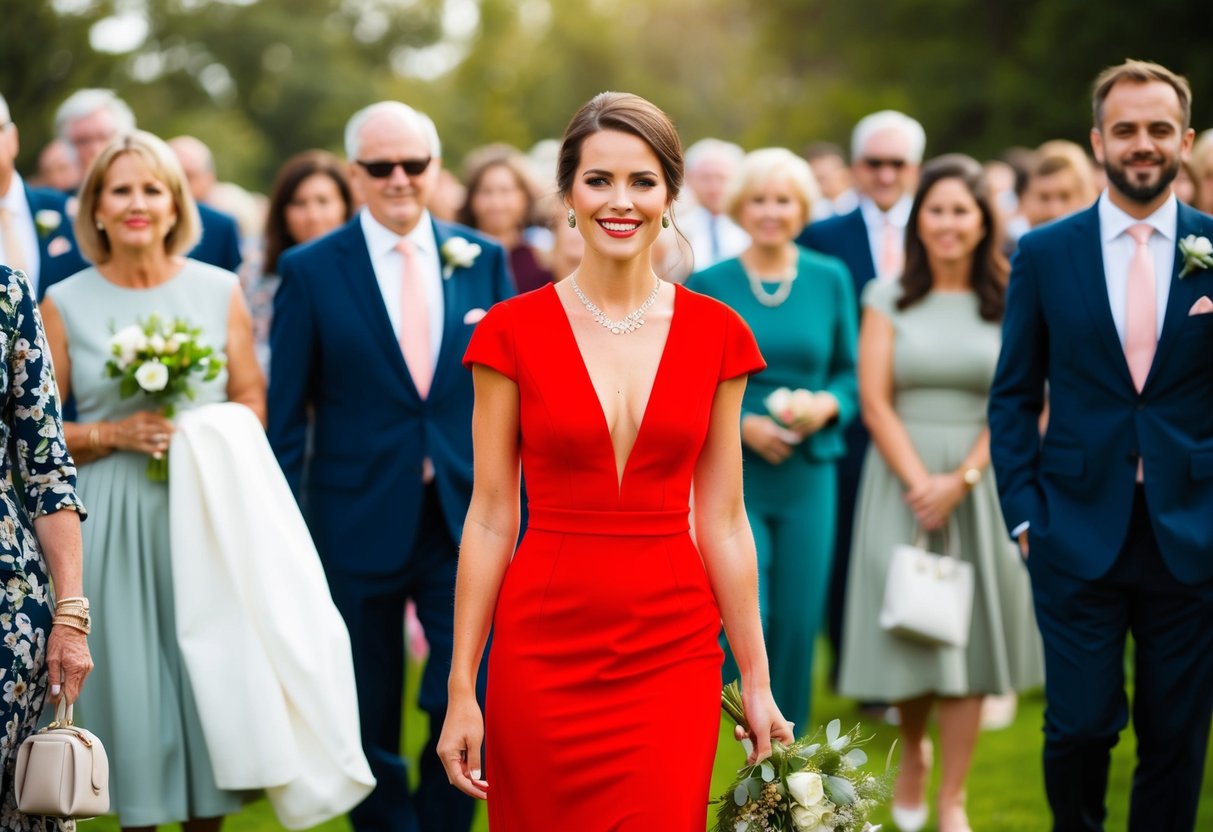
When attending a wedding, knowing what to wear is crucial. Specific colors play a significant role in respecting traditions and the couple’s wishes. Let’s look at the importance of dress colors in wedding attire etiquette.
The Significance of Dress Colors
Dress colors can impact the mood of the event and show respect for the couple. For instance, wearing white is usually a faux pas for guests, as it traditionally belongs to the bride. This helps avoid overshadowing her on her special day.
Black used to be avoided, but many couples now embrace it, especially for evening weddings. Light and pastel tones are often preferred for daytime events. If you’re unsure, consider asking the couple about their preferences. Following these guidelines shows your thoughtfulness and enhances the joyous atmosphere of the celebration.
Colors to Avoid as a Wedding Guest

When choosing a dress for a wedding, it’s important to respect the couple’s special day. Some colors are simply not appropriate and can draw unwanted attention. Here’s what you need to know about colors to avoid.
Why White Is Off-Limits
The color white is typically reserved for the bride. Wearing a white dress can be seen as trying to steal her spotlight. This includes any shades of white, such as ivory, champagne, or cream. These colors may resemble a bridal gown too closely.
Many couples go to great lengths planning their day, and you want to show your support, not overshadow them. If you’re unsure, it’s best to steer clear of anything even remotely similar to white.
Risky Colors Beyond White
Besides white, there are other colors that may not be suitable for wedding attire. For example, red can be seen as too bold or suggestive. Some couples prefer their guests to avoid such strong statements.
Black used to be considered inappropriate for weddings, but opinions are changing. Still, it’s wise to check with the couple first.
Neon colors can also be problematic, as they tend to draw attention away from the wedding party. Bright, flashy hues might take the focus from the couple’s special moment.
Seasonal Considerations in Color Choice
Different seasons can influence your color choices for a wedding.
In spring and summer, soft pastels are often favored. Colors like light pink, lavender, and baby blue are popular.
In the fall, deeper hues like burgundy and mustard work well. Winter weddings may call for jewel tones like emerald green or royal blue.
Always keep the wedding theme in mind. If it’s a formal affair, brighter or more casual colors might not fit the mood. Make sure to consider the couple’s style when selecting your outfit.
Guidelines for Selecting the Perfect Wedding Guest Outfit
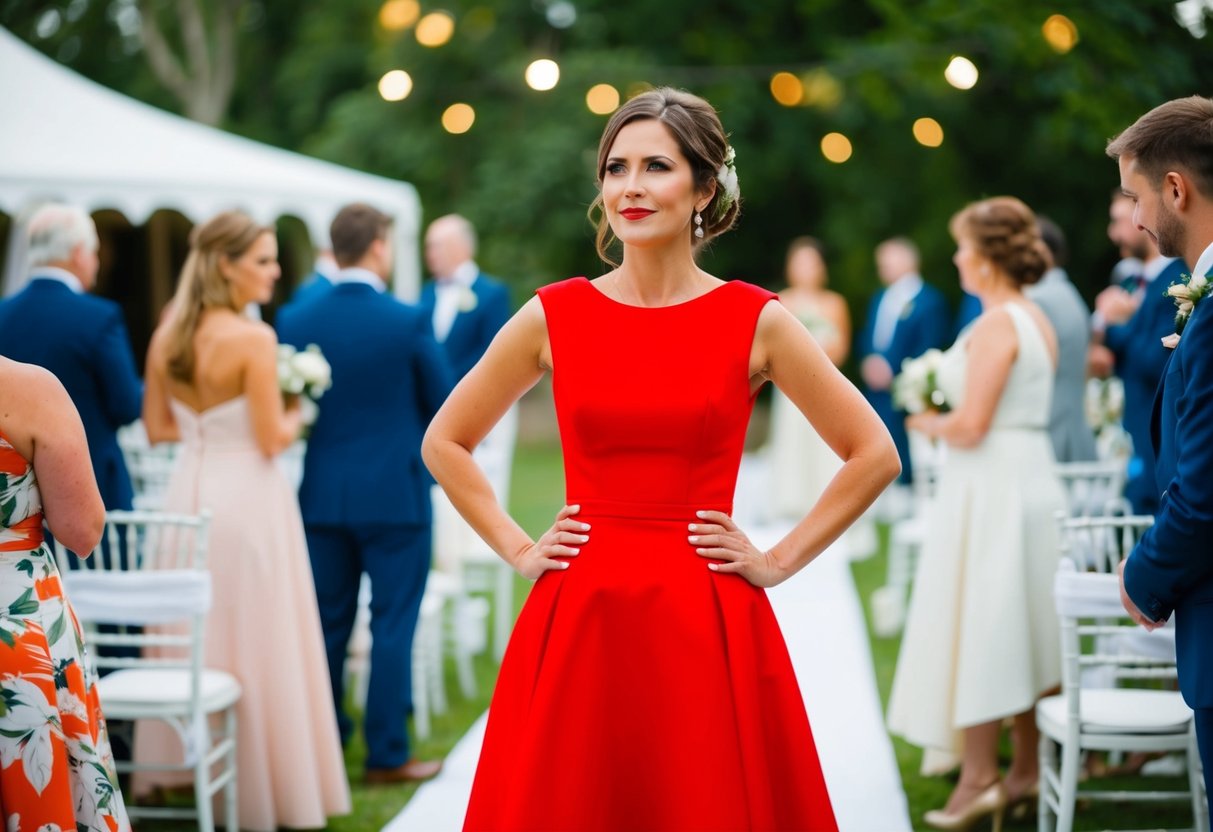
When choosing what to wear to a wedding, you want to honor the couple while also looking your best. Understanding dress codes and selecting colors carefully will help you stand out for the right reasons.
Navigating Wedding Dress Codes
Different weddings have different dress codes. Check the invitation for clues.
-
Formal: Look for elegant dresses, such as long gowns or sophisticated cocktail dresses. Opt for jewel tones like emerald or burgundy to make a statement.
-
Semi-Formal: You can wear a shorter dress or a stylish jumpsuit. Navy is a great choice and matches well with various accessories.
-
Casual: Choose lighter fabrics and simple styles. Neutral tones like beige or soft pastels can work nicely.
Always remember that black can be an appropriate choice for evening weddings, while white should be avoided to respect the bride.
Appropriate Alternatives to Controversial Colors
Certain colors are considered off-limits for wedding guests. For example, brides reserve white, and wearing it can draw unwanted attention.
Instead, consider these colors:
-
Navy: A versatile option that works across all seasons and gives a polished look.
-
Neutral Tones: Colors like taupe or blush are soft and elegant.
-
Jewel Tones: Rich hues such as sapphire or amethyst can add vibrancy to your outfit without overpowering the occasion.
When opting for prints, avoid any that mimic the bridal style. Choose floral designs that incorporate a range of colors, steering clear of white or ivory as the main shade. These choices will keep your attire appropriate and stylish.