
What Color Goes with Everything? Discovering the Ultimate Versatile Shade
Finding the perfect colors for your wardrobe or home can be tricky. You might be wondering, the color that goes with everything is neutral shades like black, white, gray, or navy blue. These colors are versatile and can mix well with almost any other color, making them great choices for any outfit or décor style.

Color theory plays a crucial role in helping you understand how different shades work together. By learning about color coordination, you can create harmonious looks that stand out.
Whether you want a classic and refined look or something more modern and bold, starting with these foundational colors can elevate your style effortlessly.
As you explore what colors suit your personal style, keep in mind that using neutrals as a base allows you to play with brighter hues and patterns with confidence. This way, you’ll always look put together, regardless of the occasion!
The Role of Neutral Colors in Versatile Wardrobes and Designs

Neutral colors play a crucial role in creating versatile wardrobes and harmonious interior designs. These adaptable colors can easily mix and match, lending themselves to a variety of looks and styles.
Understanding how to effectively use neutral colors can elevate both your fashion choices and home decor.
Understanding Neutrals
Neutrals are shades that go with almost everything. Key colors include black, white, gray, beige, and navy. These colors are often seen as the backbone of any wardrobe or design scheme. They provide a solid foundation, allowing you to build outfits or room styles without worrying about clashing.
Using neutrals gives you the freedom to experiment with bolder colors in accessories or decor while maintaining balance.
With a neutral base, you can create a monochromatic look simply by varying the shades of your chosen color. This creates a sophisticated vibe that is both stylish and practical.
Building a Capsule Wardrobe with Neutrals
A capsule wardrobe is all about having essential pieces that can be mixed and matched. When you start with neutrals, you simplify the process.
Choose basics like a white shirt, black pants, and a beige cardigan. These items can be combined in countless ways for different looks.
Consider adding a few statement pieces in simple patterns or soft colors. This could include a tan jacket or a navy dress. Together with your neutrals, they create a versatile color palette. The goal is to have outfits that can transition easily from day to night.
Neutrals In Interior Design
In interior design, neutral colors create an inviting atmosphere. Walls painted in soft gray, beige, or white can make a space feel larger and more open. These shades serve as an ideal backdrop for adding colorful decor items without overwhelming the room.
You can also layer neutrals for added depth. For example, use tan curtains with gray furniture and white shelves. This approach maintains simplicity while avoiding monotony.
Accessories like cushions or rugs in navy can add subtle pops of color to complement your neutral scheme. By focusing on neutrals, you ensure that your design remains cohesive and adaptable.
Playing with Colors: Beyond the Basics

When thinking about colors, it’s fun to go beyond the basics. You can enhance neutrals with bold accents, explore interesting color combinations, and play with patterns and prints to create unique looks.
Enhancing Neutrals with Accented Hues
Neutrals like khaki, grey, and camel provide a great base for your outfits. They are versatile and can match many colors.
To make your look pop, consider adding accent colors. For instance, a burgundy scarf can bring life to a grey outfit.
You can also use the color wheel to find complementary colors. Pairing olive green with a soft pink can create a balanced and stylish vibe.
Don’t shy away from experimenting. Small touches of color can turn a simple outfit into something special.
Exploring Color Combinations
Understanding color theory helps you create great combinations. Start with a base color, like navy blue. Then, you can add complementary colors like orange or use adjacent shades like blue and green for a smooth look.
You can also create a monochromatic palette by using various shades and tones of a single color. Different levels of brightness in the same color family make your outfit look cohesive.
Try mixing burgundy shades with lighter pinks for a smooth transition that stands out yet feels harmonious.
Patterns and Prints
Patterns and prints are fantastic ways to add fun to your wardrobe. Consider classic stripes, which can be paired with solid colors or other prints.
For example, striped tops look great with olive green pants.
Leopard print can add a bold touch as well. Pair it with a neutral like grey to keep the overall look balanced. Floral patterns also offer versatility. They can work with many colors and make any outfit feel fresh.
Just ensure that the colors in the floral print complement the solid colors you choose to wear with it.
Accentuating with Metallics and Pastels
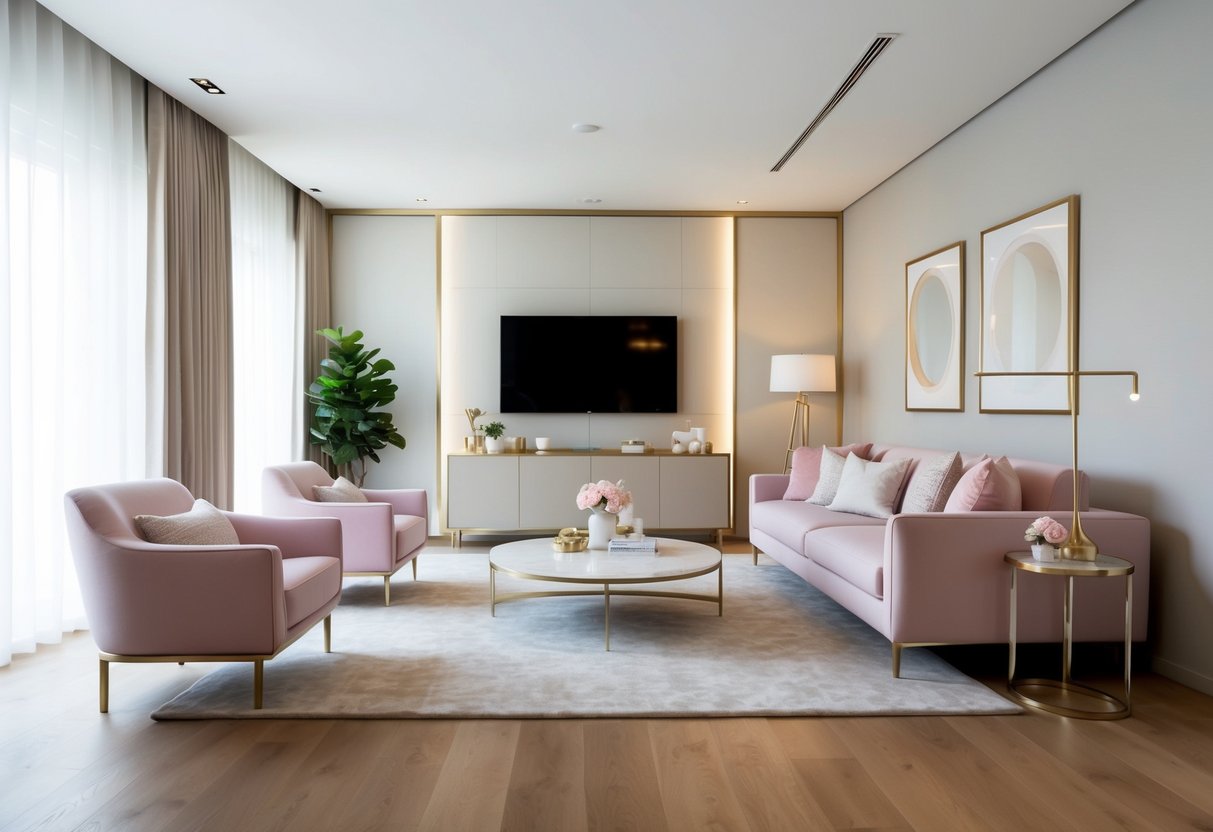
Using metallics and pastels can elevate your color schemes to new heights. These elements add sophistication and warmth to your designs, making them feel more inviting and stylish.
Incorporating Metallics as Neutrals
Metallics like gold and silver can serve as versatile colors in your palette. They act like neutrals, pairing well with various shades and creating a sophisticated edge.
You can use gold accents in furniture, fixtures, or accessories. Silver works beautifully with cool tones and can brighten up a darker space.
To maintain balance, combine metallics with muted colors like cream or soft grays. This way, your metallics shine without overwhelming the room.
Remember to add slight textures through fabrics or surfaces to enhance their appeal.
Softening the Palette with Pastels
Pastels are perfect for creating a soft, calming atmosphere. Shades like lavender, mint green, baby pink, and sage bring warmth without being too bold.
These colors work well together or can complement metallics. For example, a mint green sofa can pair beautifully with gold accents.
To create a fresh look, consider mixing pastels with neutrals like cream or white. This combination helps maintain a light feel in any space.
Pastels are great for creating a cozy ambiance, whether in home decor or fashion. They ensure your color scheme remains inviting and bright.