
What Color is Warm and Inviting? Discover the Best Hues for a Cozy Atmosphere
When you think about creating a cozy and inviting space, the colors you choose play a big part. Warm colors like yellow, orange, and soft red can make a room feel more welcoming and cheerful. These hues often evoke feelings of comfort and happiness, making your home a place you want to spend time in.
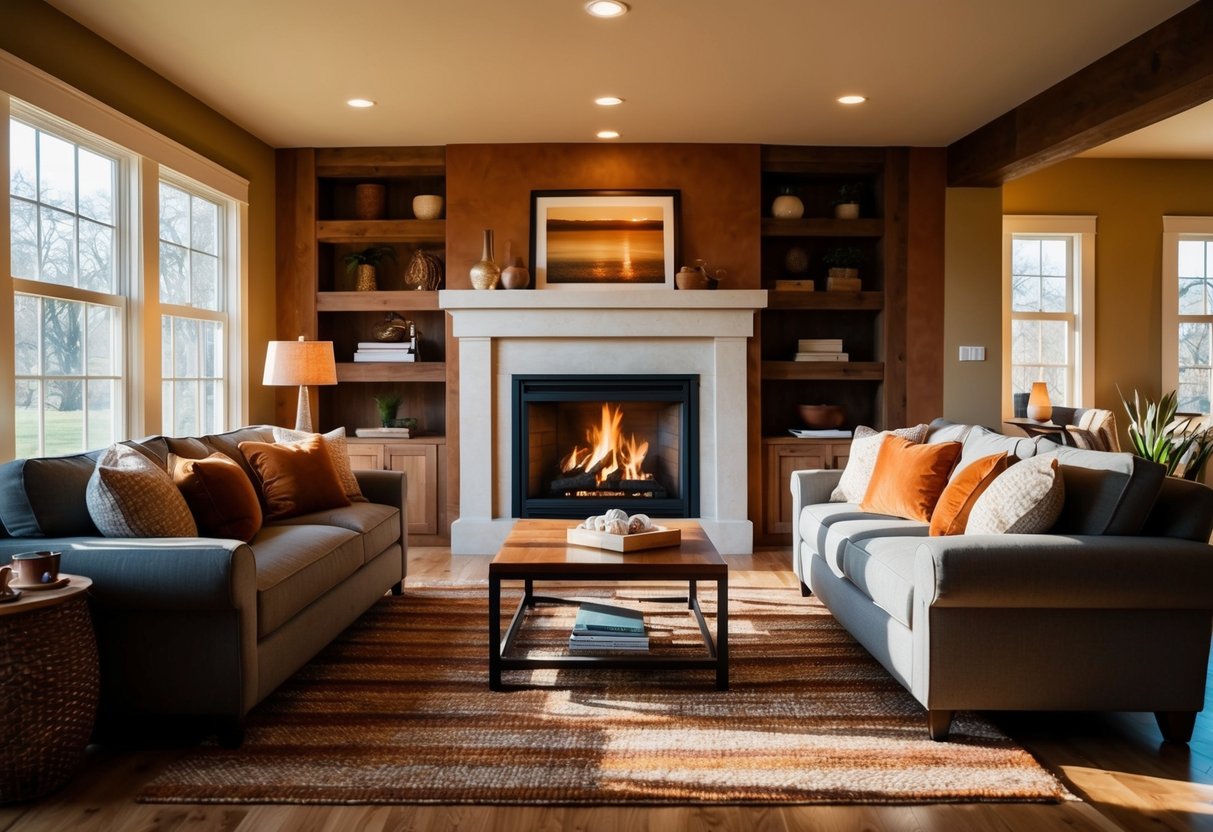
Color psychology shows that warm colors can stir up positive emotions. For instance, yellow is linked to optimism and joy, while earthy tones like warm browns can bring a sense of stability and warmth. By understanding how these warm hues affect your mood, you can create an environment that feels not just beautiful but also enjoyable.
Choosing the right warm colors can transform any space into an inviting retreat. Whether you’re painting a room or selecting decor, using warm tones helps create a friendly atmosphere that draws people in.
Understanding Warm Colors
Warm colors create an inviting atmosphere through their vibrant and engaging nature. They range from rich reds to sunny yellows and soft oranges. Knowing how these colors affect mood and perception can help you choose the right tones for your space.
Defining Warm Hues
Warm hues are colors like red, yellow, and orange. These shades remind you of the sun and heat. When you see red, it often sparks feelings of excitement and passion. Yellow brings a sense of cheerfulness and brightness to a room, while orange combines the energy of red with the happiness of yellow.
These colors stand out in a setting, making them ideal for larger spaces. When used wisely, you can transform any area into a cozy retreat. For example, painting a wall in a warm shade can instantly make a large room feel more intimate.
The Psychology Behind Warmth
The psychology of warm shades affects how you feel in a room. Red can energize you and increase your heart rate, which is perfect for places where you want to encourage activity. Yellow is associated with happiness and is often used in kitchens or dining areas to create a lively atmosphere.
Orange combines the vitality of red and the friendliness of yellow, making it an excellent choice for social spaces. When you use these colors, think about how they can influence mood. Choosing warm colors thoughtfully can help create a welcoming environment in your home, allowing you and your guests to feel comfortable and relaxed.
Warm Color Palette in Interior Design
When deciding on a warm color palette for your home, consider how these tones create comfort and appeal in various spaces. Warm colors, including those with warm neutrals and undertones, can transform your living environment into an inviting haven. Here are the details to keep in mind.
Choosing a Warm Color Palette
Start by selecting colors that feel cozy and inviting. Popular warm colors include shades of red, orange, yellow, and earthy tones like terracotta.
Warm Neutrals can also play a big role. Colors like beige, taupe, and warm whites create a soothing background that can be paired with bolder accent colors.
Use a color wheel to help identify complementary hues. Balancing warm tones with cooler shades can help maintain harmony in your interior spaces while adding depth. Remember to test out paint samples on your walls to see how they look in different lighting throughout the day.
Creating an Inviting Atmosphere
An inviting atmosphere starts with the right colors, but it goes beyond that. Use soft textiles such as plush throw pillows and blankets to enhance the warmth of your chosen palette.
Incorporate materials like wood and wicker, which naturally bring a sense of comfort and earthiness.
Lighting plays a crucial role too. Warm-toned light bulbs can enhance your color choices, making spaces feel cozier—especially in living rooms and bedrooms.
Consider adding plants for natural color and freshness, further enhancing the inviting feel of the room.
Warm Colors for Different Spaces
Different rooms can benefit from unique warm color strategies.
- Living Rooms: Go for deeper shades like burgundy or burnt orange, which create a welcoming space for gatherings.
- Dining Rooms: Soft yellows can stimulate appetite and conversation, creating an enjoyable dining experience.
- Kitchens: Light, warm whites paired with wooden accents provide an inviting cooking space.
- Bedrooms: Calming earth tones help promote relaxation, making your space feel like a retreat.
- Bathrooms & Entryways: Warm neutrals can create an open feel, turning small areas into cozy retreats.
With thoughtful choices, your warm color palette can breathe new life into your home.
Implementing Warm Colors in Your Home
Using warm colors in your home can create a cozy, inviting atmosphere. You can combine various warm hues with neutrals and add textiles and accessories to enhance the overall feel. Here are some specific ways to do this.
Accenting with Warm Hues
To create a welcoming space, consider adding accents in warm colors like peach, coral, or burnt orange. These tones can be applied through paint, decorative pillows, or artwork.
For example, painting one wall in a warm coral can energize a room. Terracotta planters also add an earthy touch and pair well with vibrant flowers.
If you want something subtler, try amber or warm yellows. They work beautifully in kitchens and dining areas, evoking warmth and happiness.
Balancing Warm Tones with Neutrals
While warm colors are inviting, balancing them with neutrals can create a harmonious look. Colors like creamy white or ivory make good choices for larger surfaces such as walls and furniture.
Using an ivory couch can serve as a neutral base for colorful throw pillows in mustard yellow or burnt orange. This contrast makes the warm colors pop while ensuring the room doesn’t feel overwhelming.
Additionally, wooden tones like light oak or walnut work well with warm hues, grounding the room and adding warmth through natural textures.
Textiles and Accessories
Incorporating textiles and accessories is another way to introduce warm colors. Think about adding cushions, throws, and rugs in shades of copper or warm coral. These elements can soften a room and add layers of comfort.
For more depth, opt for mustard yellow curtains that catch sunlight beautifully. You can also use burnt orange table runners for dining spaces, enhancing your meals with warmth.
Lastly, include artwork that features warm tones to tie everything together.
Warm Color Inspirations and Trends
When choosing warm colors for your space, inspiration can come from various palettes and trends. These colors set a cozy, inviting atmosphere, allowing you to create a beautiful environment in your home. Here are some highlights of popular warm paint colors and the latest trends in warm color schemes.
Popular Warm Paint Colors
Colors like golden yellow, burnt orange, and rust red are perfect for creating warmth in any room. Saffron and mustard shades can brighten up spaces, adding a cheerful touch.
For a more rustic feel, consider deep hues like burgundy or caramel. These colors can offer a sophisticated vibe while staying cozy. If you want a bold look, try pairing a warm color with charcoal gray or Hague blue. These combinations can help warm tones pop while adding balance to your designs.
Recent Trends in Warm Color Schemes
In recent years, warm color schemes have become increasingly popular. Trends show that people enjoy mixing warm tones with jewel tones to create a rich, lively atmosphere.
Canyon colors combined with rustic elements can bring out a stunning natural charm in your decor. Warm paint colors are also appearing in various shades and styles, embracing a layered approach.
Using warm colors in accent walls or decorative pieces can provide depth and interest. This method helps create a welcoming environment that feels unique to your taste.