
What Color Should a Stage Backdrop Be? Tips for the Perfect Choice
Choosing the right color for a stage backdrop can significantly influence the mood and tone of your event or performance. A well-chosen color can enhance visual impact by drawing attention to the performers and setting the overall atmosphere.
Whether you’re planning a theater production, a concert, or any event, the color you select will play a key role in how your audience experiences the show.

Consider the emotions you want to evoke. For instance, warm colors like reds and yellows can create excitement, while cooler hues like blues and greens can instill calmness.
It’s also important to think about how the backdrop will work with other design elements, including lighting and props, to create a cohesive look that captivates your audience.
Understanding Stage Backdrops
Stage backdrops play a crucial role in creating the right atmosphere for your event. The choice of color and material impacts how the audience perceives the performance or presentation.
Let’s explore the importance of selecting the right colors and types of materials for your backdrop.
Importance of Color Selection
Choosing the right color for your stage backdrop is vital for setting the mood. Different colors evoke various emotions. For example, blue tends to feel calming, while red can generate excitement.
A well-chosen color not only complements the performance but also enhances branding and messaging. If you’re hosting a corporate event, a backdrop in your company colors can reinforce your brand identity.
Using colors that contrast well with your performers helps ensure they stand out. Soft colors can create a dreamy atmosphere, while bold colors can add vibrancy and energy.
Consider your audience, too; the colors should resonate culturally and emotionally with them to create a more engaging experience.
Types of Backdrop Materials
The material you choose for your backdrop is just as important as the color. Various textures and types impact how the backdrop interacts with lighting and sound.
Common materials include muslin, silk, and canvas. Muslin is lightweight and can be painted to create stunning effects. Silk offers a smooth finish that reflects light beautifully, adding elegance. Canvas is durable and can withstand various environments, making it ideal for long-term use.
Fabric backdrops are also popular for their versatility. They can be made in numerous colors and textures, fitting a range of themes. Painted backdrops often showcase custom designs that add personality.
When selecting your backdrop material, think about ease of installation and how it complements the overall design of your event.
Design Elements and Branding

When designing your stage backdrop, incorporating branding elements is crucial. You want it to reflect your message clearly and attractively. Key elements include logos, artwork, and a cohesive look that ties everything together.
Incorporating Logos and Artwork
Your logo is a central part of your branding. It should be prominently displayed on the backdrop, ensuring it’s visible from various angles. Consider the size and placement carefully.
Artwork can enhance your message. Use relevant images that tell your brand’s story. Whether it’s a product image or an abstract design, make sure it aligns with your overall event theme. Using brand colors in both the logo and artwork can create a harmonious feel.
Make sure logos and artwork don’t crowd the backdrop. Give each element space to breathe.
Creating a Cohesive Look
A cohesive look means that all parts of your backdrop work together. Start with a clear color palette that reflects your brand. This can include primary colors and complementary shades.
Choose fonts that match your branding. Combining too many styles can create confusion. Stick to 1-2 fonts for the backdrop to keep it unified.
Also, consider ensuring consistency with other event materials. Programs, flyers, and signage should all share the same design elements. This approach strengthens your storytelling and allows the audience to connect better with your brand.
Lighting and Visual Effects
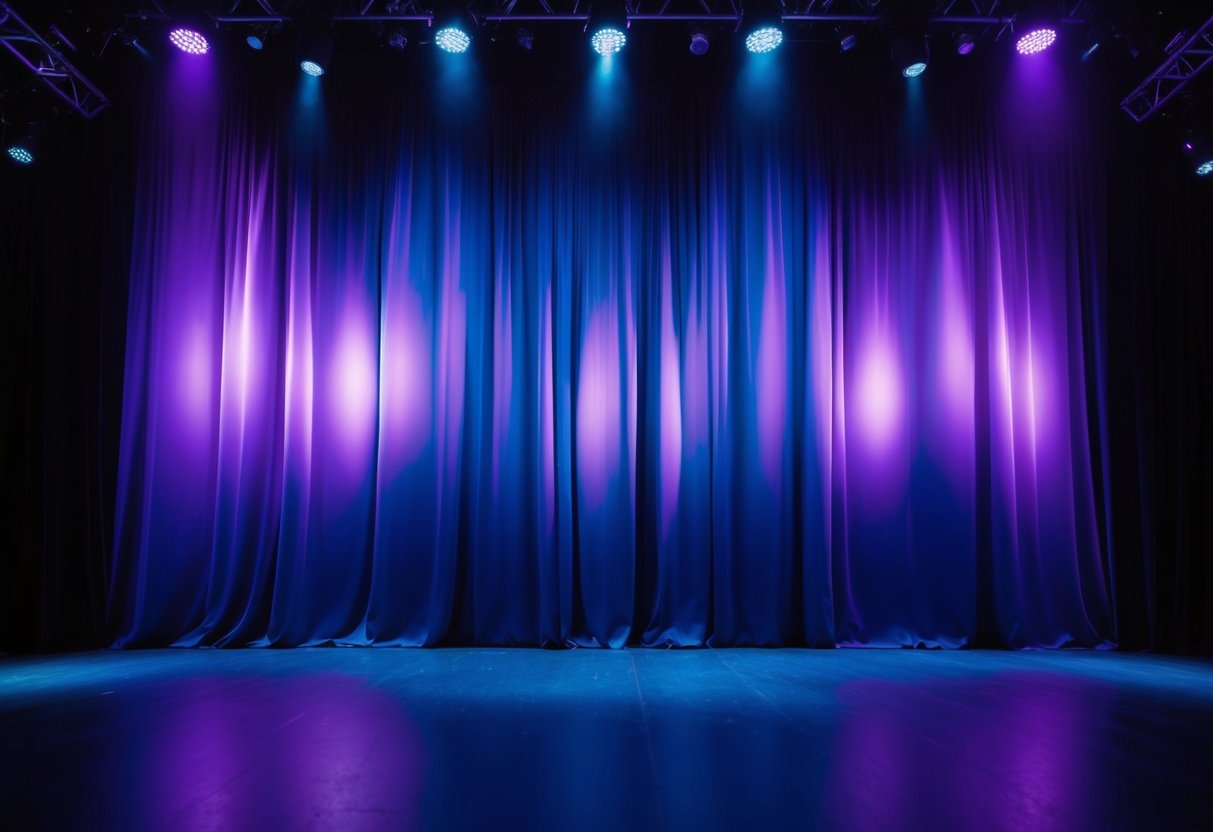
Lighting plays a crucial role in how your backdrop is perceived. The right colors and techniques enhance the visual experience, making your performance more engaging. Understanding how to choose colors that work with your lighting can elevate your stage setup.
Choosing Colors for Lighting Compatibility
When selecting colors for your backdrop, consider how they interact with different lighting types.
Bright colors can pop under strong lights, while darker shades may absorb light, creating a softer effect.
To create contrast, use complementary colors. For instance, a blue backdrop pairs beautifully with warm yellow or orange lights, creating a striking visual.
Tip: Test your colors with your lighting setup before finalizing them. This ensures you achieve the desired effect during the performance. Experimenting with different colors can lead to interesting lighting effects that captivate the audience.
LED Backdrops and Projection
LED backdrops can bring a dynamic feel to your stage design. These versatile materials allow for vibrant visuals and can change during the performance. You can project images or videos, adding depth to your backdrop.
Consider your content when using projection. Bold colors and high contrast images will stand out better against lighter or neutral backgrounds. Also, be mindful of the projection quality; soft images can appear washed out.
Using LEDs not only enhances colors but also allows for smooth transitions between scenes. This adaptability helps keep your audience engaged and creates a more immersive experience.