
What Color Should a Wedding Cake Be? Tips for Choosing the Perfect Shade
Choosing the right color for your wedding cake can be a fun yet challenging task. The color should reflect your wedding theme and color palette while also showcasing your personal style. Whether you’re opting for a classic white cake or a vibrant design, the cake can set the tone for your entire celebration.
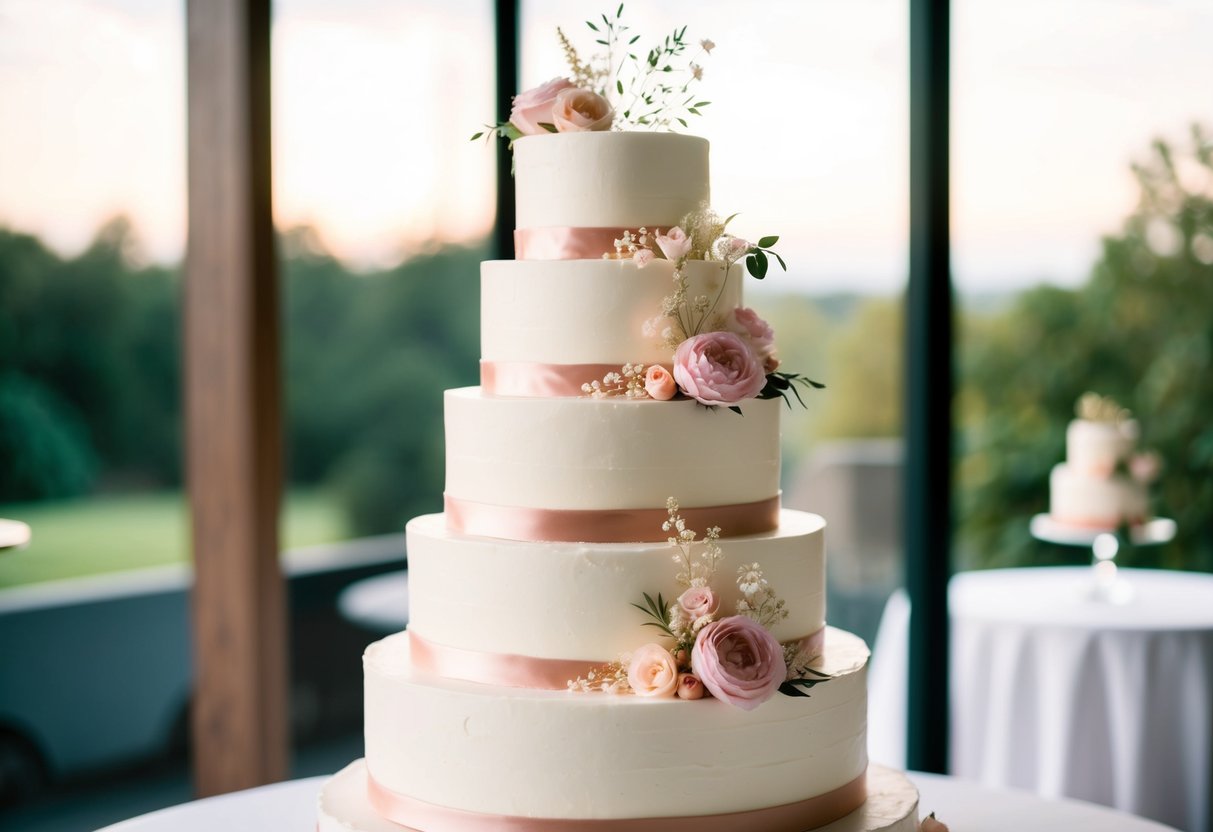
As you plan your big day, think about how your cake can complement your overall decor. A cake in shades that match your flowers or table settings can create a cohesive look that ties everything together.
With so many options out there, you can be as traditional or as adventurous as you want with your wedding cake colors.
Remember that your wedding cake is not just a dessert; it’s a centerpiece. Choosing the right colors will enhance the experience for you and your guests. It’s all about finding the balance between what you love and what fits within your wedding theme.
Choosing Your Wedding Cake Color
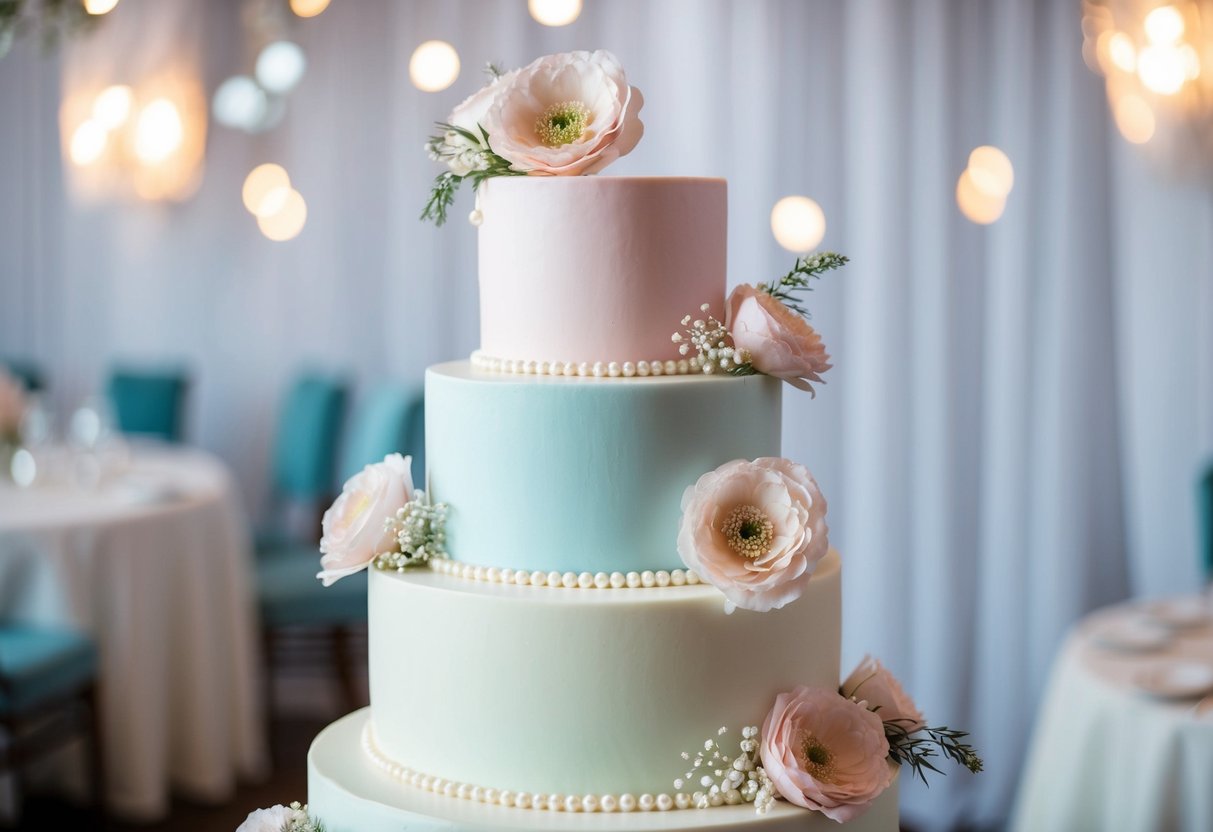
Selecting the right color for your wedding cake plays a key role in tying together your overall wedding theme. This decision not only enhances your wedding decor but also reflects your personal style. Consider how your cake color will relate to your wedding color palette and decor.
Importance of Color in Wedding Planning
The color of your wedding cake is important because it creates a visual connection with your wedding decor. A white wedding cake offers a classic touch, fitting for traditional themes. In contrast, colorful wedding cakes can add fun and excitement, especially for modern or themed weddings.
When choosing your cake color, think about how it fits within the broader color scheme. You want your cake to harmonize with flowers, table settings, and other decor elements. By matching or complementing these colors, your cake will not only look beautiful but also feel like a cohesive part of your celebration.
Understanding the Wedding Color Palette
Your wedding color palette plays a significant role in choosing your cake color. Typically, couples select a few main colors to use throughout their wedding. This palette often includes wedding colors like pastels, bold shades, or even neutral tones.
To create a pleasing look, consider selecting cake colors that complement your overall scheme. For instance, if your palette has soft pink and gold, a cake featuring these hues can beautifully echo your wedding decor. Don’t forget to balance colors; adding white can help tone down vibrant shades and prevent overwhelming the design.
Color Wheel and Wedding Cake Design
Using a color wheel can help simplify your cake color choices. The color wheel shows how colors relate to one another, helping you create a stunning design.
For example, you might choose complementary colors that sit opposite each other on the wheel, such as blue and orange. You can also explore analogous colors, which are next to each other on the wheel, like shades of blue and green. This approach can create a more harmonious look.
For colored wedding cakes, consider your chosen design, texture, and decoration style when selecting your colors. By utilizing these techniques, you ensure your cake is a visual delight that enhances your special day.
Incorporating Wedding Themes and Seasons
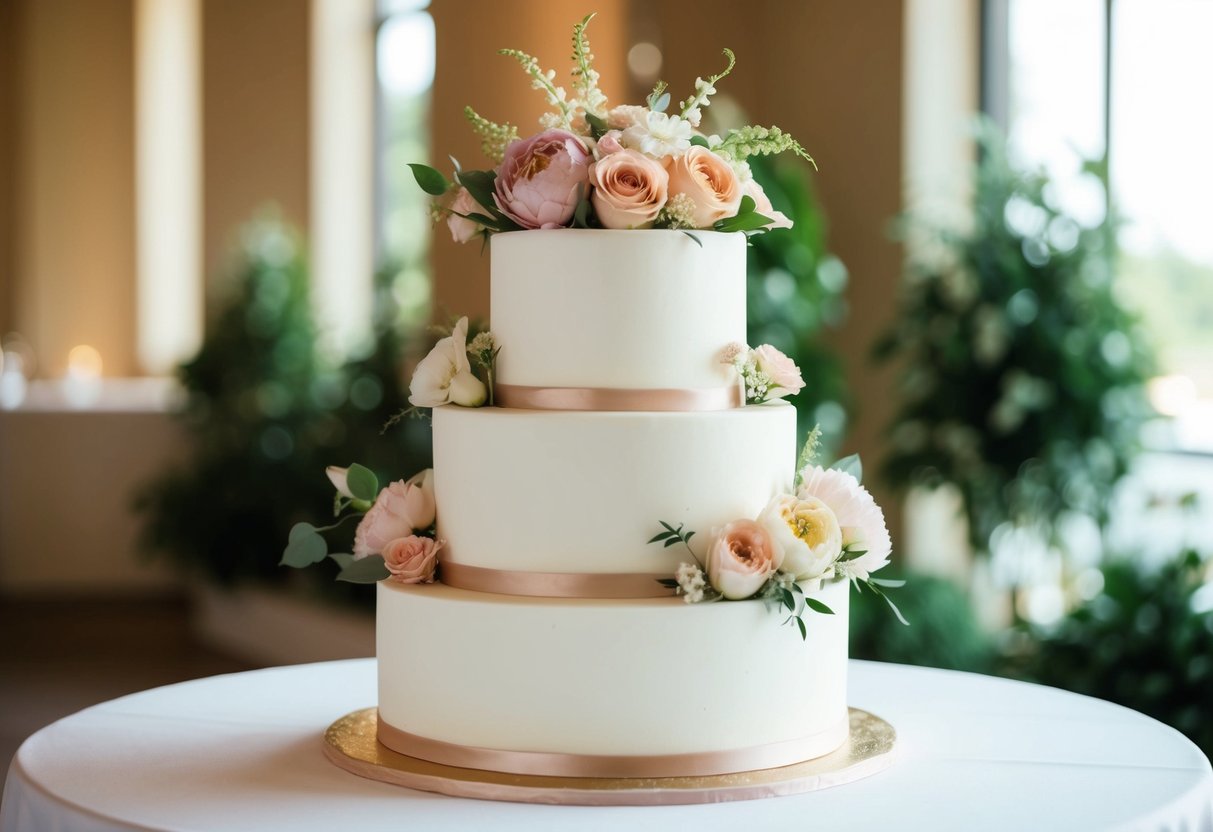
Choosing a wedding cake color that matches your theme and season adds a personal touch to your celebration. You can create stunning visual harmony between your cake, venue, and decorations. Here are key ideas for incorporating seasonal colors and themed designs.
Seasonal Color Trends for Wedding Cakes
Different seasons inspire unique color palettes for your wedding cake.
-
Spring: This season often features pastels like soft pinks, light blues, and mint greens. Floral arrangements can beautifully complement these colors, giving your cake a fresh look.
-
Summer: Bold colors like bright yellow, rich orange, and vibrant teal work well in summer. A cake with tropical flavors can enhance the sunny vibe.
-
Fall: Warm hues like deep reds, burnt oranges, and golden yellows reflect the beauty of autumn. This pairing can create a cozy and inviting atmosphere.
-
Winter: Traditional white or silver cakes with hints of blue or green can mimic the winter season. Add some sparkle with edible glitter for a festive touch.
Matching your cake to the season connects your wedding reception theme to nature.
Themed Cake Designs for Different Wedding Styles
Your wedding cake should echo your chosen theme and style.
-
Traditional: Classic white wedding cakes with ornate designs, like lace or flowers, fit formal celebrations. Consider decorated tiers with your wedding dress colors.
-
Boho Wedding: Opt for a naked cake adorned with fresh fruits and wildflowers. This style embraces simplicity and natural beauty, perfect for an outdoor venue.
-
Rustic Theme: A cake with wooden accents and earthy tones goes well with a barn or outdoor setting. Think of using succulents or simple buttercream flowers as centerpieces.
-
Glamorous Weddings: Multi-tiered cakes with gold accents and intricate designs can elevate your luxurious wedding atmosphere. Add sparkling details to tie in with your wedding decorations.
By aligning your cake with both the season and your theme, you’ll make an unforgettable statement at your celebration.
Decorative Elements and Cake Embellishments
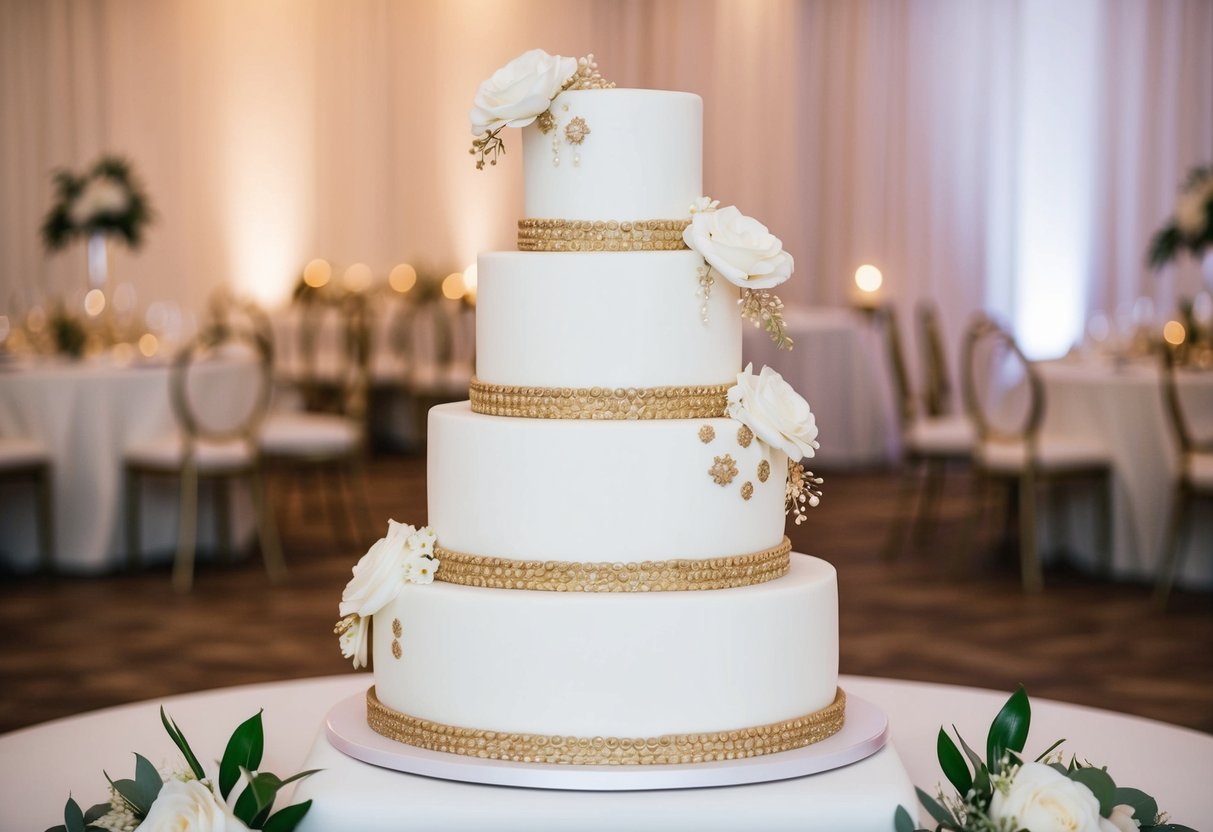
When it comes to decorating your wedding cake, the right elements can make a significant impact. From using sugar flowers to incorporating fresh fruit, these details can elevate the overall design and tie in beautifully with your wedding theme.
Using Sugar Flowers and Fondant
Sugar flowers add elegance and detail to any cake design. They can be customized to match your wedding colors and floral arrangements. Popular choices include roses, peonies, and gardenias.
Fondant can be used to create a smooth outer layer that provides a professional finish. You can also mold it into various shapes for added embellishments, such as leaves or ribbons. This combination allows for both realism and artistry, making your cake a centerpiece of your celebration.
Innovations with Buttercream and Fresh Fruit
Buttercream is versatile and can be piped into beautiful patterns or swirls. If you prefer a more casual look, you can opt for a naked cake, showcasing the layers with a light buttercream coating.
Fresh fruit can add vibrant color and freshness to your cake. Popular choices include berries, citrus slices, and edible flowers. These elements not only enhance the taste but also create a stunning visual. Bold hues can brighten a simple design and make your cake pop even more.
The Role of Centerpieces and Greenery
Centerpieces can draw the eye to your cake, making it a focal point in the room. Incorporating greenery, like eucalyptus or ferns, can frame your cake and add a natural look.
This combination helps to create a cohesive theme throughout your reception. The greenery can also soften the cake’s lines and colors, enhancing its elegance. By thoughtfully placing your cake among these elements, you’ll create a memorable display that ties in beautifully with the rest of your décor.
Selecting the Flavor Profile
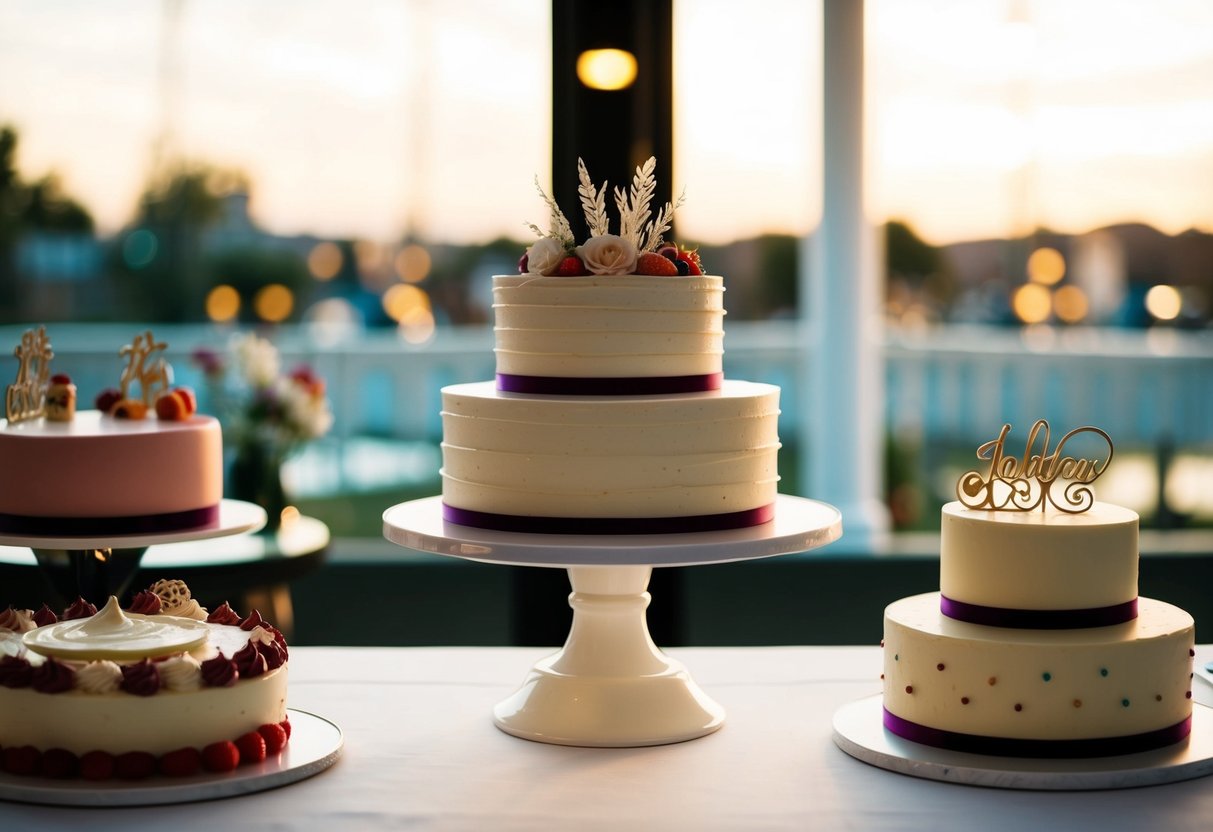
Choosing the flavor of your wedding cake is just as important as its color. You want something that matches your style and tastes.
Think about what flavors you and your partner enjoy. Some popular choices include:
- Vanilla: A classic choice that pairs well with many fillings.
- Chocolate: Rich and indulgent, perfect for true chocolate lovers.
- Red Velvet: This vibrant option adds a pop of color and a hint of cocoa.
- Fruit Cake: Traditional and often filled with a variety of dried fruits and nuts.
When considering a colorful wedding cake, think beyond just the frosting. You can incorporate different layers or fillings to create a fun flavor experience.
Adding fruits like strawberries, raspberries, or lemon can brighten up traditional choices. They make flavors lighter and can enhance the cake’s appearance.
For a truly unique cake, consider mixing flavors. How about a layer of lemon with a layer of raspberry? This can make your cake visually appealing and delicious.
Don’t forget to think about the season when selecting your cake flavor. Lighter flavors work well for spring and summer, while richer tastes suit fall and winter weddings.