
What Colour Is Traditional for Brides to Wear? Exploring the Timeless Choice of White
Many people wonder about the tradition of brides’ dress colors.
The most traditional color for brides to wear is white, representing purity and innocence. This classic choice has become a symbol of weddings in many cultures. In the West, the iconic white wedding dress is cherished.
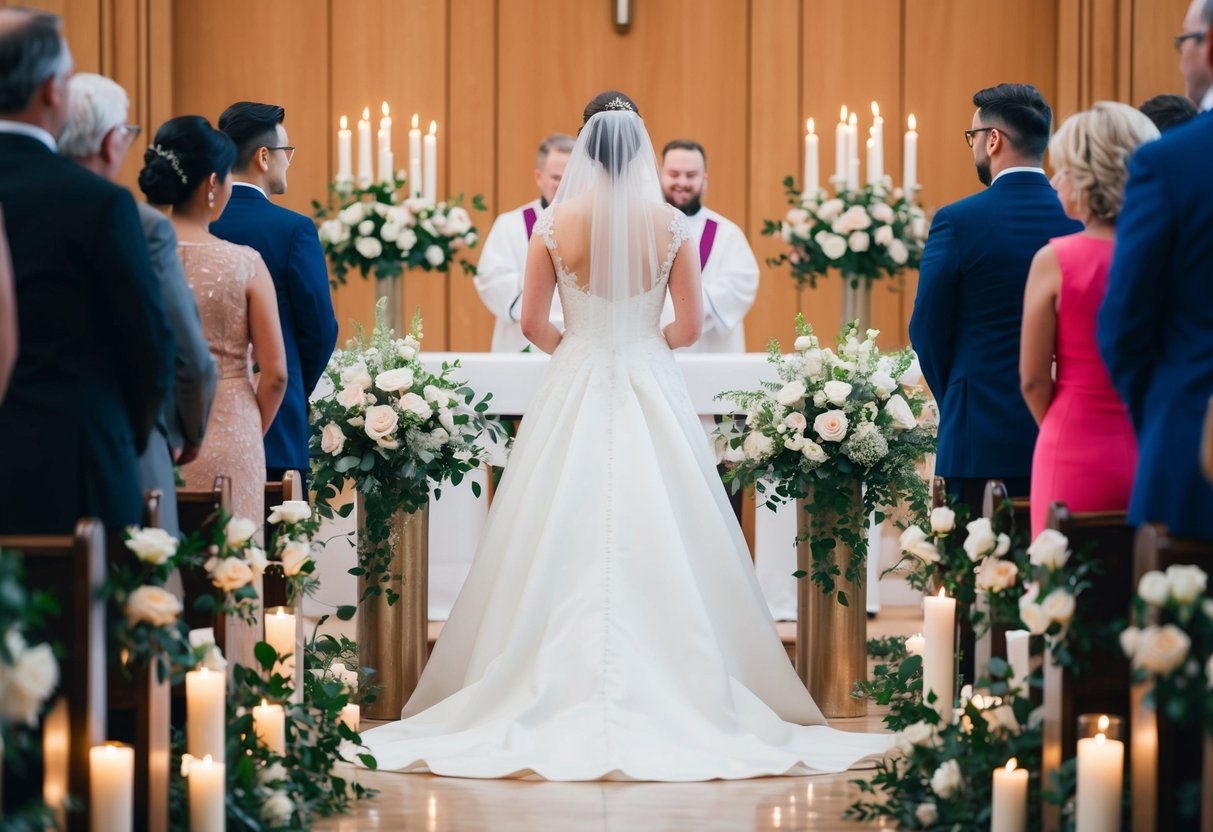
In different cultures, brides express their heritage through various styles. For example, in Japan, a bride often wears a traditional white kimono during the ceremony, signifying purity. Meanwhile, Indian brides showcase vibrant colors like red and gold, reflecting cultural significance and celebration.
No matter the color or style, a bridal gown is a deeply personal choice. Whether you dream of a classic white gown or something more colorful, the most important thing is that it feels right for you on your special day.
The Significance of Color in Bridal Attire
Colors play a huge role in wedding dresses, carrying deep meanings that connect to personal beliefs and cultural traditions. Understanding these colors can help you choose the perfect dress that reflects your values and wishes for the future.
White as a Symbol of Purity and Virginity
White is the most traditional color for wedding dresses, representing purity and virginity. Many brides choose white to invoke a sense of innocence on their special day.
The history of white wedding dresses dates back to Queen Victoria in the 19th century. Before that, brides often wore their best dresses, regardless of color.
Today, variations like ivory and cream are also popular. Wearing white allows you to honor tradition while making a personal statement about your commitment.
Red for Good Luck and Prosperity
In many cultures, red is a vital color symbolizing good luck, happiness, and prosperity. This is especially common in Asian weddings.
For Chinese brides, wearing a red dress is thought to bring good fortune. Red also represents love and joy, making it a fitting choice for such a significant occasion.
When you choose red, you embrace these beautiful values, adding a layer of rich significance to your wedding attire. This bold color captures attention and radiates vibrancy, making a lasting impression.
The Rich Palette of Modern Weddings
Today’s weddings feature a stunning variety of colors beyond the traditional choices. Brides now opt for shades like blush, blue, or even patterned dresses, reflecting personal style and creativity.
This modern approach allows you to express individuality while embracing cultural meanings. Many brides consider their wedding dress color as a way to tell their unique love story.
Whether you prefer classic tones or vibrant hues, the colors you choose can signify your journey together. You have the freedom to explore and find what resonates with you.
Historical and Cultural Influences on Wedding Dresses
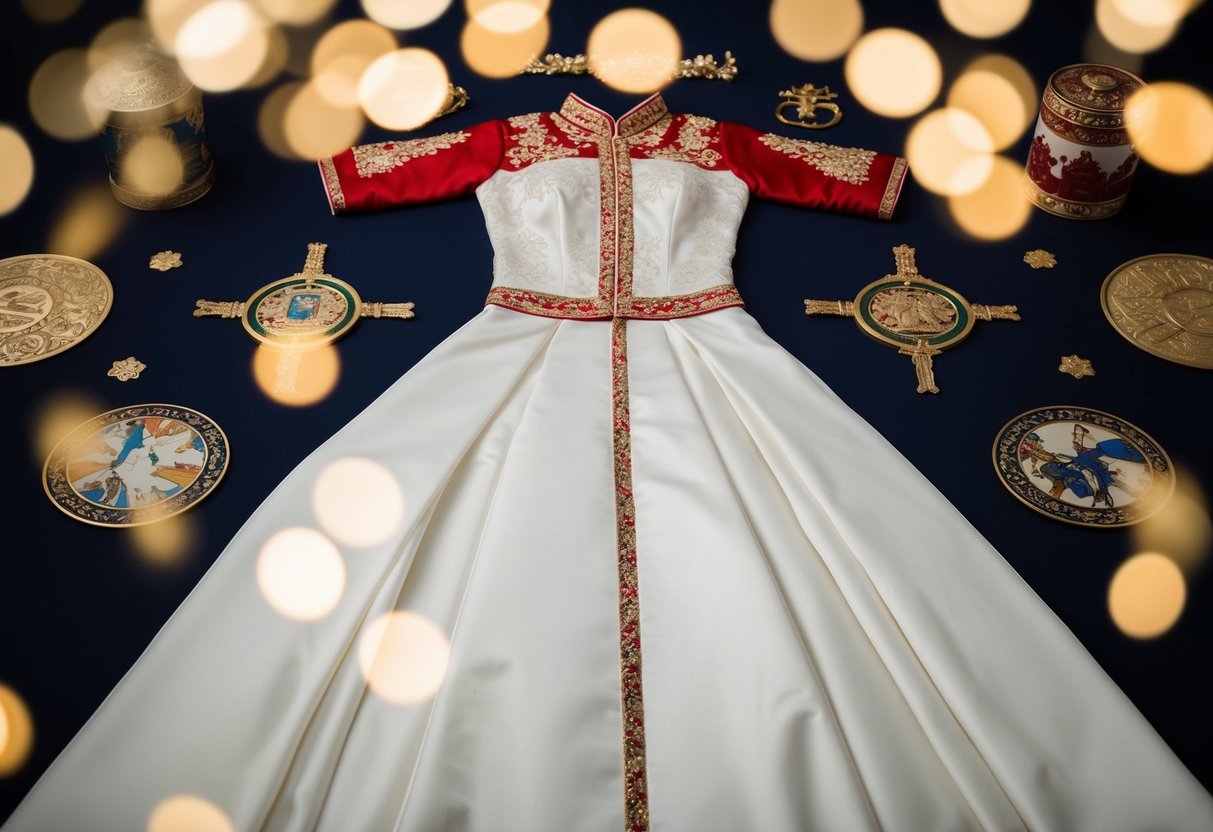
The color and style of wedding dresses have deep roots in historical and cultural traditions. These influences shape what brides wear today and reflect various customs across the globe. Understanding these backgrounds helps you appreciate the significance of your choices in wedding attire.
Queen Victoria and the White Wedding Dress Tradition
Queen Victoria of England played a key role in establishing the white wedding dress as a symbol of purity and innocence. When she married Prince Albert in 1840, she chose a white gown, which was quite unusual at that time.
This choice sparked a trend among brides, encouraging them to opt for white dresses in Western cultures. Before her wedding, brides often wore dresses of various colors, including their best garments, as color norms were not strict. Today, white has become a standard in Western weddings, largely thanks to Victoria’s influence.
Eastern Cultural Attires and Colors
In Eastern cultures, wedding attire varies greatly, reflecting rich traditions and meanings. For instance, in many Asian countries, brides wear red, which symbolizes happiness, good luck, and prosperity.
A traditional Chinese bride often wears a red dress adorned with gold embroidery. Similarly, Japanese brides may don a shiro-muku, a white kimono, during their ceremony. This attire signifies purity and simplicity, often accompanied by vibrant colored kimonos at the reception. In India, brides wear richly colored saris or lehengas, often in shades of red or gold, representing joy and prosperity.
Variations in Western Wedding Dress Norms
While white is common, many Western brides choose to break from tradition. Factors such as personal style, cultural heritage, and modern trends influence their dress colors.
Brides may select pastel colors or even bold hues like blue or pink. In the 1960s, colorful wedding dresses gained popularity as some brides embraced bright shades like canary yellow. Many couples today are also incorporating their heritage into wedding attire, leading to a vibrant mix of traditions that reflect their unique love stories.
This blend of historical context and cultural influences showcases how wedding dresses continue to evolve while honoring timeless customs.
Contemporary Bridal Fashion and Personal Choices
Bridal fashion has evolved significantly, giving modern brides the freedom to express their unique styles. From diverse gown styles to personalized touches, today’s brides can celebrate their individuality on their special day.
Bridal Gown Styles for the Modern Bride
As a modern bride, you have a wide range of gown styles to choose from. Traditional white dresses remain popular, but many brides now explore colors like blush, champagne, or even bold shades.
Styles such as A-line, ball gown, and mermaid offer something for every body type. Long sleeves, sleeveless, or off-the-shoulder designs can complement your personal style and the season. Fabrics can vary from classic lace to soft satin, allowing you to showcase your taste.
In addition, many brides are opting for unique elements like embroidery and beading. These details can turn a simple gown into a stunning masterpiece.
Customization and Personal Touches
You can add personal touches to your bridal gown to make it truly yours. Customization is a big trend. You might choose fabrics that reflect your style or add specific colors that hold special meaning.
Accessorizing also plays a key role. A custom veil or unique jewelry can elevate your look. Some brides even incorporate family heirlooms or sentimental items into their outfits.
Consider practical details too. For example, adding a detachable train or pockets can enhance both style and functionality.
The Role of Bridal Stylists and Neggafa
Working with a bridal stylist or neggafa can simplify the process of finding your perfect gown. These experts understand current trends and can guide you in selecting styles that suit your figure and preferences.
A neggafa specializes in traditional bridal attire, especially in certain cultures. They can help blend modern elements with cultural significance, ensuring your look honors both your heritage and personal style.
Moreover, stylists often assist in fittings and can recommend alterations for a flawless fit. Their expertise ensures you feel comfortable and confident on your wedding day.
Choosing Your Wedding Dress Color
Selecting the right color for your wedding dress is key to expressing your personal style and the mood of your special day. Many factors can influence your choice, from tradition to modern trends and even the setting of your wedding.
Traditional Whites and Ivories
The classic choice for brides is the white wedding dress. White symbolizes purity and innocence, making it a popular option for ceremonies. Ivory dresses offer a slight warmth compared to bright white, which can be flattering for many skin tones.
Shades of white come in various tones, so it’s essential to find one that highlights your beauty. You might also consider blush or pastels for a soft, romantic look.
Bold and Non-traditional Colors
If you want to break from tradition, bold colors could be your perfect fit. A blue wedding dress or even a lavender option can make a stunning statement.
Many brides are now choosing red or black dresses, embracing their unique style. Each color brings its meaning; for instance, red symbolizes love, while black can represent elegance and sophistication. Think about the message you want to convey through your choice.
Influence of Season and Venue
When selecting your dress color, consider the season and the venue. For a summer wedding, choose light colors like pastels. They can create a fresh vibe. In contrast, deep, rich colors like burgundy or navy can work beautifully for fall or winter events.
Think about the setting, too. A beach wedding might suit a lighter, breezy color, while a formal indoor reception might call for something more striking.
Tailoring your choice to these factors ensures a harmonious look on your big day.