
What Colour Should a Bride Wear? Exploring Traditional and Modern Choices
Choosing the right color for your wedding dress can feel overwhelming, but it doesn’t have to be. Traditionally, most brides opt for white or off-white gowns, but modern bridal fashion offers a wide range of color options to express your unique personality.
From soft pastels to bold hues, your gown can reflect your style and the theme of your wedding.
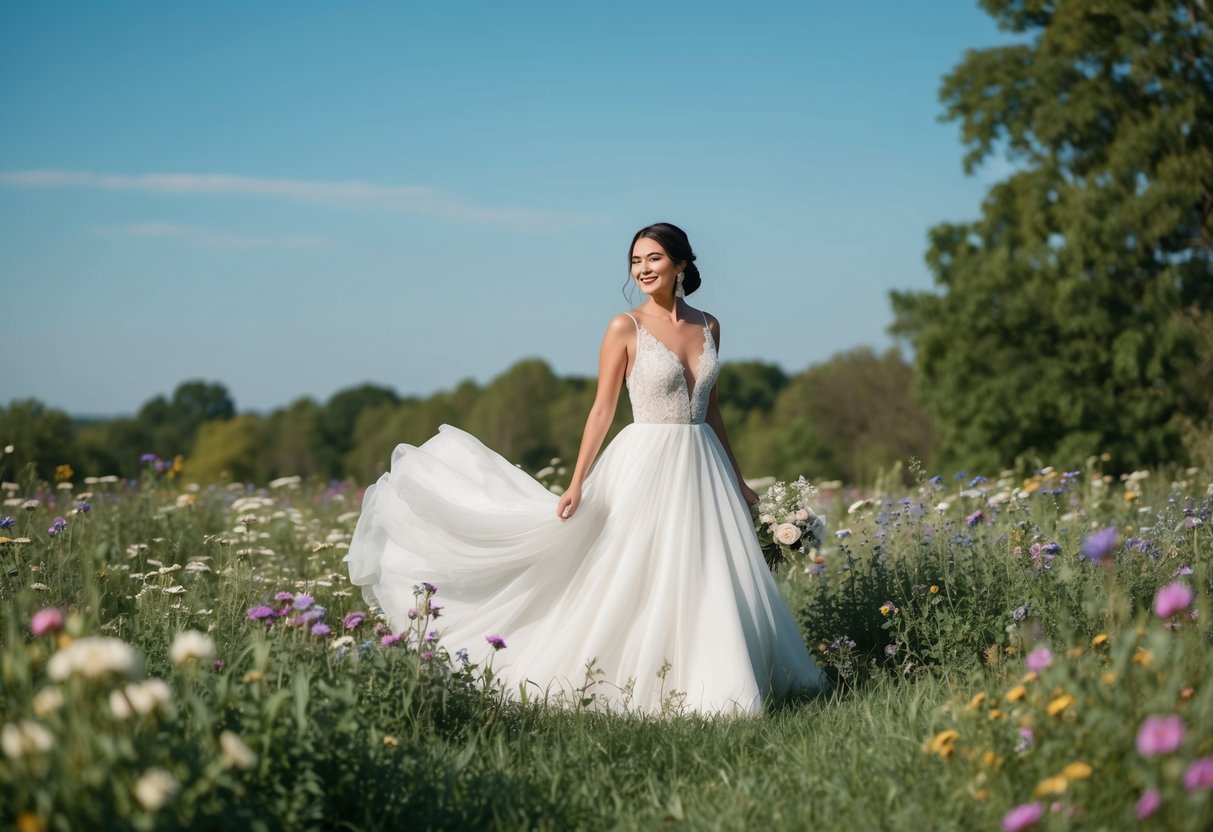
Consider what colors complement your skin tone or match the season of your wedding.
You might select a soft blush for a spring wedding or a deep burgundy for a fall event. Many brides also choose shades that align with their wedding palette, creating a harmonious look that ties everything together.
As you explore different wedding gown options, think about how the color makes you feel. Your wedding dress is a reflection of you, so whether you choose classic white or a vibrant shade, make sure it resonates with your vision for the big day.
The Significance of Traditional and Modern Bridal Colors
Choosing the right color for your wedding dress can express your personal style and reflect cultural traditions. Both historical and contemporary choices offer a variety of meanings and styles that can enhance your special day.
Historical Perspectives on Bridal Wear
Traditionally, Western brides wore white, a color that became popular after Queen Victoria chose it for her wedding to Prince Albert in 1840. This choice symbolized purity and innocence. However, before white became the norm, many brides wore shades like beige or even bold colors depending on their cultural backgrounds.
In Eastern cultures, colors like red represent joy and happiness, while ivory and pastel pink might signify elegance and femininity. Each color was often chosen based on personal meaning and societal standards. Understanding these historical choices helps you appreciate the rich tapestry behind bridal fashion.
Contemporary Trends in Bridal Fashion
Today, many brides feel empowered to break from tradition. While white, ivory, and beige remain popular, pastel pink and bolder hues like emerald green or even black are emerging trends.
Brides often select colors that match their wedding theme, such as floral designs or seasonal colors. This allows for creativity and personalization in their attire. The shift towards unique colors reflects modern values of individuality, making your wedding dress not just a garment but a statement of who you are.
Choosing Your Wedding Dress Color
Choosing the right color for your wedding dress is a personal decision that reflects your style and personality. Consider your color palette, seasonal trends, and how to coordinate with your wedding party to create a beautiful look.
Color Palette Considerations
When thinking about your wedding dress color, start by defining your color palette. This could include shades like lavender, plum, or even eggplant.
These colors can evoke different feelings and complement various skin tones.
Consider using complementary colors and analogous colors to create depth. For instance, taupe pairs wonderfully with deeper shades like plum. Additionally, incorporating mid-tone browns can add warmth to your ensemble.
Think about how the colors fit together to make sure your dress stands out while still feeling cohesive.
Seasonal Color Trends and Combinations
Seasons influence color trends, impacting which hues feel appropriate.
In spring, softer shades like sky blue or lavender stand out beautifully. Summer often welcomes brighter shades, while fall is perfect for richer, bolder colors like deep red or warm browns.
Integrating secondary colors, such as green or orange, can also add interest. If you choose a soft color for your dress, consider a slightly darker coordinating color for your accessories. This creates a balanced and pleasing look that keeps your wedding feel fresh and vibrant.
Coordinating With the Wedding Party
Coordinating your dress color with your wedding party is crucial for a polished look.
Consider colors that harmonize with the dresses of the bridesmaids and outfits for the groomsmen. If you wear a lavender dress, for example, your bridesmaids could sport plum for a lovely contrast.
Discussing options with your mother or the mother of the bride is also important. Ensure her dress color complements yours without clashing. Aim for a unified appearance that celebrates everyone involved.
Accessorizing Your Look
Accessorizing adds a personal touch to your bridal outfit. The right accessories can enhance your dress while reflecting your unique style. Consider how colorful accents and neutral shades can complement your overall look.
Colorful Accessories and Accent Pieces
Incorporating colorful accessories can create a stunning contrast to your wedding gown. For example, consider using rose gold jewelry. This warm tone not only looks elegant but also pairs beautifully with white and off-white dresses.
Deep red accents can also make a bold statement. A deep red clutch or shoes can add vibrancy without overwhelming your look.
Pairing shades like royal blue in your jewelry or hairpieces can introduce a touch of sophistication. Don’t forget to think about your bouquet, which can feature colorful blooms that tie in with your accessories for a cohesive look.
Balancing with Neutral Shades
While colorful accessories add flair, balancing them with neutral shades is just as important.
Consider using grays in your accessories, such as a gray shawl or shoes. These tones can add elegance without competing with your bridal gown.
Neutral shades also serve as a backdrop, highlighting your colorful pieces. For instance, a pearl necklace will complement any color scheme while maintaining a classic aesthetic.
Ultimately, the key is to mix and match. Use colorful accents to bring your personality into your look while grounding the outfit with neutral shades that enhance elegance and style.
Final Considerations Before Choosing Your Dress
Before you settle on a wedding dress color, think about how it connects to your venue, theme, and the overall feel of your special day.
Consider how your choice impacts photos and aligns with the formality of your event, ensuring that it all comes together beautifully.
Venue and Theme Compatibility
The venue plays a big role in your dress color choice. If you’re getting married in a rustic barn, a warm color like rust can enhance the natural charm of the setting. For a garden wedding, dark green can blend harmoniously with the greenery around you.
Also, align your dress with the wedding theme. A formal wedding typically calls for classic colors, while a whimsical theme might allow for more unique options. Your dress should reflect both your personality and the atmosphere you want to create.
Photographic Impact of Dress Color
Think about how your dress color will look in photos.
Lighter colors like ivory or soft pastels can create a dreamy effect. These shades often stand out against vivid backgrounds, making you the focal point.
On the other hand, darker and bold colors can offer a striking contrast. A deep burgundy or rich navy dress can pop against a bright venue. Always consider how these colors will appear in different lighting, as this will affect the overall look of your wedding photos.
Dress Color and Formality Level
Your color selection should be guided by the formality of your wedding. For a formal ceremony, you should typically prefer classic whites, creams, or soft pinks. These colors convey elegance and sophistication.
If your wedding is less formal, you can explore brighter colors like sunset orange or royal blue. These shades can help set a relaxed and joyful atmosphere, perfect for a casual gathering. Your dress should reflect both the occasion and your personal style, ensuring that you feel your best on your big day.