
What Colour Should My Wedding Be? A Guide to Choosing Your Perfect Palette
Choosing the right colors for your wedding can feel overwhelming. However, remember that your color palette should reflect your personal style and the mood you want to create.
Start by thinking about colors that resonate with you and your partner. These hues will set the tone for your big day. Whether you lean towards soft pastels for a romantic vibe or bold jewel tones for something more dramatic, the options are endless.
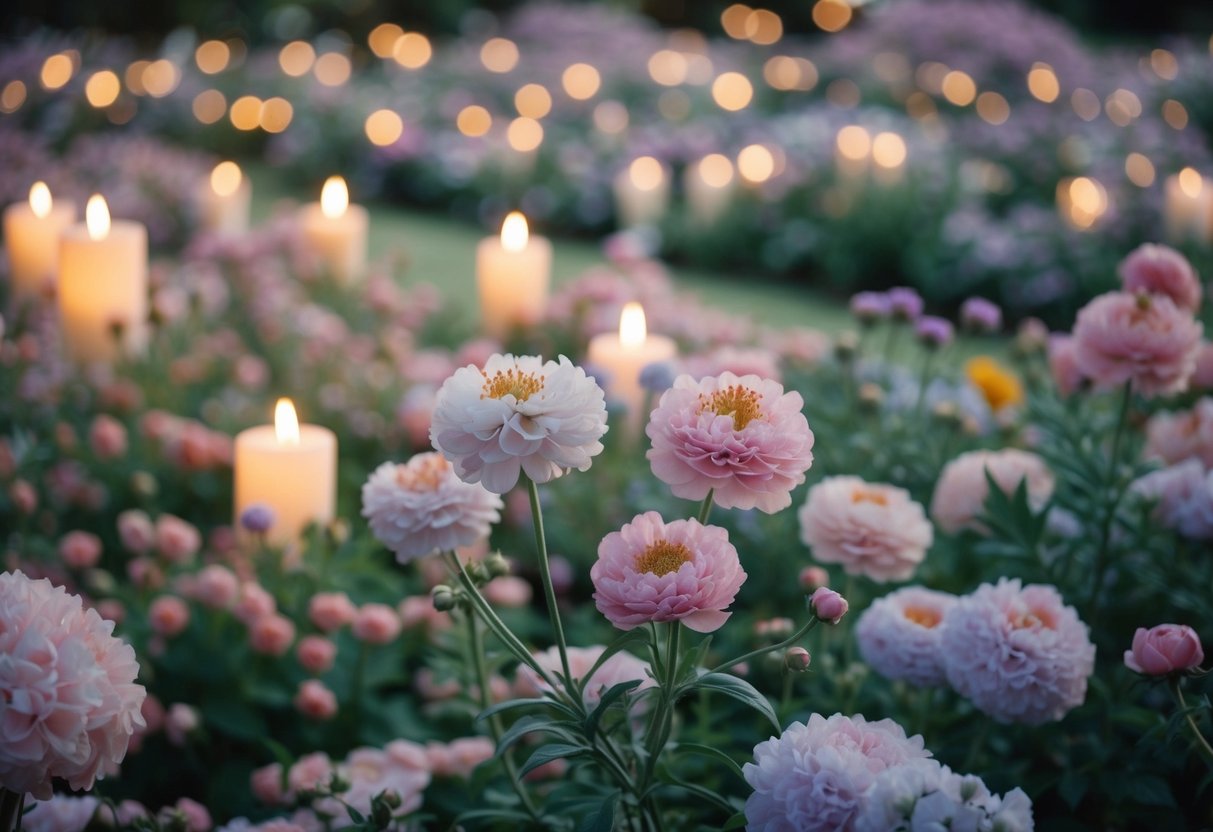
You can take inspiration from the seasons, your favorite flowers, or even your venue to find the perfect color scheme. Let your imagination run wild, but keep in mind that selecting a cohesive palette will enhance the beauty of your wedding decor and keep everything looking harmonious.
As you explore different color combinations, consider how they will work together in elements like floral arrangements and table settings. This thoughtful approach will help you create a wedding atmosphere that truly reflects who you are as a couple.
Discovering Your Wedding Style
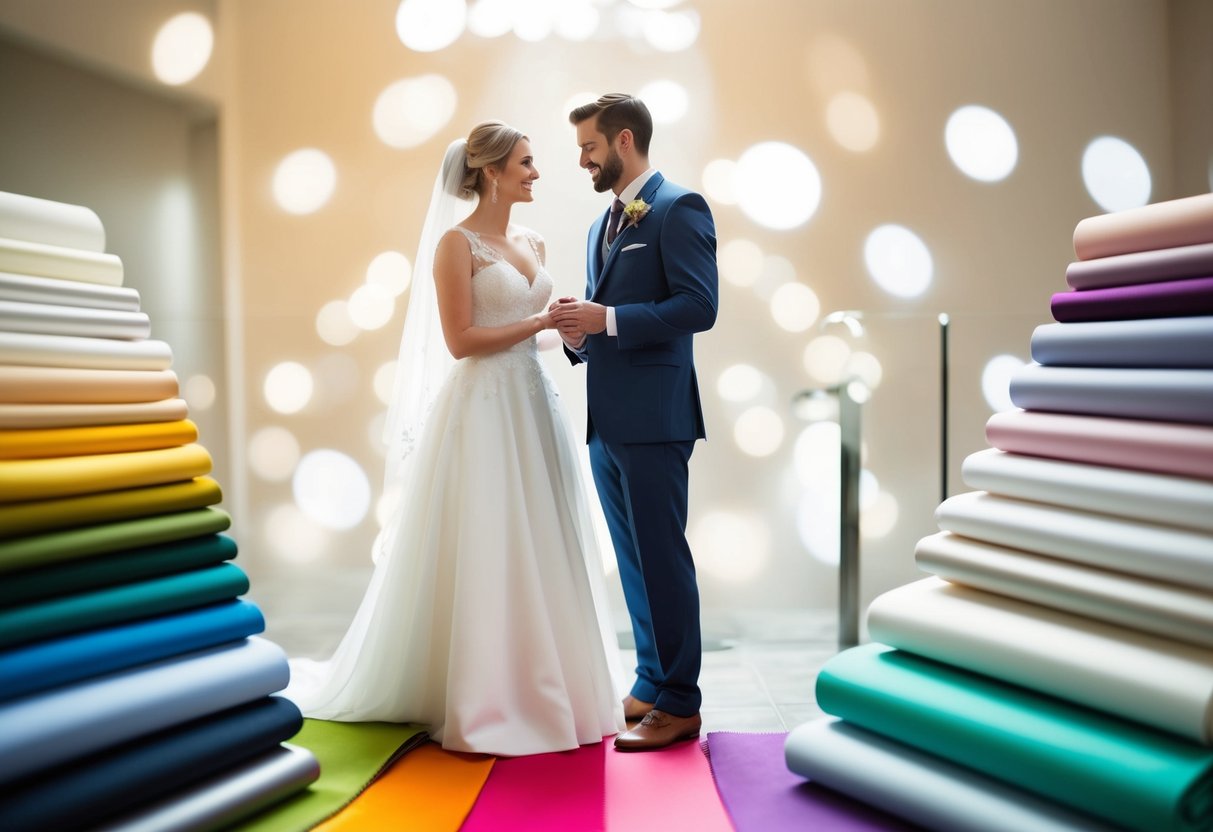
Finding your wedding style is an exciting part of planning. It combines your personal tastes with practical elements like venue and season. By focusing on these key factors, you can create a harmonious look for your special day.
Influence of Venue and Season
The venue sets the tone for your wedding and can greatly influence your color choices. For instance, a beach setting may inspire soft, airy colors like light blues and sandy neutrals. In contrast, a rustic barn could call for deeper hues such as burgundy or forest green.
The season also plays a crucial role. Spring often brings pastel colors, while autumn invites rich, warm shades. Consider the natural surroundings. You might pick shades that complement the scenery or create a striking contrast.
Think about your venue’s architecture, too. A classic ballroom might suit elegant colors like gold and cream. Meanwhile, a casual outdoor venue may work better with vibrant and playful tones.
Exploring Color Inspiration Sources
Many places can spark your creativity when choosing your wedding colors. Wedding magazines are a great start. They often feature trendy palettes and real weddings that can inspire your decisions. You can find a range of themes, from bohemian to vintage.
Social media platforms like Pinterest and Instagram are also rich with ideas. You can explore different styles that align with your personal aesthetic. Create a mood board to visualize how specific colors work together.
Don’t forget about nature! Look at flowers, landscapes, or even fabrics that resonate with you. Whether you prefer muted tones or bold colors, finding inspiration in your everyday surroundings can lead to a unique palette that reflects your style.
Choosing Your Color Palette
When it comes to your wedding, choosing the right color palette is essential. The right colors can reflect your style and set the mood for your big day. Understanding the psychology of color and how to create a balanced palette can help you make the best choices for your celebration.
The Psychology of Color
Colors have a significant impact on emotions and feelings. For example, red often represents passion, while blue can convey calmness. Knowing what each color symbolizes can help you pick shades that match your desired vibe.
Consider using a color wheel to explore different options. You can create complementary colors by selecting hues that sit opposite each other on the wheel. For instance, pairing orange with blue can create a striking look.
Don’t forget about accent colors! They can add depth to your palette and highlight specific aspects of your decor.
Creating a Balanced Palette
To create a harmonious look, aim for balance in your color choices. Start by selecting a main color for your wedding. This will be your base, which can be complemented by two or three additional shades.
Consider using a list of color combinations that work well together. For example, pastel shades can create a soft, romantic feel, while bold colors can add energy.
Use the 60-30-10 rule: 60% should be your dominant color, 30% your secondary color, and 10% your accent color. This helps maintain visual interest without overwhelming your guests.
By carefully selecting and balancing your colors, you can create a stunning visual experience for your wedding day.
Incorporating Color into Your Wedding Elements
Adding color to your wedding elements is essential for creating a unique and memorable atmosphere. By focusing on decor, floral arrangements, stationery, and signage, you can weave your color palette throughout the celebration.
Decor and Floral Design
For your wedding decor, think about how color can transform the space. Start with table linens and chair covers that reflect your chosen hues. Consider mixing shades for a modern look.
Floral arrangements are another great way to bring in color. Choose flowers that match your palette for bouquets and centerpieces. You might also use colored vases or ribbons to tie everything together. Think about seasonal blooms, as they can enhance the natural beauty of your chosen colors. Don’t forget to add colorful accents in unexpected places, like napkins or candles.
Stationery and Signage
Your wedding stationery is a lovely way to show off your color scheme. Use your colors for invitations, save-the-dates, and menus. This helps set the mood before guests even arrive.
Signage is also important. Colorful directional signs can guide guests and add charm. Think about using bold colors or subtle accents, depending on your theme. Incorporate your design into place cards and table numbers, too. This creates a cohesive look that ties your event together seamlessly. Remember, consistent use of color throughout your stationery and signage makes a big impact.
Seasonal and Venue-based Color Considerations
Choosing the right colors for your wedding can really set the mood. It’s important to think about the season and your venue. This can guide you in picking colors that feel just right for your special day.
Colors by Season
Your wedding colors can reflect the beauty of the season you choose.
-
Spring: Pastels are popular in spring. Think light pinks, soft yellows, and mint greens. These colors complement blooming flowers beautifully.
-
Summer: Bright and bold colors shine in summer. Vibrant hues like coral, turquoise, and sunny yellow can give your outdoor wedding a cheerful vibe.
-
Fall: Fall brings rich tones. Deep oranges, burgundy, and mustard yellow echo the changing leaves, creating a warm atmosphere.
-
Winter: For a winter wedding, consider cool colors. Elegant grays, icy blues, and silver can add a magical touch, often contrasted with warm metallics like gold.
Harmonizing with the Venue
Your wedding venue plays a big role in color selection.
If you’re at a rustic barn, deep greens and browns can enhance the natural surroundings. For a beach wedding, opt for light blues and sandy neutrals to match the landscape.
Take note of the venue’s existing decor. A modern space with minimalist design might look great with bold jewel tones, while a classic ballroom could benefit from softer pastels or timeless whites.
By aligning your color choices with both the season and venue, you ensure a cohesive look that reflects your style.