
What Comes First: Save the Dates or Wedding Invitations? A Simple Guide for Couples
When planning your wedding, you might wonder about the timing of sending out invitations. Save-the-dates always come first, typically sent out six to twelve months before the big day. These cards set the stage for your special occasion, allowing your loved ones to gear up for the celebration ahead.
They create excitement and help your guests plan accordingly, especially for destination weddings or those taking place during busy holiday seasons.
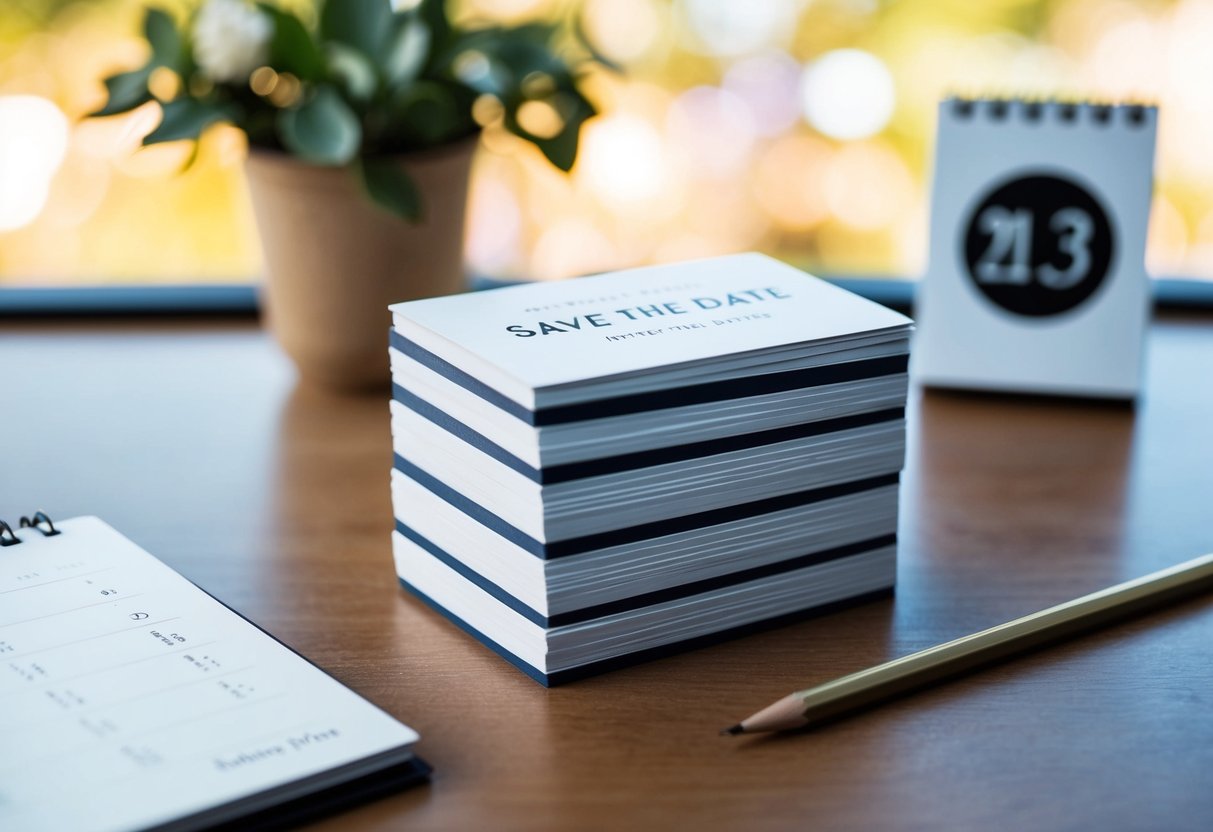
After your save-the-dates have been sent, wedding invitations follow about eight to twelve weeks before the event. This formal invitation provides all the necessary details about your wedding day.
It’s your opportunity to share your joy and provide your guests with everything they need to know as the day approaches. Understanding the order of these important items can help streamline your wedding planning process and ensure your loved ones are ready to celebrate with you.
The Role of Save-the-Dates and Wedding Invitations
Save-the-dates and wedding invitations each serve different, but important, purposes in wedding planning. You’ll want to understand both to communicate effectively with your guests.
Understanding Save-the-Dates
Save-the-date cards are typically sent out 8 to 12 months before your wedding date. They let your guests know about your upcoming celebration, giving them time to plan, especially for destination weddings or holidays.
Your save-the-date should include key details like:
- Names of the couple
- Wedding date
- Location (city or venue)
You might also include a link to your wedding website if you have one. This early notification helps guests mark their calendars and avoids double-booking. It’s not a formal invitation, so don’t feel pressure to include all details.
Decoding the Wedding Invitation
Formal wedding invitations are sent out 6 to 8 weeks before the big day. They provide all the important details your guests need to know. This includes not only the ceremony date and time but also:
- Venue address
- Reception details
- RSVP instructions
The design of your invitation can reflect your wedding’s theme. Whether it’s floral, elegant, or modern, ensure it represents your style.
Use matching colors and fonts that align with your overall wedding invitation suite for a polished look. This helps convey the tone and formality of your wedding to your guests.
Timing and Scheduling for Your Stationery
Getting the timing right for your wedding stationery is crucial. Knowing when to send out save-the-dates and wedding invitations can help ensure your guests are ready to celebrate your big day.
When to Send Save-the-Dates
You should aim to send your save-the-dates 6 to 12 months before your wedding. If you have a destination wedding or many out-of-town guests, consider sending them 8 to 12 months in advance. This gives people ample time to make travel arrangements.
Make sure your save-the-dates include your names, the wedding date, and the location. It’s a good practice to have your guest list ready so you can send these out as soon as possible.
A clear save-the-date sets the tone for your wedding theme and ensures that your loved ones won’t miss your celebration.
Optimal Time to Send Wedding Invitations
Wedding invitations should typically be sent 8 to 12 weeks before the wedding date. This timing gives your guests a chance to RSVP and make any necessary travel plans.
If you are having a larger wedding or one with a formal setting, 12 weeks is advisable to ensure everyone receives their invitation in time.
Your invitations should match your selected wedding theme and reflect your personal style. Don’t forget to include important details, such as the dress code if you have one.
Ensure that your final guest list is ready, so everyone is invited. This way, you can enjoy planning without worrying about last-minute details!
Additional Details to Include
When preparing your save-the-dates and wedding invitations, certain details can help set expectations for your guests. Here are some important aspects to consider when crafting your messages.
Clarifying RSVP Details
While save-the-dates are usually sent without a request for an RSVP, your wedding invitations should clearly state how and when to respond.
You can include an RSVP deadline to help with meal planning and seating arrangements.
Consider using phrases like:
- “Please RSVP by [date]”
- “Please let us know if you can join us”
Make it easy for guests by offering different ways to respond. Methods can include a response card, a wedding website link, or an email.
Clear RSVP details ensure you have an accurate headcount for your special day.
Highlighting Dress Code and Wedding Events
Your invitations should also mention the dress code, if you have one. This helps guests understand what to wear for your wedding.
You can include simple notes such as:
- “Cocktail Attire”
- “Formal Dress”
- “Casual Summer Attire”
You may also want to list any related events, such as a rehearsal dinner or brunch. Including this information helps guests plan their travel and schedule around your wedding events.
Guiding Out-of-Town Guests
If you have out-of-town guests, make their experience easier by providing helpful travel arrangements. This can include:
- Recommended hotels near your wedding venue
- Transportation options from the airport
- Local attractions for their downtime
You can convey this information through a wedding website or a separate insert in your invitation. This will make their trip enjoyable and stress-free, allowing them to focus on celebrating your big day with you.
Special Considerations for Destination Weddings
When planning a destination wedding, there are unique factors you must consider for invites and communication with your guests. Understanding how to manage these aspects can help ensure your celebration is enjoyable and well-coordinated.
Managing Destination Wedding Invites
For destination weddings, sending out save-the-dates early is crucial. Aim to send them six to eight months before the wedding. This gives your guests time to plan their travel and accommodations.
Your invitations should follow approximately two to three months before the wedding date. Make sure to include the exact location, accommodations, and any travel tips.
This information is vital since guests may not be familiar with the area.
Provide details on events such as the rehearsal dinner or post-wedding brunch, so everyone knows what to expect. Clearly outline RSVP instructions to help you plan ahead.
Integrating Wedding Websites and Registries
Creating a wedding website can be very helpful for a destination wedding. This site can house all the important information about your wedding.
Include details like travel arrangements and local attractions to enrich your guests’ experience. You may also want to link your wedding registry on the site.
This way, your guests can easily find your preferences. Providing a direct link enhances convenience.
Don’t forget to update the website with last-minute notices. Things can change in destination locations, and keeping your guests informed ensures everyone feels included.