
What Comes First, Vows or I Do? Understanding Wedding Ceremony Traditions
When planning your wedding ceremony, you might wonder about the order of events, especially when it comes to your vows and the “I do.” Typically, the vows come first, followed by the declaration of intent, or the “I do” section. This order allows you to openly express your love and commitment to your partner before making the legal promise.
Understanding this flow is important for your big day. The vows are your personal promises to each other, shared in front of family and friends, setting the tone for your marriage. The “I do” comes afterward, sealing the deal as a legal commitment.
As you prepare for this meaningful moment, keep in mind that each ceremony can be unique. Feel free to personalize your order, but knowing the traditional sequence helps ensure everything goes smoothly.
The Structure of a Traditional Wedding Ceremony
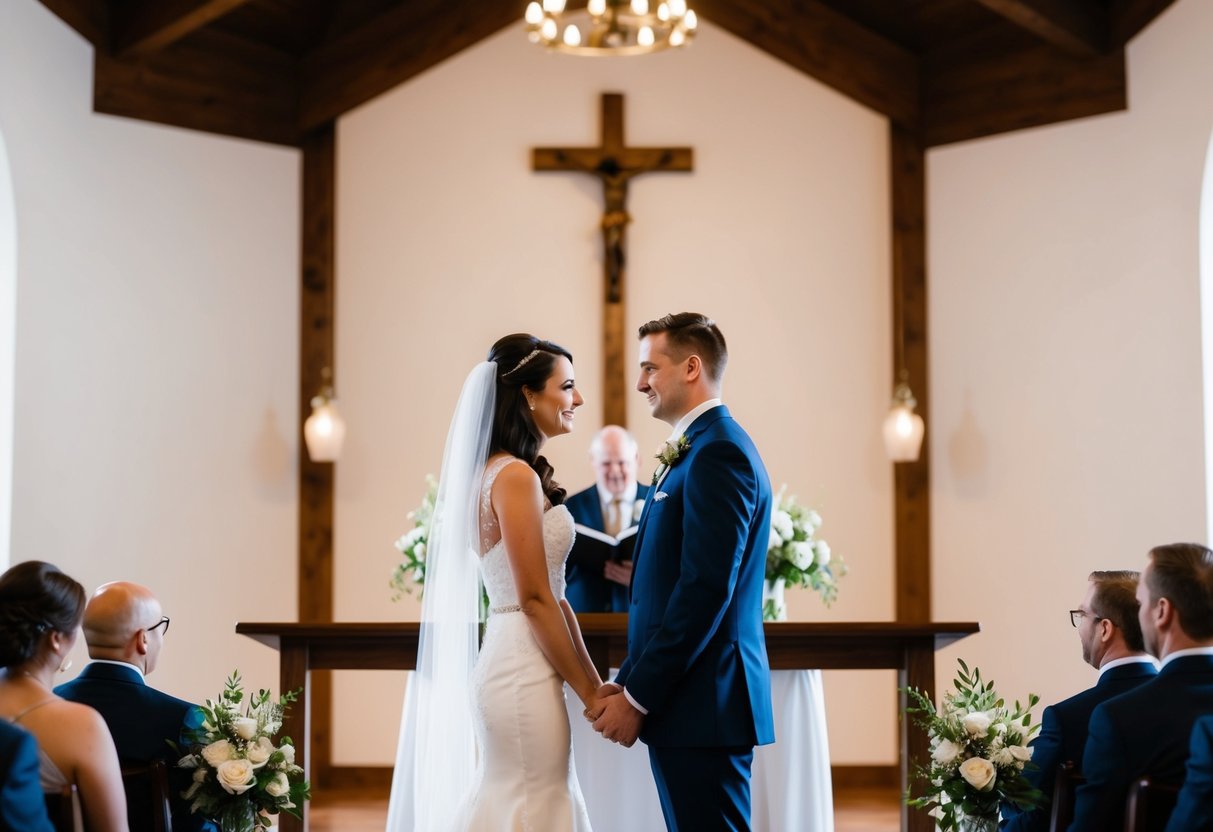
A traditional wedding ceremony has a specific order that guides the events of the day. Understanding this structure can help you prepare better and enjoy each moment fully.
Opening Remarks and Processional
The ceremony begins with opening remarks from the officiant. They set the tone by welcoming guests and sharing a few words about the significance of the day. This is your moment to feel the love in the room.
Next comes the processional. Here, the wedding party walks down the aisle, typically starting with the officiant followed by parents and then the bridesmaids and groomsmen. The bride usually enters last, often accompanied by her father or another special person. This moment is filled with anticipation and joy as everyone stands to witness the celebration.
Readings and Commitment
After the processional, readings may be shared. These can be poems, excerpts, or personal messages that reflect your relationship. They add a personal touch and can be chosen by you or the officiant.
Following the readings, the officiant will lead the commitment portion. This is where you acknowledge the promises you are about to make. It’s a beautiful moment that reminds you and your guests of the love and commitment involved in marriage.
Exchange of Vows and Rings
Now it’s time for the exchange of vows. This is often the most emotional part of the ceremony. You can choose traditional wedding vows or write your own. If you go with the traditional route, many couples use the classic phrase, “I do,” in response to the officiant’s prompts.
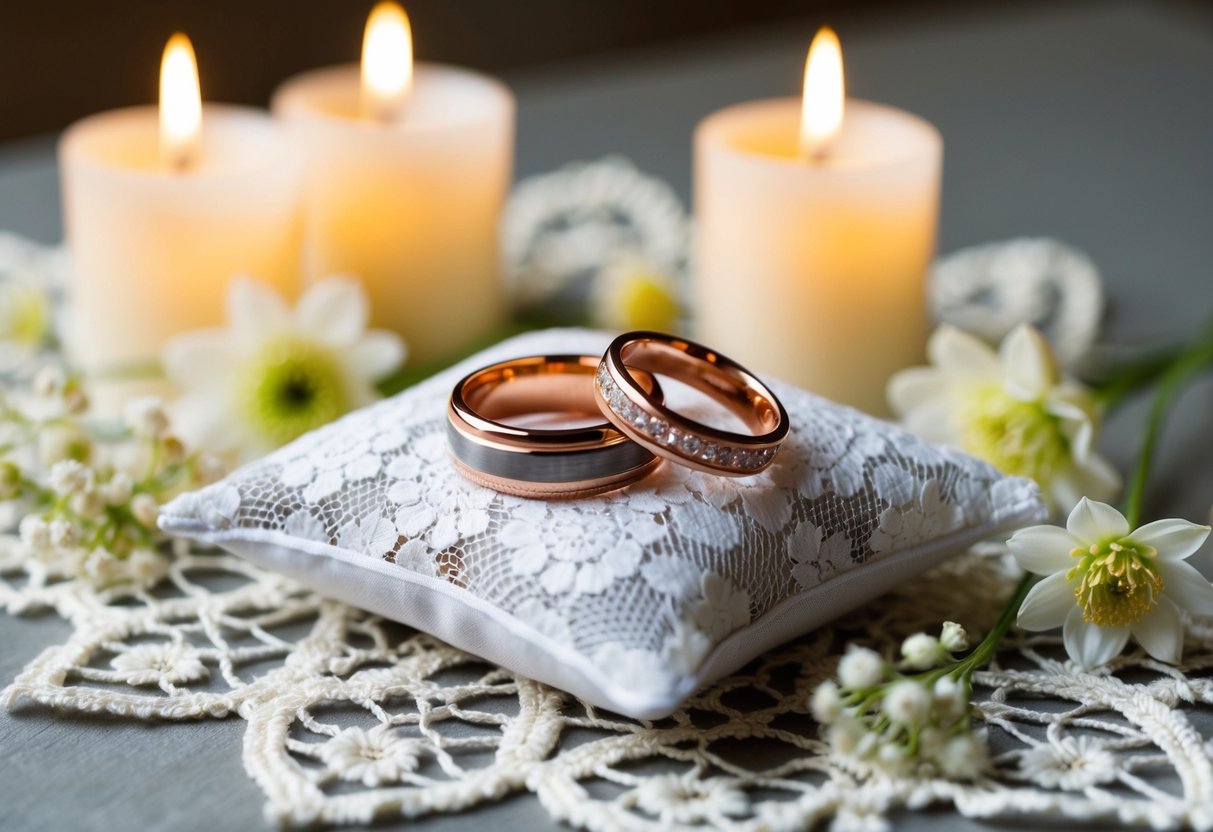
After the vows, comes the exchange of rings. This symbolizes your commitment to each other. The officiant usually guides this moment, inviting you to place a ring on your partner’s finger. It’s a touching culmination of everything you promised. Each ring represents your love and the bond you share.
The Heart of the Ceremony: Vows Before ‘I Do’
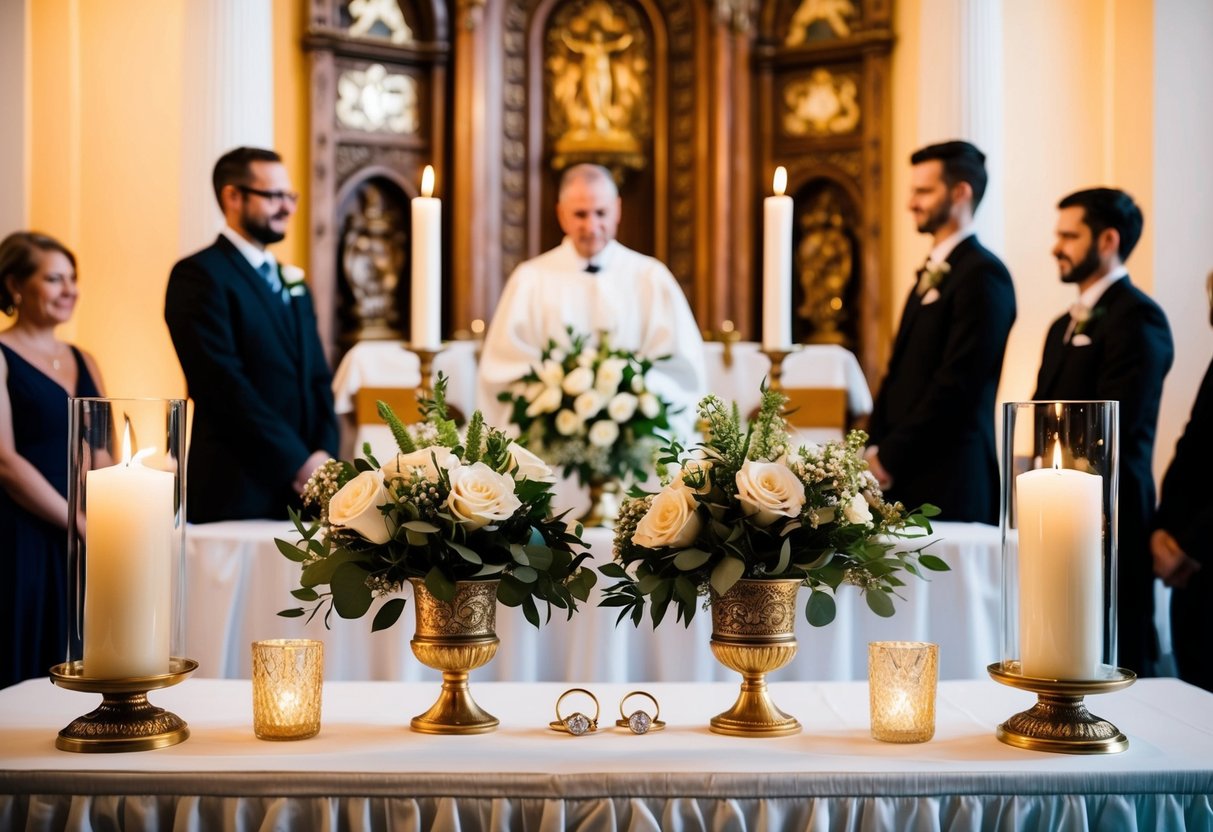
In a wedding ceremony, the order of vows and the declaration of intent is more than just tradition. It plays a vital role in expressing your promises of love and commitment to each other.
Understanding the Vows
Wedding vows are the heartfelt promises you make during the ceremony. These vows can be traditional or you can write your own to reflect your unique relationship. Examples of vows might include promises to support, cherish, and stand by each other through life’s ups and downs. This is your moment to share what your love means and to set the tone for your marriage.
When you choose to say your vows first, it allows you to openly express your feelings before formally declaring “I do.” This deep declaration of intent creates an emotional connection that can enhance the entire ceremony.
Placement of Vows in the Ceremony
Traditionally, vows are exchanged before you say “I do.” This order emphasizes the importance of your promises before making the commitment to be partners for life. The typical flow is that the officiant guides you through the vow exchange.
You may also write personalized vows to make this moment even more special. After you share your vows, the officiant will ask if you both take each other as lifelong partners, leading into the “I do” exchange. This sequence builds anticipation and joy as you both commit to your shared future.
Special Elements for a Unique Celebration
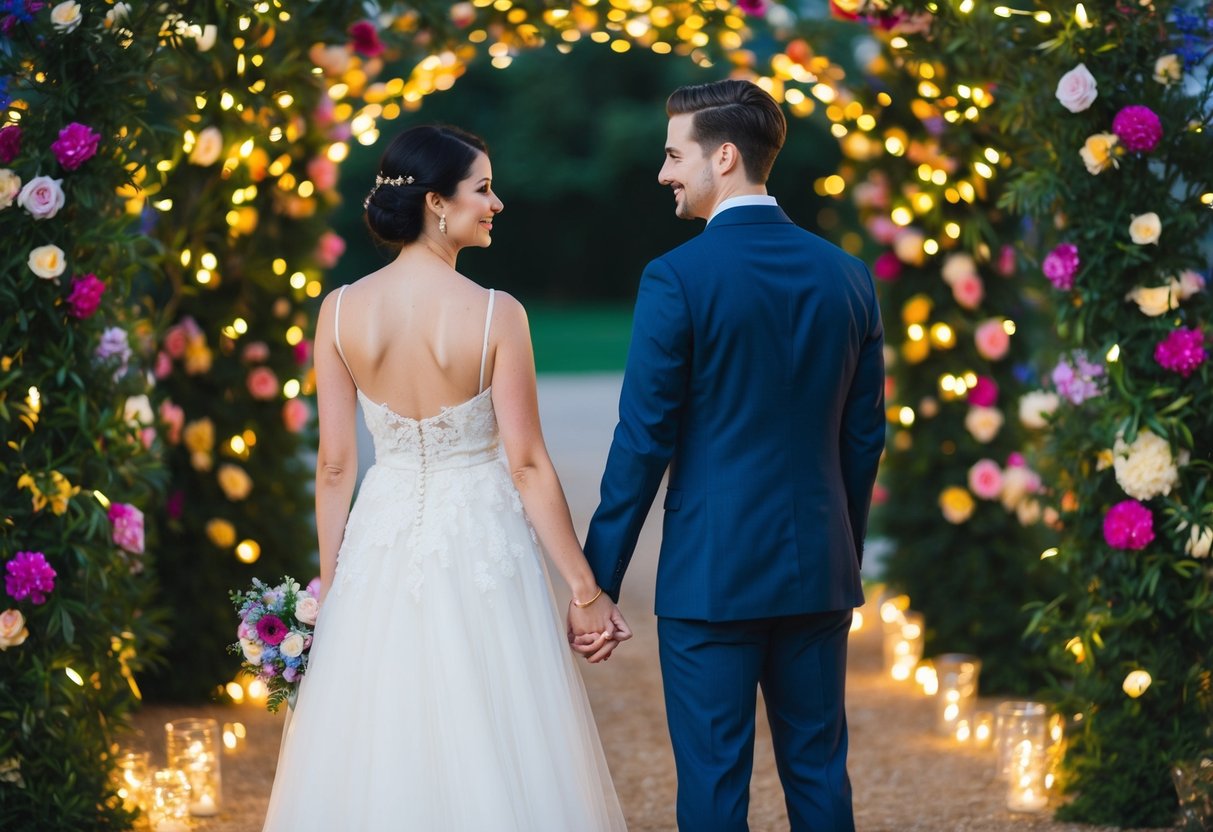
Creating a wedding ceremony that reflects your love is important. Special elements can make your celebration memorable and personal. You can include unity ceremonies and unique traditions or choose to add personal touches like private vow exchanges.
Unity Ceremony and Special Traditions
A unity ceremony brings together you and your partner in a meaningful act of love. This can be a beautiful way to symbolize your bond. Popular options include candle lighting, sand ceremonies, or handfasting. Each choice allows you to visually represent your union.
For same-sex couples, these ceremonies offer a chance to showcase your relationship uniquely. You might consider adding personal vows during the unity ceremony for an even deeper connection. This special moment also sets the stage for your first kiss as a married couple, surrounded by love and support from friends and family.
Personal Touches and Private Vow Exchanges
Private vow exchanges can be a heartwarming addition to your ceremony. This allows you to share intimate thoughts and promises with each other away from guests.
You can write your unique vows that express your love and devotion in a way that feels right for you both.
Consider doing this moment before the ceremony or during a quiet moment after. It creates a special memory that only you share, reinforcing your connection before saying “I do” in front of everyone. This personal touch makes your wedding even more meaningful and unique to your love story.