
What Countries Can Brits Legally Marry In? A Guide to International Marriage Laws
If you’re dreaming of getting married abroad, you’re not alone. Many couples seek unique wedding destinations that offer beautiful settings and memorable experiences. Brits can legally marry in a variety of countries, including popular choices like Gibraltar, the Czech Republic, and Turkey. Each location has different rules, making it essential to know the legal requirements before you book your trip.
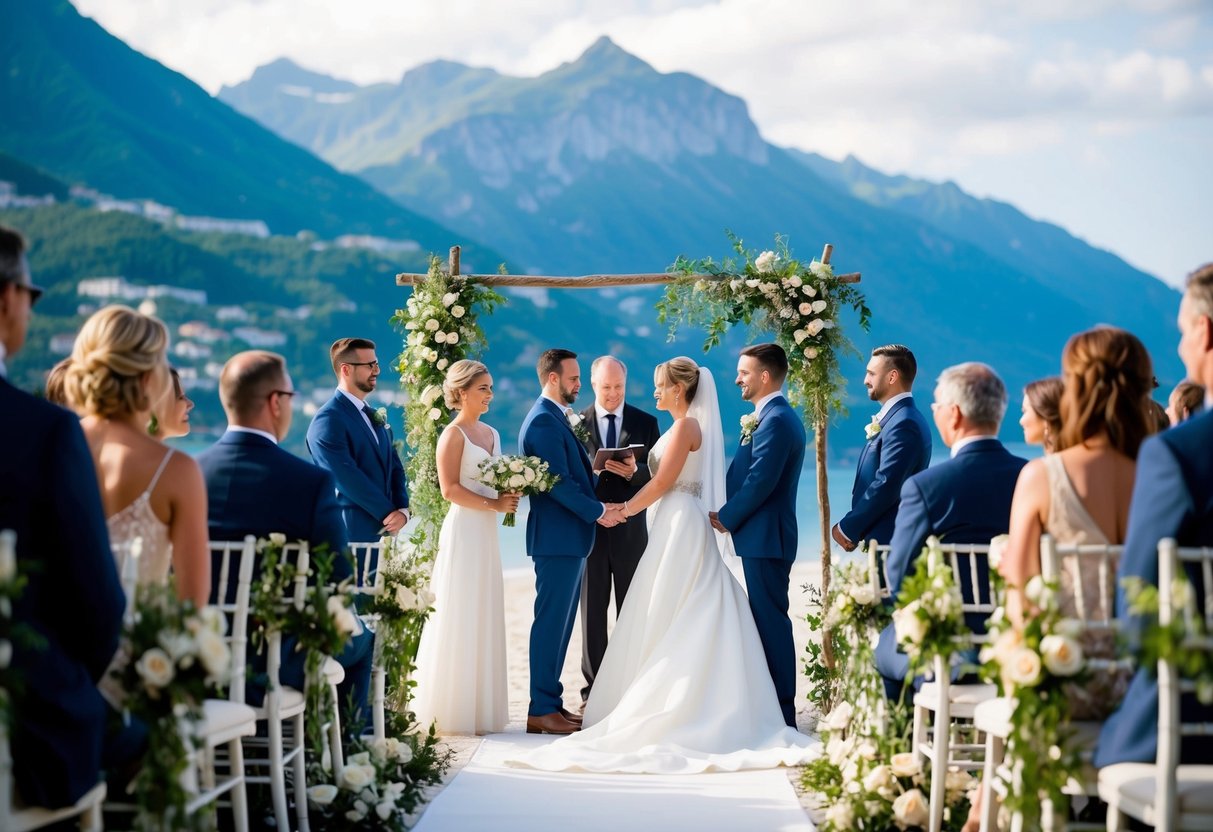
Planning to marry abroad can be exciting, but it also involves some research. You’ll find that some countries have fewer restrictions, making it easier for you to say “I do” in a stunning locale.
With options ranging from romantic beaches in Mexico to charming venues in Italy, the world is full of possibilities for your special day.
Whether you want to tie the knot in the sun or explore picturesque landscapes, understanding where you can legally marry will help you choose the perfect wedding destination. So, let’s explore the best options available to you!
Legal Requirements for British Citizens Marrying Abroad
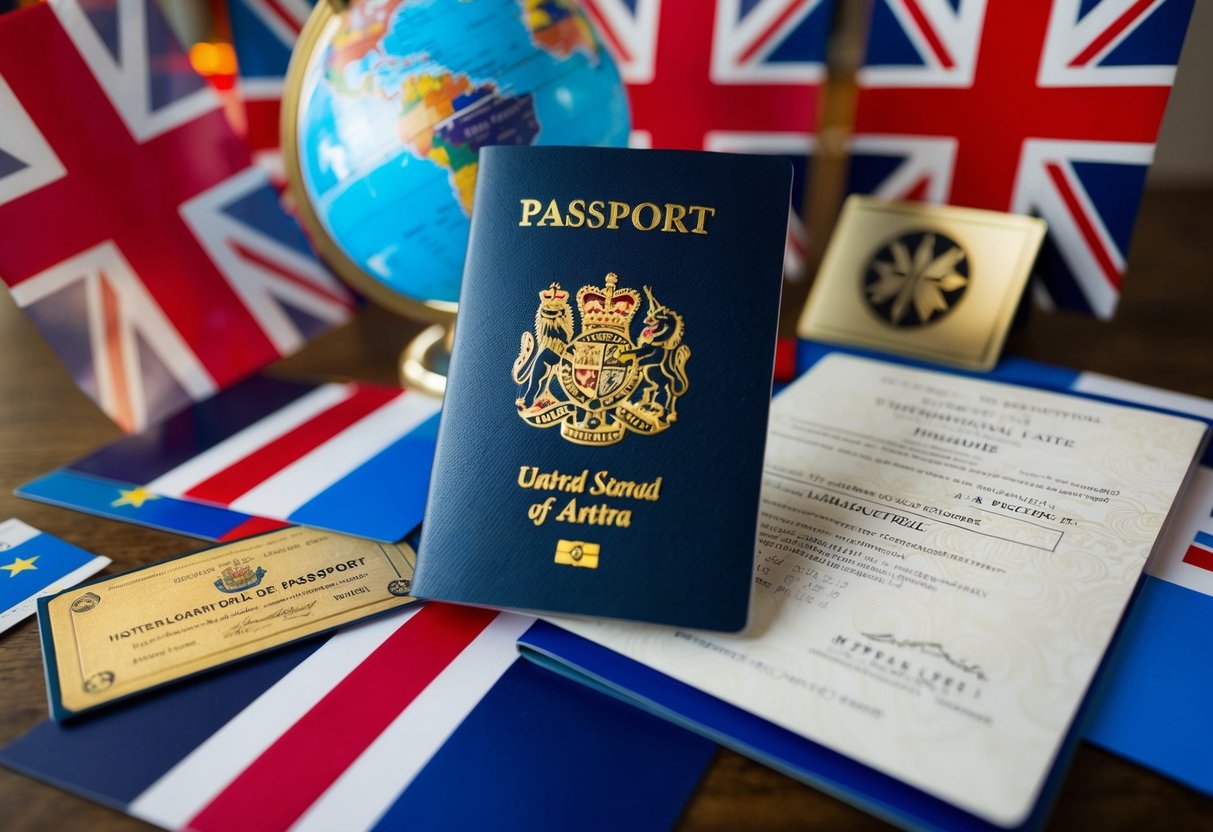
Before you say “I do” abroad, it’s important to understand some key legal steps. This helps ensure that your marriage is recognized both in the country where you marry and back in the UK. Here are the essential points to consider.
Understanding the Certificate of No Impediment (CNI)
A Certificate of No Impediment (CNI) is often required for British citizens wanting to marry abroad. This document proves that you are legally free to marry.
You can obtain a CNI from your local registrar or at a British embassy or consulate. Be aware that different countries have varying rules regarding this document.
Make sure to allow enough time for processing, as it may take several days or weeks. It’s also worth checking how long the CNI is valid in your chosen country.
Apostille Stamp and Legalisation Process
Some countries will ask for an Apostille stamp on your marriage documents. This stamp verifies that the official documents are genuine and comply with international laws.
To get this stamp, you usually start with documents like your CNI and birth certificates. You then submit them to the UK Foreign Office.
The process may take a few days, so plan accordingly. Each country has different legalisation processes, so it’s important to research what applies to your situation.
Consulate and British Embassy Involvement
Your nearest British consulate or embassy can help with your marriage plans. They provide guidance on local laws and may assist you with required paperwork.
If you need help preparing documents like the CNI or apostilled paperwork, they are a good resource.
Be proactive and contact them early in your planning. They can help clarify everything you need to ensure your marriage goes smoothly and is legally recognized.
Popular Wedding Destinations for Brits
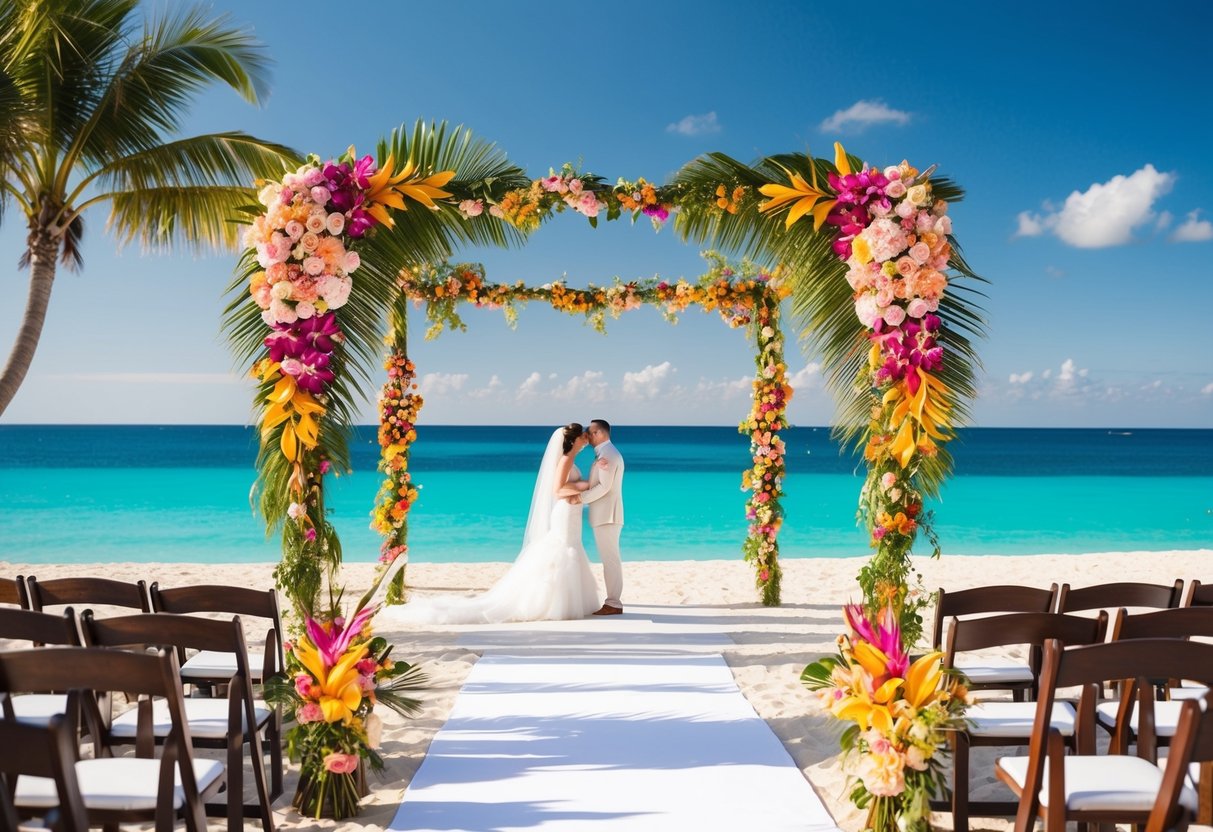
Are you dreaming of a wedding abroad? You have some fantastic options that can turn your special day into an unforgettable experience. Here are some popular destinations where you can legally marry, ensuring beautiful settings and smooth processes.
Getting Married in Cyprus
Cyprus is a top choice for Brits wanting a sunny wedding location. The island offers beautiful beaches, historic sites, and charming venues.
Many couples appreciate Cyprus for its straightforward legal process. You don’t need to stay for long before getting married, making it fit well into your travel plans. The necessary paperwork is easy to arrange.
You can choose from a range of wedding packages that include everything from venues to catering. Whether you envision a beach ceremony or a celebration in a vineyard, Cyprus has options for you.
Wedding in Las Vegas
Las Vegas is famous for its lively atmosphere and unique wedding experiences. This city offers a variety of themed chapels and venues, allowing you to personalize your wedding day.
You can get married quickly with minimal paperwork, perfect for couples looking for a spontaneous celebration. Las Vegas is known for its affordable wedding packages, which often include everything you need, from the officiant to photography.
The vibrant nightlife and entertainment options also create an exciting backdrop for your wedding festivities. After the ceremony, you can celebrate at fantastic restaurants or take in a show.
Destination Weddings in Europe
Europe has stunning locations for destination weddings. Countries like Italy, France, and Spain offer breathtaking venues that cater to Brits.
For instance, in Italy, you can exchange vows in picturesque vineyards or historic castles. The legal requirements are often simple, making it easier for you to plan your dream wedding.
Similarly, France’s romantic ambiance, especially in locations like Paris, attracts many couples. You can enjoy delicious cuisine and beautiful backdrops for photos.
Spain, known for its beautiful beaches and vibrant culture, also provides various wedding venues. Each of these destinations offers unique wedding packages tailored to your needs, ensuring a memorable celebration.
Ceremony Types and Same-Sex Marriage Considerations
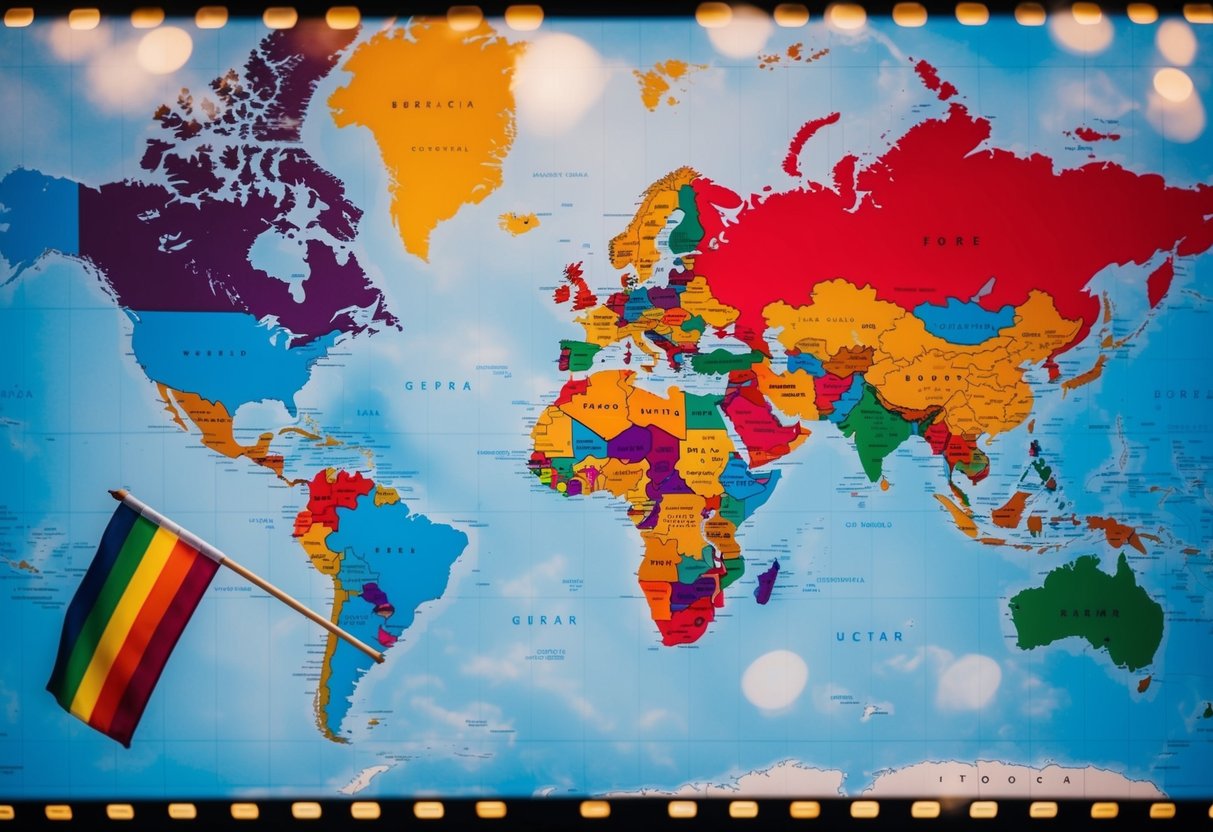
When planning a wedding abroad, it’s essential to know the types of ceremonies available and how same-sex marriage is treated in various countries. Understanding civil partnerships, marriage licenses, and the role of consular marriages can help you make informed decisions.
Civil Partnerships vs. Marriage Ceremonies
In many countries, you can choose between civil partnerships and traditional marriage ceremonies.
-
Civil Partnership: This legal union is similar to marriage but may offer fewer rights in some places. Countries like Italy allow same-sex civil partnerships, which can be a great option if you prefer that format.
-
Marriage Ceremony: If you want a traditional wedding, many nations recognize same-sex marriage. Some popular choices include Canada, Spain, and the Netherlands. You’ll usually need to obtain a marriage license beforehand.
Ensure you research the local laws regarding marriage registers and what documents you need to bring for either option.
Guide to Consular Marriages
Consular marriages can be a convenient way for Brits to tie the knot abroad. Here’s what you need to know:
-
Where: You can get married at a British embassy, high commission, or consulate in specific countries.
-
Requirements: To proceed, you’ll need proper documentation, such as passports and any certificates needed for a civil partnership or marriage.
-
Same-Sex Considerations: If marrying as a same-sex couple, ensure the country recognizes your union. For example, British consulates can conduct same-sex marriages in many locations, but it may vary by country.
Consider contacting the embassy in advance to confirm all necessary steps and requirements.
On-the-Ground Wedding Planning
Planning your wedding abroad involves some key steps to ensure everything goes smoothly. You’ll need help from a wedding coordinator and an understanding of local registration rules and witness requirements.
Role of the Wedding Coordinator
A wedding coordinator is essential for an overseas wedding. They know the local laws and customs, making the process much easier for you. They can help you find the best wedding venues and manage vendors.
They will handle the paperwork needed for legal registration. This includes gathering documents like birth certificates and proof of identity.
Your coordinator can also assist in booking a celebrant. This is vital for making your ceremony legal in the country where you’re getting married. Having a reliable wedding coordinator can save you time and reduce stress.
Navigating Local Registration and Witnesses
Understanding local registration is crucial. Each country has different legal requirements for marrying abroad. You need to find out what documents are necessary.
Make sure you know about residency rules and waiting periods. For example, some places might require you to be in the country for a few days before you can officially marry.
You also need witnesses to sign the marriage certificate. Ensure your wedding coordinator knows how many are needed.
In many countries, they can help you find local witnesses if friends or family can’t attend. Double-check with your high commission if you have specific questions about the legal process in the country you choose.