
What Culture Has the Coolest Weddings? A Dive into Unique Celebrations Around the World
When it comes to weddings, every culture has its unique twist, making each celebration special in its own way. From vibrant ceremonies in India to elegant traditions in Japan, the diversity of wedding celebrations around the world is truly fascinating. Some of the coolest weddings can be found in cultures that blend ancient customs with modern flair, creating unforgettable experiences that reflect deep meaning and joy.
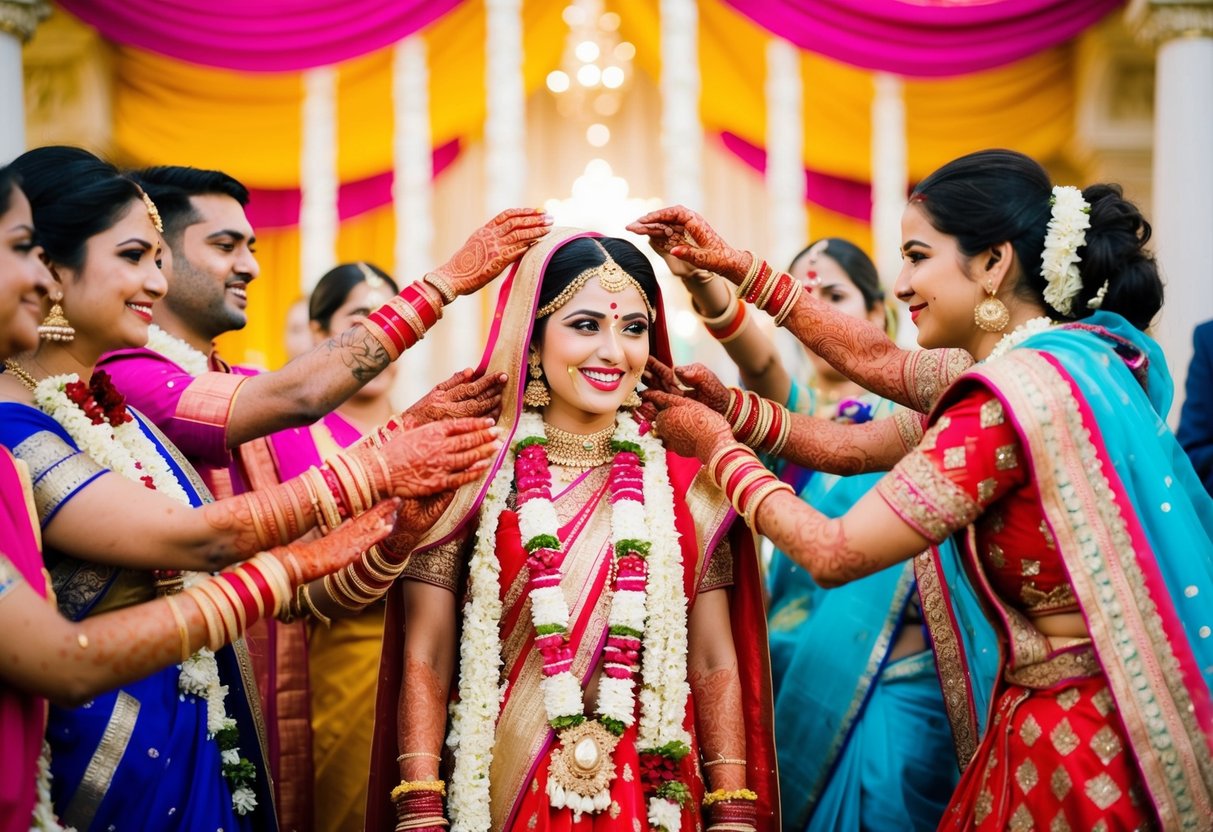
In many cultures, wedding traditions often symbolize unity, love, and family values. For instance, the colorful festivals in Mexico showcase lively music and dancing, while traditional African weddings highlight rich ancestral heritage with elaborate rituals. These unique elements not only celebrate the union of two people but also the coming together of families and communities.
As you explore the many cultures that celebrate love in extraordinary ways, you’ll discover that each wedding tradition tells a story. Entering into these celebrations allows you to appreciate the artistry and significance behind the customs, making it clear that the coolest weddings are those that honor their roots while embracing the joy of togetherness.
Global Wedding Traditions
Weddings around the world feature unique customs and practices that reflect cultural values and beliefs. From vibrant festivities in India to elegant ceremonies in Japan, each tradition has specific elements that make it special.
Indian Wedding Extravaganzas
Indian weddings are known for their colorful and elaborate celebrations. They often last several days and include multiple events. One important ceremony is the Haldi ceremony, where the bride and groom are covered in a turmeric paste for good luck and beauty.
Another highlight is the sangeet, a night filled with music and dance. Families come together to celebrate with performances that often include folk and Bollywood dances. The final event is the baraat, where the groom arrives on a horse or in a decorated vehicle, celebrated by music and dancing.
Elegant Japanese Ceremonies
Japanese weddings blend tradition with elegance. A common practice is the sake-sharing ceremony, known as san-san-kudo. During this ritual, the bride and groom sip three times from three cups of sake, symbolizing their union.
Ceremonies are often held in Shinto shrines, with the bride wearing a shiromuku, a pure white kimono. Guests play a significant role, as they offer gifts wrapped in beautiful paper. Overall, these weddings are peaceful and deeply rooted in cultural significance.
Vibrant African Celebrations
African weddings showcase the continent’s diverse cultures through vibrant traditions. Many celebrations include the jumping the broom custom, where couples leap over a broom to signify their new life together. This represents cleansing and unity.
Different regions have distinct markers. For example, in Nigerian weddings, the traditional attire is often colorful and reflects the couple’s background. Family involvement is crucial, as elders bless the union and share wisdom. These ceremonies are both lively and meaningful.
Italian Weddings and the Tarantella
Italian weddings are festive occasions filled with joy and tradition. A popular dance, the tarantella, is performed to celebrate the couple’s new journey. This lively dance encourages guests to join in, creating a spirited environment.
Another tradition includes the sofreh aghd, where symbolic items are displayed during the ceremony, such as honey for sweetness and bread for prosperity. Italian weddings also emphasize family, with large gatherings and feasts featuring traditional dishes. The blend of food, dance, and customs makes these celebrations memorable.
Ceremonial Rituals and Symbols
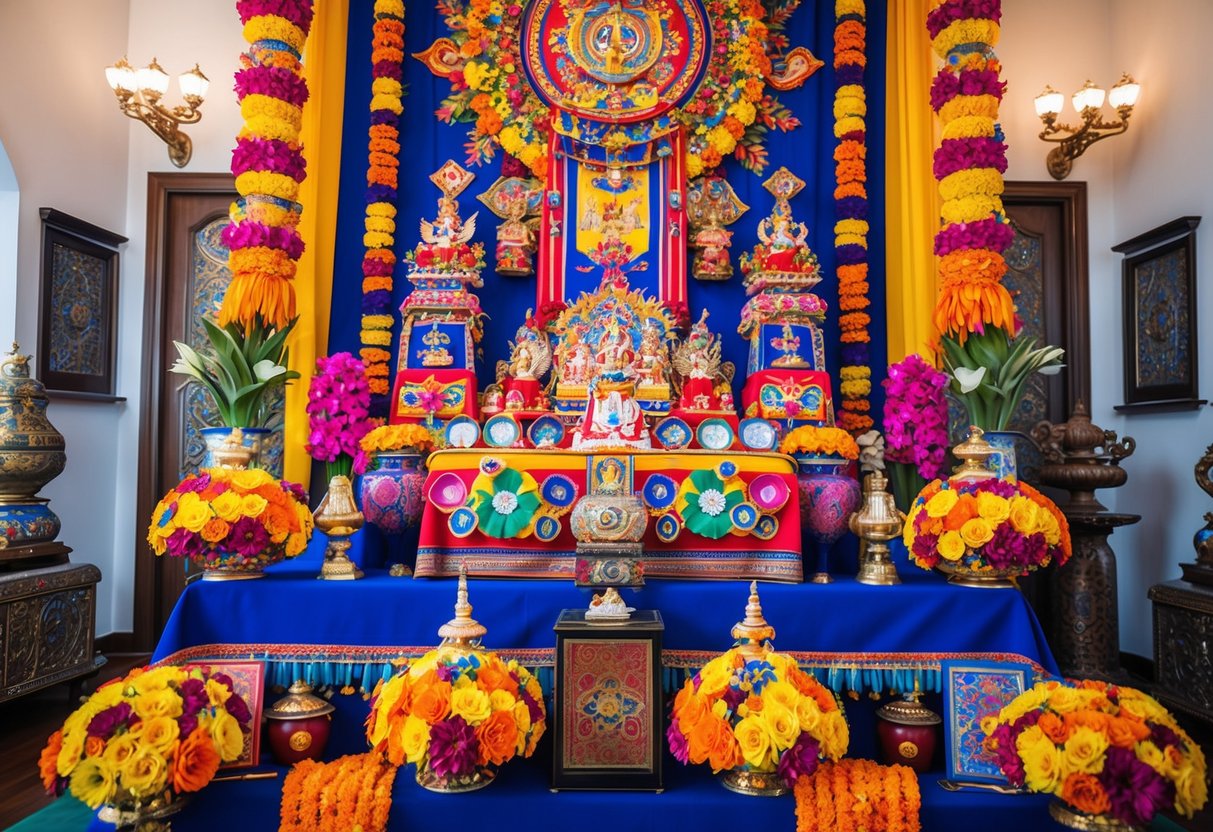
Weddings worldwide are rich with ceremonial rituals and symbols that add depth and meaning to the celebration. These unique traditions create unforgettable experiences for couples and their families.
Exchanging of Arras and Lazo
In many Latin cultures, the arras and lazo play a crucial role in wedding ceremonies. The arras consists of 13 gold coins that symbolize wealth and prosperity. The groom gives these coins to the bride, signifying his commitment to support her and their future together.
The lazo is a ribbon or flower arrangement placed around the couple’s shoulders during the ceremony. This symbolizes their union and commitment to one another. Typically, a family member or officiant places the lazo after the vows are exchanged. The intertwining of the couple under the lazo represents their bond, love, and shared future.
Mehndi and Haldi Ceremonies
The mehndi and haldi ceremonies are vibrant events in Indian weddings, filled with color and joy. During the mehndi party, intricate henna designs are applied to the bride’s hands and feet. These designs often symbolize beauty and joy and can include motifs that tell a story about the couple.
The haldi ceremony involves applying a paste made from turmeric to the bride and groom. This yellow paste is believed to bring good luck and ward off evil. It is also a time for laughter and excitement, as friends and family gather to celebrate. Both rituals are an essential part of traditional attire and showcase the couple’s cultural roots.
Jumping the Broom and Other African Rituals
Jumping the broom is a powerful African American wedding tradition symbolizing commitment and community. The couple jumps over a broom together to signify the start of their new life. This act represents sweeping away the old and welcoming in the new.
Additional rituals, like the falaka ceremony, often involve family and friends honoring the couple’s heritage. Dancers, music, and special attire enrich the experience, creating a lively atmosphere. These rituals highlight the importance of family and community support during a couple’s journey together.
Festivities and Celebratory Customs
Weddings around the world have unique and lively customs that add joy to the celebration. From the traditional bouquet toss and first dance to the vibrant Lebanese zaffe, these events create unforgettable moments for everyone involved. Here’s a closer look at these delightful traditions.
Bouquet Toss and First Dance Traditions
The bouquet toss is a cherished part of many wedding receptions. At this moment, the bride throws her bouquet over her shoulder. Single women in attendance eagerly try to catch it, believing that the one who catches it will be the next to marry.
The first dance is another key moment at a wedding. The newlyweds take to the dance floor together, symbolizing their first steps into married life. This dance often holds special meaning, as couples usually choose a song that reflects their love story.
Lebanese Zaffe and Wedding Processions
In a Lebanese wedding, the zaffe is a high-energy procession that sets a lively tone for the celebration. It typically includes musicians, dancers, and sometimes even fireworks.
As the couple walks in, guests join in singing and dancing, creating a festive atmosphere. This joyous event showcases the couple’s cultural heritage and brings everyone together in a celebration of love and unity.
The zaffe is not just a procession but a true party that gets everyone excited for the ceremony and reception ahead.