
What Day Is Best for a Destination Wedding? Tips for Planning Your Dream Day
Planning a destination wedding can be thrilling, but picking the right day adds to the excitement. Typically, a Saturday is the best day for a destination wedding. This choice makes it easier for your loved ones to join you in celebrating your special day, especially if they hold jobs with strict schedules. Guests can travel on Friday and return home Sunday without needing extra time off.
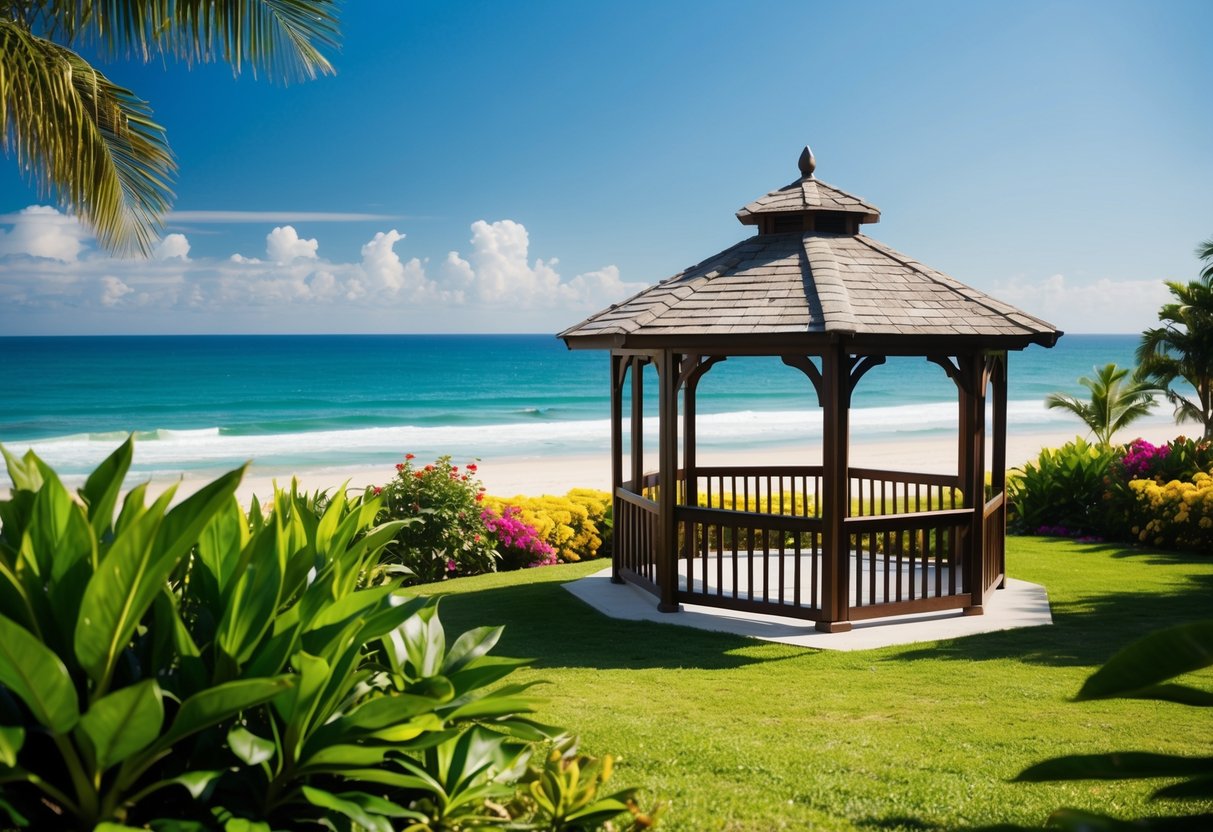
Choosing a Saturday not only helps with guest attendance but also gives you a full weekend to enjoy your wedding festivities. From the rehearsal dinner to post-wedding brunch, a Saturday event keeps the celebration going and everyone relaxed.
Think about how your guests will travel and plan accordingly to ensure everyone has a wonderful experience.
As you dive into the details of planning a destination wedding, remember to consider peak travel times and local events at your chosen location. This will help you avoid surprises and make the most of your magical day.
Determining the Ideal Time for Your Destination Wedding
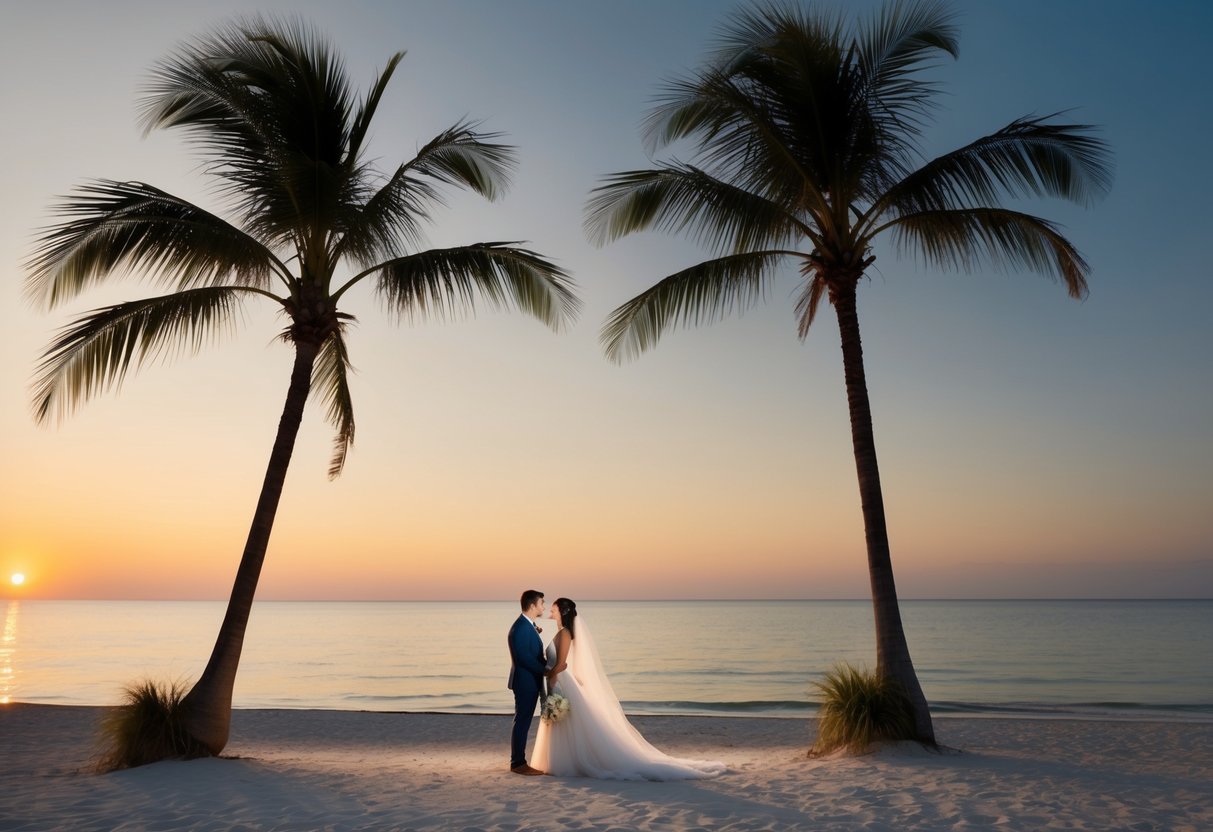
Choosing the right time for your destination wedding can greatly impact your celebration. Factors like seasonality and weather should guide your decision. Here are some important aspects to consider.
Understanding Seasonality and Wedding Dates
When planning your destination wedding, think about seasonality. Many popular locations have a peak season when tourism is high, often leading to higher costs. Popular months might vary by location, so check for your chosen spot.
Another option is the shoulder season, which occurs just before or after the peak. During this time, you can often enjoy pleasant weather and fewer crowds.
It’s also wise to consider holidays and events, such as spring break. These times can bring heavier crowds and increased prices. Knowing the local school schedules can help you avoid these busy periods.
Weather Considerations for Prime Locations
Weather plays a key role in finding the best date for your wedding. Consider the dry season in tropical areas. This season often promises sunny skies and comfortable temperatures, ideal for outdoor ceremonies.
In contrast, hurricane season can be risky in certain regions, usually from June to November. Research the area to understand its unique climate.
Finally, think about the local rainy season. While it can bring lush landscapes, it may also disrupt your plans. Knowing the weather patterns helps you choose a date that ensures your special day is beautiful and stress-free.
Selecting the Perfect Destination Wedding Locale
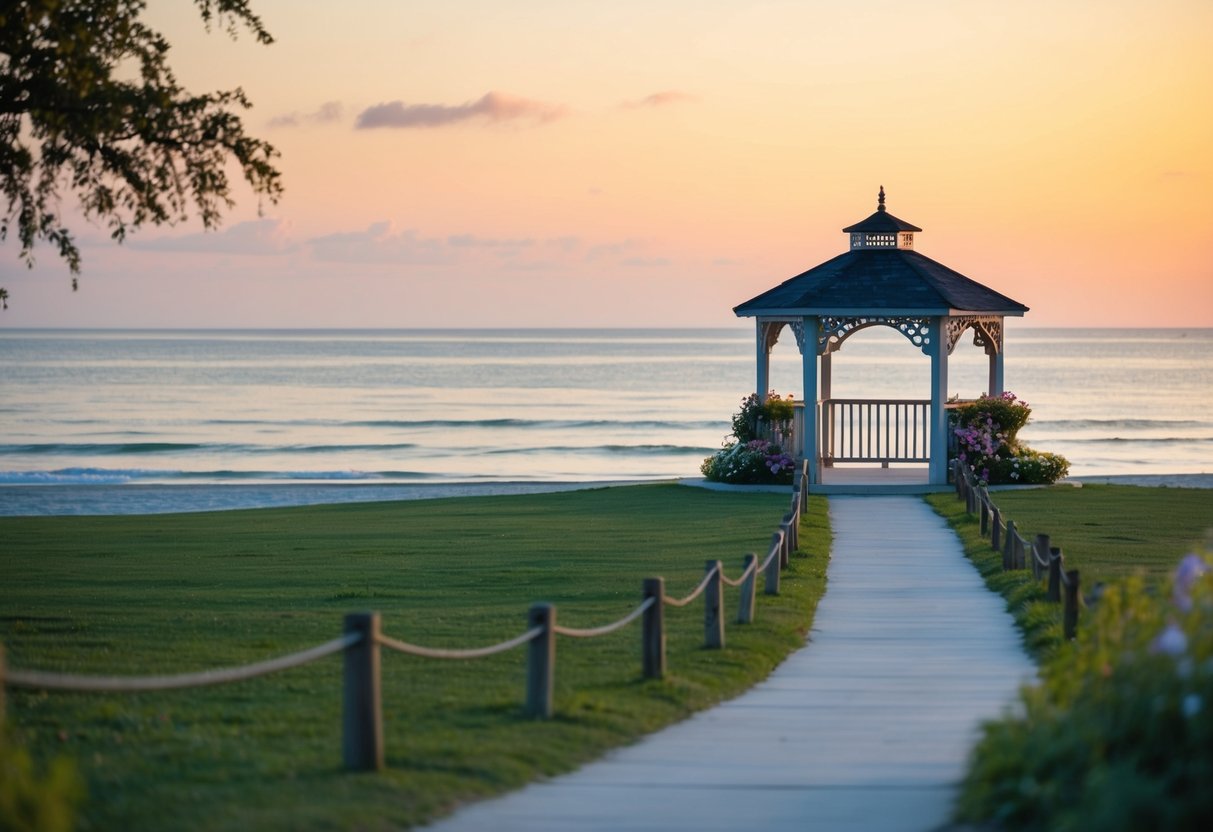
Choosing the right locale for your destination wedding is key to creating a memorable experience. Whether you dream of a beachside ceremony, a mountaintop celebration, or a culturally rich setting, each option offers unique charms and considerations.
Beach Destinations: Sun, Sand, and I Do’s
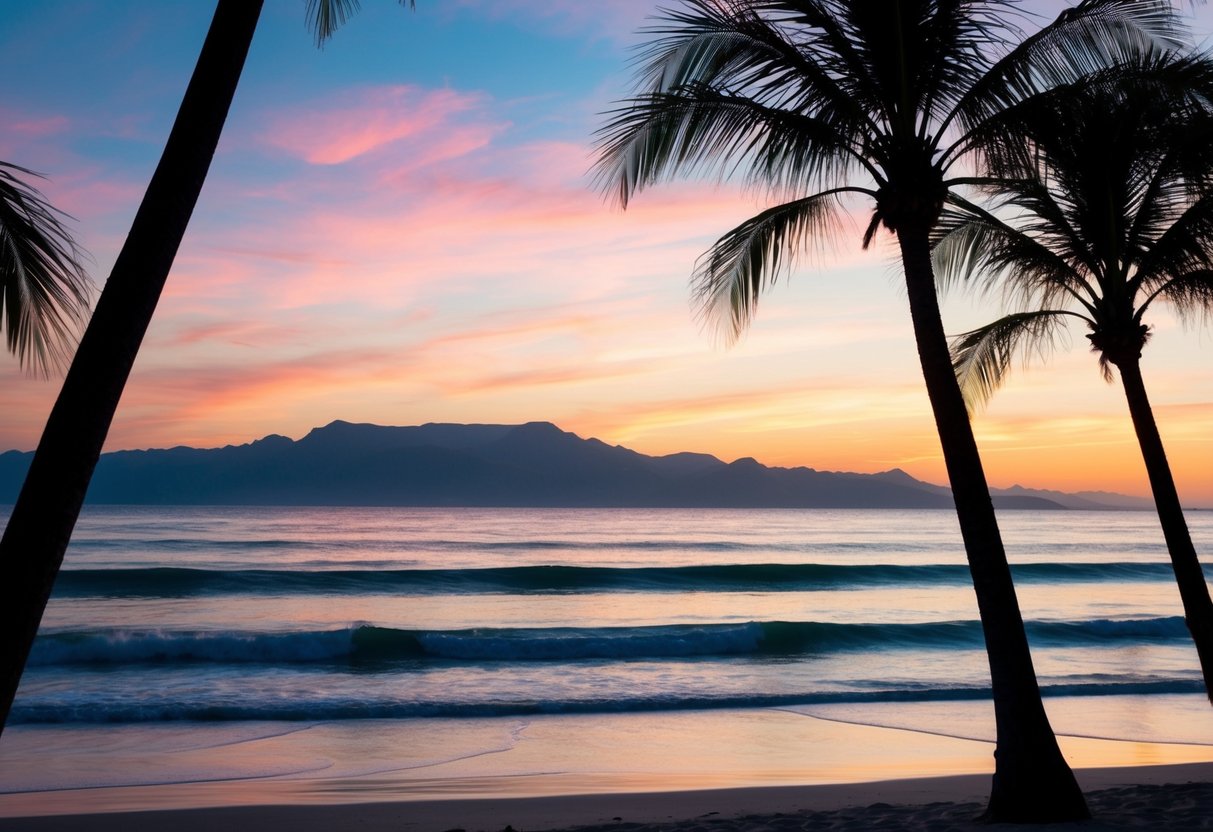
Beach weddings are popular for a reason. Picture saying your vows with the sound of waves in the background. Locations like Hawaii, the Caribbean Islands, and the Bahamas offer stunning backdrops.
When planning a beach wedding, consider the weather. Tropical locations can be humid and rainy, especially during specific seasons.
Think about your guests, too. Beaches often have easy access for families. For an added touch, you might provide seaside activities like snorkeling or sunset cruises.
Mountain Retreats: Tying the Knot with Altitude
If you prefer cooler air and breathtaking views, consider a mountain location. Aspen is a stunning choice known for its scenic landscapes.
Mountain venues often have cozy lodges or open-air spaces surrounded by nature. The mix of rustic and elegant options suits various wedding styles.
Don’t forget about accessibility. Ensure your guests can travel easily, especially if you choose a remote location. It can be helpful to plan for lodging nearby for everyone.
Cultural Hotspots: Marrying Tradition and Adventure
For those looking to blend adventure with rich traditions, cultural hotspots might be the answer. Think of locations filled with local history, like Jamaica, known for its vibrant culture and beautiful landscapes.
In these areas, you can include traditions in your ceremony, making your wedding unique. Besides, the local cuisine can offer a delicious twist on your reception menu.
Make sure to explore local customs when planning. It adds meaning to your special day and provides guests with an experience they’ll never forget.
Planning the Details of a Destination Wedding
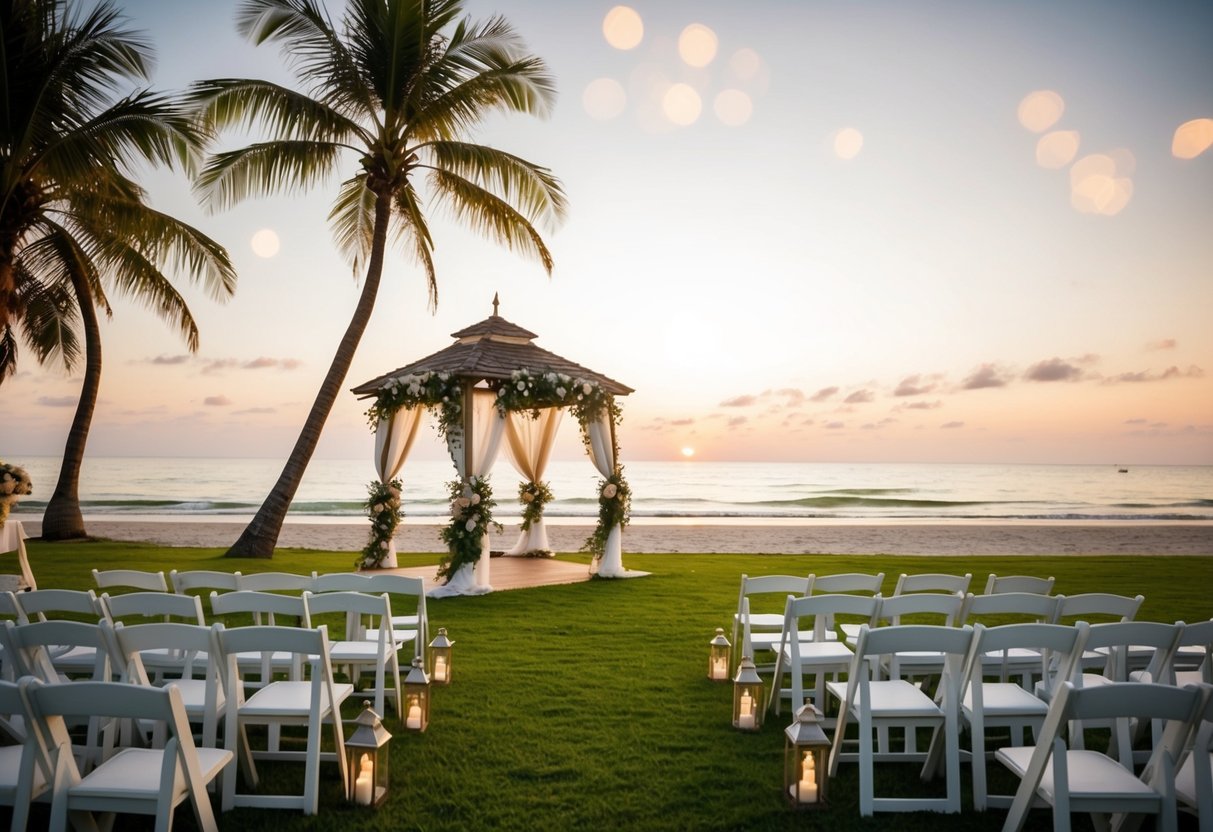
When planning a destination wedding, it’s essential to consider several key details that can impact your big day. From budgeting to coordinating with vendors, understanding these aspects will help make your wedding experience smoother and more enjoyable.
Budgeting for Your Big Day
Setting a realistic wedding budget is crucial. Start by determining your overall spending limit. On average, a destination wedding can cost between $10,000 and $15,000.
Break down your budget by categories such as venue, catering, and décor. Consider additional costs like the outside vendor fee if you plan to use local services. Websites like The Knot can help you track expenses and stay organized.
Prioritize what’s most important for your wedding theme and allocate funds accordingly. Don’t forget to include costs for the rehearsal dinner and welcome dinner, which can enhance the guest experience.
Coordinating with Vendors from Afar
Working with wedding vendors is a bit different for a destination wedding. Start by researching local planners who have experience with destination events. They can help streamline communication with various vendors, making your life easier.
Use a wedding website to share details with guests and coordinate schedules. When reaching out to vendors, be clear about your vision for the wedding ceremony and any specific needs you may have.
Video calls can help you get a better sense of how they work and their previous projects. Always finalize contracts with clear terms to avoid any last-minute surprises.
Accommodating and Entertaining Guests
Your guests are a big part of your wedding, so make sure they feel welcomed and entertained. Process your wedding invitations thoughtfully, as guests may need to plan travel and accommodations.
Consider securing a block of rooms at a nearby hotel to simplify lodging options. Plan activities for guests to enjoy before or after the wedding, such as group excursions or a welcome dinner.
Sharing an itinerary can help everyone know what to expect. This will create a fun and relaxed atmosphere, allowing you and your loved ones to bond before the big day.
Final Touches for Your Big Day
As you prepare for your destination wedding, paying attention to final details can make a big difference. A well-planned schedule, appropriate attire, and stunning photography can enhance your experience and memories. Here’s what you need to focus on.
Creating a Seamless Wedding Schedule
A detailed wedding schedule is crucial for a destination wedding. Start by mapping out your day from the moment you wake up until the last dance. Include essential events like hair and makeup, ceremonies, and receptions.
Tip: Share this schedule with your bridal party and vendors. This helps everyone stay informed and on time. Consider using a group messaging app to keep communication clear.
Also, allow some buffer time for unexpected delays. Whether it’s traffic or a late arrival, extra time can ease stress and keep the day enjoyable.
Ensuring Your Wedding Attire is Venue-Appropriate
Choosing the right wedding attire is essential for comfort and style. For a beach setting, lightweight fabrics like chiffon or lace are ideal. If you’re in a colder location, consider layers to keep warm while looking elegant.
Don’t forget footwear! Heels may not be practical for a sandy beach, so opt for stylish sandals or even barefoot shoes.
Remember that your hair and makeup should complement your attire and venue. It’s a good idea to do a trial run of your hair and makeup, too. This ensures you feel confident and beautiful on your special day.
Capturing the Moment: Wedding Photography
Photography is key to preserving your memories from the day. Make sure to research local photographers who understand the venue’s unique lighting and scenery.
Discuss specific shots you want, such as family portraits and candid moments with friends. Also, sharing your wedding schedule with the photographer helps them plan the best times for different shots.
Consider a pre-wedding shoot, too. It allows you to build rapport with the photographer and practice your poses. This can increase your comfort level and ensure you look your best.