
What Did the Queen Eat at Her Wedding Breakfast? A Look into Royal Traditions
On November 20, 1947, Queen Elizabeth and Prince Philip celebrated their union with a special meal known as the wedding breakfast. After their ceremony at Westminster Abbey, the couple hosted a lovely breakfast at Buckingham Palace. The menu featured dishes such as fish, salad, green beans, and potatoes, crafted to impress despite post-war rationing in the country.
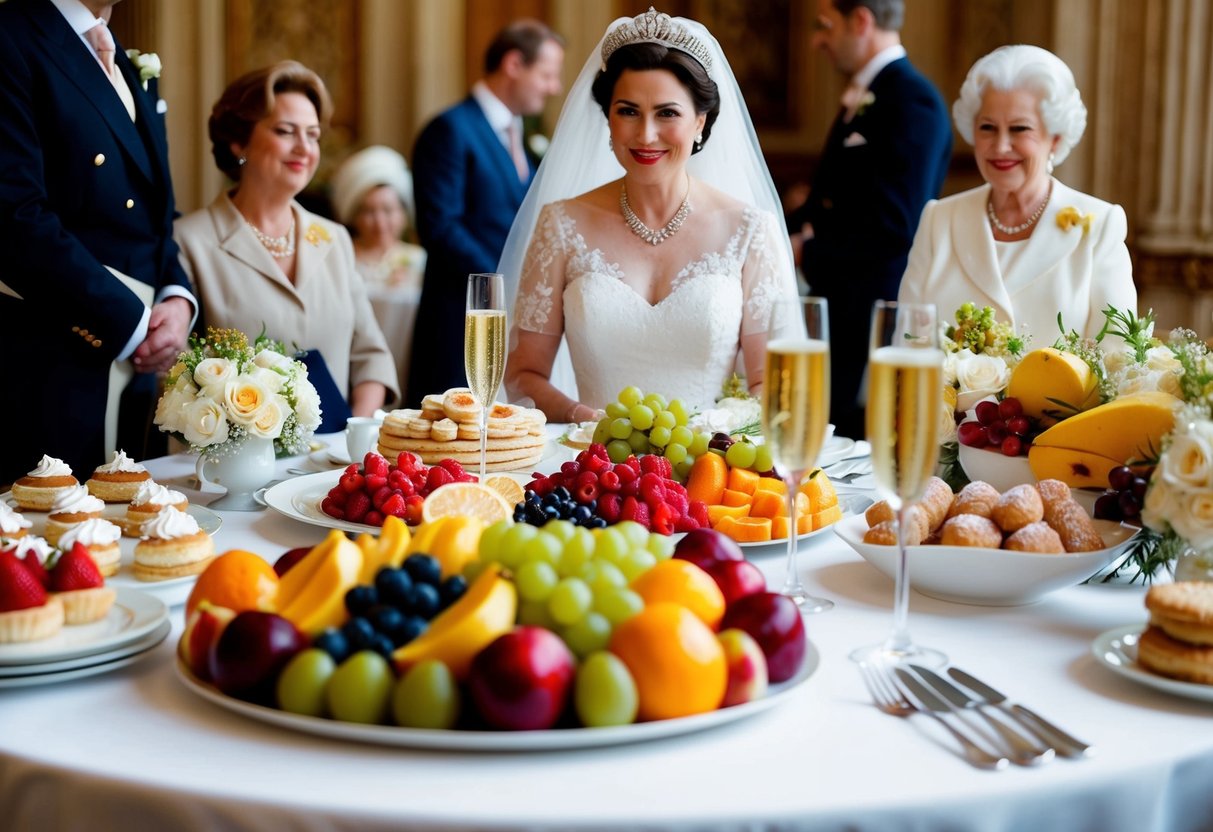
While you might picture a lavish feast befitting royalty, the wedding breakfast was both elegant and sensible. The couple served about 150 guests, showcasing their sophisticated taste within the limits of the times.
As you read on, discover more about the flavors and traditions that marked this historic occasion.
The Royal Wedding Day
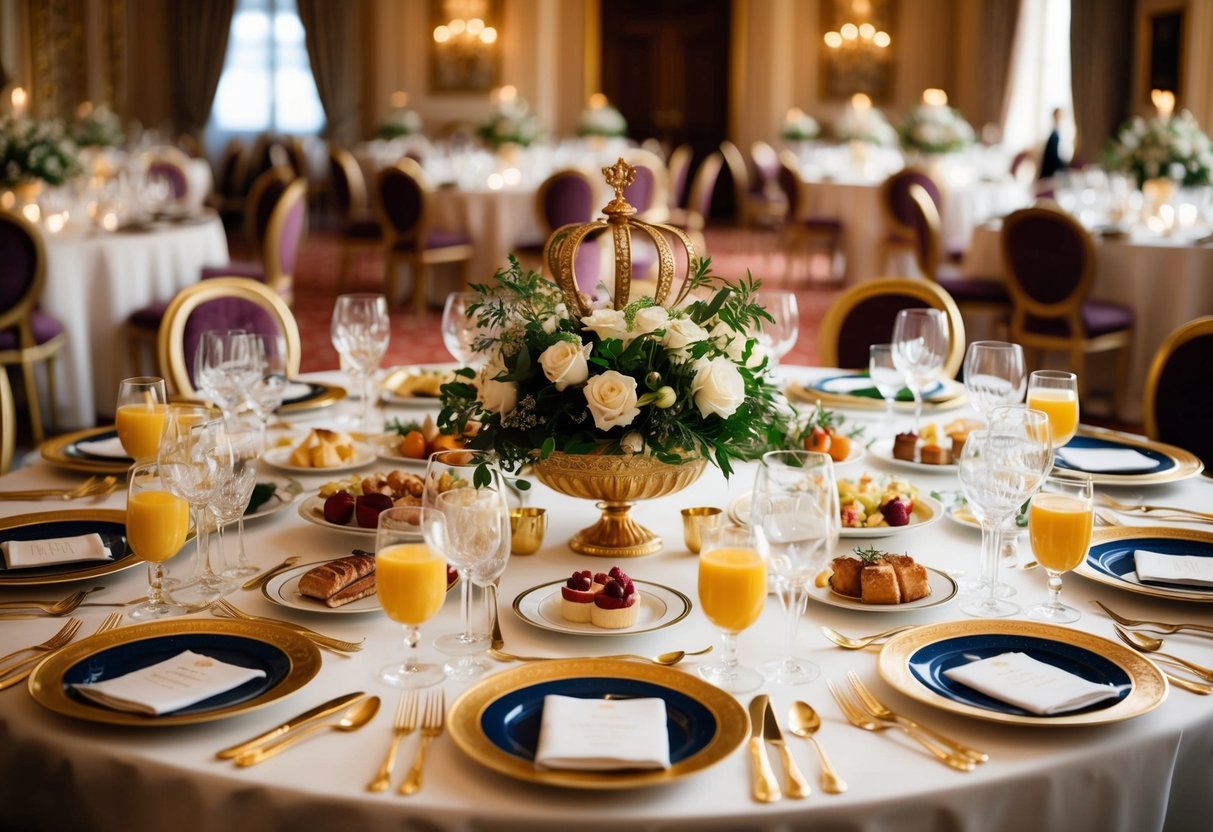
The royal wedding day was filled with rich traditions and beautiful settings that created a memorable occasion. Key elements included the ceremony and the festive atmosphere in the reception area. You’ll find every detail important to the celebration.
Ceremonial Traditions
The ceremony took place at Westminster Abbey on November 20, 1947. This historic venue has hosted many royal events. The wedding featured traditional elements like the exchange of vows and rings.
The couple also had a fanfare play after signing the register. This moment marked a joyful celebration. Guests included family and dignitaries dressed in formal attire.
These traditions highlighted the significance of the day, making it a timeless event in royal history.
Venue and Decor
The reception was held in the Ball Supper Room at Buckingham Palace. This stately setting was arranged to welcome about 150 guests. The decor featured elegant floral arrangements and stunning table settings.
The wedding meal, known as a wedding breakfast, was served in the afternoon. Even with food rationing, the menu reflected royal taste. It included fish, salad, and a variety of delicious cakes.
The combination of the venue and decor created an atmosphere fit for a royal couple, making the day even more special.
Wedding Breakfast Menu Details
The wedding breakfast of Queen Elizabeth and Prince Philip featured elegant dishes that reflected both tradition and the couple’s tastes. The menu was carefully crafted to impress the 150 guests and included a mix of seafood, meat, and delightful desserts.
Main Course Inspiration
The main course showcased filet de sole Mountbatten, which was a light and flavorful fish dish named in honor of Prince Philip’s family name. This elegant preparation involved cooking the sole in a delicate sauce, making it a perfect centerpiece.
You would also find venison, a classic game meat, served as another option. The rich flavor of the venison provided a hearty contrast to the seafood. Alongside these dishes, pommes noisette—small, round, and crispy potatoes—added a delicious side.
Dessert Selection
For dessert, guests were treated to bombe glacée Princesse Elizabeth, a stunning frozen dessert. This dish combined ice cream with layers of fruit and cream, presenting a refreshing finish to the meal.
Fresh strawberries complemented the dessert and offered a sweet touch. As a nod to tradition, the couple’s fruit cake was also served, a popular choice in many weddings. Each of these selections contributed to a memorable and sophisticated dining experience.
The Culinary Team Behind the Feast
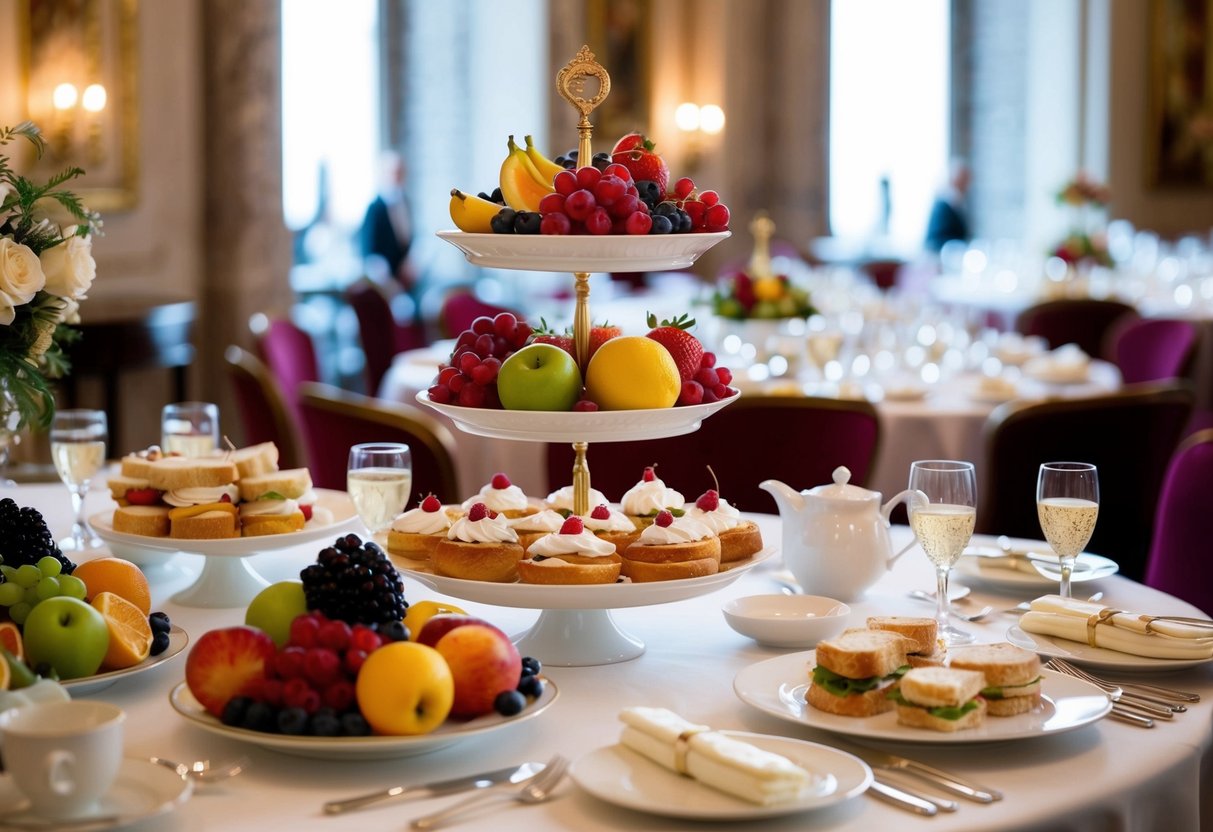
When planning a royal wedding breakfast, the culinary team plays a crucial role in ensuring everything is perfect. The chefs must create exquisite dishes that match the grandeur of the occasion. You’ll find the expertise of the royal chef particularly important in coordinating this impressive meal.
The Role of the Royal Chef
The royal chef, such as Darren McGrady, is responsible for curating the menu, overseeing the preparation, and leading the kitchen staff. These chefs often work at prestigious locations like Buckingham Palace, Windsor Castle, Palace of Holyroodhouse, and Balmoral.
Darren McGrady, known for his time serving the royal family, emphasizes a blend of tradition and creativity. This includes sourcing fresh, high-quality ingredients, and ensuring that each bite represents the best of royal dining.
He and his team work diligently to deliver everything from sumptuous canapés to elegant desserts, aiming for excellence in each dish to impress guests.
Historical and Cultural Significance
The wedding breakfast of Queen Elizabeth II and Prince Philip is more than just a meal. It reflects the evolving tastes of royalty and sets a standard for future royal weddings. Key dishes and traditions reveal how royal meals connect to British culture.
Evolving Tastes of Royalty
Royal dining has changed over the decades. At Elizabeth’s wedding breakfast in 1947, the couple enjoyed a traditional menu that included dishes like seafood and a special wedding cake. The cake was elegantly designed and showcased the best of British confectionery.
Cereal and a cup of tea were also part of their simple morning routine. This blend of luxury and normalcy reflects the times. As you explore these tastes, consider how they represent a balance between tradition and modern preferences in royal dining.
Legacy of Royal Weddings
The wedding breakfast sets a lasting impression on royal culture. Queen Elizabeth II’s choice for her 150 guests emphasizes warmth and hospitality, key elements of royal events.
The event also inspired future royal weddings, especially for the Princess of Wales.
Each royal wedding features a unique menu now, influenced by earlier feasts. The food served often celebrates British heritage, helping to maintain an ongoing royal story.
You can see how these traditions still shape royal events today.