
What Do a Groom’s Parents Pay For? Key Wedding Expenses Explained
When planning a wedding, many couples wonder about the financial responsibilities. In particular, the groom’s parents are expected to cover some expenses, including the rehearsal dinner and possibly a portion of the wedding costs. Understanding what they might typically pay for can help reduce stress and encourage clear communication between both families.
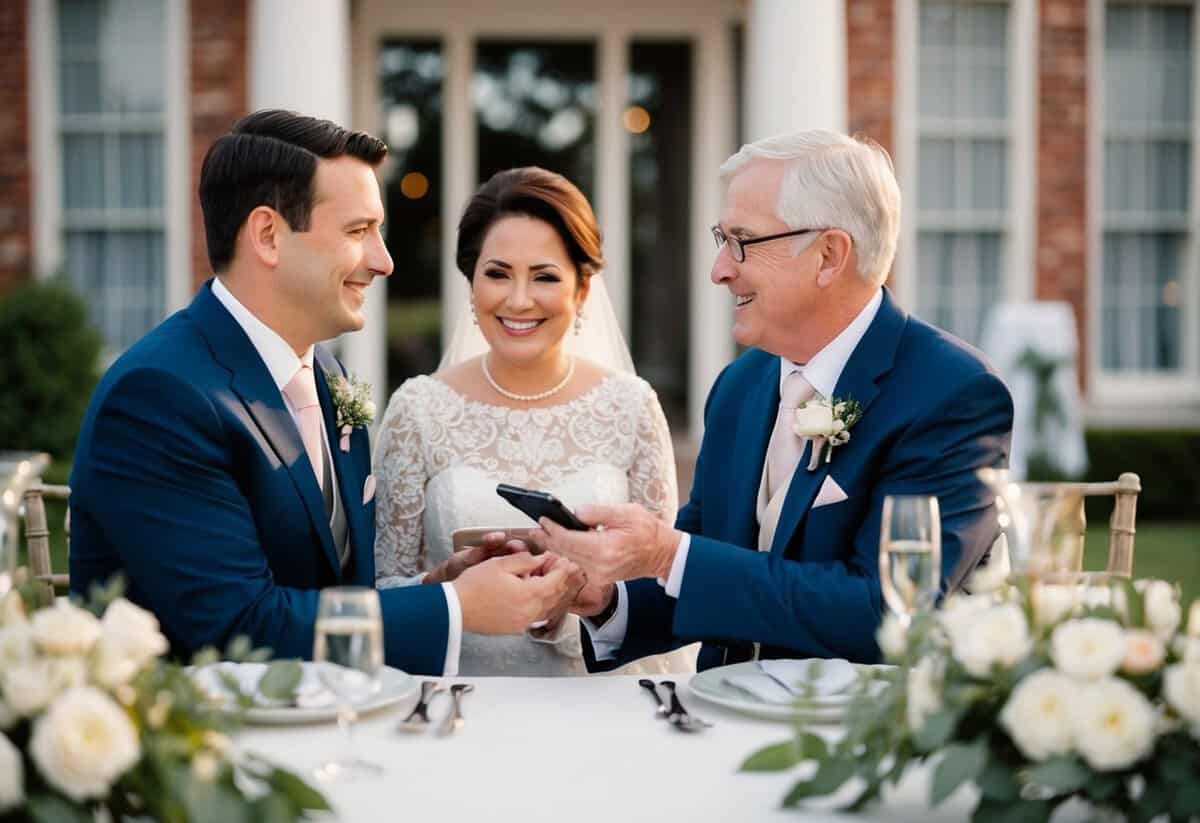
In addition to the rehearsal dinner, it is becoming quite common for the groom’s parents to help pay for the wedding rings. While wedding expenses can be substantial, each family’s financial situation varies. This means you might find that the bride’s family and the couple themselves contribute significantly as well.
Navigating these responsibilities can sometimes feel tricky, but knowing who pays for what makes it easier to manage expectations. By discussing these matters openly, you ensure everyone is on the same page and values are respected throughout the planning process.
Initial Financial Planning

Planning a wedding involves thoughtful financial decisions. Understanding how much to spend and discussing financial contributions with family is essential. Here’s how you can get started.
Setting the Wedding Budget
The first step in your wedding planning is to create a wedding budget. List all potential expenses, such as the venue, catering, and photography. Be sure to break down costs into categories.
Consider the contributions from both families. Traditionally, the groom’s parents may help with expenses like the rings or rehearsal dinner. Clear communication about these contributions can help avoid misunderstandings.
You can also prioritize certain elements of the wedding that matter most to you. For example, if a great photographer is essential, allocate more funds to that area. Create a budget spreadsheet to track all expenses.
Understanding the Wedding Planning Process
Next, familiarize yourself with the wedding planning process. This includes choosing vendors, setting dates, and organizing the timeline. Each of these aspects directly impacts your wedding finances.
Engage in open conversations with your partner and both families. Discuss who pays for what, so everyone is on the same page. This will not only ease financial stress but also strengthen relationships.
Don’t forget to account for unexpected expenses. Setting aside a small percentage of your total budget for surprises can help keep your finances in check. Remember, budgeting well can pave the way for a joyful celebration without financial worries.
Traditional Expenses of the Groom’s Parents
When planning a wedding, it’s important to know what expenses fall on the groom’s parents. They often play a big role in the preparations, helping to ensure things run smoothly on the big day.
Host Responsibilities and Rehearsal Dinner
One of the main responsibilities of the groom’s parents is hosting the rehearsal dinner. This dinner typically takes place the night before the wedding and gathers family and friends to celebrate together.
Usually, you will arrange the venue, dinner menu, and any entertainment. Traditionally, the groom’s parents also provide drinks. It’s a great opportunity to express gratitude to the wedding party and family for their support.
Don’t forget to account for any special touches, like custom invitations or decorations. This event often includes speeches and toasts, making it memorable for everyone involved.
Attire and Accouterments
You are also responsible for the groom’s attire, including the suit or tuxedo, shoes, and accessories. Make sure to consider costs for tailoring or alterations to ensure a perfect fit.
Gifts for the groomsmen are another expense you might take on. These can range from personalized items to practical gifts like cufflinks. It’s a nice gesture to show appreciation for their role in the wedding.
Also, if you plan to provide corsages or boutonnieres for family members, you should include these costs in your budget. Thoughtful details like these enhance the wedding’s overall look and feel.
Transportation and Accommodations
Transportation is another area where you can contribute. Arranging transport for the groom and groomsmen to the ceremony is common. This might mean renting a vehicle or organizing rides.
Additionally, if you have out-of-town guests, consider covering lodging for the groom’s family or attendants. This gesture can ease financial burdens for those attending from afar.
By paying attention to these details, you help create a smooth and enjoyable experience for everyone involved in the celebration.
The Big Day and Secondary Contributions

On the wedding day, the groom’s parents often play important roles and contribute to several key expenses. This includes specific fees related to the ceremony and celebration, reflecting their support for the couple.
Ceremony Customs and Fees
The groom’s family usually helps cover essential ceremony costs. This often includes the officiant’s fee, which can vary based on their experience and location. You might also need to budget for the marriage license fee. This fee can differ by state or country, so check local regulations.
Many families choose to involve a wedding planner to handle details. If you’re considering this, plan for those associated costs. Additionally, if cultural traditions are part of your wedding, you may have specific expenses to honor those customs.
Reception Details and Decorations
At the reception, the groom’s parents often contribute to various expenses that enhance the celebration. Key costs typically include decorations, which help set the festive mood. You could choose flowers, table centerpieces, and lighting that match your theme.
Don’t forget about reception expenses like the venue, food, and drinks. The groom’s family may assist with these costs. It’s common to provide wedding favors for guests as a token of appreciation. Consider incorporating personal touches that reflect the couple’s story.
Photography and videography are also important. Capturing memories of the day is invaluable, and contributions to these services are often welcomed. Overall, these secondary contributions help create a memorable day for everyone involved.
Additional Considerations and Etiquette
When it comes to a wedding, there are special roles for the groom’s parents that go beyond just paying for specific expenses. Understanding the etiquette around gift giving and involvement in pre-wedding events can help make the occasion smoother and more enjoyable.
Gift Giving and Pre-Wedding Events
It’s common for the groom’s parents to give gifts to the couple. This can include a contribution to the wedding registry or a special gift for the couple’s new home. The important thing is to choose something meaningful that reflects your support.
Regarding pre-wedding events, you might consider hosting or helping with gatherings like the engagement party, bridal shower, or welcome party. These events are great opportunities for families to connect. When planning these events, coordinate closely with the bride’s family to ensure everyone is on the same page about the guest list and costs. This fosters a spirit of collaboration and celebrates the couple’s union.
Communication and Guest Involvement
Staying in touch is key. Open communication with your child and their partner helps clarify financial responsibilities and expectations.
Discuss who will be involved in wedding planning and what roles everyone will play.
Including extended family members can also enhance participation and support. It’s thoughtful to invite them to help with smaller details, such as choosing flowers or selecting music.
This not only eases the planning process but also ensures that everyone feels included in the celebration, which can make the day even more special.