
What Do a Groom’s Parents Pay For? A Guide to Wedding Expenses They Usually Cover
Planning a wedding can be exciting but also overwhelming, especially when it comes to figuring out who pays for what. If you’re curious about the financial responsibilities of the groom’s parents, you’re not alone. Traditionally, the groom’s parents are expected to cover certain expenses like the engagement party and sometimes even the wedding rings.
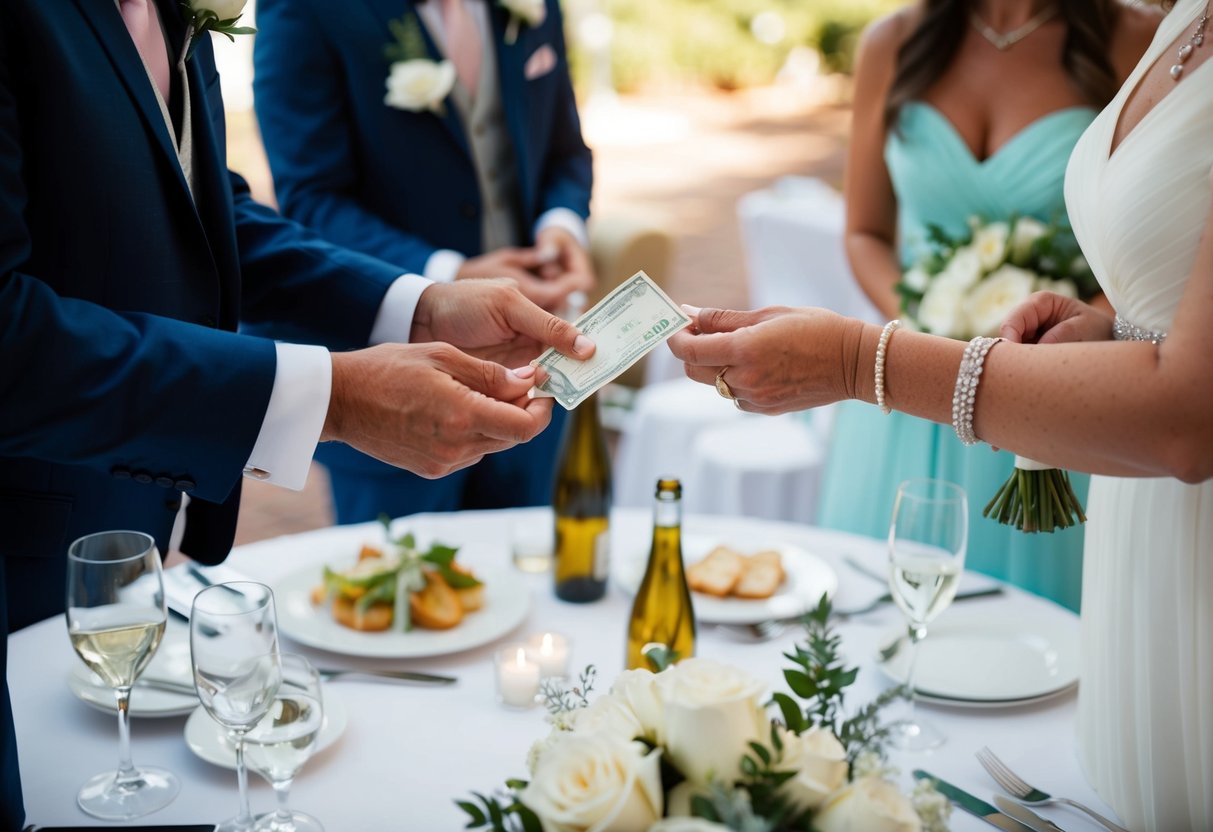
Understanding these roles can help ease some of the pressure on the couple and their families. Wedding etiquette suggests that the bride’s family takes care of most of the planning costs, but it’s important to know what the groom’s family typically contributes as well. This knowledge can help you navigate conversations about finances and create a budget that works for everyone involved.
As you dive deeper into the details of wedding expenses, you’ll find that it’s all about teamwork and communication. By discussing financial responsibilities openly, you can foster a smoother planning process, ensuring that everyone feels comfortable with their roles.
Initial Contributions
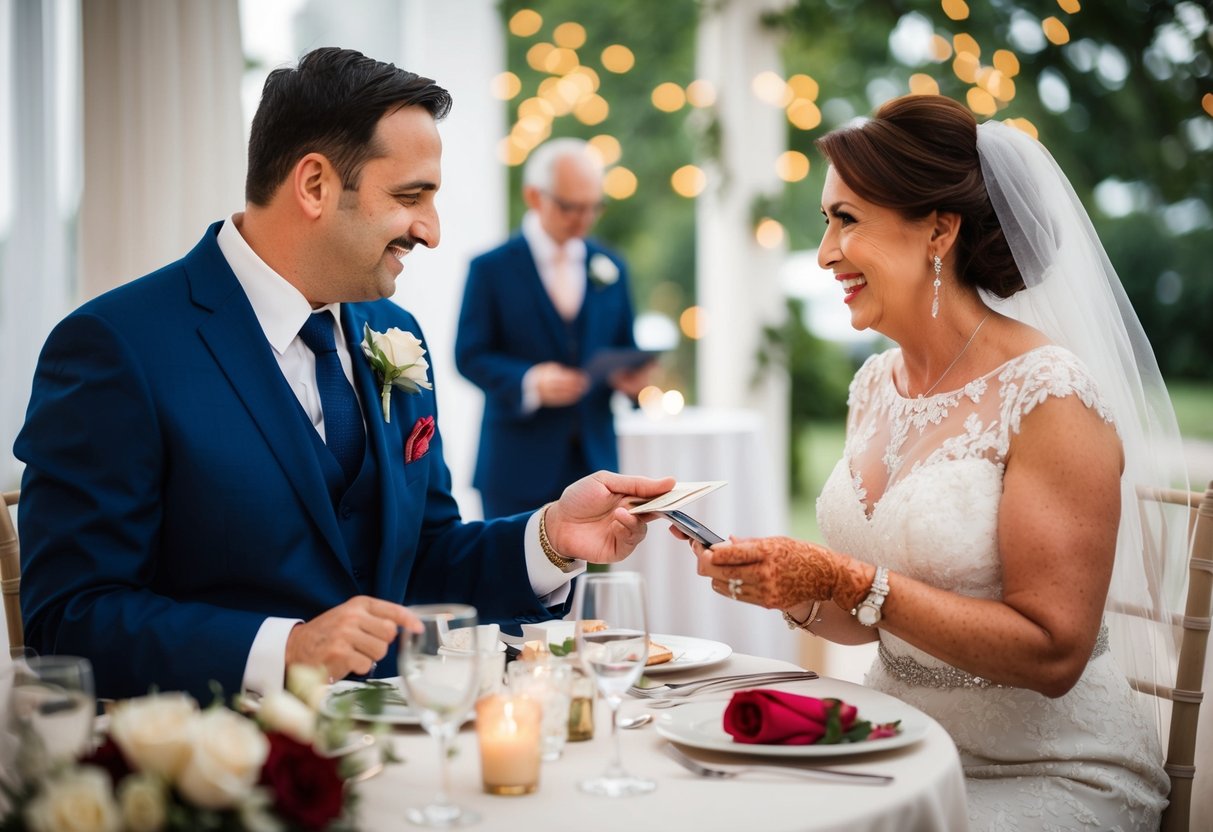
When planning a wedding, it’s important to know the financial role that the groom’s parents often take. They typically help with initial contributions like the engagement celebrations and the selection of wedding rings.
Engagement Celebrations
The groom’s parents might contribute to the engagement celebration. This event usually kicks off the wedding journey and can include a small gathering or a larger party.
In some families, the groom’s parents may cover the costs of the engagement party. This gesture helps set the tone and brings both families together.
Typical expenses they might handle include:
- Venue rental
- Catering costs
- Invitations
By covering these costs, the groom’s parents help reduce the couple’s financial burden. It also shows their support and excitement for the upcoming union.
Wedding Rings Selection
Another key area where the groom’s parents often play a role is in the selection of the wedding rings. Traditionally, the groom will buy an engagement ring, but sometimes the groom’s parents contribute.
They may help finance either the engagement ring or the wedding rings, allowing the couple to choose what they truly love without going over budget.
Here’s what the groom’s parents might assist with:
- Paying for the engagement ring
- Helping select wedding bands
- Offering advice on styles and materials
This involvement enhances their support and participation in the celebration of love, which can make the wedding even more special.
Pre-Wedding Arrangements
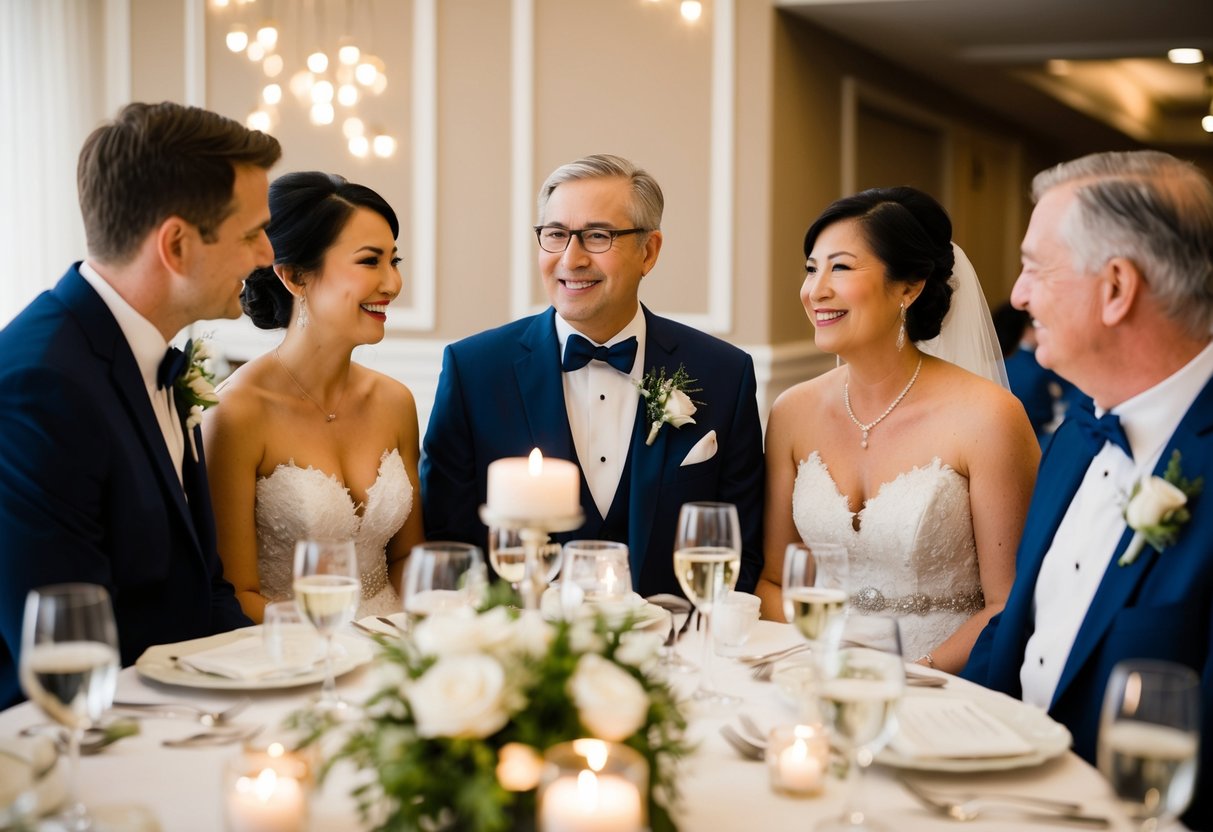
When planning the wedding, the groom’s parents can take on specific pre-wedding responsibilities. Key tasks often include organizing the bridal shower and rehearsal dinner, along with covering various fees related to professionals involved in the ceremony.
Bridal Shower and Rehearsal Dinner
The bridal shower is a fun way to celebrate the bride-to-be. The groom’s parents may choose to host this gathering. It usually involves close friends and family and includes food, games, and gifts for the bride. This event can help build excitement for the wedding day.
The rehearsal dinner is another important event. Traditionally, the groom’s family hosts it the night before the wedding. This gathering brings together the wedding party and family members in a relaxed atmosphere. The groom’s parents typically cover expenses such as the venue, food, and beverages. This dinner helps everyone feel more comfortable before the big day.
Professional Services and Fees
The groom’s parents often cover several essential costs related to the wedding. One significant expense is the officiant’s fee, which pays for the person who will conduct the wedding ceremony.
Additionally, the marriage license fee is another important cost. Without a marriage license, the wedding cannot legally take place. Paying these fees helps ensure all legal aspects are taken care of.
Include these expenses in your wedding budget. Setting aside funds for professional services helps avoid last-minute financial stress. This planning can make the wedding day joyful and memorable.
Wedding Day Essentials
Planning the wedding day involves many essential details that the groom’s parents can help with. Here’s what you need to know about attire for the groom and transportation arrangements.
Attire and Accoutrements
The groom’s attire is a key component of the wedding. This often includes a suit or tuxedo, which the groom’s parents might cover. Don’t forget the accessories like shoes, ties, and cufflinks.
Additionally, the groom’s parents may also pay for the corsages and boutonnieres for the wedding party. These floral pieces add a polished touch to everyone’s look and can be a lovely personal gesture from the groom’s family. Make sure to choose flowers that match the wedding theme to keep everything cohesive.
Transportation and Accommodations
Transportation is vital for the wedding day. The groom’s parents often help arrange transportation for the wedding party and sometimes even for guests.
Hiring a limo or another suitable vehicle ensures everyone arrives on time and comfortably. You may also want to consider accommodations for out-of-town guests. This helps ease travel concerns and makes the day more enjoyable for everyone involved.
Don’t forget that hiring people for photography and videography is also essential. Capturing those precious moments is something that everyone will cherish for years.
Celebrate and Honor

When it comes to celebrating and honoring the couple, the groom’s parents play a special role. Their participation can include various aspects of the wedding, from the reception to meaningful traditions and gifts.
Reception and Farewell
The reception is a key celebration where families come together. The groom’s parents often help cover reception expenses. This can include venue costs, catering, and even the reception alcohol.
You might also find them involved in planning the guest list. They can invite family and friends or help with seating arrangements. It’s a chance to welcome everyone who supports the couple.
To add a personal touch, family traditions can be honored during the reception. This can include speeches, dances, or even special moments like the mother of the groom dancing with her son.
Special Traditions and Gifts
Special traditions can enrich the wedding experience. The groom’s parents may choose to give sentimental gifts to the couple. This can include money for the honeymoon or memorable items that hold family significance.
You might also want to think about wedding favors. Small gifts from the groom’s family show appreciation for guests. These can reflect cultural traditions or personal touches that celebrate your family’s background.
Additionally, consider unique family gestures, such as a specific walk down the aisle that holds a tradition in your family. These moments can create lasting memories as you celebrate the journey ahead.