
What Do Brides Parents Pay For Traditionally? A Guide to Wedding Expenses
When planning a wedding, it can be quite a puzzle to understand who pays for what. Traditionally, the bride’s parents take on a significant part of the wedding expenses. This includes covering key items such as the ceremony venue, decorations, and reception costs. This custom has deep roots in wedding etiquette and can vary based on modern practices and family situations.

In many cases, the groom’s family also contributes, but the financial responsibilities may differ from what they used to be. As traditions evolve, it’s common for expenses to be shared more equally among both families or even the couple themselves. With the average cost of a wedding rising, many couples are exploring new ways to manage their budgets, making open discussions about contributions essential.
Whether you are following old customs or creating your own path, knowing what the bride’s family typically covers can help you plan better. This understanding sets the stage for a more enjoyable wedding experience, ensuring that everyone is on the same page as you celebrate this joyful occasion.
The Role of the Bride’s Parents in Wedding Expenses

When planning a wedding, the bride’s parents often have significant financial responsibilities. They typically cover various essential costs, from the ceremony to personal details that add a special touch to the day. Understanding these roles can help you navigate the financial aspect of your wedding more smoothly.
Primary Responsibilities
Traditionally, the bride’s parents take on the bulk of the wedding expenses. This includes paying for the venue, catering, and wedding flowers. Generally, you can expect them to cover several key items, such as:
- Ceremony Venue: They often pay for the location where the nuptials will take place.
- Reception Venue: This includes costs for the space where your celebration will occur.
- Catering: Food and drinks are usually significant expenses that fall to your family.
The financial contributions of the bride’s parents can help shape the overall budget for your wedding.
Ceremony and Reception Costs
In addition to major expenses like the venue and catering, there are other significant aspects to consider. The bride’s parents typically pay for wedding decorations, which enhance the ambiance of both the ceremony and reception. This can involve:
- Flowers: Bouquets, boutonnieres, and centerpieces are often funded by your family.
- Music and Entertainment: They may also take care of hiring a band or DJ for the event.
- Photography: Capturing the day’s moments might also be included in their contributions.
These costs can quickly add up, making it important to keep track of all expenses involved in planning.
Personal Touches and Traditions
Your parents may want to include personal touches that reflect family traditions. This can include:
- Engagement Party: Traditionally, the bride’s parents host this event to celebrate the upcoming wedding.
- Gifts for the Wedding Party: They might also pay for gifts for bridesmaids and groomsmen.
- Honeymoon Contributions: Some families choose to assist with the honeymoon costs.
Incorporating these traditions can bring a meaningful connection to your wedding day, making it special for everyone involved.
Major Costs Covered by the Bride’s Family

The bride’s family traditionally covers several significant costs associated with the wedding. These expenses often include attire, celebratory events, and key elements of the wedding reception.
Attire and Personal Style
One of the main expenses is the bride’s attire. This typically includes the wedding gown, which can be a large portion of the budget. A beautiful wedding dress not only makes the bride feel special but also sets the tone for the entire event.
Additionally, the bride’s family may pay for her shoes and accessories, such as jewelry and a veil. Another important aspect of personal style is the bride’s bouquet. Flowers can vary widely in price, but they are a cherished detail that enhances your overall look and theme.
Celebratory Events and Preparations
Your parents are typically responsible for hosting key events leading up to the wedding. This includes the engagement party, where family and friends gather to celebrate your upcoming marriage. The logistics, such as the venue and food, are often covered by them.
They might also pay for the rehearsal dinner, which is a time for close family and friends to get together before the big day. This event usually involves a meal and is a way to thank those who play a significant role in your wedding.
The Heart of the Celebration
The reception is often where a large part of the budget focuses. Your family traditionally covers costs like the wedding cake, music, and flowers. A stunning floral arrangement enhances the venue, providing a vibrant atmosphere.
Photography and videography are also typically funded by the bride’s family. Capturing those precious moments is essential, as they create memories that last a lifetime. Reception alcohol is another expense they might take on, as it contributes to the festive mood.
Additional Contributions and Etiquette
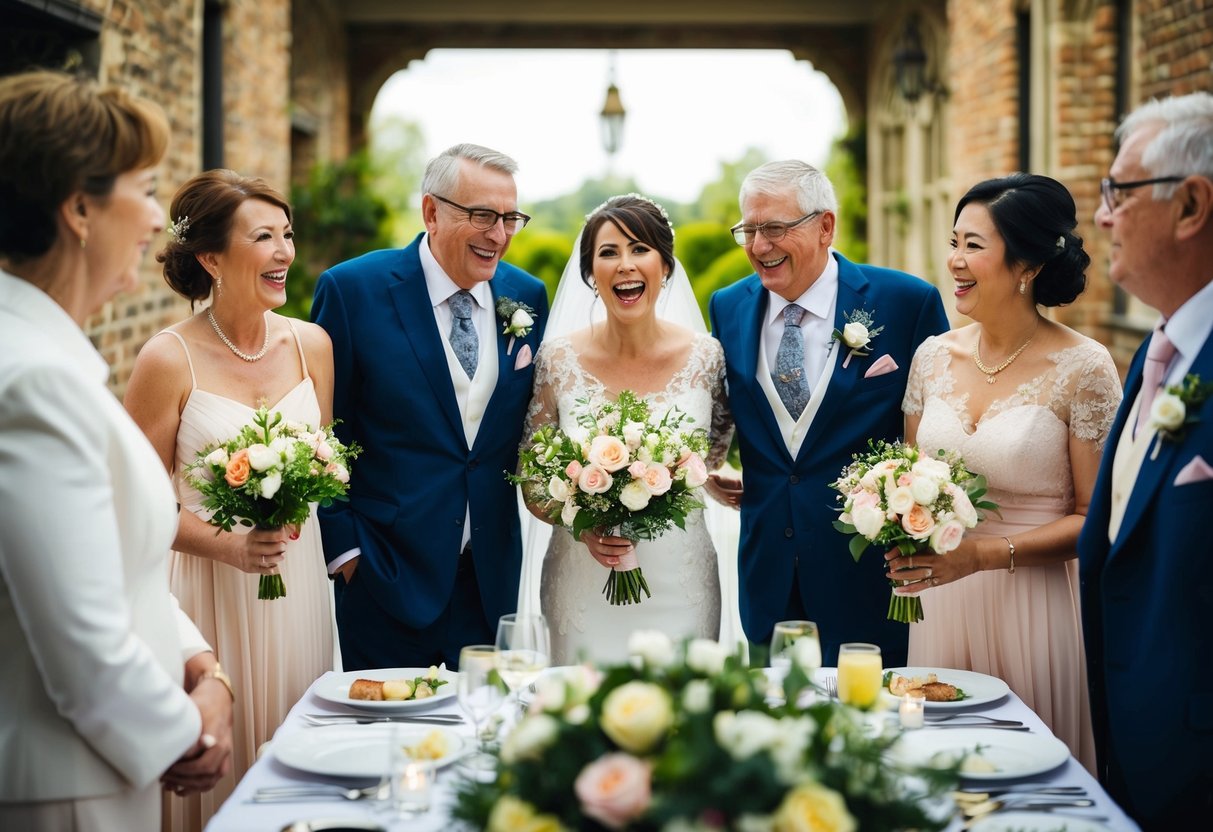
When it comes to planning a wedding, the bride’s family often makes various contributions beyond just the main expenses. These contributions can involve thoughtful gestures, logistics for guests, and special send-off arrangements to make the day memorable.
Gifts and Symbolic Gestures
Traditionally, the bride’s parents may choose to give gifts to the couple. This can include financial help for the honeymoon or a thoughtful item like the engagement ring or wedding bands. These gifts symbolize their support and love.
Additionally, the bride’s parents often fund personal flowers, such as corsages and boutonnieres, which are important for family and special guests. These small gestures play a big role in setting the tone for the wedding.
Logistics and Guest Comfort
Your family can also help ensure that your guests are well taken care of. This might include arranging transportation to and from the wedding venue, especially if it’s far away.
Consider accommodations for out-of-town guests. You might discuss group rates at nearby hotels. These details help guests feel comfortable and welcome, adding to the overall enjoyment of your special day.
Catering is another area where contributions can be significant. While you and the groom may select the menu, your family could assist in covering those costs, aiming to create a delightful dining experience for everyone.
The Sendoff
At the end of the celebration, a special send-off is a lovely way to conclude the festivities. Your parents might arrange for a getaway car to whisk you off to the honeymoon.
They might also consider other personal touches, like providing sparklers or flower petals for guests to throw as you leave. Such thoughtful gestures create lasting memories and show family involvement in the celebration of your new life together.