
What Do Brides Spend the Most Money On? Essential Insights for Wedding Planning
As you plan your wedding, you might find it tricky to understand where to allocate your budget. Brides typically spend the most money on the venue and catering, which can make up about 40% of your total budget. This is followed by photography and videography, because capturing the moments of your special day is invaluable.
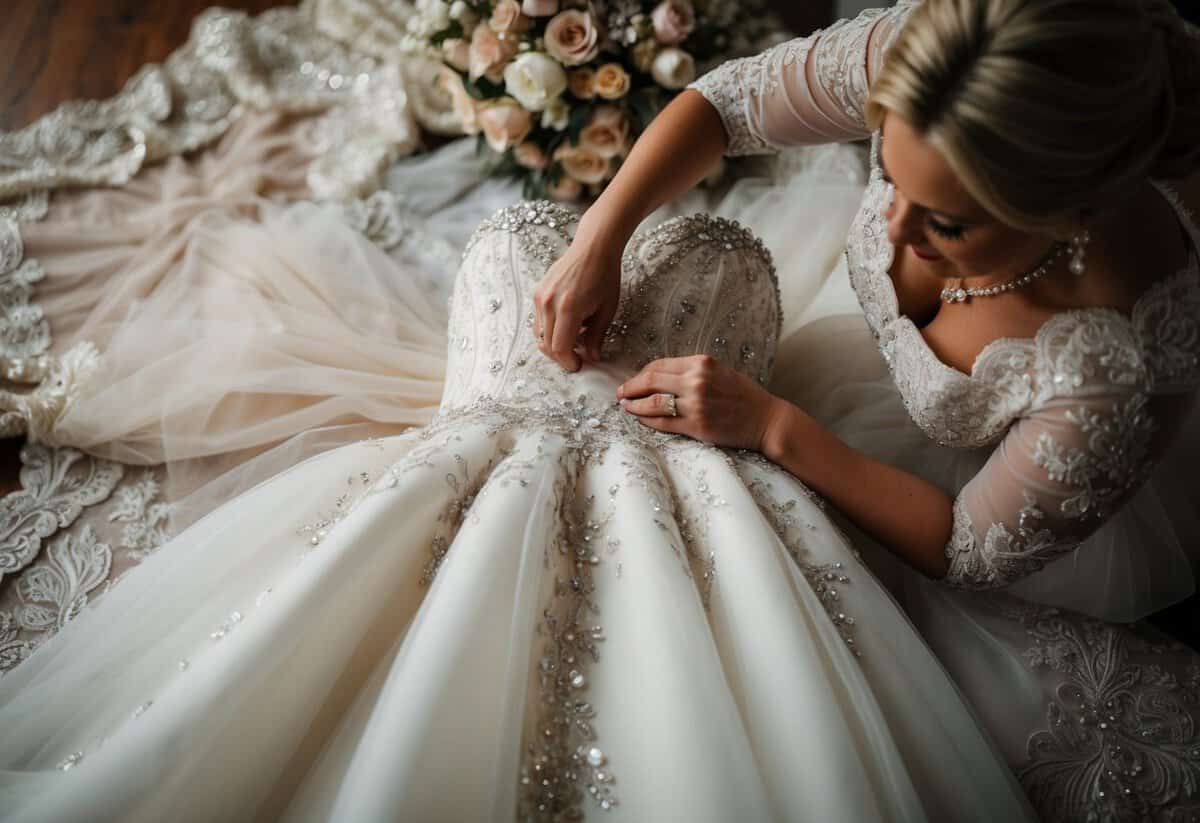
In addition to these major costs, you might find that attire and beauty also take a significant portion of your budget, often around 15%. From the wedding dress to hair and makeup, these details can quickly add up.
When it comes to planning your dream day, knowing these figures can help you make informed choices. Whether you choose to splurge or save in certain areas, being aware of your priorities will guide you toward the wedding you envision.
The Allure of the Perfect Dress
Finding the perfect wedding dress is often one of the most exciting parts of planning your big day. It involves not just the search for the right style but also understanding costs and ensuring everything fits perfectly. Here’s a closer look at these key aspects.
Finding ‘The One’
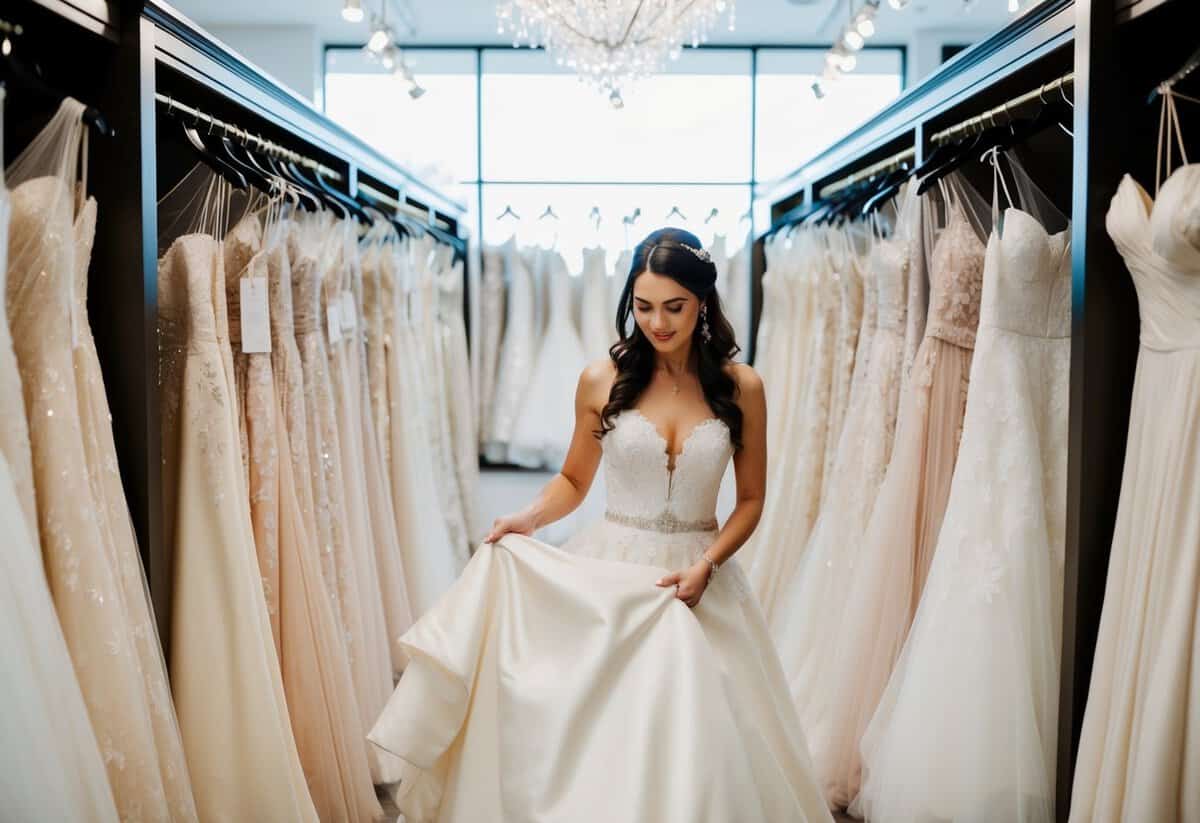
Searching for your ideal wedding dress can feel like a magical quest. You might start with inspirations from magazines or online resources. Visiting a bridal salon allows you to try on various styles and see how they fit you.
Consider the wedding theme and what style complements it. Do you envision a classic ball gown, a sleek mermaid shape, or a simple A-line? Remember, each design has its charm, so take your time to feel what resonates with you. Also, don’t hesitate to bring friends or family for support; their feedback can be invaluable.
Dress Costs and Budgeting
When it comes to wedding dress costs, it’s essential to set a budget early on. The average wedding dress cost varies widely, usually ranging from $1,000 to $3,000. High-quality fabrics and designer labels can push prices even higher.
You can find affordable wedding dresses that still look stunning, especially from bridal shops with good options for budget-savvy brides. Make sure to factor in any customizations or special orders that might add to the dress’s cost. With careful planning, you can find the perfect gown without overspending.
Alterations and Accessories
After finding your dream dress, think about alterations and accessories. Most dresses need adjustments to fit you perfectly. This might include hem adjustments, taking in sides, or even adding supportive elements.
Accessories like veils, jewelry, and shoes also play an important role. These can enhance your gown’s look and contribute to the overall style. While it’s easy to get caught up in the excitement, remember to budget for these additional expenses. Each detail adds to the allure and makes your wedding day even more memorable.
Choosing the Ideal Venue
Selecting the right venue is a crucial part of your wedding planning. It affects your budget, guest list, and the overall experience of your special day. Two key areas to focus on are the venue’s location and ambiance, as well as the costs involved.
Location and Ambiance
When choosing a venue, think about the location first. Is it easily accessible for your guests? Consider factors like parking and public transport options. A convenient location can make it easier for everyone to attend.
Next, think about the ambiance. Does the venue match the style of your wedding? Whether you envision a rustic, elegant, or beach-themed celebration, the right atmosphere can enhance your day. Tour different locations to get a sense of their vibe. Pay attention to the décor, lighting, and indoor versus outdoor options.
Venue Cost Considerations
The cost of your venue can take a large chunk of your wedding budget. Average venue prices in the U.S. can range from $10,000 to $15,000. Be clear about what’s included in the rental fee. Some venues offer packages that cover catering, tables, and decorations, while others may charge extra.
Make a list of your priorities when considering expenses. Think about what you can afford and how the venue fits into your overall budget. Don’t forget to factor in potential additional costs like tips and insurance. Always ask about hidden fees that could affect your budget.
Impeccable Wedding Catering
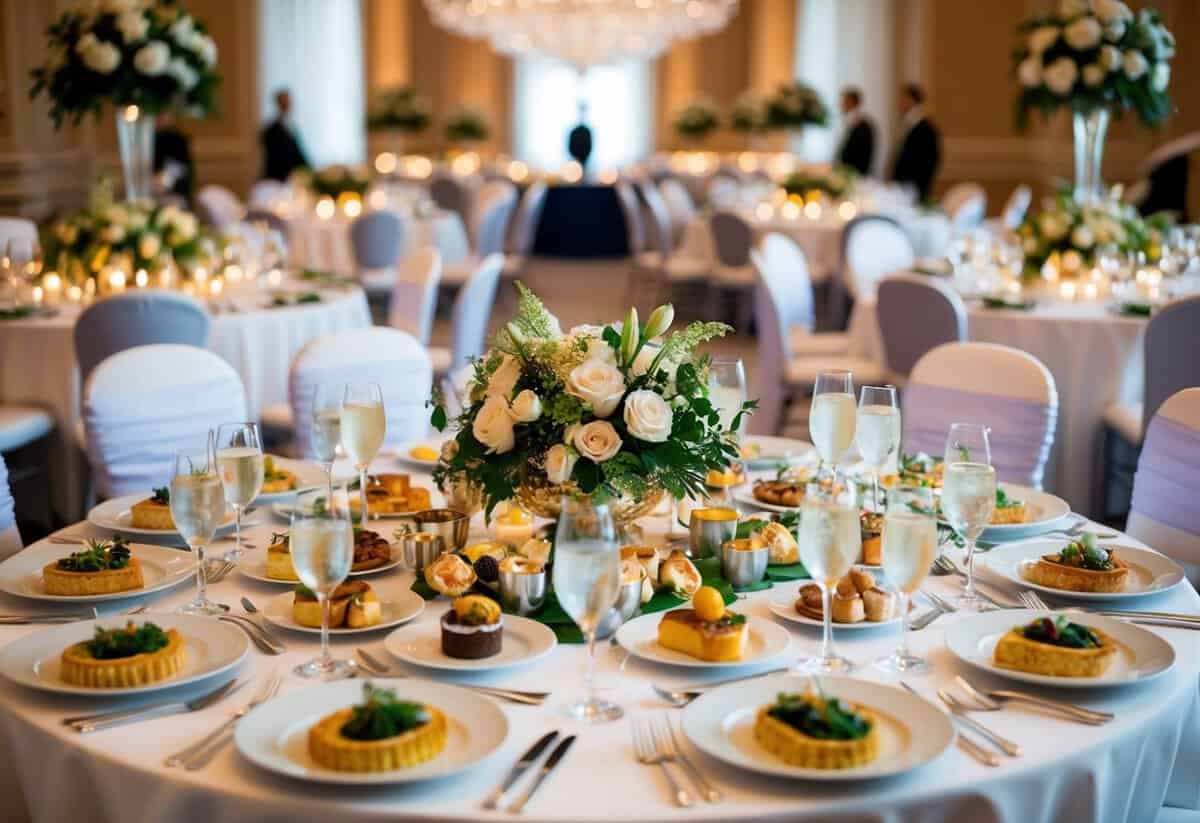
When planning your wedding, catering is a major factor that can enhance your celebration. It not only satisfies your guests but can also elevate the entire atmosphere of your event. Let’s explore what makes catering unforgettable and what you should expect to spend.
Delighting the Palate
A well-thought-out catering menu is key to a delightful wedding experience. Start by considering your guests’ tastes. You might want to offer a variety of options, including vegetarian, gluten-free, and kid-friendly dishes. Seasonal ingredients often taste best and can also be more cost-effective.
For the main meal, think about including a few entrees, such as a meat dish, fish, and a vegetable option. Talking with your caterer about unique presentation styles can add flair as well. Don’t forget to include a variety of beverages! A cocktail hour with signature drinks can set a fun tone. You could also consider a dessert bar that features mini desserts or a beautiful cake for guests to enjoy.
Catering Expenses
Catering usually takes up a large portion of your wedding budget. On average, couples spend between $50 and $150 per guest for catering services. This often includes food, staff, and sometimes rentals like plates and utensils. Understanding how much to allocate for catering is important when planning your overall budget.
You can expect about 35% of your total budget to go toward catering. This can cover not just the food for the reception, but also the cocktail hour and any bar services if you choose to include them.
Capturing Memories
Preserving your wedding day memories is essential for remembering those special moments. Two key areas where brides often prioritize spending are hiring a photographer and investing in wedding videography.
Hiring a Photographer
When it comes to capturing memories, hiring a skilled wedding photographer is crucial. Look for someone with a portfolio that resonates with your style. This can range from classic portraits to more candid shots.
Consider discussing your vision with potential photographers. Ask about their experience with similar weddings and how they handle different lighting situations.
Many couples find it helpful to create a shot list. This list can include must-have photos, such as family portraits or special moments during the ceremony.
Don’t forget about the cost! Professional photography can range widely based on experience and location. It can be beneficial to allocate a significant part of your budget here since these photos will last a lifetime.
Wedding Videography
Wedding videography is increasingly popular for capturing the day in motion. A well-made video can evoke emotions and memories in a way that photos sometimes cannot.
When choosing a videographer, look for someone whose style matches your vision. Make sure they have experience in editing and creating engaging storytelling through video clips.
Discuss what you want included in the video. Many couples opt for highlights, full ceremony coverage, or even drone footage of the venue.
Like photography, videography costs can vary greatly. Be sure to factor this into your budget because a high-quality video can be a treasured keepsake. Many couples receive their wedding videos as thoughtful gifts from family and friends, adding even more meaning to these recordings.