
What Do Celebrants Say at a Wedding? Essential Phrases for a Memorable Ceremony
When you attend a wedding, the celebrant plays a key role in making the day special. During the ceremony, the celebrant typically shares words that reflect the love and commitment of the couple, guiding them through their vows and the unity they are about to enter. This person not only officiates the marriage but also weaves in personal touches that resonate with everyone present.
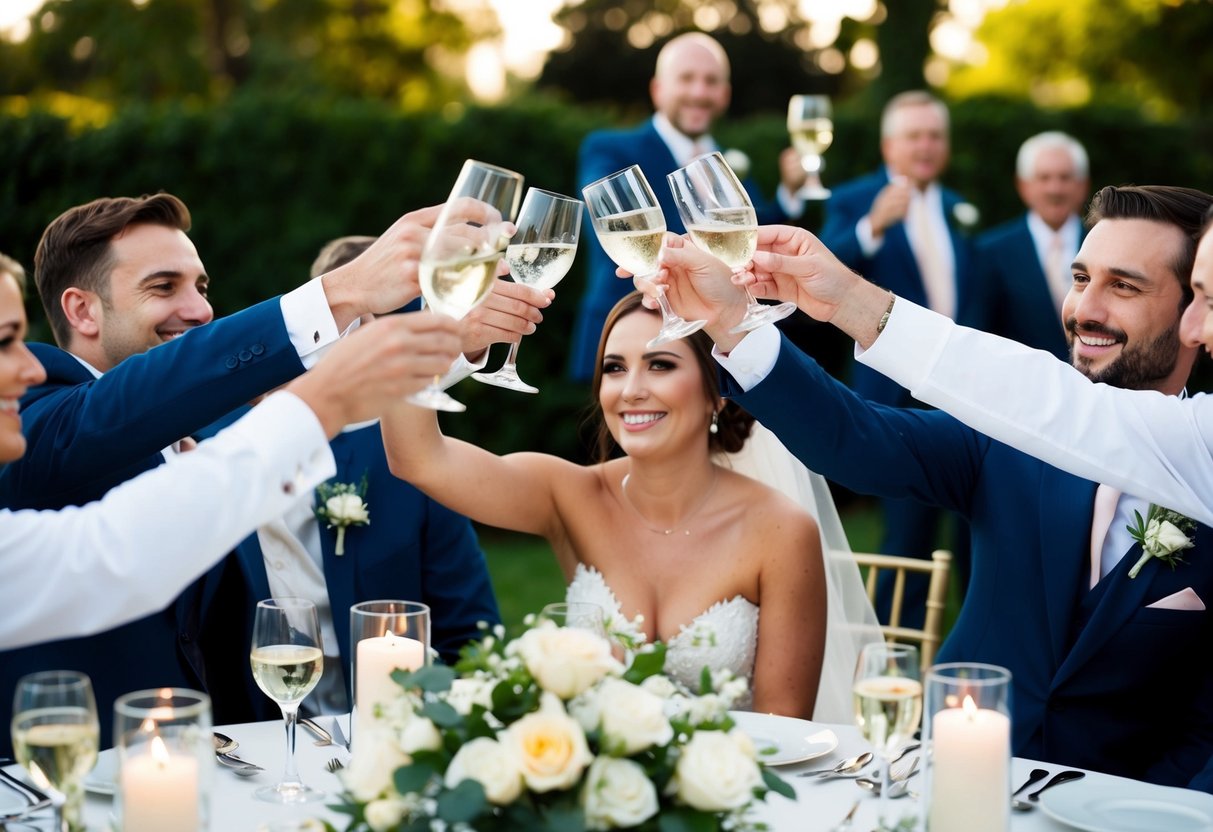
Throughout the ceremony, you’ll hear phrases that celebrate the couple’s journey, acknowledging the support they have for each other. The officiant sets the tone, creating an atmosphere filled with love and emotion. They might share anecdotes, read meaningful quotes, or explain the significance of the commitment being made, helping to connect all attendees to the moment.
The words spoken by the celebrant are about more than just formalities; they’re a heartfelt testament to the couple’s love and support for one another. This is what makes each wedding unique and memorable, drawing everyone into the experience of witnessing their union.
Understanding the Role of the Officiant
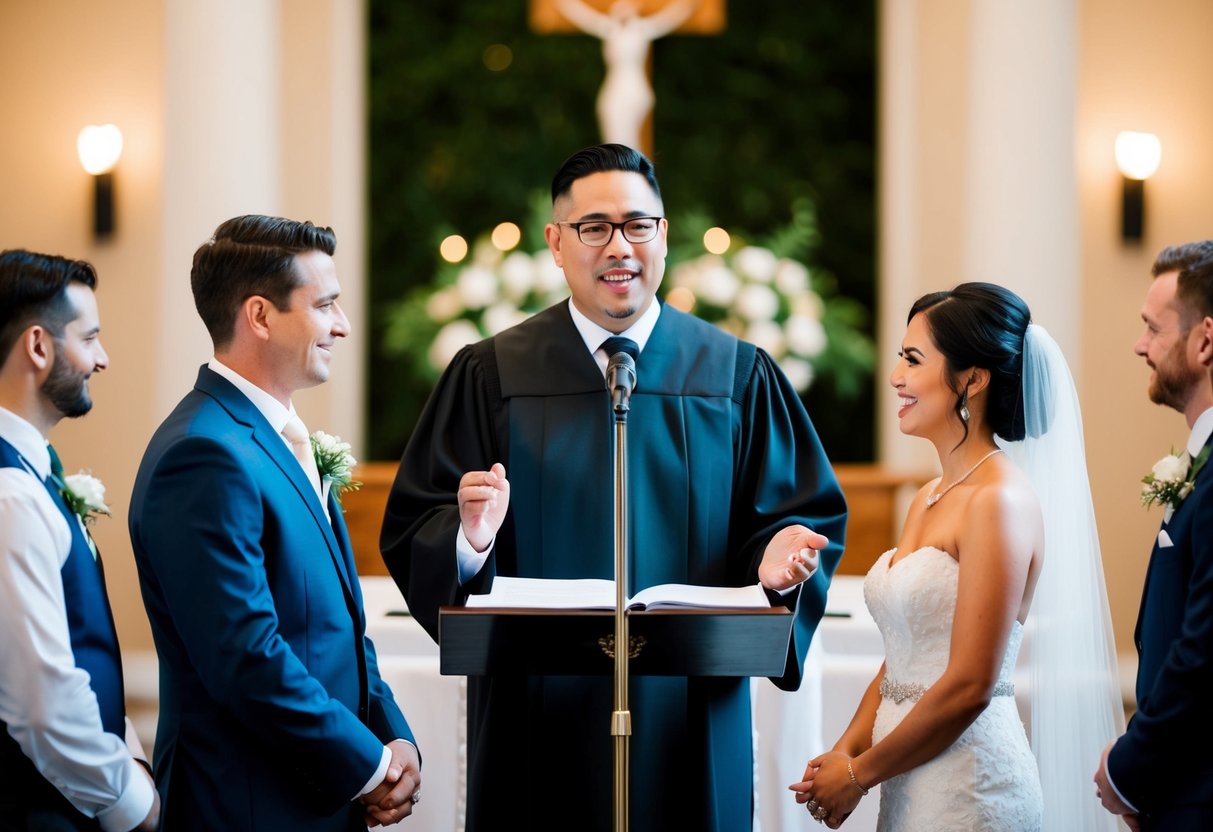
The officiant plays a vital role in your wedding ceremony. This person ensures that everything runs smoothly, fulfilling both legal and emotional aspects of the day. You should feel comfortable with your officiant, as they will guide you and your guests through this memorable event.
Officiant’s Responsibilities
The officiant has several important duties. They must understand local legal requirements, making sure your marriage is valid. This includes signing the marriage license and ensuring it is filed with the proper authorities.
During the ceremony, the officiant will guide the couple and the guests through each part of the process. They lead the ceremony with a script, which may include elements like the invocation, the exchange of vows, and pronouncement of marriage.
It’s essential to discuss your preferences and any specific wording you want in your ceremony script. This helps create a ceremony that feels personal and meaningful to you.
Different Types of Wedding Ceremonies
There are many types of wedding ceremonies, and the officiant plays a key role in each. In a religious wedding ceremony, the officiant often represents a specific faith. They may incorporate traditional rituals and prayers that reflect your beliefs.
For a non-religious wedding ceremony, you have more freedom to customize your vows and ceremony elements. The officiant can craft a script that reflects your personalities and relationship.
Different officiants, like those from American Marriage Ministries, can perform a variety of ceremonies, so consider their background when choosing someone who fits your vision.
Customizing the Ceremony
Customizing your ceremony is an exciting part of the planning process. Your officiant can help you incorporate personal touches. This might include readings, music, or even rituals that are special to you.
You should share your story with the officiant. They can weave personal anecdotes into the ceremony script to make it more intimate. Discuss any themes or ideas that resonate with you, as this will help the officiant create a unique experience.
Remember, the officiant’s goal is to make your wedding ceremony truly yours. Don’t hesitate to express what you want for your special day!
Crafting the Wedding Ceremony Script
Creating a wedding ceremony script is a meaningful task. It involves structuring the ceremony, adding personal touches, and finding inspiration from sample scripts. This allows you to create a special atmosphere that reflects the couple’s love story and values.
Structuring the Ceremony
Start by outlining the main parts of the ceremony. Each section plays a vital role in leading the couple and guests through the day.
- Welcome: Begin with a warm welcome to everyone.
- Readings: Include beautiful readings that resonate with the couple.
- Exchange of Vows: This is the heart of the ceremony where the couple shares their wedding vows.
- Ring Exchange: After the vows, the couple exchanges rings symbolizing their commitment.
Make sure to give clear instructions for each part. This helps everyone understand what to expect and keeps the flow smooth.
Incorporating Personal Touches
A personalized ceremony can make a huge difference. When crafting the script, include anecdotes that are meaningful to the couple.
- Storytelling: Share a brief story about how they met or a special moment they’ve enjoyed together.
- Family Involvement: Involve family members or friends in readings or blessings as a nod to their support.
You might also want to incorporate cultural traditions that are important to the couple. This can make the ceremony feel more authentic and special.
Sample Scripts for Inspiration
Looking at sample wedding scripts can spark ideas for your own ceremony. You can find various styles to suit different preferences, from traditional to modern.
Traditional Ceremony: This often includes established rituals and specific language. It might have sections like an invocation, readings, and the exchange of vows followed by the ring exchange.
Modern Wedding Ceremony Script: This style is more casual and allows for creativity. You can include personal vows, unique rituals, or even humor, making it feel more relaxed and relatable.
For more inspiration, you can explore resources like 40 Sample Wedding Officiant Ceremony Scripts or 8 Wedding Ceremony Scripts to Borrow. These can help guide your crafting process.
The Wedding Day Proceedings
On your wedding day, several important steps take place during the ceremony. Each part plays a role in making the day special and meaningful, from the processional to the recessional. Understanding these elements can help ensure everything goes smoothly.
Processional to Recessional
The day begins with the processional, where you and your bridal party make your entrance. As music plays, guests stand to welcome you. The officiant typically stands at the altar, ready to greet everyone.
Once everyone is in place, you walk down the aisle, often accompanied by a loved one. At the front, you meet your partner, setting the stage for all that follows.
After the vows are exchanged, the ceremony concludes with the recessional. This is when you both walk back down the aisle as a married couple. It’s a moment filled with joy, and often, guests cheer and celebrate.
Key Ceremony Elements
Among the key components of your wedding ceremony are the vows and rings. Writing your vows is a personal task and reflects your unique love. You may choose traditional vows or write your own to express your feelings.
The exchange of rings symbolizes commitment. The officiant usually guides you through this part, reminding you to say something meaningful while you place the ring on each other’s finger.
If you choose to include a unity ceremony, it showcases your bond. Examples include a handfasting ceremony or lighting a unity candle. These acts emphasize the joining of two lives into one.
Special Ceremonial Acts
There are unique traditions you might consider for your ceremony. A handfasting ceremony involves tying hands together, representing unity. It’s an ancient tradition that can be a beautiful addition to your special day.
Other special acts can include a sand ceremony, where you mix colored sand, symbolizing the blending of your lives. Each of these acts provides a memorable touch and personalizes your ceremony.
Incorporating these special elements creates lasting memories as you celebrate your love with family and friends.
Creating Lasting Memories
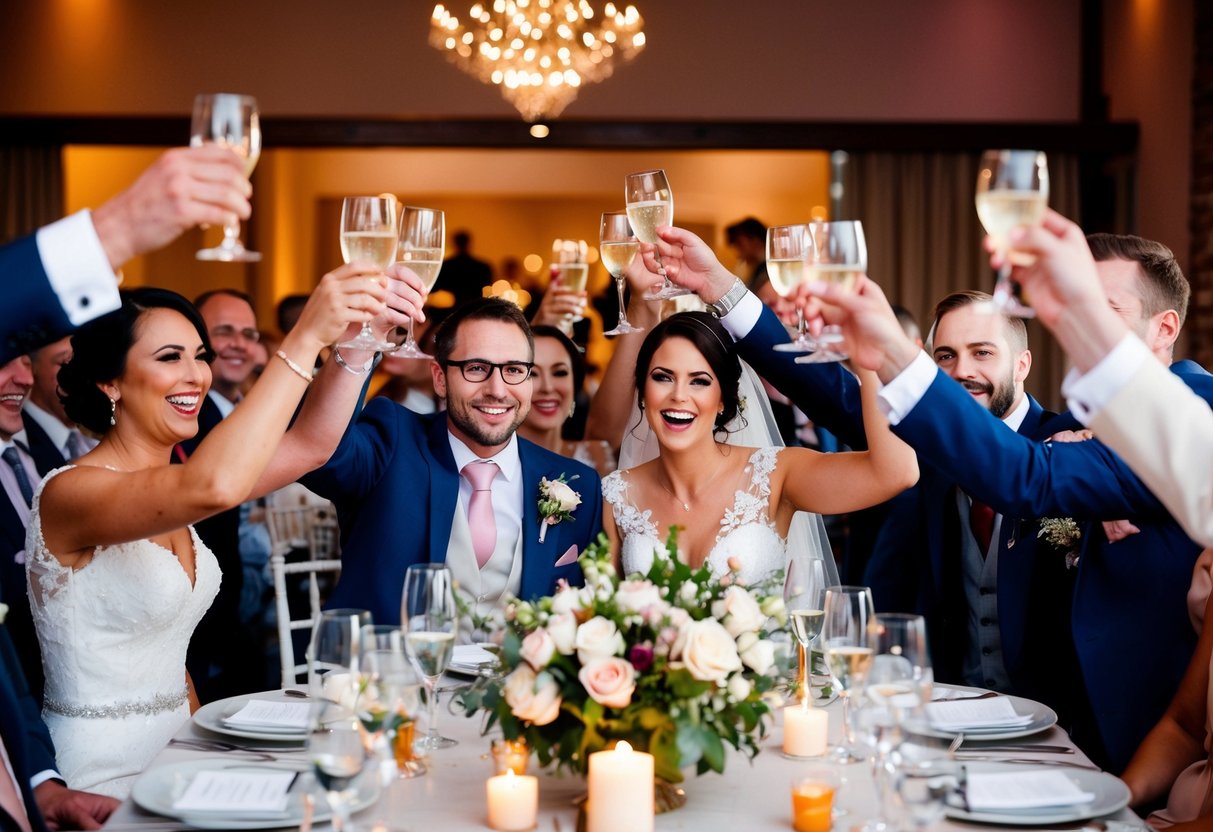
Your wedding ceremony is a chance to create beautiful moments that you and your guests will cherish forever. Celebrants play a key role in crafting these memories through thoughtful words and actions. Let’s explore how they do this.
Memorable Moments through Words
The words spoken during your ceremony can highlight your unique love story. A skilled celebrant captures your journey, sharing personal anecdotes that resonate deeply with everyone present. They weave your experiences into the script, making it engaging and heartfelt.
Consider adding special readings or poems that hold significance for you as a couple. Traditional vows add a layer of emotion, while personalized vows allow for authentic expressions of your feelings. These words create memorable moments that you and your guests will reflect on for years.
Sealing the Commitment
The pronouncement of marriage is a pivotal moment in your ceremony. It is where you and your partner officially commit to each other in front of your loved ones. A celebrant’s delivery of this moment is crucial. They ensure it feels both significant and joyous.
Many couples choose to include rituals that symbolize their union. Handfasting or lighting a unity candle are popular wedding traditions that visually represent the joining of two lives. These rituals make the commitment even more memorable and solidify your vows in a special way.
Post-Ceremony Celebration
Once you say “I do,” the celebration continues! The celebrant often sets the tone for the upcoming wedding celebration. They might offer suggestions for toasting or sharing your first dance, ensuring that transitions feel seamless.
Don’t forget to plan how to capture the memories post-ceremony. Encourage your guests to share their thoughts or experiences in a guest book or through a video message. These small actions contribute to creating a memorable atmosphere that celebrates your love and the beginning of your lives as newlyweds.