
What Do Officiants Say at Weddings? A Guide to Meaningful Ceremony Words
As you prepare for your special day, you might wonder, what do officiants say at weddings? The officiant plays a crucial role in your wedding ceremony, guiding you and your guests through this meaningful event. They set the tone, sharing words about love, commitment, and the joy of uniting two lives.
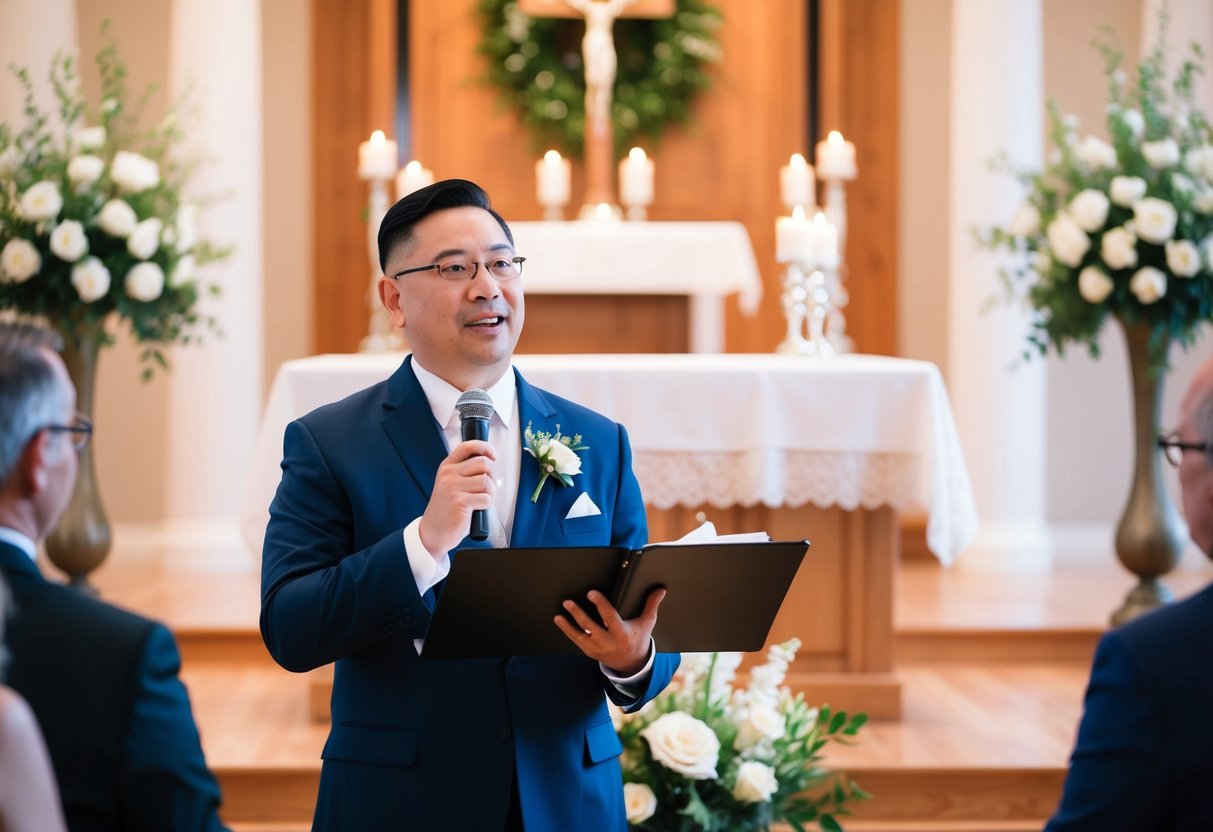
During the ceremony, an officiant typically starts with a warm welcome, followed by a personal message or story about the couple. This part connects everyone present and highlights the love you both share.
They then lead you through the exchange of vows and rings, solidifying your commitment to each other in front of family and friends.
Understanding what your officiant will say can help you feel more prepared and excited for the big day. By planning together, you can choose words that resonate with your vision of love and commitment, making your wedding ceremony uniquely yours.
The Role of a Wedding Officiant
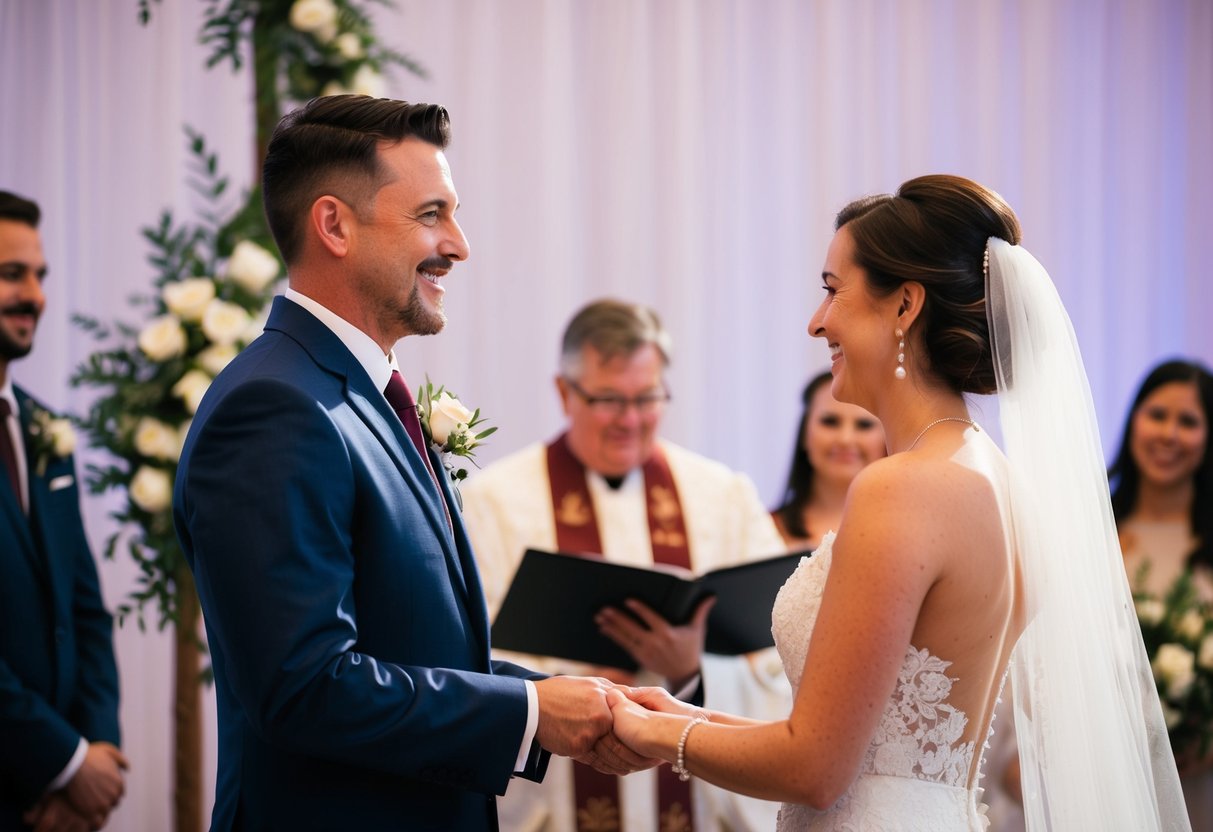
A wedding officiant plays a crucial role in making your special day meaningful and memorable. They are responsible for guiding you through the ceremony, ensuring everything flows smoothly, and adding a personal touch to the vows.
Understanding the Responsibilities
As a wedding officiant, your main job is to lead the wedding ceremony. That includes delivering an officiant speech, which often highlights the couple’s love story.
You may use an officiant script to guide your words, ensuring to include key moments like vows and rings.
For first-time officiants, it’s important to connect with the couple to reflect their beliefs and personalities in the ceremony. Creating a warm atmosphere is important, as it helps everyone feel comfortable and engaged.
Being organized is key, as you’ll need to coordinate with other vendors and the wedding party to ensure everyone knows their roles. This responsibility also means being ready for any surprises that may come up on the big day.
Pre-Ceremony Duties
Before the wedding day arrives, a professional officiant has several important tasks. First, you need to ensure the couple has their marriage license. A wedding won’t be valid without this essential document.
Next, you should meet with the couple to discuss their vision for the ceremony. This includes choosing readings, rituals, and even customizing vows.
If the couple wants to write their vows, you can provide guidance to make them meaningful.
On the wedding day, leading up to the ceremony, you’ll direct the rehearsal. This allows everyone involved to understand their roles and what to expect.
Making sure all participants are comfortable with their duties helps reduce any pre-ceremony jitters.
Wedding Ceremony Structure
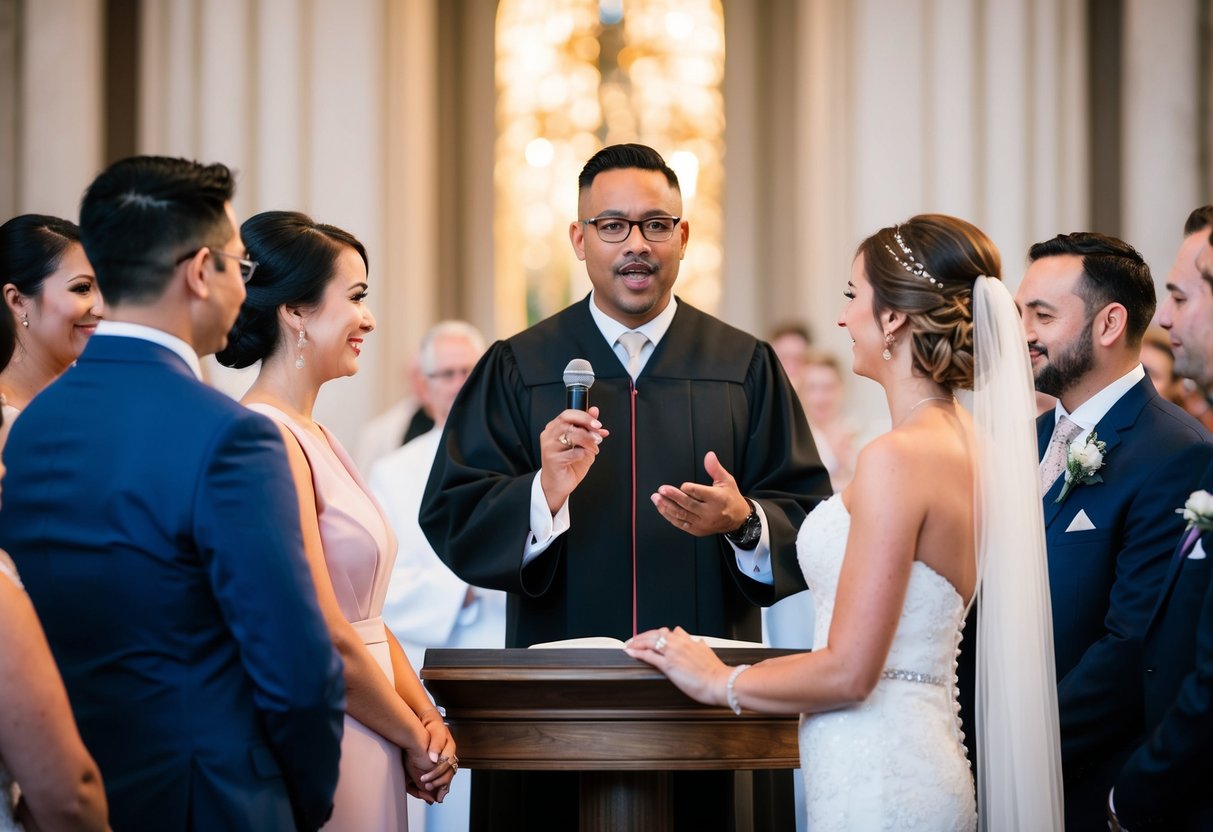
A wedding ceremony has a specific structure that helps guide the officiant and the couple. Each part plays a vital role in making the day memorable and meaningful for everyone involved.
Opening Words and Welcome
The ceremony begins with the officiant’s opening words and welcome. This is your chance to feel the warmth of the moment.
The officiant typically greets the guests and introduces the couple. They may share a brief message about love and marriage, setting the tone for the celebration.
At this time, the officiant might also explain any special elements of the ceremony. This could include cultural rituals or personal touches added by the couple. It’s a warm way to engage the audience and create a sense of community.
Invocation and Declaration of Intent
Next comes the invocation. This part is where the officiant invites everyone to reflect on the significance of the occasion.
It usually involves a meaningful quote or blessing that resonates with the couple’s beliefs.
Following the invocation, the officiant will ask for the couple’s declaration of intent. Here, you’ll affirm your desire to marry one another.
This often involves a question from the officiant, such as, “Do you take this person to be your lawfully wedded spouse?” Your verbal commitment marks a significant step in the ceremony.
Vows and Ring Exchange
Then, it’s time for the vows and ring exchange. The couple typically share their promises to each other during this part.
Your vows express your love and commitment. They can be traditional or personal, depending on what feels right for you.
After the vows, the ring exchange follows naturally. The officiant usually explains the symbolism of the rings, representing love and fidelity.
You place the wedding bands on each other’s fingers as a tangible reminder of the promises you’ve made.
Pronouncement and Recessional
Finally, the officiant pronounces you married. This moment is often marked with joy and celebratory applause from the guests.
The officiant will say something like, “I now pronounce you husband and wife” or “partners for life.”
Following the pronouncement, the recessional takes place. This is when you walk down the aisle together as a married couple.
The officiant often leads you out, and guests applaud and celebrate your new journey. It’s a joyous conclusion to the ceremony, full of smiles and happiness.
Creating a Personal Touch
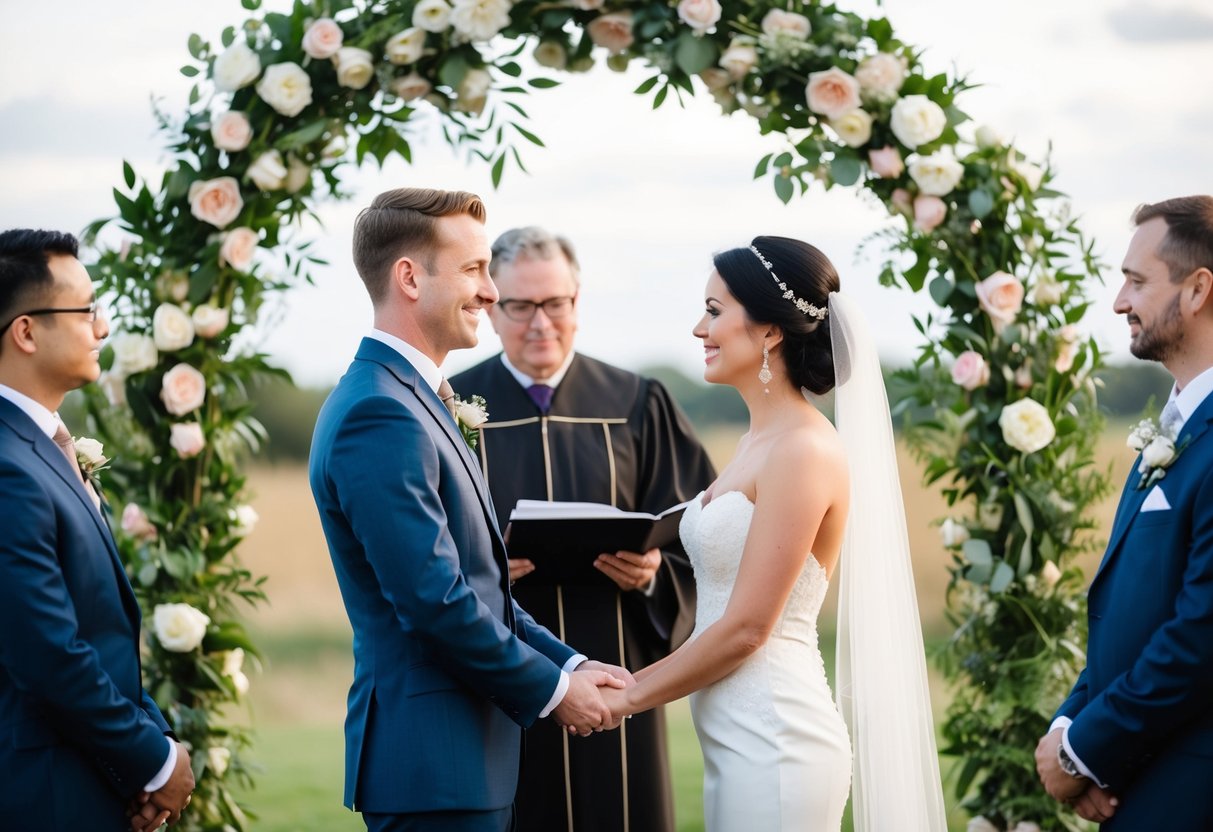
Adding a personal touch to your wedding ceremony makes it truly memorable. You can achieve this by sharing your love stories and beliefs, as well as including special readings or traditions that matter to you.
Incorporating Love Stories
Sharing your love story during the ceremony connects everyone present. You can invite the officiant to summarize how you met, your first date, or a funny moment that captures your relationship.
This personal narrative can be brief or expanded, depending on what you prefer.
Incorporating anecdotes adds warmth. You might want the officiant to mention how you support each other in tough times. This shows your bond and sets a loving tone for the rest of the ceremony.
Tailoring to the Couple’s Beliefs
Your beliefs play a significant role in your wedding ceremony. If you are having a traditional wedding ceremony or a nonreligious wedding ceremony, you can still include elements that reflect your values and ideas.
This could mean opting for traditional wedding vows or modifying them to fit your relationship.
For religious wedding ceremonies, you might want to include prayers or significant readings from your faith. Ensure that these elements resonate with both of you.
This approach creates an atmosphere that feels genuine and unique to your union, leaving a lasting impression.
Special Readings and Traditions
Incorporating special readings or traditions can enhance the personal touch of your ceremony.
You might choose excerpts from your favorite books or poems that symbolize your love. Wedding readings from family or friends can also add emotion and depth to the ceremony.
Consider including meaningful rituals. This could be a unity candle lighting or a sand ceremony, which visually represents your joining together.
Each of these elements showcases your journey and celebrates your commitment. These thoughtful additions can create memorable ceremonies that bring everyone together in delight.
Guidance for Writing a Wedding Officiant Script
Creating a wedding officiant script is a special task that sets the tone for the ceremony. It’s essential to choose words that resonate with the couple and their vision for the day. Here are some tips to guide you through the process.
Choosing the Right Words
When crafting your officiant script, think about the couple’s relationship and story. Use words that connect with their love story.
If they have a favorite poem or quote, consider including it.
Traditional scripts often follow a specific format, while modern ones can be more personalized. Balance heartfelt language with light, fun moments.
Start with an introduction, then share a brief story about the couple. You might mention their first date or a special memory. This is a great way to engage guests and set a warm tone for the ceremony.
Assisting in Vow Writing
Helping the couple with vow writing can enhance their experience. You should encourage them to express their true feelings. If they need guidance, suggest using a vow writing coach.
Offer templates or examples of traditional vows as starting points. For modern scripts, invite them to create vows that reflect their unique bond.
Remind them to keep it simple and genuine. Closing words should be powerful and meaningful, capturing the essence of their promises. A heartfelt “I do” can leave a lasting impression on everyone present.