
What Do the Bride’s Family and Groom’s Family Pay For? A Wedding Cost Breakdown
Planning a wedding often leads to questions about who pays for what. Traditionally, the bride’s family covers most of the wedding costs, while the groom’s family is responsible for specific expenses like the personal flowers. Knowing these traditions can help you navigate the financial responsibilities without stress.

Understanding what each family typically pays for can make the planning process smoother. As customs change, it’s important to communicate openly with both families to set clear expectations.
Whether it’s the venue, photography, or catering, each family may have different roles in funding the celebration.
By learning about these traditional payment roles, you can create a budget that works for everyone involved. This will help ensure that no one feels overwhelmed or left out, allowing you to focus on what truly matters—celebrating your love.
Understanding Wedding Financial Responsibilities
When planning a wedding, knowing who pays for what can ease stress and help manage the budget. Both the bride’s and groom’s families usually have roles in covering expenses, and understanding these can clarify financial responsibilities.
Wedding Budget and Expenses
Creating a wedding budget is the first step in managing expenses. Start by listing all potential costs, such as:
- Venue rental
- Catering
- Photography
- Decorations
- Attire
Traditional expectations often dictate that the bride’s family covers the majority of these costs. This includes the ceremony and reception, while the groom’s family typically may handle the groom’s attire, personal flowers, and sometimes the rehearsal dinner.
Understanding these financial roles helps you navigate discussions about payments and can guide decisions about where to cut costs if needed.
It’s important to communicate openly to avoid misunderstandings about who is responsible for which expenses.
Traditional Wedding Etiquette
Traditionally, wedding costs have often fallen to specific families. The bride’s family usually shoulders the bulk of the financial burden. This may include:
- The ceremony venue
- Reception site
- Flowers and decorations
The groom’s family often takes care of expenses like transportation, alcohol, and the rehearsal dinner. It is essential to be aware of these customs, but many couples today are willing to adapt them to fit their needs and financial situations.
Consider discussing who is comfortable with what contributions. Each wedding is unique, and a clear agreement can prevent conflicts during planning.
Financial Responsibility in Modern Weddings
Today’s wedding financing is more flexible. Many couples opt to share costs or manage their own budgets. You might find that both families contribute or that the couple themselves finance the wedding.
This contemporary approach allows for more creativity and personal touches. Budgets can also reflect your unique style instead of solely following tradition.
Make sure to have honest conversations with both families about contributions. This avoids surprises later on and allows everyone to feel involved and appreciated in planning your special day.
Contributions of the Bride’s Family
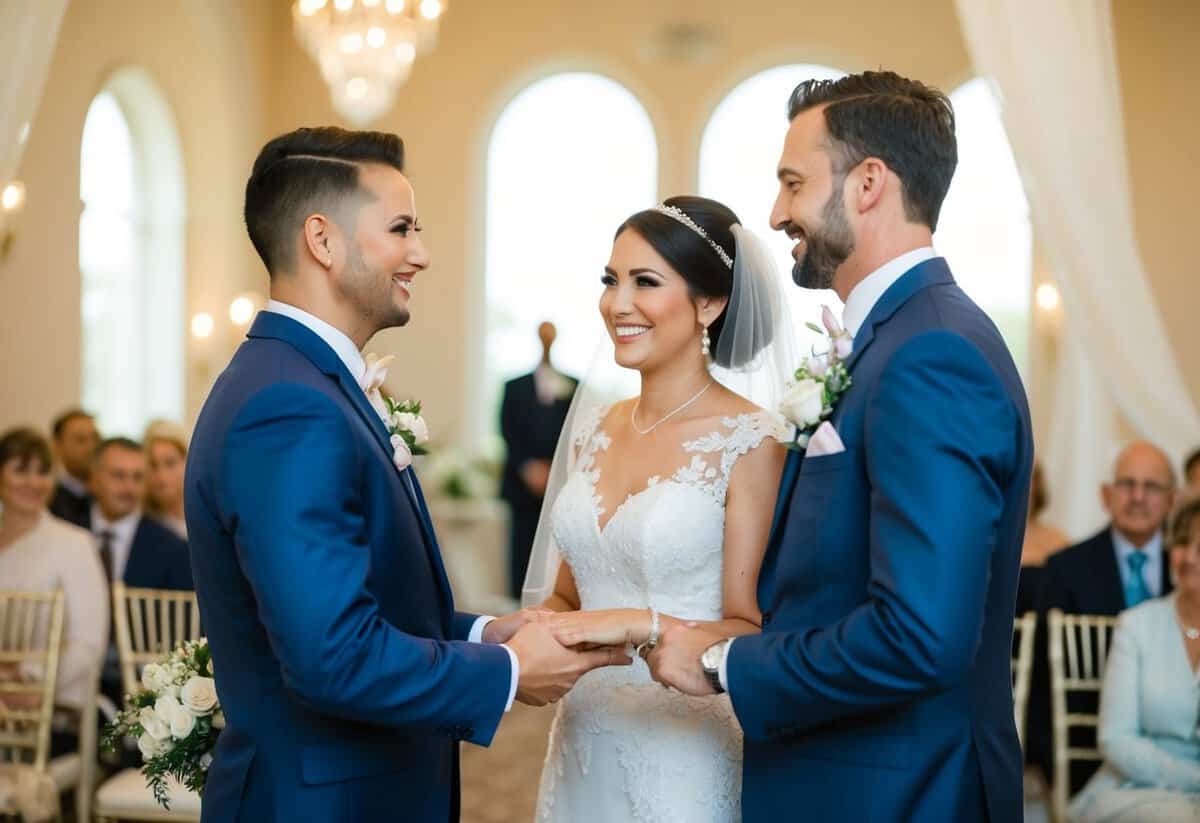
The bride’s family often plays a significant role in funding various wedding expenses. These contributions cover essential aspects of the celebration, including ceremony, attire, and wedding planning.
Ceremony and Reception Costs
Your family typically handles major ceremony and reception expenses. This includes the venue rental, which can vary in price based on location and popularity.
They also cover costs for the wedding cake, ensuring it reflects your style and preferences.
Other essential elements include flowers. Expect them to pay for floral arrangements, like bouquets and centerpieces. Additionally, your family might arrange for the wedding photographer and videographer to capture those special moments.
These costs can add up quickly, so it’s important to discuss budgeting early on.
Attire and Beauty
Your bridal attire is often a major focus. The bride’s family usually pays for the wedding dress. This expense can range from affordable to high-end designer options.
Accessories, like the veil and shoes, are also included in this category.
Don’t forget about the wedding rings; this is traditionally a significant expense. Your family may also help cover beauty services, including makeup and hair styling for the big day.
Having a well-planned attire budget can help you make the best choices without financial stress.
Wedding Planning and Coordination
When it comes to planning your wedding, your family plays a key role. They might hire a wedding planner to help coordinate the details. A skilled planner can make the process smoother and more enjoyable.
Your family may also oversee the invitation design and distribution, ensuring that all guests are invited on time.
Photographers can be pricey, but your family might cover their fees, recognizing the value of capturing memories.
Including these costs in your budget from the start can help you organize your expenses effectively.
Contributions of the Groom’s Family
The groom’s family plays an important role in wedding planning, especially when it comes to covering specific expenses. Their contributions often include hosting the rehearsal dinner, paying for the groom’s attire, and handling various miscellaneous expenses.
Rehearsal Dinner and Special Gatherings
Traditionally, the groom’s family is responsible for the rehearsal dinner. This meal often takes place the night before the wedding, gathering family and friends to celebrate.
You can expect to plan a cozy dinner at a local restaurant or even host it at home. It’s a chance to bond with both families before the big day. Additionally, they might contribute to other special gatherings, like brunch the next day.
These events create lasting memories, so consider thoughtful touches like personalized invitations or a small toast to honor everyone involved.
Groom’s Attire and Accessories
The costs for the groom’s attire typically fall on the groom’s family, covering the suit, dress shirt, shoes, and accessories. This includes the groom’s ring as well, which should complement the bride’s ring nicely.
It’s important to choose attire that reflects both your style and the wedding’s theme. Look into rental options or suit purchases that fit your budget. Accessories like ties and cufflinks can be selected to add personal flair.
By paying for these items, the groom’s family helps create a polished look for the groom. It’s one way they support the couple on their special day.
Miscellaneous Expenses
The groom’s family may also handle various miscellaneous expenses related to the wedding. This often includes gifts for the groomsmen, which can range from personalized items to practical accessories.
Additionally, they might contribute to reception costs, like alcohol. If you plan to serve drinks at the reception, this is something to discuss with your family.
Some families may also choose to assist with honeymoon expenses, helping the couple start their new life together. Be open about your needs and preferences to ensure everything runs smoothly.
Shared or Variable Expenses
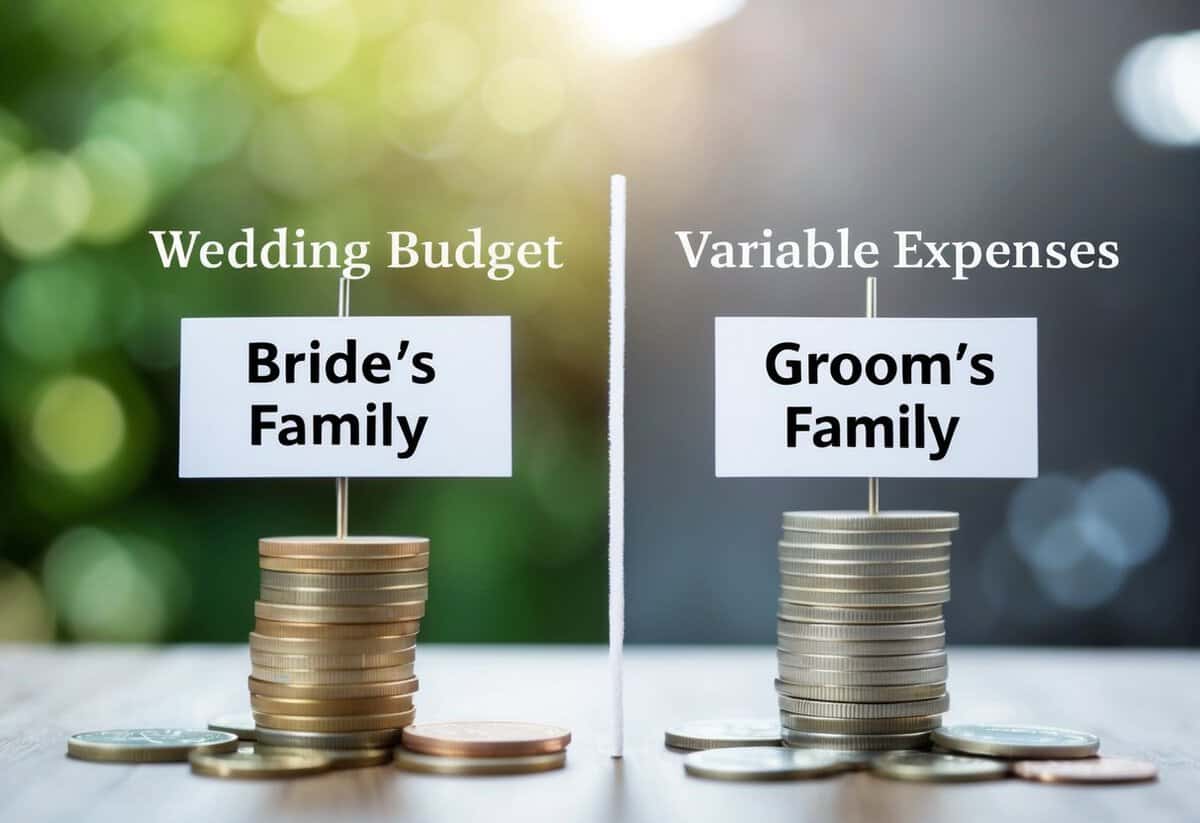
When planning a wedding, some costs can vary between families or be shared. Understanding these expenses helps keep everything organized and clear. Let’s break down some key areas where costs may overlap.
Marriage License and Officiant’s Fee
The marriage license is a necessary expense for your wedding. Typically, you will pay for the license together, but it may vary based on your preferences.
The officiant’s fee is another shared cost. Whether you choose a religious leader or a civil officiant, this fee can range from affordable to higher end. Often, this includes the ceremony, any required meetings, and sometimes even a rehearsal. Make sure you discuss who covers these costs in advance to avoid surprises later.
Wedding Rings and Personal Flowers
Wedding rings are an important part of your big day. Traditionally, the groom buys the bride’s engagement ring, while both partners may share costs for wedding bands. Sit down together to discuss your budget and style preferences to find what works for you.
Personal flowers, like bouquets and boutonnieres, are also key expenses. Often, families share the costs here. Knowing what flowers each partner wants can help you build a balanced budget. Sharing these items can minimize stress as the wedding date approaches.
Post-Wedding Events and Transportation
Post-wedding events like brunches and parties can come with their own costs. Engagement parties, bridal showers, and bachelorette parties often have shared expenses among family and friends. Decide in advance who will handle the expenses. Doing so helps keep things simple.
Transportation, such as a getaway car after the ceremony, may also be jointly funded. Discuss what you both envision for your big day and how much each family can contribute. This will ensure everyone is on the same page.