
What Do the Brides’ Parents Pay for at a Wedding? A Helpful Guide for Families
When planning a wedding, many people wonder about the roles different families play in covering costs. Traditionally, the bride’s family pays for several key expenses, including the wedding ceremony, reception, and the wedding cake. However, modern couples often choose to share these financial responsibilities, making it important to understand who typically pays for what.
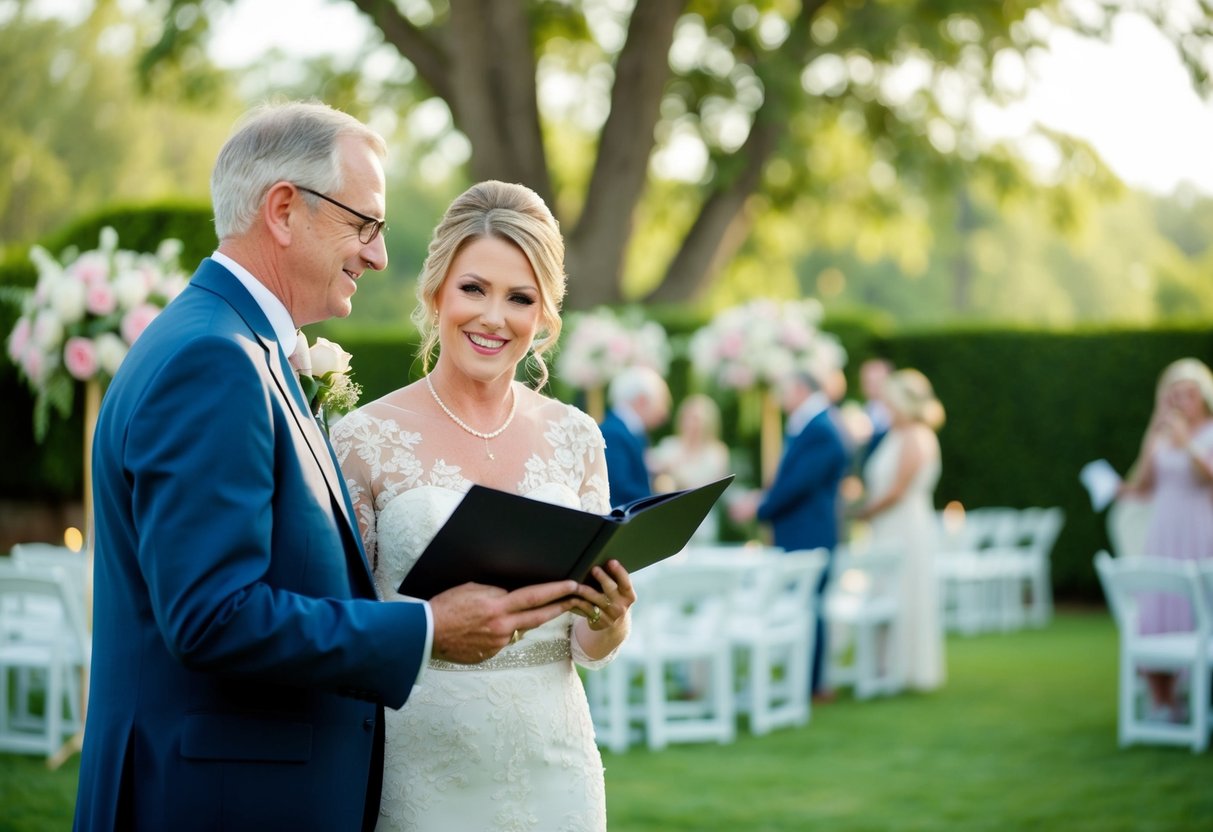
Knowing what the bride’s parents usually cover can help you set a clear wedding budget. In addition to the big expenses, they may also host events like the engagement party and bridal shower. Understanding these details can ease some stress and create a smoother planning process for everyone involved.
As you navigate wedding planning, consider how traditional etiquette balances with modern expectations. Discussing financial responsibilities openly with both families can lead to a more enjoyable experience and ensure that everyone feels included in the celebration.
Pre-Wedding Responsibilities
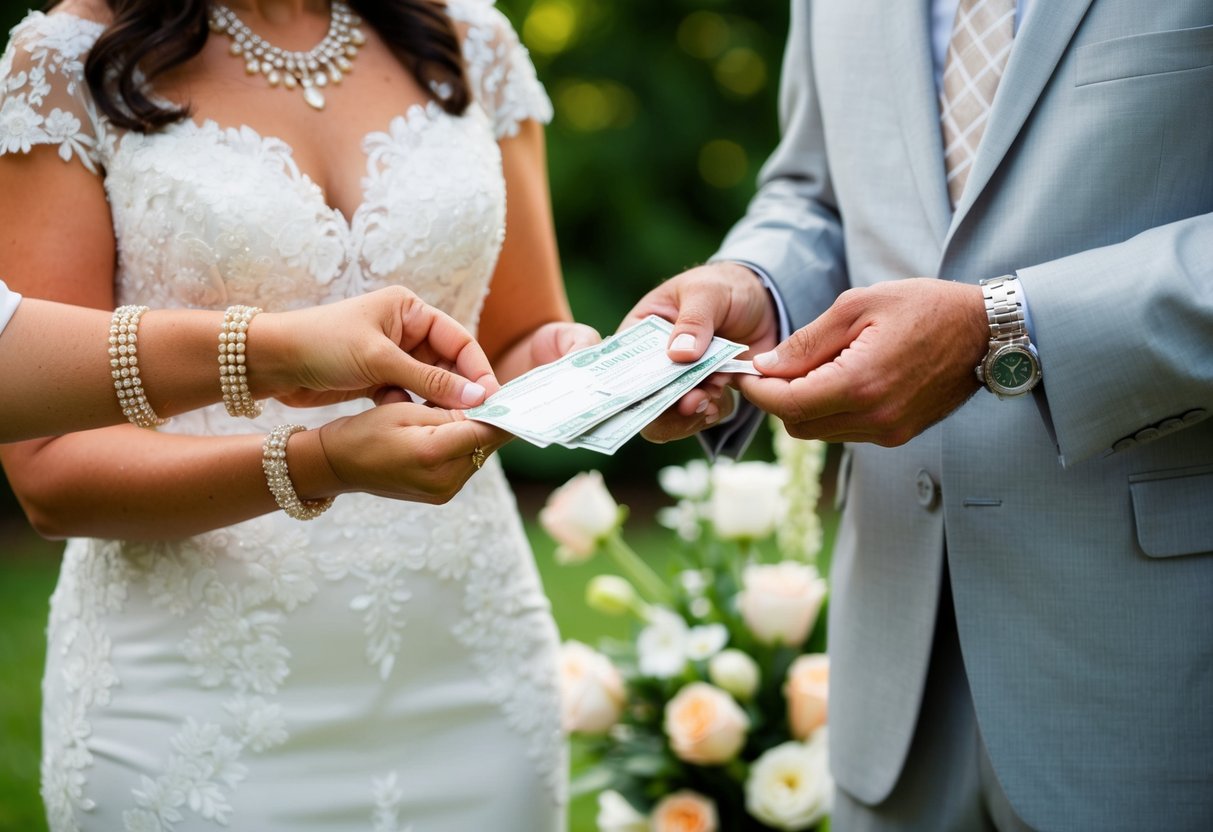
Before the big day arrives, there are several key responsibilities that fall on the bride’s parents. These tasks help set the tone for the wedding and create lasting memories for the couple.
Engagement Party Costs
The engagement party is often one of the first celebrations in the wedding journey. Traditionally, the bride’s parents cover most of the costs for this event. This can include venue rental, food, drinks, and decorations.
It’s a chance for family and friends to come together and celebrate the couple. To keep it budget-friendly, you might consider hosting it at home.
Don’t forget to include personal touches. Customized invitations or themed decorations can make the celebration more memorable. Also, you might want to discuss the guest list with your child to ensure it reflects their wishes.
Tackling the Invitations
When it comes to wedding invitations, the bride’s parents usually share in the responsibility. While the bride and groom ultimately decide on the design and wording, costs often fall to the bride’s family.
This includes purchasing the stationery and printing costs. Consider going for elegant designs that match the wedding theme. Many couples today prefer online invitations as a cost-effective and eco-friendly option.
Don’t forget to keep track of the RSVP. This helps with planning seating arrangements and catering. Having a well-organized invitation process makes a big difference in setting the right tone for the wedding.
The Bridal Shower
The bridal shower is another event often hosted by the bride’s parents. This celebration focuses on showering the bride with love and gifts before the wedding day. The costs usually include food, drinks, decorations, and possibly a venue.
You’ll want to plan fun activities and games that reflect the bride’s personality. Think about a theme that resonates with her interests. You can also involve close friends or family members to help share responsibilities.
Sending out invitations well in advance helps ensure good attendance. A thoughtful approach to planning this event can create joyous memories for both the bride and her guests.
The Wedding Attire and Styling
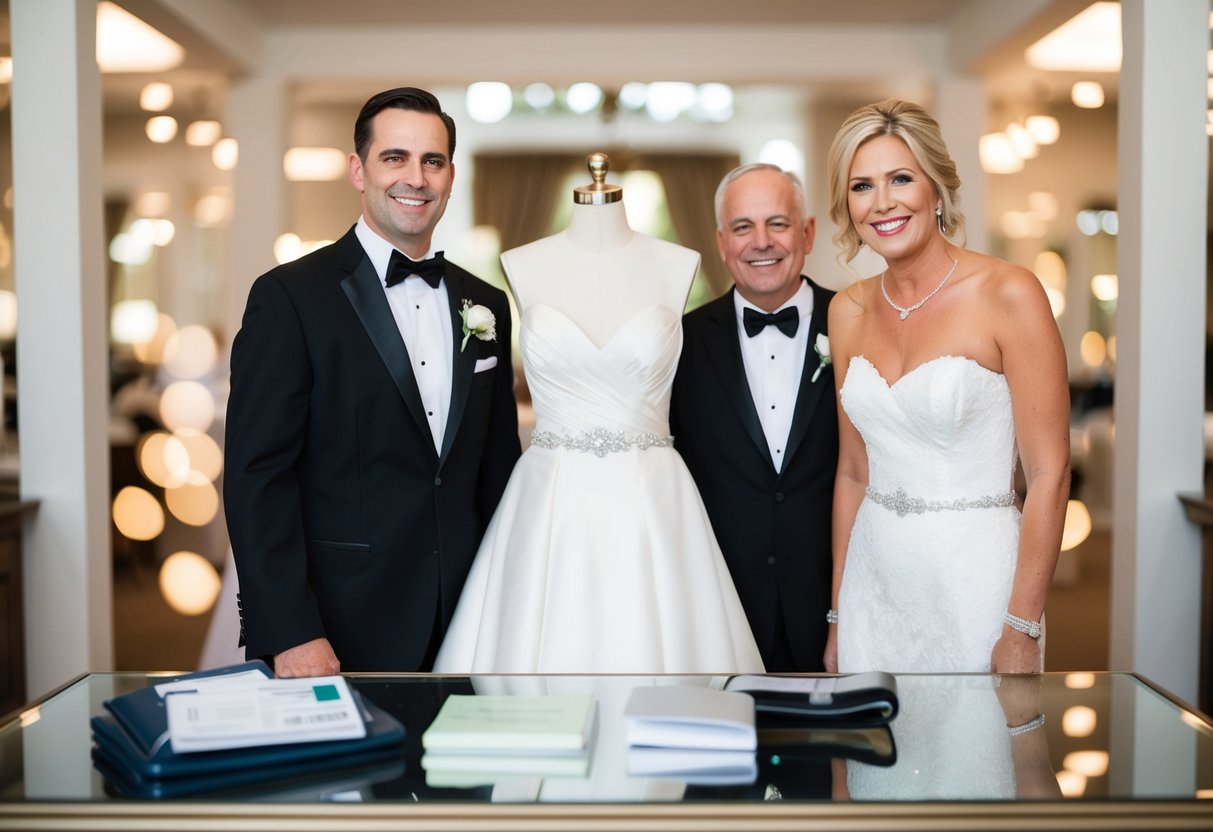
When planning the wedding, attire and styling are crucial elements that can make the day truly special. From choosing the perfect wedding dress to finalizing the hair and makeup, each detail matters. The bride’s bouquet also adds a personal touch, complementing the overall look.
Choosing the Wedding Dress
Selecting the wedding dress is one of the most exciting parts of wedding planning. Start by figuring out your budget, as wedding gowns can vary greatly in price. It’s essential to try on various styles, whether it’s a classic ball gown or a sleek mermaid dress, to find what flatters you best.
Consider factors like the venue, season, and your personal style. Don’t forget about the accessories too. Choosing the right veil, jewelry, and even your wedding rings will enhance your look. Remember, your comfort is key. You want to feel beautiful and relaxed as you walk down the aisle.
Finalizing Hair and Makeup
Hair and makeup play a significant role in how you feel on your wedding day. Start by scheduling trial sessions with a professional stylist to see what looks suit you best. Consider your wedding theme when choosing your hairstyle; romantic updos or flowing curls can both work beautifully.
For makeup, decide if you want a natural look or something more glamorous. Bring inspiration photos to your trials to help communicate your vision. It’s also essential to consider how your makeup will hold up throughout the day. Setting sprays and touch-up kits are helpful for a flawless look from the ceremony to the reception.
The Bride’s Bouquet
The bride’s bouquet adds elegance and a personal flair to your wedding attire. Choose flowers that complement your dress and theme. Popular options include roses, peonies, and lilies, but don’t hesitate to include unique blooms that reflect your personality.
Size and shape are also important; consider a cascading bouquet for a dramatic effect or a smaller, round bouquet for a classic style. Work with your florist to plan an arrangement that fits your vision and budget. The bouquet can also be a sentimental piece if you include family heirlooms or specific colors that are meaningful to you.
Wedding Day Details
When planning a wedding, understanding who covers the costs for various details can help ease financial stress. Here’s a closer look at what the bride’s parents traditionally pay for regarding the ceremony, reception, and transportation.
Ceremony Expenses
The bride’s parents typically handle the expenses for the wedding ceremony. This includes costs associated with the venue if it is rented.
They often pay for essential elements like wedding flowers for decoration and the officiant’s fee. Dress and accessory costs for the bride are also covered. This ensures the ceremony is beautiful and personally meaningful.
Additional costs might include wedding programs and any necessary licenses. Paying for these items can reduce the couple’s worries, allowing them to focus more on the day itself.
Reception Arrangements
For the reception, the bride’s family generally covers various expenses to create a memorable experience. This includes renting the reception venue, which can be a significant cost.
They also pay for catering, which typically involves food and drinks for all guests. Don’t forget about the wedding cake, a spotlight feature at any reception. The bride’s family is usually responsible for handling the cake’s design and cost.
Other details like tables, chairs, and decorations also fall under their responsibilities. This overall support helps create the perfect backdrop for the celebration.
Transportation and Accommodations
Transportation plays an important role in wedding planning. The bride’s parents traditionally handle costs for the wedding party’s transportation to the ceremony and reception.
This includes hiring a limousine or larger vehicle for comfort and style. Additionally, they may also arrange and pay for a getaway car for the couple after the reception.
If guests are traveling from out of town, the bride’s family sometimes arranges for accommodations, ensuring loved ones are comfortable and have a place to stay. This thoughtfulness can make a big difference for everyone involved on the wedding day.
Post-Ceremonial Contributions
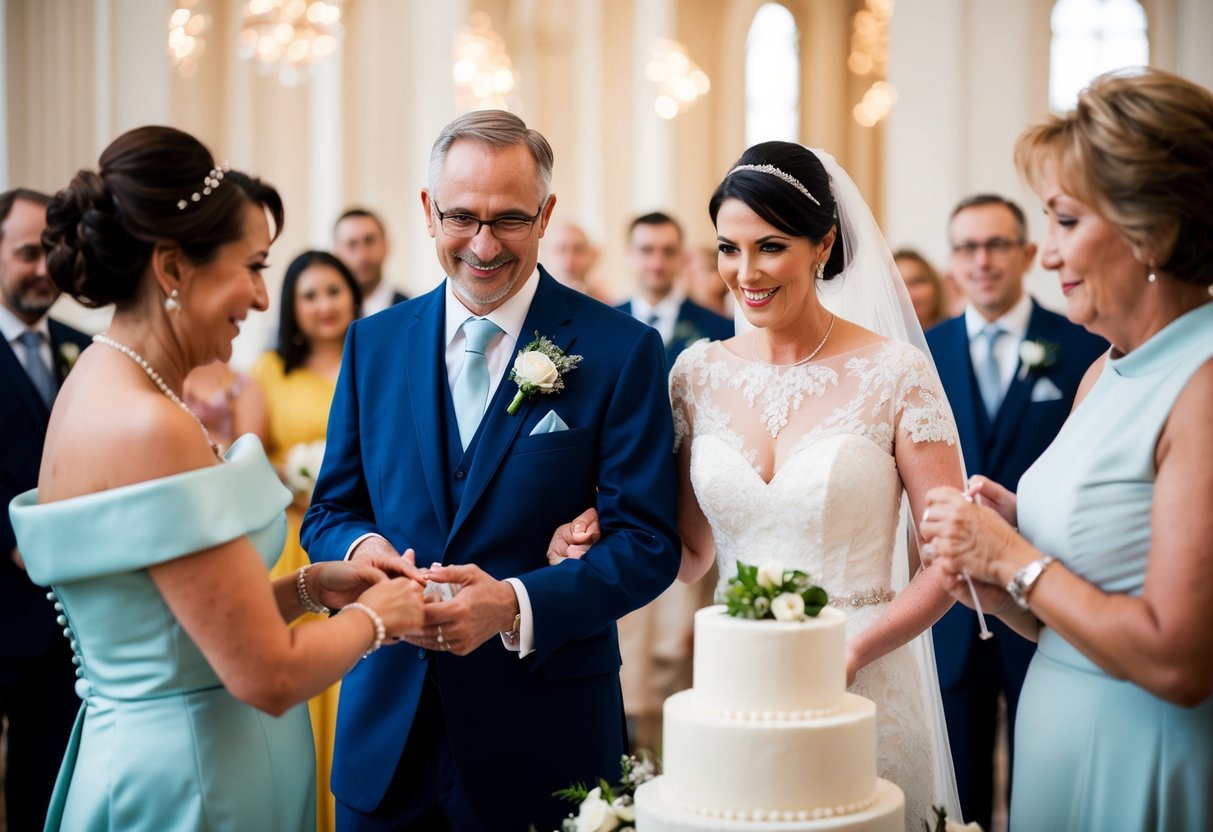
After the actual wedding ceremony, there are certain events and tasks where the bride’s parents often take a lead. These contributions can enhance the experience for everyone involved and create lasting memories.
Hosting the Rehearsal Dinner
The rehearsal dinner is usually hosted by the bride’s parents. This event takes place the night before the wedding and provides an opportunity for families and friends to gather.
Costs for the rehearsal dinner can vary widely. You might find that a simple meal at home is more affordable than a dinner at a fancy restaurant.
Typical expenses include catering, venue rental, and any decorations. It’s important to plan ahead so everyone feels welcome.
You may also want to consider special touches, like a toast or a small gift for the wedding party. These thoughtful details can make the dinner a memorable occasion.
Managing Photography and Videography
The bride’s family traditionally covers certain photography and videography costs, but you have options. The bride’s parents might pay for the wedding photographer, who captures those important moments.
This could also extend to engagement shoots or the rehearsal dinner photography.
Some couples choose to include videography to record the ceremony and reception. This allows you to relive the day through highlights or a full-length video.
Costs can vary greatly based on the team you hire. It’s wise to research local photographers and videographers, read reviews, and ask for quotes. This helps ensure you find a professional who fits your style and budget.