
What Do the Bride’s Parents Pay For? A Guide to Wedding Expenses
Planning a wedding can be exciting but also overwhelming, especially when it comes to understanding who pays for what. Traditionally, the bride’s parents are responsible for several key expenses related to the wedding. This can include everything from the venue and the catering to the wedding dress and flowers.
Knowing what costs fall on the bride’s family can help you create a more effective wedding budget.
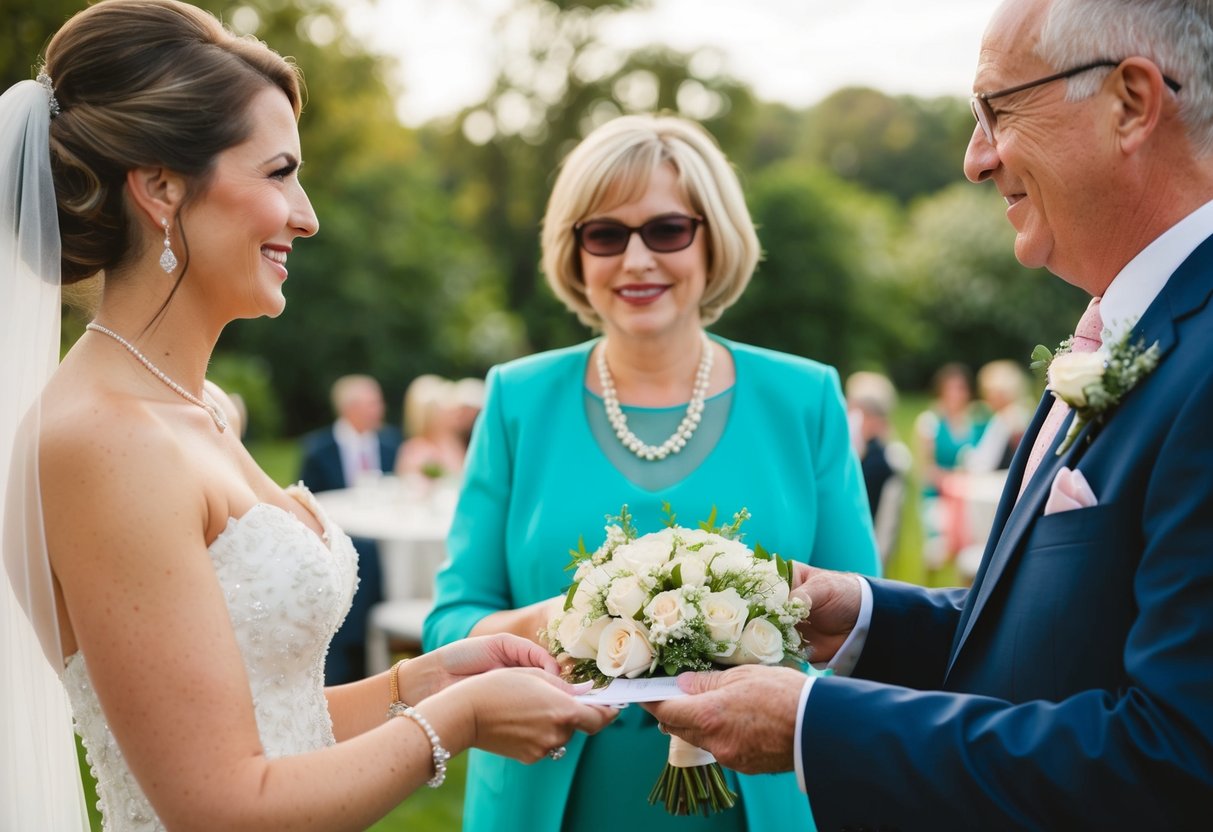
Many modern couples share these financial responsibilities, but the bride’s family typically covers the bulk of the expenses. The groom’s family might also contribute, making it essential to discuss financial contributions early on. This collaboration can lead to a clearer understanding of the wedding planning process.
Understanding the financial responsibilities of the bride’s parents helps you navigate the many aspects of wedding planning. It’s important to have open conversations about your budgets and expectations so that everyone feels comfortable with their roles.
With this knowledge, you can create a beautiful celebration that honors both families.
Understanding Financial Responsibilities
When planning a wedding, understanding who pays for what is important. Traditionally, the bride’s family covers many expenses. This includes:
- Venue and reception costs
- Wedding attire and accessories
- Decorations and flowers
- Photography and videography
- Invitations and stationery
The groom’s family might help with specific costs, such as the rehearsal dinner. They may also cover the cost of the wedding rings.
More couples today choose to share financial responsibilities. This reflects a shift toward financial independence. Discussing your budget openly can make planning easier.
Don’t forget to communicate with family members. Each family might have different customs or expectations. Being clear about costs can help avoid misunderstandings.
You might also consider alternative funding ideas. For example, a crowdfunding approach could involve friends and family contributing to specific elements. This can create a more personal touch for your big day.
The Key Expenses Covered by the Bride’s Parents
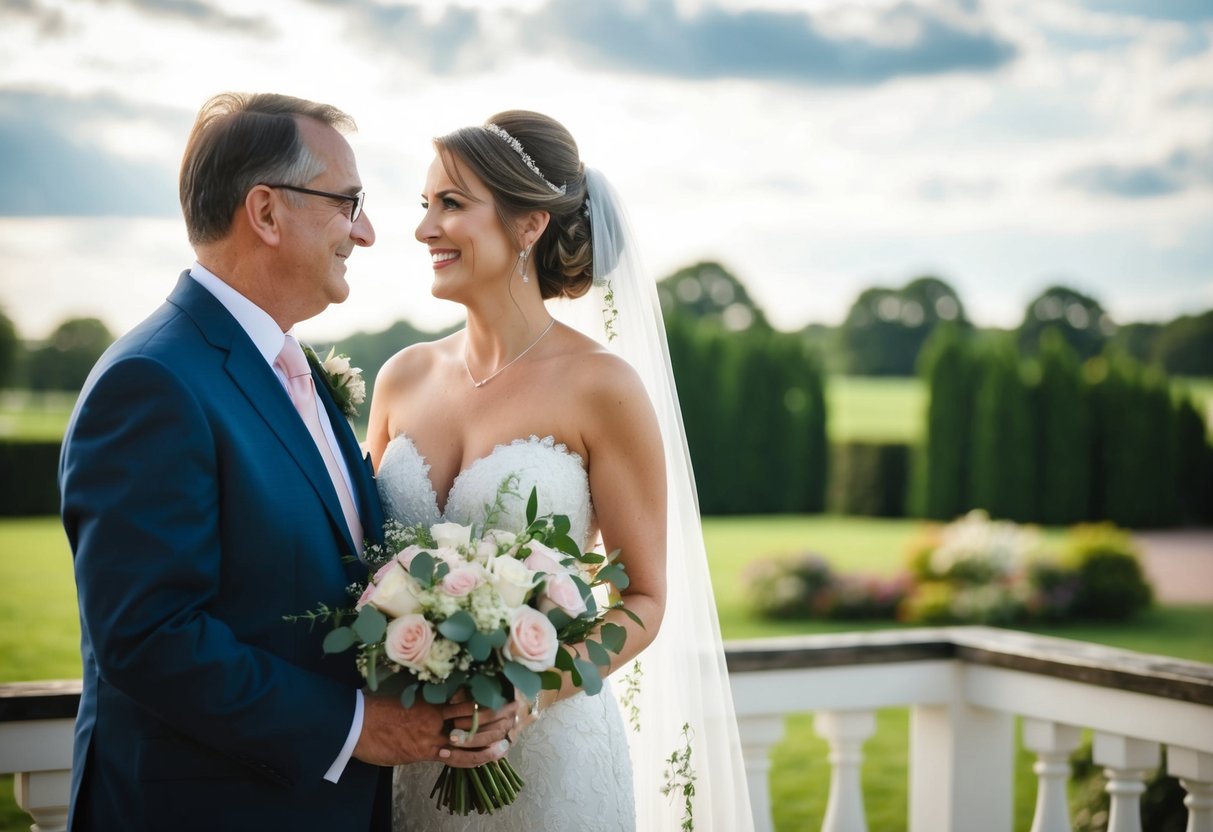
When it comes to wedding planning, the bride’s parents often take on several important costs. These can include everything from finding the perfect venue to covering the bride’s attire and beauty needs. Here are the main expenses typically handled by the bride’s family.
Wedding Venue and Catering
One of the biggest expenditures is the wedding venue. This includes renting a space for both the ceremony and the reception. The venue can range from a grand ballroom to a picturesque outdoor garden.
Catering is another major cost. The bride’s parents usually pay for the meals and drinks served at the reception. This could involve a sit-down dinner, buffet, or even a cocktail-style gathering. The choice you make here often reflects your personal style and budget.
Bride’s Attire and Beauty
The bride’s attire is often covered by her parents. This includes the wedding dress, veil, and any accessories like shoes or jewelry. Wedding dress costs can vary widely.
In addition to the dress, beauty services such as hair and makeup are commonly included. Many brides choose to have a professional stylist for their special day. Coordinating these details can help the bride look and feel her best on her wedding day.
Floral Arrangements and Decor
Floral arrangements are another key expense that typically falls to the bride’s family. This involves flowers for the ceremony, reception, and even bouquets for the bride and bridesmaids. The type of flowers you choose can greatly affect the atmosphere of the event.
Decorations also play a vital role in the wedding’s overall look. This can include centerpieces for tables, lighting design, and other aesthetic elements. Investing in quality decor can transform a venue and create a memorable setting for guests.
Photography and Videography
Capturing the day through photos and videos is essential. The bride’s family typically covers the costs associated with hiring a photographer and videographer. This ensures that all the special moments, from the ceremony to the reception, are documented.
Working with professionals can lead to high-quality results that you’ll cherish for years. You’ll want to select styles and packages that match your vision, whether it’s candid shots or formal portraits.
Engagement Party and Bridal Shower
An engagement party is often the first celebration in the wedding journey. Traditionally, the bride’s parents host this event, covering the costs of food, drinks, and decorations. It is a great way to introduce families and friends.
The bridal shower is another event that is generally funded by the bride’s family. This gathering is usually more intimate and focuses on celebrating the bride with gifts and games. The expenses can include venue rental, catering, and other supplies essential for making the day special.
Pre-Wedding Events and Rehearsal Dinner
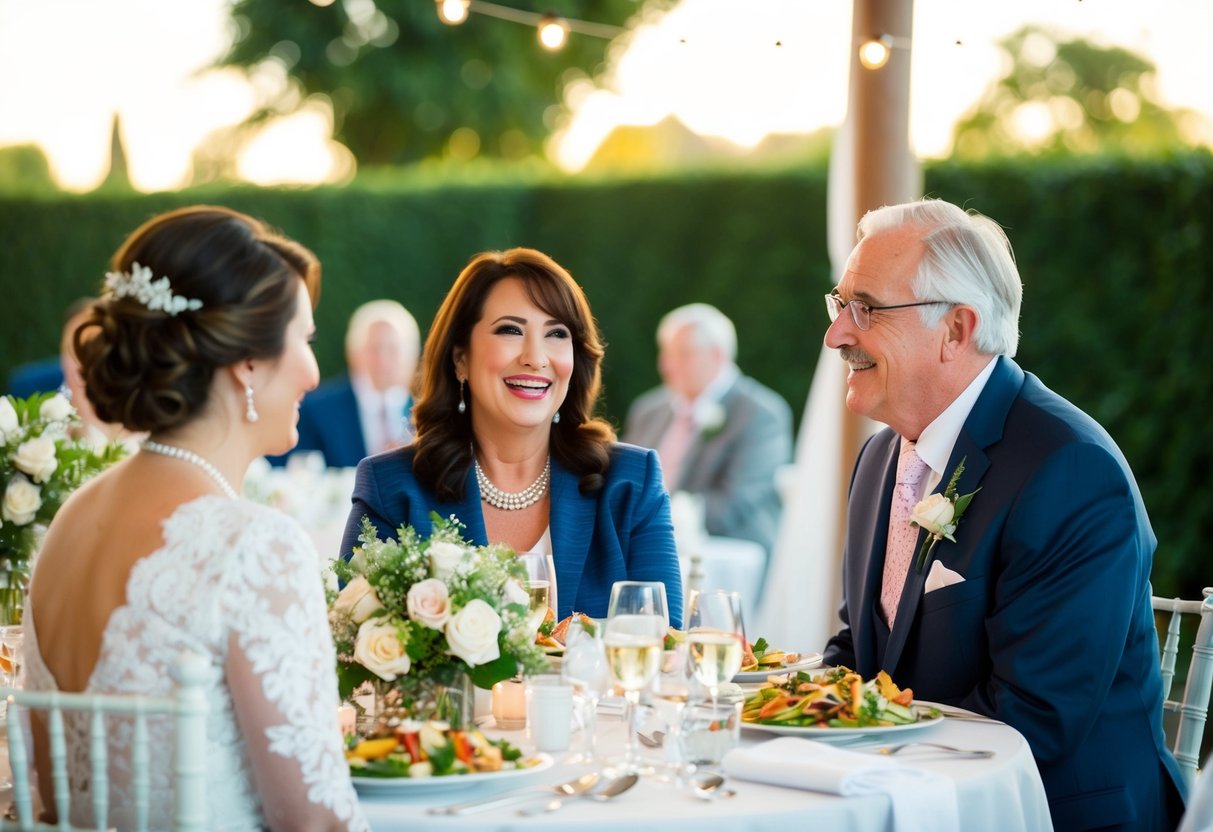
Planning pre-wedding events is an important part of your wedding journey. These gatherings, particularly the rehearsal dinner, set the stage for your big day and help everyone feel connected.
Costs and Planning of Pre-Wedding Parties
When it comes to pre-wedding parties, costs can vary widely. Traditionally, the bride’s parents help with expenses for events like engagement parties or bridal showers. In many cases, these events are a chance for friends and family to celebrate your upcoming marriage.
You can choose to set a budget that fits your needs. Consider creating a list of all possible expenses, including venue, food, decorations, and entertainment.
It’s also common for close friends or family members to chip in or help with planning. Working with others can ease costs and create a fun environment for everyone. Be open to group celebrations like joint showers or combined events with other couples to keep things budget-friendly.
Rehearsal Dinner and Guest Hospitality
The rehearsal dinner is a special moment for you and your loved ones. It’s typically held the night before the wedding and serves as a chance to relax and bond before the big day.
Traditionally, the groom’s parents cover the costs, but these days, many couples share expenses or choose to pay themselves. Costs can include catering, drinks, and even guest transportation if the venue is far.
It’s thoughtful to consider guest hospitality. You can plan a menu that includes something for everyone. Paying attention to dietary restrictions shows you care.
If you want to create a memorable experience, think about adding a personal touch, such as sharing stories or toasts. This is a wonderful way to connect with your guests before the wedding.
Ancillary Costs and Final Touches
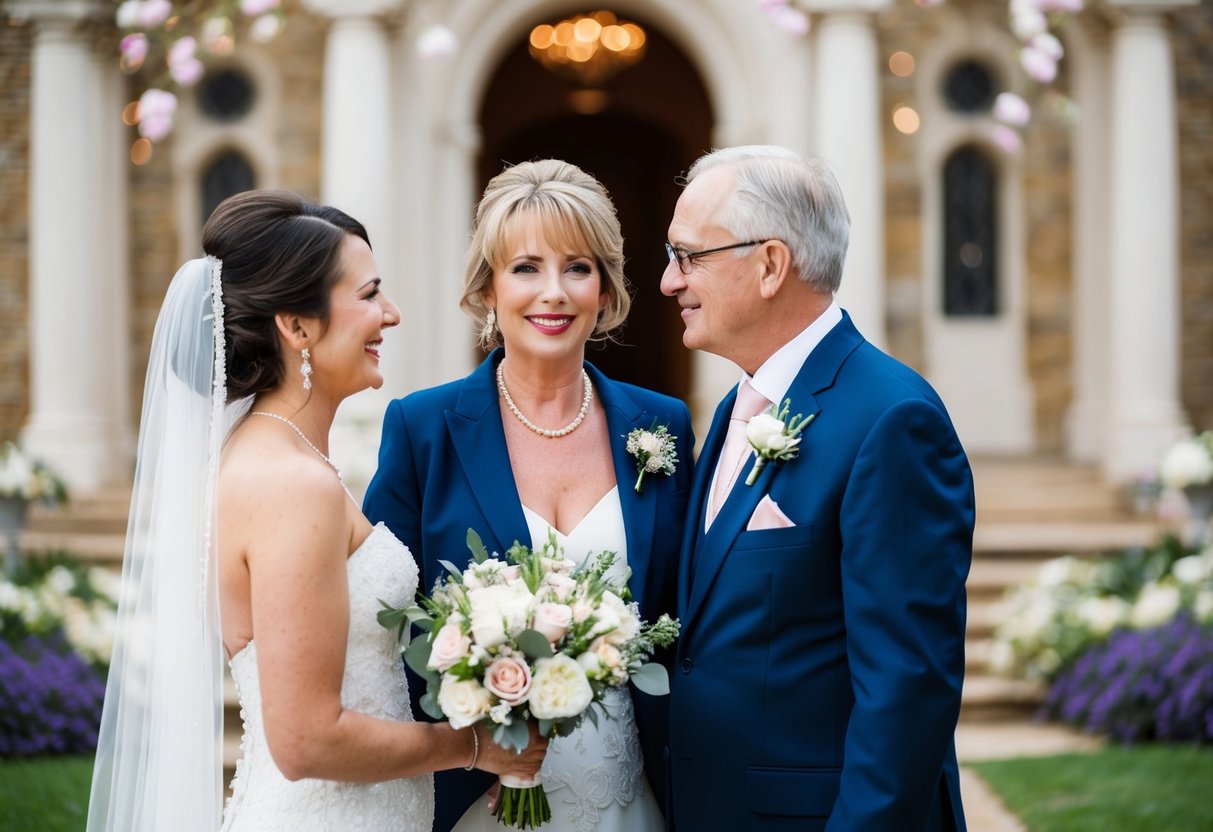
When planning a wedding, there are several additional costs that can enhance the overall experience. These can include expenses for transportation, invitations, gifts, and more. Understanding these costs helps ensure you cover all aspects of the big day.
Transportation and Accommodations
Transportation plays a key role in your wedding day. Your parents might contribute to arranging a comfortable ride for the couple and possibly the bridal party. This could mean hiring a limousine or a classic car.
Accommodations for out-of-town guests are important too. The bride’s parents may help cover hotel rooms or a block of rooms at a discounted rate. This ensures that your loved ones can enjoy the celebration without worrying about where to stay.
Wedding Invitations and Stationery
Wedding invitations set the tone for your event. Traditionally, the bride’s family takes on the cost of stationery, which includes invitations, save-the-dates, and RSVP cards.
You’ll want to choose designs that reflect your style. Don’t forget about additional stationery like programs, menu cards, and place cards, which could also fall under the parents’ responsibilities.
Adding a personal touch, like a custom seal or unique envelope, can elevate the invitation’s appeal.
Wedding Gifts and Favors
Gift-giving is a cherished tradition. Your parents might provide wedding gifts. These gifts could include contributions toward the engagement ring or a meaningful item for your new home.
Couples also consider wedding favors for their guests as a thank-you gesture. These small tokens can be funded by the bride’s parents. They might include personalized items, such as engraved keychains or homemade treats.
Thinking through these details makes the celebration even more special for you and your guests.