
What Do the Groom’s Parents Pay For in the UK? A Guide to Wedding Contributions
When planning a wedding, many people wonder about the traditions and expectations surrounding costs. Some think that only the bride’s family is responsible for paying for the celebration, but that is not the whole picture. In the UK, the groom’s parents typically cover the costs of the groom’s attire, including his ring, and may also contribute to the wedding reception, music, or even transport.
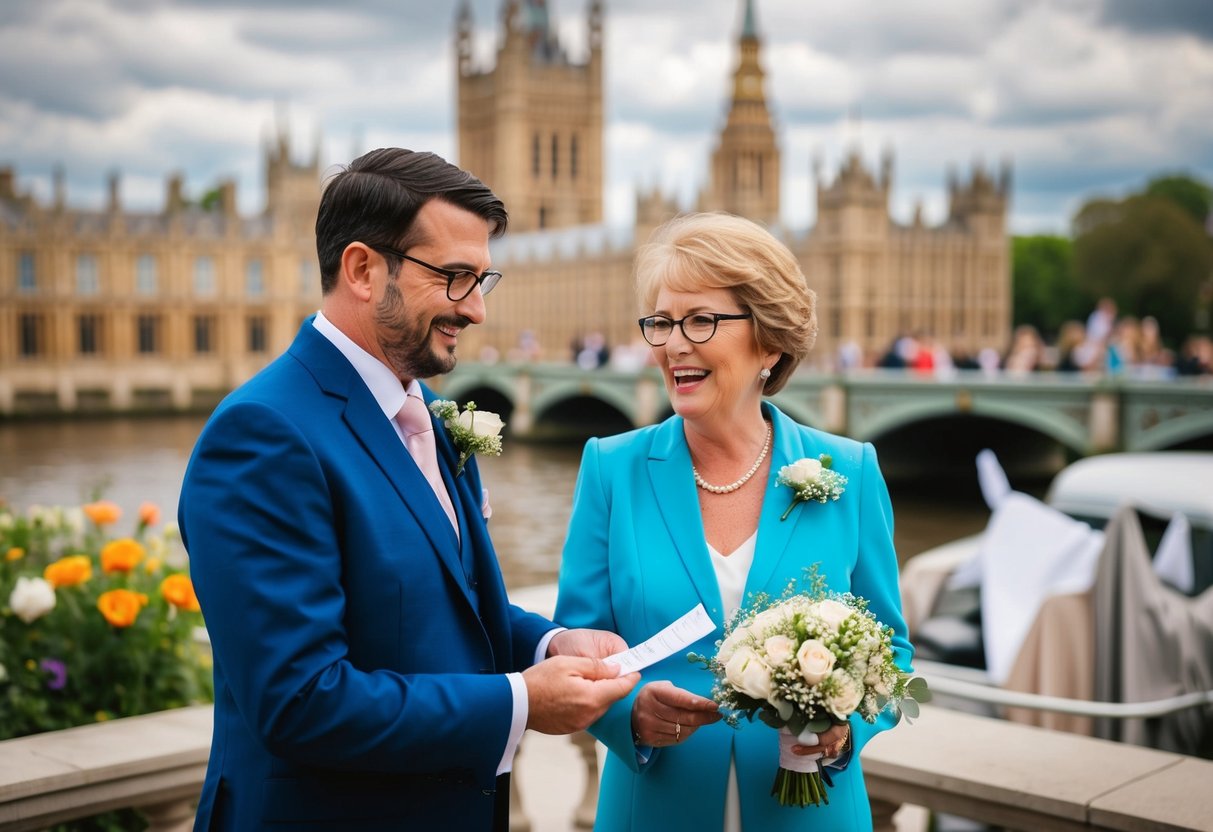
As wedding etiquette evolves, it’s important to remember that contributions from both families can vary widely based on personal circumstances and traditions. You and your partner might have even discussed how to share these expenses, which can make the planning process smoother. Understanding what the groom’s parents traditionally pay for can help clarify expectations and responsibilities.
Getting to grips with these details ensures that everyone is on the same page as you navigate through budget discussions. Whether you are part of the groom’s family or just learning about wedding planning, knowing what roles each family plays can be very helpful.
Understanding the UK Wedding Etiquette
In the UK, wedding etiquette often dictates who pays for specific parts of the wedding. Knowing these traditional roles can help you and your family make financial decisions. Let’s explore the traditional responsibilities and how modern views are changing the landscape of wedding finances.
Traditional Responsibilities
Traditionally, the groom’s family has specific financial responsibilities in a wedding. They often contribute toward the marriage fees, which can include the cost of obtaining a marriage license and officiant fees.
Additionally, the groom’s family sometimes covers the costs of the groom’s attire. This might also extend to transportation for the groom and his family on the wedding day.
In contrast, the bride’s parents traditionally take care of most wedding expenses, including the reception venue, catering, and flowers. However, these roles can vary depending on cultural practices and personal preferences.
Modern Financial Considerations
Today, many couples are breaking from traditional norms. Often, the couple themselves contribute to the wedding costs. You might find that the bride and groom help pay for various aspects, including the venue and catering.
With more couples getting married later in life, they often come with their savings. This can lead to more shared financial responsibility between both families.
It’s now common for families to discuss costs openly and create a budget that reflects their unique situation. Couples often prioritize what they want and decide how to allocate costs accordingly. This modern approach allows for greater flexibility and collaboration among families.
Specifics of Groom’s Parents’ Contributions

The groom’s parents play an important role in supporting the wedding. Their contributions often focus on attire and key pre-wedding events that help create a memorable occasion. Understanding these specifics can clarify their responsibilities.
Clothing and Attire
Your parents typically help with the groom’s attire. This includes the groom’s suit or tuxedo, along with accessories like ties, shoes, and cufflinks. You may collaborate with them to choose a style that fits the wedding theme.
It’s common for them to pay for the attire of the groomsmen as well. This helps maintain a cohesive look for the wedding party. Be sure to discuss options with your parents to ensure everyone feels comfortable and looks sharp on your big day.
Pre-Wedding Events
The groom’s parents often host important pre-wedding events. One major responsibility is the rehearsal dinner. This meal usually takes place the night before the wedding and is a time for family and friends to gather.
They may also contribute to the engagement party. Sharing this celebration with loved ones sets a joyful tone for the wedding planning journey.
Don’t forget about gifts for the groomsmen. It’s thoughtful to acknowledge their support with small tokens of appreciation, and your parents can help with these arrangements too.
Additional Expenses Covered by the Groom’s Family

The groom’s family often takes on several important costs when planning a wedding. This section covers essential items and hosting responsibilities that fall to them, ensuring the day is special.
Wedding Day Essentials
On the wedding day, the groom’s parents commonly cover various essential expenses. This includes the officiant fee, which is the cost to hire a person to perform the ceremony.
They are also typically responsible for purchasing the wedding rings, which symbolize your love and commitment.
In some cases, the groom’s parents may assist with the marriage license fee, ensuring all legal aspects are taken care of.
These contributions can mean a lot, allowing you to focus more on your celebration rather than worrying about finances on your big day.
Hosting Costs
When it comes to hosting, the groom’s family carries a significant burden. They often pay for the rehearsal dinner, where close family and friends gather before the wedding.
In addition to this, they may also take care of alcohol costs during the reception.
It’s common for them to handle some of the reception expenses, which can include venue fees and catering.
By managing these costs, they help reduce stress and make the wedding day run smoothly, allowing you to enjoy your celebration surrounded by loved ones.
Joint Financial Contributions and Final Thoughts

Planning a wedding can be exciting and sometimes stressful. Joint financial contributions can make a big difference when it comes to expenses.
Traditionally, the groom’s parents cover certain costs. This may include the rehearsal dinner and the officiant’s fee. At the same time, you and your partner might want to set a clear wedding budget.
Here’s a quick look at some common financial contributions:
-
Groom’s Parents:
- Rehearsal dinner
- Wedding rings
- Officiant’s fees
-
Bride’s Parents:
- Ceremony and reception costs
-
Couple:
- Honeymoon expenses
- Other personal costs
Discussing these contributions early on can help avoid confusion. Talk openly about who is covering what, and adjust your wedding planning as needed.
If both families work together, it can ease the burden on everyone. You might even find that sharing the costs leads to a more enjoyable planning process.
Lastly, remember that the honeymoon often falls to the couple. Consider budgeting for this as you plan and save. This way, you can enjoy your first trip as a married couple without worry.