
What Do the Parents of the Bride Pay For? A Guide to Their Traditional Wedding Expenses
When planning a wedding, one question often comes up: what do the parents of the bride pay for? Traditionally, the bride’s family covers many key expenses, including the wedding ceremony, reception, and often the wedding cake. This custom stems from long-standing wedding etiquette where the bride’s parents host the event, making them responsible for the overall celebration.
In today’s modern weddings, the financial landscape has changed significantly. Many couples now involve both sets of parents in sharing the costs, reflecting how weddings have adapted to contemporary values. While traditions still hold importance, it’s common for you and your partner to contribute alongside your families, which can ease financial pressures.
Understanding these responsibilities can help you navigate the planning process smoothly. By being aware of what is typically expected, you can work together to create a memorable day without unwelcome surprises in your budget.
The Big Day: Ceremony and Reception
Your wedding day is a special occasion, and the parents of the bride typically take on significant financial responsibilities. This includes covering key aspects like the ceremony, reception, and everything in between to ensure a memorable celebration.
Securing the Venue
Choosing the right venue is one of the first steps for the parents of the bride. This usually involves paying for both the ceremony and reception locations. The couple may want a scenic outdoor space, a traditional church, or an elegant banquet hall.
Considerations include:
- Capacity: Ensure the venue can accommodate your guest list.
- Facilities: Check for amenities like restrooms and parking.
- Style: Match the venue’s look with the wedding theme.
Deposits are often required upfront to secure the date, so it’s wise to plan accordingly.
Celebration Catering and Cake
Catering is a major expense that falls on the bride’s family. This includes not just the meal but also the wedding cake. You might choose a buffet, plated dinner, or a fun food station.
Key points to address include:
- Menu Selection: Pick dishes that cater to different dietary needs.
- Tastings: Schedule tastings with your chosen caterer to finalize the menu.
- Cake Design: Work with a baker to create a cake that fits your wedding theme.
Don’t forget to factor in gratuities for the catering staff!
Decorations and Floral Arrangements
Flowers and decorations add beauty to your celebration. The parents of the bride often pay for wedding flowers, including bouquets, boutonnieres, and floral arrangements for the venue.
Key considerations are:
- Budget: Set a budget for floral decor and stick to it.
- Theme: Choose flowers that match the color scheme of the wedding.
- Layouts: Discuss with a florist about centerpieces and altar arrangements.
Make sure to finalize these details well in advance to avoid last-minute issues.
Music and Entertainment
The entertainment sets the mood for the entire event. Usually, the bride’s parents cover costs for either a DJ or a live band.
When planning your entertainment, think about:
- Style of Music: Choose a DJ or band that can play the couple’s favorite genres.
- Sound Equipment: Ensure the venue has the necessary sound gear or that you rent it.
- Timeline: Discuss the timeline with the entertainer to coordinate with the ceremony and reception schedule.
Music is essential for creating a lively atmosphere, so choose wisely!
Photography and Videography
Capturing memories is crucial for any wedding, and the parents of the bride often handle these expenses as well. A good photographer and videographer will ensure you have lasting memories of the special day.
Important points include:
- Portfolio Review: Look at potential photographers’ work to find a style you love.
- Packages: Discuss what’s included, like engagement shoots or photo albums.
- Timeline: Set a timeline with the photographer to cover key moments.
Hiring skilled professionals can make a big difference in preserving those cherished memories.
Fashion and Attire
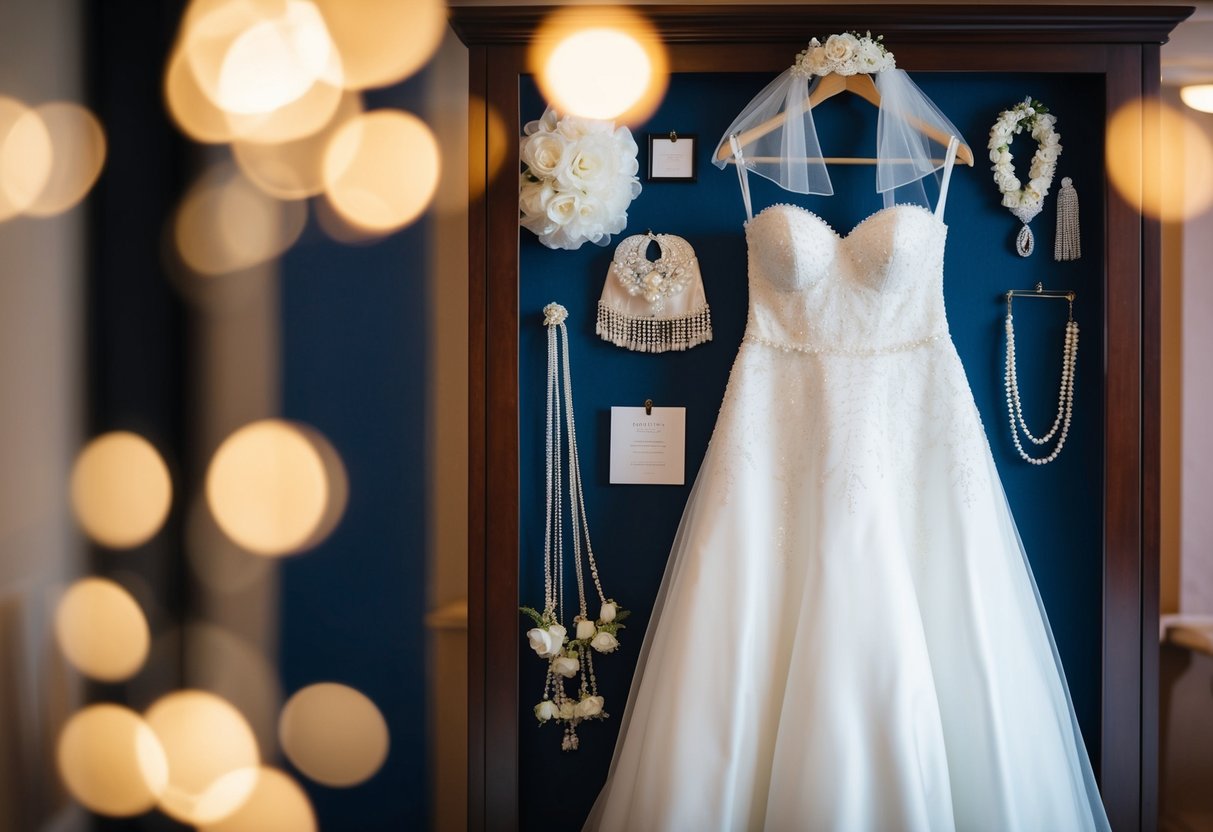
When planning a wedding, the parents of the bride often play a big role in covering fashion and attire costs, ensuring that the bride looks her best on her special day. This includes everything from the wedding gown to personal flowers, and even the groom’s outfit.
Outfitting the Bride
The wedding dress is one of the most important aspects of the bride’s attire. Traditionally, the bride’s parents often contribute to the cost of the gown. This can also include accessories such as veils and shoes.
Additional expenses may involve alterations to ensure the perfect fit. Don’t forget the bride’s bouquet and any personal flowers she might want, such as corsages for her mother or bridesmaids. These details add special touches to her look.
Groom’s Attire Responsibilities
While much attention is given to the bride’s attire, the groom’s outfit is also important. Typically, the groom is responsible for his own suit or tuxedo. However, in some cases, the bride’s parents may help cover these costs.
The groom should consider his ring as well, which is often a significant expense. It’s a good idea for the couple to discuss attire preferences early to create a cohesive look for the wedding day.
Hair, Makeup, and Personal Flowers
Hair and makeup are key parts of the bride’s look. The bride may choose to hire professionals to help her look stunning. Sometimes, parents may cover these costs as a gift.
Personal flowers play a vital role, too. In addition to the bouquet, the bride may want floral crowns or other arrangements. Budgeting for these details helps complete the overall appearance and adds personal flair to the wedding.
Preliminary Celebrations and Legalities
As a parent of the bride, you may play a significant role in setting up the initial celebrations and managing the legal aspects of the wedding. This includes hosting events like the engagement party and bridal shower, as well as handling important legal requirements.
Engagement Party and Bridal Shower
The engagement party is often hosted by the bride’s parents. This celebration allows friends and family to come together and celebrate the couple’s new commitment. You will typically manage the venue, guest list, and invitations. It’s a great opportunity to create a joyful atmosphere early in the wedding planning process.
The bridal shower is another important event. You may help organize this occasion, which is typically hosted by the maid of honor or close friends. The shower focuses on fun activities, gifts for the bride, and sharing stories. You can assist with finding a venue, planning games, and coordinating refreshments to create a warm and inviting experience.
Marriage License and Rings
Securing a marriage license is an essential legal step before the wedding. You may help the couple navigate this process by providing information about local requirements. Each state has different rules, so it’s essential to check with local government offices in advance.
Additionally, choosing the engagement ring and wedding bands usually involves the bride’s family. You might help with budgeting or picking out rings that fit personal styles. These rings carry emotional significance and symbolize their commitment. Every couple has unique tastes, so working together to find the perfect rings can be a cherished experience.
Final Touches and Additional Costs
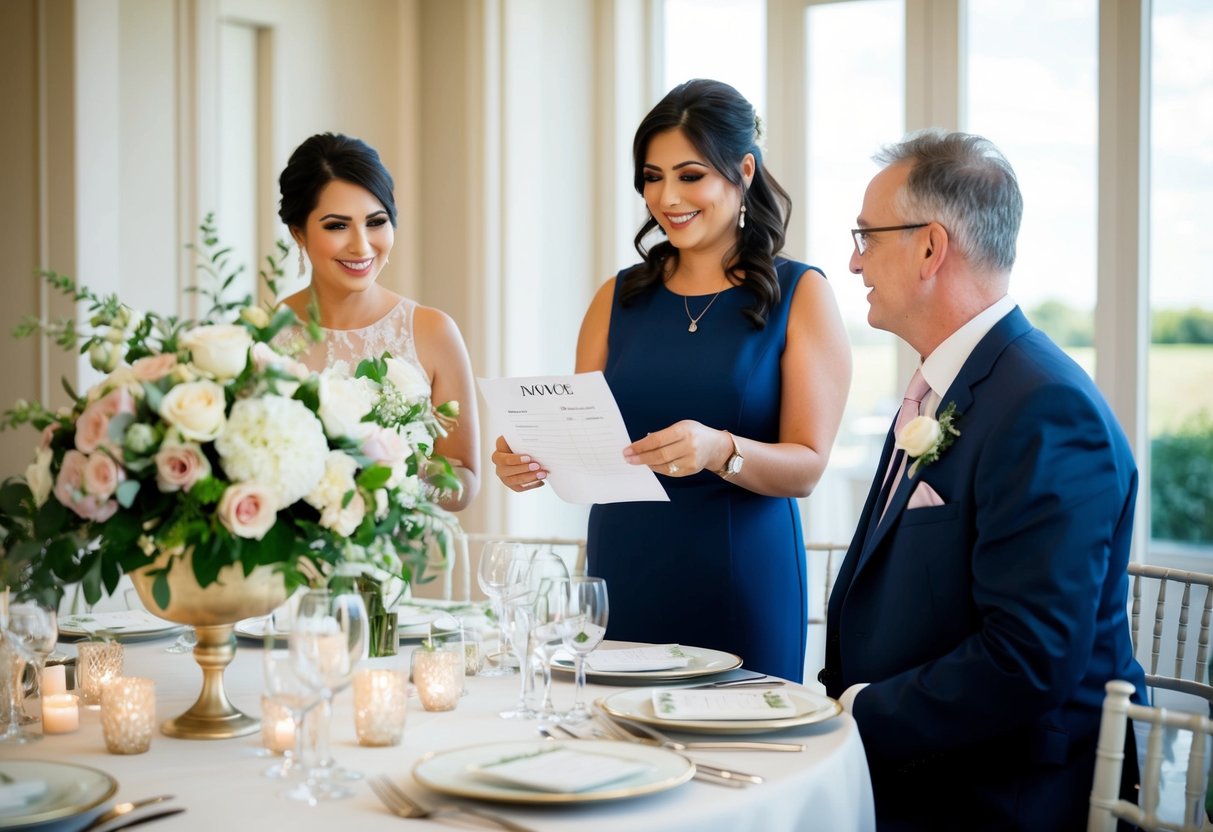
When planning your wedding, don’t forget about the smaller details that can enhance the experience. These expenses can include invitations, transportation needs, and post-wedding arrangements. Each area plays a key role in creating a smooth and enjoyable event for both you and your guests.
Invitations and Stationery
Your wedding invitations set the tone for your big day. The bride’s family typically covers the costs, which can include invitations, save-the-dates, and thank-you cards.
The average expense for wedding invitations can be around $530, depending on design and printing choices. Selecting the right paper and style is essential since these items will represent your wedding theme.
Make sure to plan enough time for sending them out. Invite your guests 6-8 weeks before the event to ensure they can RSVP in advance. Remember to factor in postage costs, too!
Transportation and Accommodation
Transportation is another important aspect of the wedding day. Many times, the bride’s family will arrange and pay for the getaway car or shuttle services for guests from the ceremony to the reception.
Consider if you need special vehicles for the bridal party, like limousines or vintage cars. You might also think about accommodations for out-of-town guests by booking a block of hotel rooms. This can make it easy for guests and help you negotiate better rates.
Encouraging your guests to stay nearby can add to the overall experience as you gather together for the wedding festivities.
Post-Wedding Arrangements
After the wedding, you still need to think about a few things. The bride’s family often covers costs for post-wedding brunches. These brunches are a nice way to thank your guests for attending.
If you’re planning a honeymoon, it’s common for the bride’s family to help with expenses. This can include travel plans and accommodations, making the trip even more special.
You can also set aside some funds for any last-minute expenses that may arise after the wedding. This ensures you have everything covered for a smooth transition into your new life.