
What Do You Call a Married Woman Who Keeps Her Maiden Name? Understanding Her Choice
Have you ever wondered what to call a married woman who keeps her maiden name? You’re not alone! Many women face this decision and choose to retain their names for various personal and professional reasons.
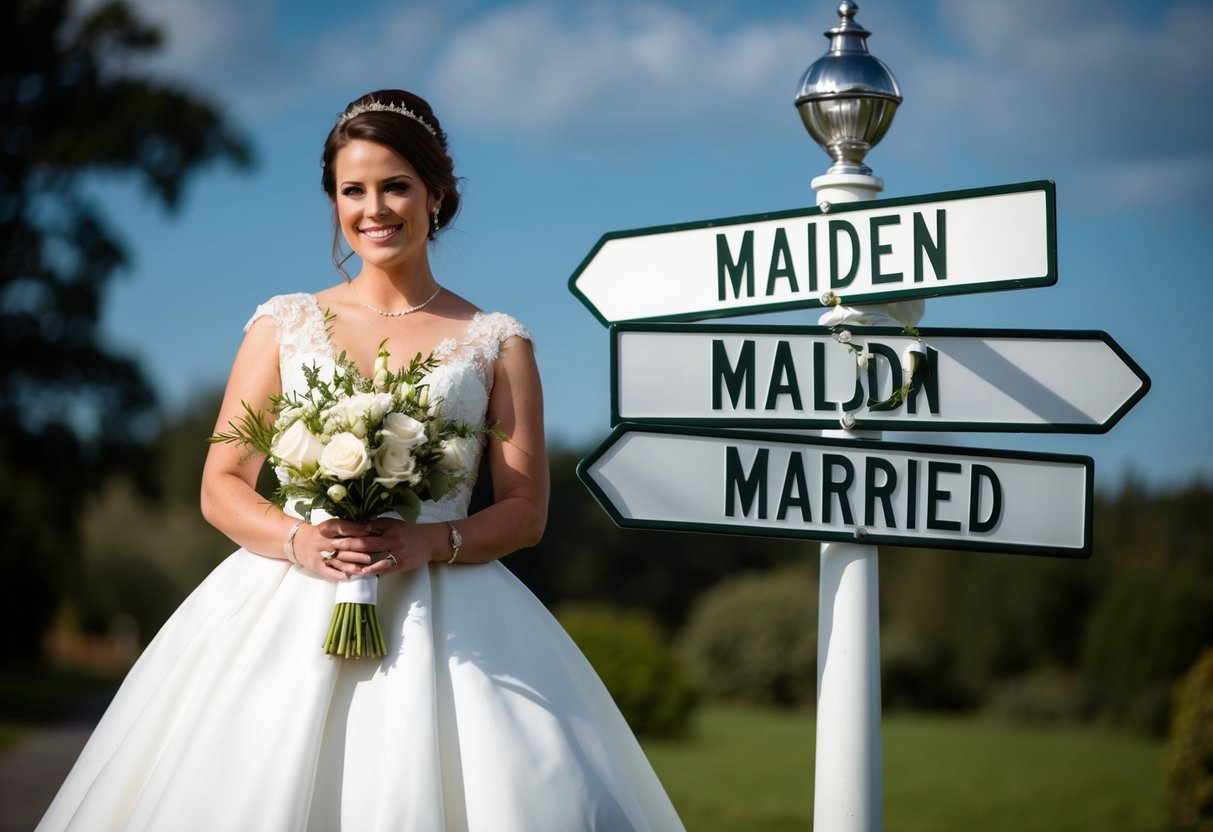
You can refer to a married woman who keeps her maiden name as “Ms.” or “Mrs.” followed by her maiden name. This allows her to carry on her family name while still embracing her marital status. Understanding the options can help you address her correctly in conversation or on invitations.
The choice of title often reflects individual preferences and traditions. Knowing how to address a married woman who keeps her maiden name shows respect for her identity and her choices, making social interactions smoother and more enjoyable.
Historical and Social Context
The way society views a married woman’s surname has changed significantly over time. You will find that many traditions regarding names still hold cultural importance today.
Evolving Traditions
Traditionally, a married woman would take her husband’s surname, often leading to the use of titles like “Mrs.” Another common practice was for women to use “nee” before their maiden name in formal settings to indicate their birth name. This was common in the early 20th century, especially in publications that followed strict etiquette guidelines set by people like Emily Post.
As times changed, many women began to keep their maiden name after marriage, reflecting a shift in gender roles and personal identity. Today, you may encounter diverse practices where some women proudly maintain their surname, signaling independence in their marital status.
Cultural Significance
Keeping a maiden name can have important cultural implications. For many women, their maiden name is tied deeply to family heritage and individual identity. By opting to keep this name, a woman expresses respect for her background and lineage.
In some cultures, the maiden name carries significant weight, symbolizing a woman’s family ties. The title “Miss” is also still used for women who choose not to adopt “Mrs.” or “Ms.” while retaining their surname. This decision can also influence how others view marital status, relationships, and even professional opportunities, emphasizing the growing acceptance of varied naming choices.
Legalities and Documentation

When you choose to keep your maiden name after marriage, understanding the legalities involved is essential. You will need to navigate certain processes and ensure that your personal documents reflect your name choice.
Process of Name Change
If you decide to change your name after marriage, begin with your marriage certificate. This document serves as the legal proof of your name change. It is important to obtain certified copies of this certificate for various institutions.
For a legal name change, you may need to fill out specific forms depending on your location.
Next, update your name with the Social Security Administration. This process can usually be done through their website or local office.
Following that, remember to update your name on your driving license, passport, and bank accounts.
Implications for Personal Documents
Keeping your maiden name means thoughtful attention to your personal documents.
If you don’t change your name legally, ensure your marriage certificate clearly states your preferred name format.
If you decide to switch to your husband’s last name later, remember that updating documents can take time.
Start with your Social Security card, as it is often required for other changes.
Keep in mind that some institutions may require additional proof, like your marriage certificate. Always check with your bank or any service provider to know their specific requirements for name changes.
Professional and Personal Identity
Choosing to keep your maiden name after marriage has a significant impact on both your professional and personal identity. It reflects your values and can affect how others perceive you in different contexts.
Maintaining Professional Continuity
When you keep your maiden name, you maintain continuity in your professional identity. If you have established a career under your maiden name, changing it may lead to confusion among colleagues and clients.
Retaining your maiden name can help preserve your brand, especially in fields like business, academia, or the arts.
Continuity can be crucial for networking and recognition. Using your maiden name can also simplify things when you are signing contracts or publishing work.
Personal Choice and Identity
Your choice to keep your maiden name is a personal one that reflects your identity. Some feel strongly about keeping their original surname as a symbol of their independence.
Others may choose to hyphenate or use both names to express their new marital status while honoring their past.
Personal choice plays a key role in how you want to be addressed. You can decide whether to use “Mrs.” or “Ms.” when referring to yourself. This choice can shape how others view your marital status and personal identity.
Keeping your maiden name allows you to merge both parts of your identity, offering a unique perspective on who you are.
Marriage, Divorce, and Remarriage Implications

When a married woman decides to keep her maiden name, it can have various implications in the context of marriage, divorce, and remarriage. Understanding these effects helps you navigate situations that may arise.
Changes in Marital Status
When your marital status changes, such as in the case of divorce, it’s important to consider how it affects your name.
You may choose to keep your maiden name or adopt a hyphenated last name. If you retain your married name, it can be tied to your identity and family ties.
Switching back to your maiden name, often easier through a deed poll, may be necessary for personal reasons or if you want to separate from your past marriage.
In some cases, women keep their married names for professional recognition, particularly if they built a career using that name.
Decisions Post-Divorce
After a divorce, you might face decisions about your name.
If you shared children with your ex-spouse, you may want to keep a consistent family identity. This can mean retaining your married name or opting for a hyphenated last name that includes both names.
It’s thoughtful to consult family members, especially children, as this can impact their feelings.
Consider whether you want to differentiate yourself from your former spouse or maintain a connection due to shared history. Your choice can reflect your values and how you wish to present yourself moving forward.
Considering Remarriage
Remarriage may bring up new considerations about your name. When you enter a new relationship, discuss your preferences regarding your last name.
You might choose to maintain your current name, adopt your new spouse’s name, or even create a unique hyphenated last name.
Your decision may relate to professional status or how you want to blend your family. Discussing this openly with your partner can help set clear expectations.
Putting thought into your name can ultimately strengthen your identity and connection in a new marriage.